Literary Fiction
All countries
Afghanistan
Algeria
Antigua and Barbuda
Argentina
Australia
Austria
Azerbaijan
Bangladesh
Barbados
Belgium
Benin
Bosnia and Herzegovina
Brazil
Bulgaria
Burkina Faso
Burundi
Cabo Verde
Canada
Central African Republic
Chile
China
Colombia
Congo, Democratic Republic
Costa Rica
Côte d’Ivoire (Ivory Coast)
Croatia
Cyprus
Czech Republic
Denmark
Dominica
Dominican Republic
Egypt
El Salvador
Estonia
Ethiopia
France
Germany
Ghana
Greece
Hungary
Iceland
India
Iran
Iraq
Ireland
Italy
Jamaica
Japan
Jordan
Kazakhstan
Kenya
Kuwait
Latvia
Lebanon
Libya
Lithuania
Madagascar
Mexico
Moldova
Morocco
Myanmar
Netherlands
New Zealand
Nigeria
North Korea
North Macedonia
Norway
Oman
Pakistan
Palestine
Philippines
Poland
Portugal
Puerto Rico
Russia
Rwanda
Saint Kitts and Nevis
Saudi Arabia
Senegal
Singapore
South Korea
Spain
Sri Lanka
Sudan
Sweden
Switzerland
Syria
Taiwan
Tanzania
Thailand
Türkiye
Uganda
United Arab Emirates
United Kingdom
United States
Uzbekistan
Vietnam
Zambia
1
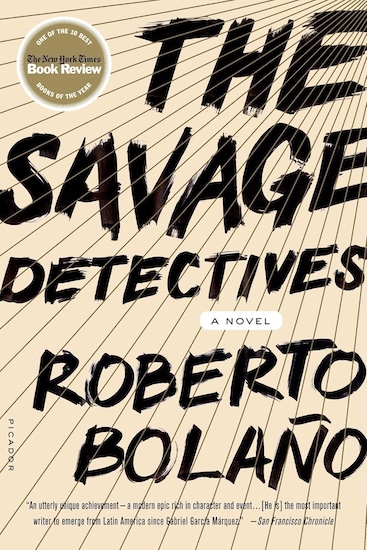
The Savage Detectives
The Savage Detectives follows two rebellious young poets, Arturo Belano and Ulises Lima, who become central figures in a loosely organised literary movement in Mexico City during the 1970s. The story begins through the diary of a teenage aspiring poet, García Madero, who becomes involved with their circle before joining them on a journey into the Mexican desert in search of a forgotten female poet. The novel then expands across decades and continents through the testimonies of people who encountered Belano and Lima, gradually assembling a fragmented portrait of their lives. Blending literary adventure, political history, and reflections on artistic ambition, Bolaño explores the restless search for meaning and the difficulty of sustaining youthful ideals. The novel celebrates literature’s rebellious spirit while revealing the loneliness and uncertainty that can accompany a life devoted to art.
Chile
1998
2
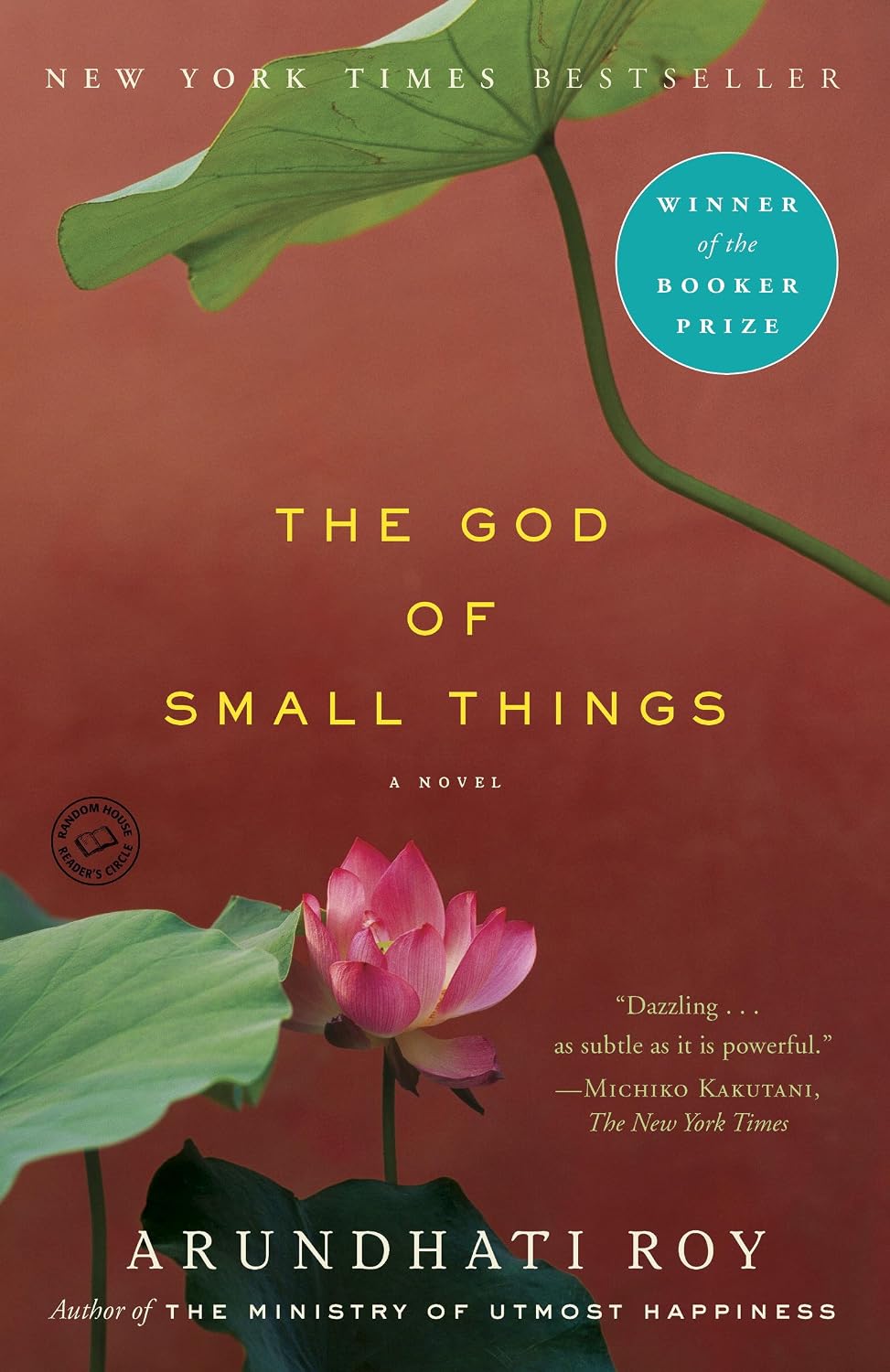
The God of Small Things
Set in Kerala, southern India, The God of Small Things tells the story of fraternal twins Estha and Rahel, whose childhood is shattered by a series of tragic events that permanently alter their family. Through a nonlinear narrative that moves between their childhood in 1969 and their reunion as adults, the novel explores the consequences of forbidden love, social prejudice, and deeply rooted cultural expectations. When their cousin Sophie Mol visits from England, an unexpected tragedy exposes the family’s hidden tensions and the cruelty of the social hierarchies governing their lives. At the centre of the story is Ammu, the twins’ mother, whose relationship with Velutha, a man from an oppressed caste, challenges the rigid boundaries of Indian society. Roy’s lyrical prose captures the beauty of childhood perception alongside the devastating effects of discrimination, silence, and loss. The novel examines how seemingly small moments can shape entire lives, revealing the profound consequences of breaking society’s unwritten rules.
India
1997
3
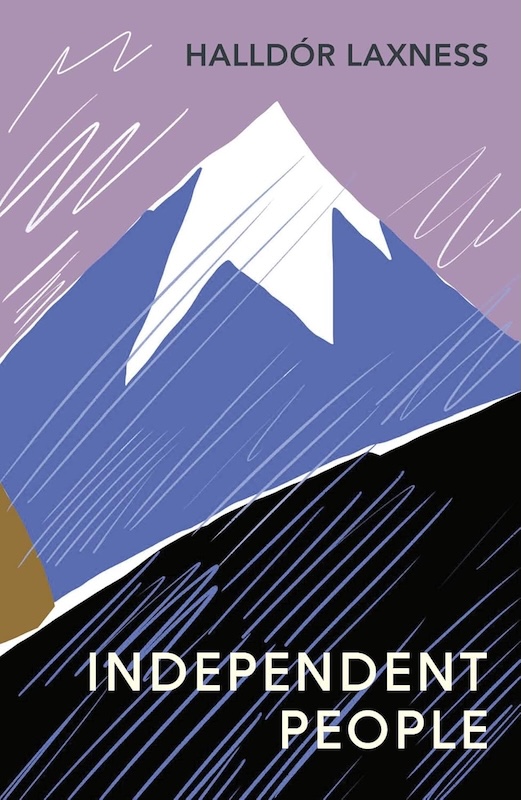
Independent People
Independent People follows Bjartur of Summerhouses, a stubborn Icelandic sheep farmer determined to achieve financial independence after years of working as a tenant. Having finally acquired his own small farm, he dedicates his life to preserving his freedom, believing that self-sufficiency is the highest form of dignity. However, his relentless pursuit of independence comes at a devastating cost to his family, particularly his wife and children, who endure poverty, isolation, and emotional hardship. Set against Iceland’s harsh rural landscape in the early twentieth century, the novel portrays the struggle between individual ambition and human connection. Through Bjartur’s tragic determination, Halldór Laxness explores poverty, pride, social inequality, and the contradictions of freedom, questioning whether a life entirely devoted to independence can ever lead to genuine happiness.
Iceland
1997
4
Last Words From Montmartre
Last Words from Montmartre is an experimental, semi-autobiographical novel told through a series of letters written by a young Taiwanese writer named Zoë. Addressing friends and loved ones, Zoë reflects on her relationships, sexuality, artistic ambitions, and growing sense of alienation while moving between Taiwan and Paris. As her emotional world becomes increasingly unstable, the letters reveal the difficulties of reconciling romantic desire with personal freedom and the longing to be understood by others.
Blending fiction, autobiography, philosophical reflection, and intimate confession, Qiu Miaojin explores the complexities of queer identity, heartbreak, and the search for meaning in a world that can feel profoundly isolating. The fragmented structure mirrors the narrator’s shifting emotional states, allowing memories, dreams, and observations to coexist without a conventional narrative progression. Written with remarkable intensity and vulnerability, the novel captures the transformative and sometimes destructive power of love while questioning the boundaries between life, art, and self-expression.
Taiwan
1996
5
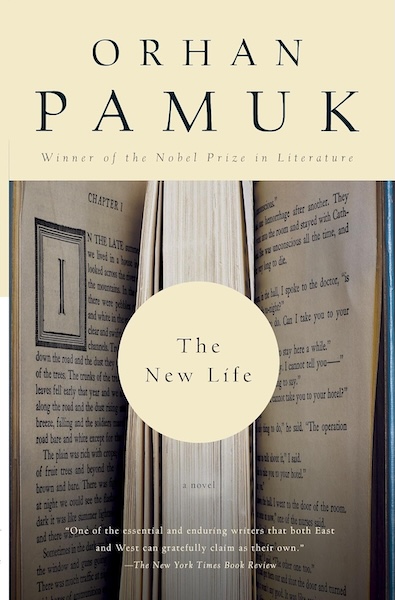
The New Life
“One day I read a book, and my whole life changed.”
With this extraordinary declaration, university student Osman begins a journey that will pull him away from everything familiar. After reading a mysterious book, he becomes convinced that its pages contain the promise of another existence—a hidden world waiting just beyond the boundaries of ordinary life. Captivated by its message, Osman abandons his studies and sets out to discover the transformation it promises.
He is joined in his search by Canan, a fellow student who has also been profoundly affected by the book. Their journey takes them across Turkey on endless bus rides through provincial towns and anonymous highways, where strange encounters and sudden accidents blur the line between reality and illusion. As Osman searches for the book’s secrets, his quest becomes increasingly entangled with love, obsession, and the possibility that his old identity is disappearing.
Part philosophical mystery and part surreal road novel, The New Life explores the power of literature to transform—and sometimes consume—the lives of its readers. Pamuk questions whether we can truly escape our former selves or whether the search for a new life is itself another form of illusion.
Türkiye
1994
6
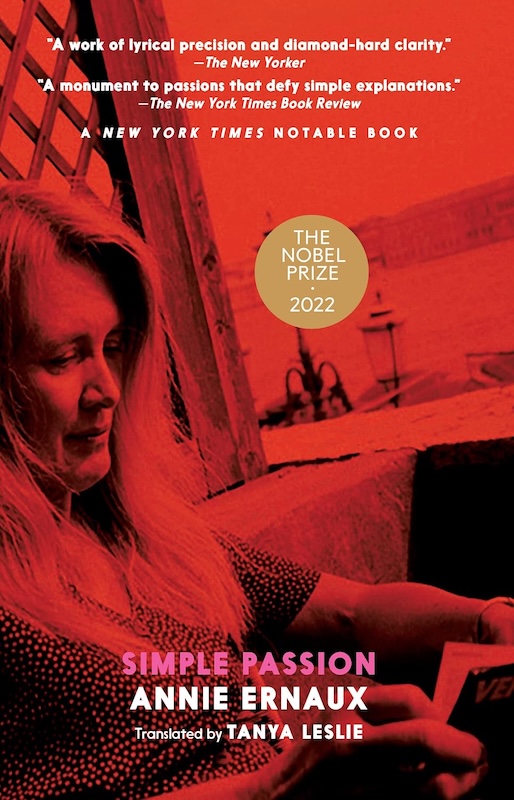
Simple Passion
Simple Passion is a concise, intensely personal account of a woman’s consuming affair with a married man. The narrator, an educated French woman, describes how her relationship gradually takes over her existence, shaping her thoughts, routines, and sense of time. Waiting for her lover’s phone calls and anticipating their meetings become the organising principles of her life, while ordinary activities lose their significance in comparison with the possibility of seeing him again.
Drawing on her own experiences, Annie Ernaux examines desire with remarkable honesty and emotional precision, refusing to romanticise or condemn the narrator’s obsession. She explores the vulnerability of surrendering oneself to another person, as well as the ways passion can disrupt independence and alter one’s perception of reality. Blending autobiography with detached observation, the book challenges conventional ideas about female desire, dignity, and romantic love. Its direct, unembellished prose transforms a deeply private experience into a broader reflection on the power of longing and the consuming nature of passion.
France
1991
7
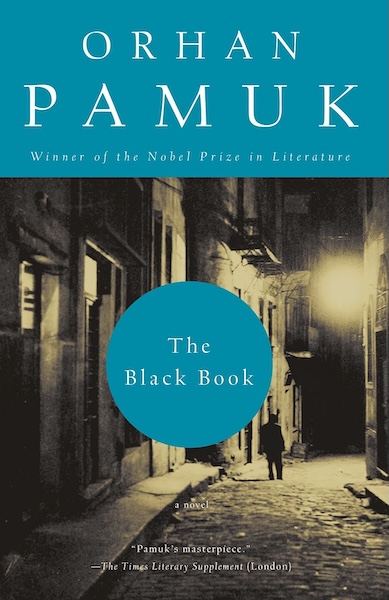
The Black Book
On a snowy day in Istanbul, lawyer Galip discovers that his wife, Rüya, has disappeared. Unable to understand why she has left, he begins searching the city’s crowded streets, old neighbourhoods, and hidden corners for clues. His investigation becomes even more mysterious when he discovers that Rüya’s half-brother, Celâl, a famous newspaper columnist, has vanished too.
As Galip follows the traces they have left behind, he becomes immersed in Celâl’s newspaper columns, which explore Istanbul’s history, its forgotten stories, and the secrets concealed beneath everyday life. The search gradually transforms into something more profound: a journey through the city’s collective memory and Galip’s own uncertain identity.
Blending mystery, philosophical reflection, and a vivid portrait of Istanbul, The Black Book explores the desire to become someone else and the difficulty of knowing who we really are. Pamuk transforms the city into a labyrinth of stories in which the search for a missing person becomes a search for the self.
Türkiye
1990
8
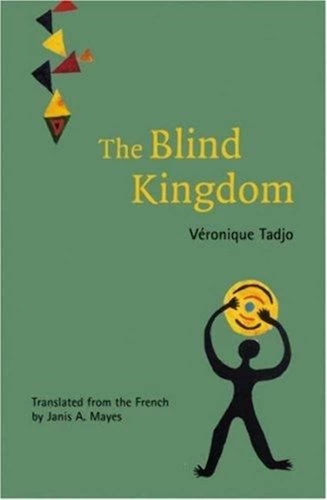
The Blind Kingdom
In The Blind Kingdom, Véronique Tadjo imagines a society thrown into chaos when a devastating natural disaster shakes the land and an epidemic of blindness takes hold. As the kingdom struggles to survive, its people face fear, uncertainty, and the collapse of the structures that once held their world together. Yet the crisis exposes more than physical suffering: it reveals the moral blindness of those in power and the indifference of a ruler who remains detached from the misery of his subjects.
At the centre of the story is a tyrannical king whose obsession with authority prevents him from recognising the suffering around him. His daughter, however, begins to question the kingdom’s injustice and becomes drawn to a man seeking to save the country from oppression. Through this allegorical tale, Tadjo explores dictatorship, social inequality, and the dangers of political leaders who refuse to see the realities faced by ordinary people.
Blending novelistic storytelling with poetic and symbolic elements, Tadjo creates a powerful reflection on a society approaching collapse. Although rooted in the political realities of Côte d’Ivoire and wider African experiences, the novel’s themes of authoritarianism, resistance, and collective responsibility resonate far beyond its setting.
Côte d’Ivoire (Ivory Coast)
1990
9
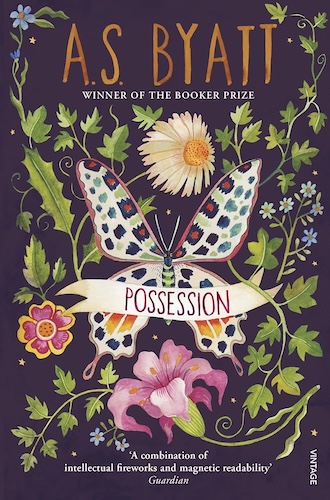
Possession
What if a forgotten love affair hidden in old letters could change everything you thought you knew about the past? When young literary scholar Roland Michell discovers a mysterious letter written by the celebrated Victorian poet Randolph Henry Ash, he begins investigating a secret that could transform literary history. Joined by Maud Bailey, an expert on the lesser-known poet Christabel LaMotte, Roland follows a trail of letters, diaries, and poems that reveals a passionate relationship between two writers whose lives were never meant to be connected. As the scholars uncover the truth, their own feelings begin to mirror those of the poets they study. Blending romance, mystery, and literary intrigue, Possession is a captivating exploration of love, obsession, and the stories history leaves behind. The novel won the 1990 Booker Prize.
United Kingdom
1990
10
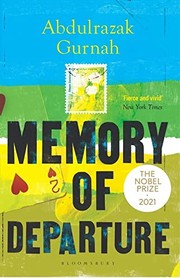
Memory of Departure
Memory of Departure, Gurnah’s debut novel, follows Hassan Omar, a young man growing up in a poor coastal community in East Africa. Intelligent and ambitious, Hassan dreams of escaping the limitations of his environment through education and opportunities abroad. However, his family life is marked by poverty, violence, and disappointment, making his desire to leave both a personal ambition and an attempt to escape an oppressive reality. As Hassan navigates difficult relationships and confronts the harshness of the world around him, he begins to understand the emotional and moral costs of pursuing a different future. The novel explores the struggle between hope and disillusionment, examining how family circumstances, social inequality, and colonial legacies shape the possibilities available to young people seeking independence.
Tanzania
1987
11
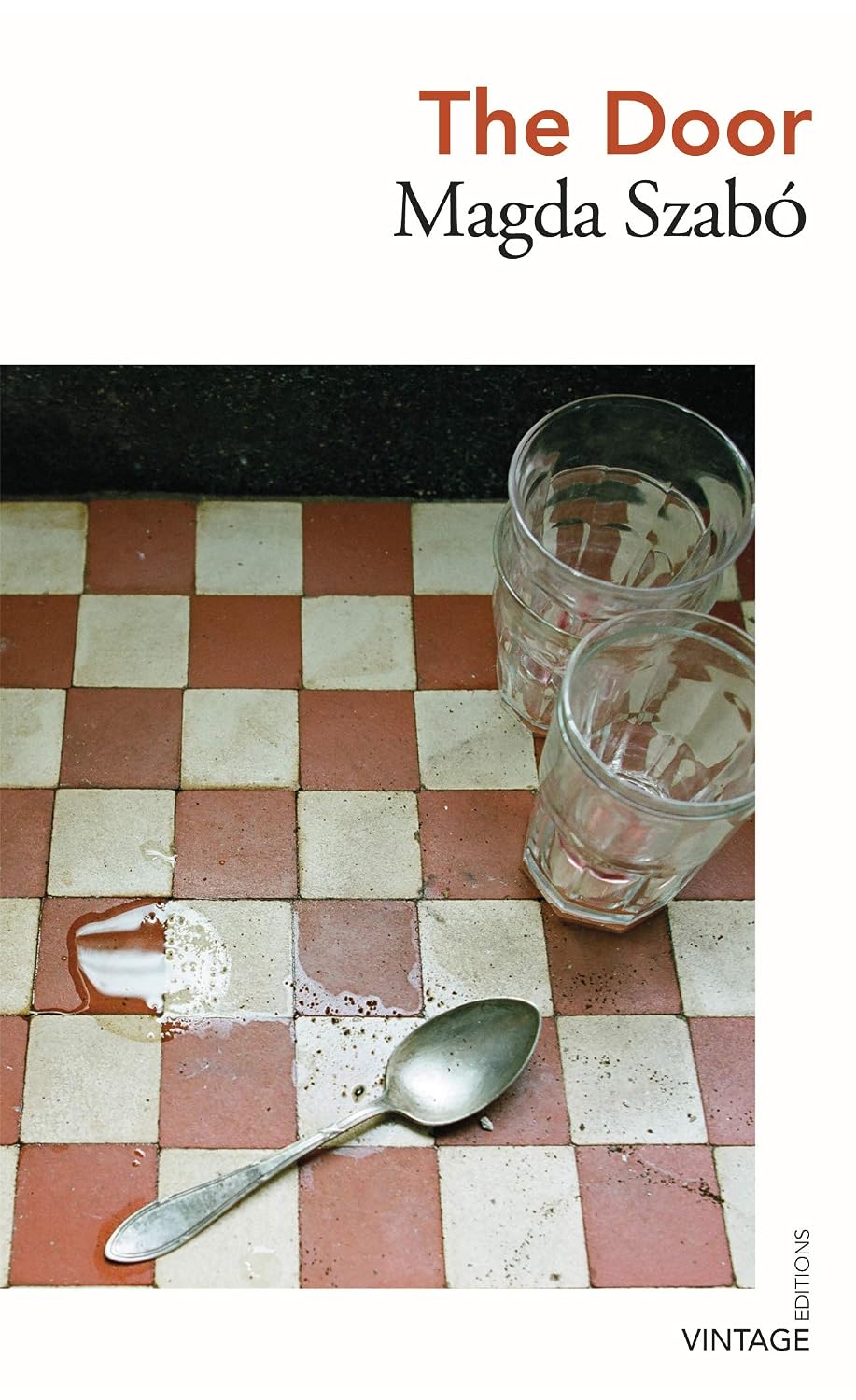
The Door
The Door is a psychological novel about the complicated relationship between a successful Hungarian writer and her enigmatic housekeeper, Emerence. When the narrator hires Emerence to help manage her household, she encounters a woman whose fierce independence, strict routines, and guarded private life conceal a painful past. Over the years, the two women develop a profound but often turbulent bond, shaped by affection, resentment, loyalty, and misunderstandings. Emerence’s refusal to let anyone enter her home becomes a powerful symbol of her emotional boundaries and the secrets she struggles to protect. Through this intimate relationship, Szabó explores the limits of love, the burden of guilt, the unequal balance of power between people, and the difficulty of truly knowing another person. The novel is both a portrait of an extraordinary woman and a meditation on the moral responsibilities we have toward those we love.
Hungary
1987
12
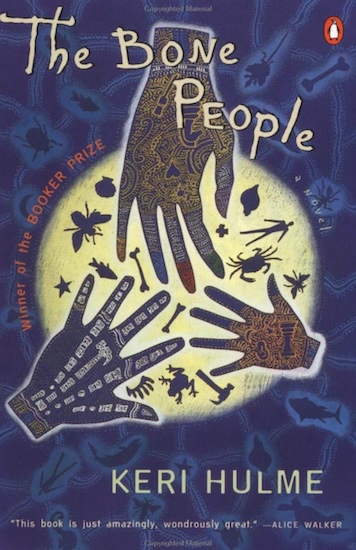
The Bone People
The Bone People is a powerful, unconventional novel set on the rugged coast of New Zealand, exploring the complicated relationships between three isolated individuals: Kerewin Holmes, a reclusive artist; Simon, a mysterious mute child; and Joe, his Māori foster father. When their lives become intertwined, they form an unconventional family shaped by loneliness, affection, violence, and the desire for connection. Through experimental storytelling and elements of Māori mythology, Keri Hulme examines the tensions between Māori and Pākehā identities, the legacy of colonialism, and the possibility of healing after trauma. The novel challenges traditional ideas of family and belonging, portraying human relationships as both deeply destructive and potentially transformative. It won the Booker Prize in 1985.
New Zealand
1986