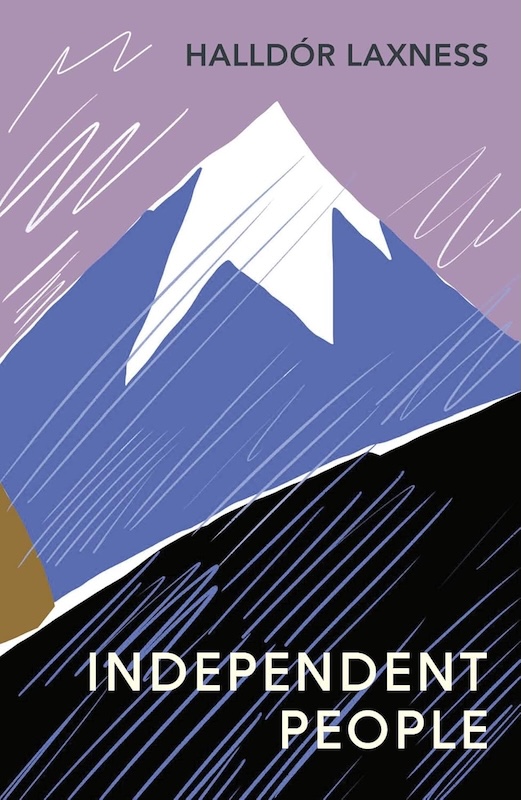
Independent People
Summary
Independent People follows Bjartur of Summerhouses, a stubborn Icelandic sheep farmer determined to achieve financial independence after years of working as a tenant. Having finally acquired his own small farm, he dedicates his life to preserving his freedom, believing that self-sufficiency is the highest form of dignity. However, his relentless pursuit of independence comes at a devastating cost to his family, particularly his wife and children, who endure poverty, isolation, and emotional hardship. Set against Iceland’s harsh rural landscape in the early twentieth century, the novel portrays the struggle between individual ambition and human connection. Through Bjartur’s tragic determination, Halldór Laxness explores poverty, pride, social inequality, and the contradictions of freedom, questioning whether a life entirely devoted to independence can ever lead to genuine happiness.
Reviews
Login to leave a review.
No reviews yet. Be the first!
You might also like

- Published
- 1997
- Author
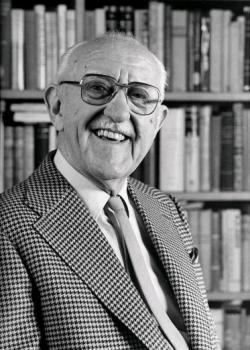
- Halldór Laxness