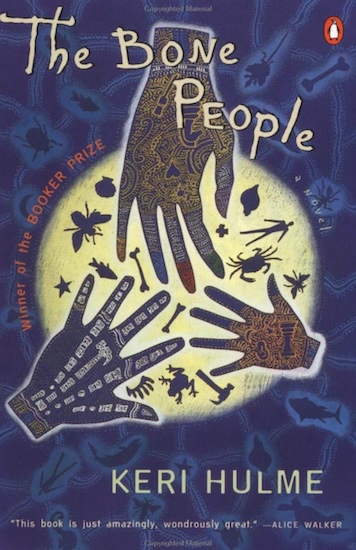
The Bone People
New Zealand

The Bone People

by Keri Hulme

Summary

The Bone People is a powerful, unconventional novel set on the rugged coast of New Zealand, exploring the complicated relationships between three isolated individuals: Kerewin Holmes, a reclusive artist; Simon, a mysterious mute child; and Joe, his Māori foster father. When their lives become intertwined, they form an unconventional family shaped by loneliness, affection, violence, and the desire for connection. Through experimental storytelling and elements of Māori mythology, Keri Hulme examines the tensions between Māori and Pākehā identities, the legacy of colonialism, and the possibility of healing after trauma. The novel challenges traditional ideas of family and belonging, portraying human relationships as both deeply destructive and potentially transformative. It won the Booker Prize in 1985.

Reviews

Login to leave a review.

No reviews yet. Be the first!
Keri Hulme
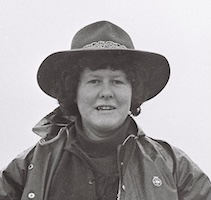
Keri Hulme

Keri Hulme (1947–2021) was a New Zealand writer and poet best known for her novel The Bone People (1984), which won the Booker Prize in 1985, making her the first New Zealand author to receive the award. Of Māori, English, and Scottish ancestry, Hulme drew inspiration from her connections to Māori culture, the landscapes of New Zealand’s South Island, and the country’s complex colonial history. Her writing explores identity, isolation, trauma, love, and the search for belonging, often blending Māori storytelling traditions with experimental narrative techniques and elements of myth. The Bone People examines the unconventional relationships between three troubled individuals, addressing family, violence, healing, and cultural identity. Hulme was also a poet and short-story writer whose work reflected her deep attachment to the natural world and her commitment to Māori cultural heritage.

View author page
Published
1986
Author
Keri Hulme