Literary Fiction

All countries Afghanistan Algeria Antigua and Barbuda Argentina Australia Austria Azerbaijan Bangladesh Barbados Belgium Benin Bosnia and Herzegovina Brazil Bulgaria Burkina Faso Burundi Cabo Verde Canada Central African Republic Chile China Colombia Congo, Democratic Republic Costa Rica Côte d’Ivoire (Ivory Coast) Croatia Cyprus Czech Republic Denmark Dominica Dominican Republic Egypt El Salvador Estonia Ethiopia France Germany Ghana Greece Hungary Iceland India Iran Iraq Ireland Italy Jamaica Japan Jordan Kazakhstan Kenya Kuwait Latvia Lebanon Libya Lithuania Madagascar Mexico Moldova Morocco Myanmar Netherlands New Zealand Nigeria North Korea North Macedonia Norway Oman Pakistan Palestine Philippines Poland Portugal Puerto Rico Russia Rwanda Saint Kitts and Nevis Saudi Arabia Senegal Singapore South Korea Spain Sri Lanka Sudan Sweden Switzerland Syria Taiwan Tanzania Thailand Türkiye Uganda United Arab Emirates United Kingdom United States Uzbekistan Vietnam Zambia
Newest first Oldest first
1
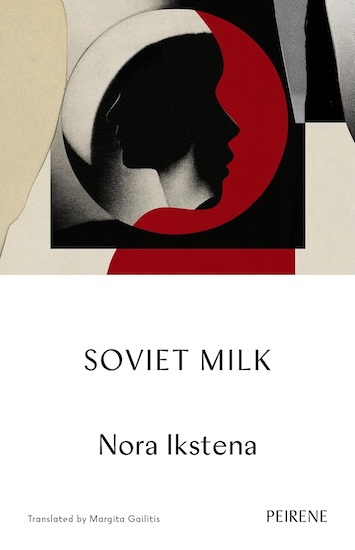
Soviet Milk
Soviet Milk
Nora Ikstena
Set in Soviet-occupied Latvia between 1969 and 1989, Soviet Milk tells the story of three generations of women whose lives are shaped by political oppression, emotional isolation, and the struggle for personal freedom. At its centre is a talented young gynaecologist who refuses to accept the restrictions imposed by the Soviet system. After a professional conflict with the authorities, she loses the career she has worked towards and is sent to practise medicine in the Latvian countryside. Increasingly withdrawn and unable to find meaning in her life, she struggles to connect with her daughter, who grows up feeling the weight of her mother’s unhappiness. The story alternates between the voices of the mother and daughter, revealing how political repression reaches into the most intimate corners of family life. While the mother retreats into despair, the daughter searches for understanding, belonging, and hope, finding emotional stability in the care of her grandmother. As Latvia approaches the restoration of its independence, the women’s personal struggles become intertwined with their country’s desire for liberation. Through its portrayal of a fractured mother-daughter relationship, Ikstena explores how authoritarian systems can damage individual lives across generations. Yet the novel also celebrates the resilience of women, the sustaining power of familial love, and the possibility of breaking free from inherited suffering.
Latvia 2015