Literary Fiction
All countries
Afghanistan
Algeria
Antigua and Barbuda
Argentina
Australia
Austria
Azerbaijan
Bangladesh
Barbados
Belgium
Benin
Bosnia and Herzegovina
Brazil
Bulgaria
Burkina Faso
Burundi
Cabo Verde
Canada
Central African Republic
Chile
China
Colombia
Congo, Democratic Republic
Costa Rica
Côte d’Ivoire (Ivory Coast)
Croatia
Cyprus
Czech Republic
Denmark
Dominica
Dominican Republic
Egypt
El Salvador
Estonia
Ethiopia
France
Germany
Ghana
Greece
Hungary
Iceland
India
Iran
Iraq
Ireland
Italy
Jamaica
Japan
Jordan
Kazakhstan
Kenya
Kuwait
Latvia
Lebanon
Libya
Lithuania
Madagascar
Mexico
Moldova
Morocco
Myanmar
Netherlands
New Zealand
Nigeria
North Korea
North Macedonia
Norway
Oman
Pakistan
Palestine
Philippines
Poland
Portugal
Puerto Rico
Russia
Rwanda
Saint Kitts and Nevis
Saudi Arabia
Senegal
Singapore
South Korea
Spain
Sri Lanka
Sudan
Sweden
Switzerland
Syria
Taiwan
Tanzania
Thailand
Türkiye
Uganda
United Arab Emirates
United Kingdom
United States
Uzbekistan
Vietnam
Zambia
1
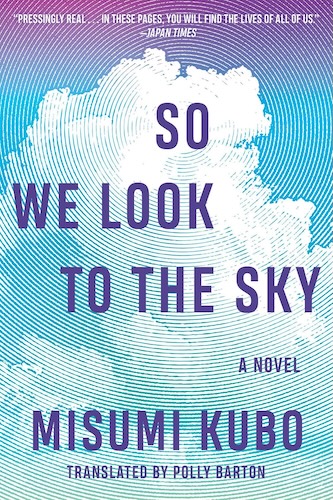
So We Look to the Sky
In contemporary Japan, one scandal connects the lives of five people struggling with desire, shame, loneliness, and the expectations placed upon them. When a young man’s affair with an older woman is exposed online, the fallout ripples through the lives of teenagers navigating first love, a married couple facing infertility, a young man caring for his grandmother with dementia, and a single mother working as a midwife. Through these interconnected stories, Misumi Kubo explores the intimate realities often hidden behind the surface of everyday life: the pressures on women’s bodies, the stigma surrounding sexuality, poverty, family obligations, and the desperate need for human connection. Unflinching yet deeply compassionate, this award-winning Japanese novel finds hope in the fragile, stubborn force of life itself.
Japan
2027
2
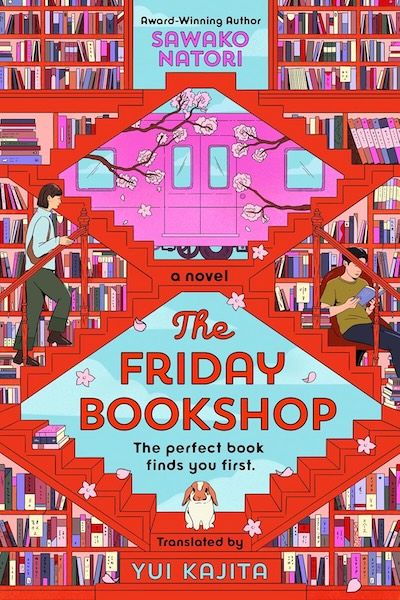
The Friday Bookshop
What if the perfect book found you exactly when you needed it most?
Hidden inside an ordinary train station north of Tokyo, the Friday Bookshop is said to have a special gift: it can lead readers to the book they need at that particular moment in their lives. Beyond its modest entrance lies an extraordinary underground library, built inside an abandoned subway platform, alongside a cosy café where the chef creates dishes inspired by literature.
When university student Fumiya arrives searching for a book for his seriously ill father, he expects little from the unassuming shop. But the eccentric trio who run it soon draw him into their world, and he begins working there part-time. Through the stories of visitors seeking comfort, answers, and connection, Fumiya discovers that books can do far more than entertain: they can help us understand ourselves and reach the people we love.
Warm, whimsical, and filled with literary treasures, The Friday Bookshop celebrates the quiet magic of reading and the unexpected friendships that grow around shared stories. It reminds us that sometimes the right book finds us just when we need it most.
Japan
2026
3
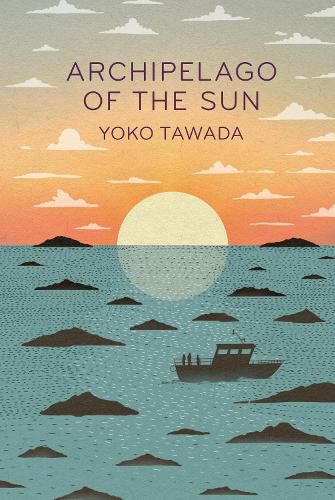
Archipelago of the Sun
In the concluding volume of Yoko Tawada’s imaginative Scattered All Over the Earth trilogy, Hiruko continues her search for her lost homeland, a country that seems to have disappeared from maps and from collective memory. Travelling aboard a mail boat across the Baltic Sea, she is accompanied by an unusual group of companions: Knut, a Danish linguist; Akash, an Indian man exploring gender identity; Nanook, a Greenlander and former sushi chef; Nora, a German museum worker concerned with social justice and the environment; and Susanoo, a mysterious Japanese cook. As the voyage unfolds, unexpected passengers—including figures from literature and mythology—complicate their journey and challenge their understanding of history, nationality and belonging. Blending surrealism, humour and philosophical speculation, Tawada explores how language shapes identity and how people build connections across cultural boundaries. The novel ultimately imagines belonging not as a fixed geographical inheritance, but as something that can emerge through dialogue, storytelling and shared experience.
Japan
2026
4
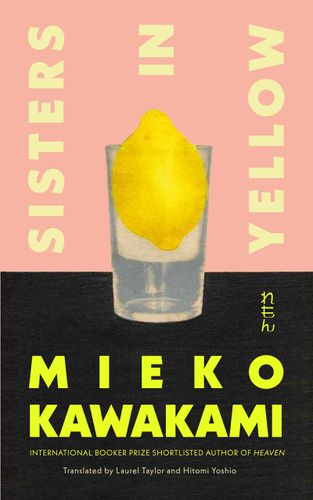
Sisters in Yellow
Fifteen-year-old Hana Ito lives with her young mother in a cramped Tokyo apartment, struggling with poverty and the uncertainty of a life without security. In the late 1990s, when Japan is grappling with economic stagnation, the future seems particularly bleak for those born without privilege. Then Hana meets Kimiko Yoshikawa, an older woman whose confidence and warmth offer her a glimpse of another possible life. Together, they establish Lemon, a modest bar that becomes a refuge for Hana and a place where she begins to imagine a future beyond mere survival.
As the business grows, Hana forms relationships with other young women who, like her, are trying to find their footing in a world that offers them few choices. But financial desperation, dangerous acquaintances, and difficult moral compromises gradually threaten the fragile community they have built. Decades later, news of a shocking criminal case involving Kimiko forces Hana to revisit the past and confront the consequences of decisions she has spent years trying to forget.
Blending crime fiction with an intimate portrait of female relationships, Kawakami explores poverty, ambition, betrayal, and the ways women struggle to protect one another in an unequal society. The novel asks how far people will go to survive—and whether the bonds formed in desperate circumstances can withstand the weight of time and guilt.
Japan
2026
5
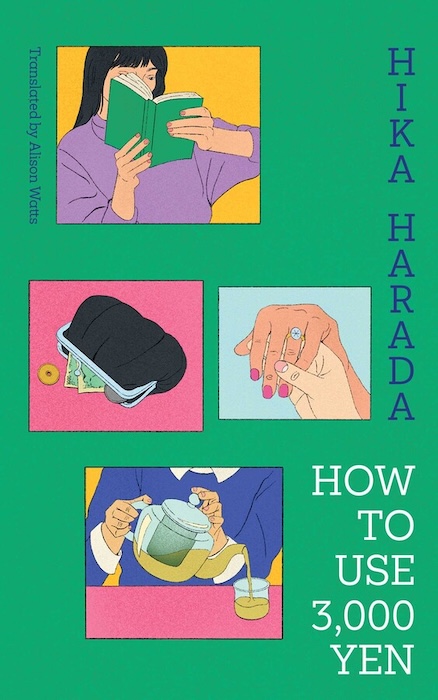
How To Use 3,000 Yen
How to Use 3,000 Yen follows three generations of women in the Mikuriya family as they navigate the financial and emotional challenges of everyday life. At the heart of the story is Miho, a young woman beginning her independent life and learning to manage her money. Her experiences connect with those of her older sister, Maho, their mother, Tomoko, and their grandmother, Kotoko, each of whom faces different questions about financial security, family responsibilities, and the future.
For the women of the Mikuriya family, money is more than a practical concern: it reflects their hopes, fears, relationships, and ideas about happiness. As they encounter unexpected expenses and major life changes, each must reconsider what it means to save wisely and live well.
With warmth and gentle humor, Hika Harada explores the relationship between money and personal freedom, showing how financial decisions shape the lives of women across generations. The novel offers a thoughtful portrait of contemporary Japanese society, where economic pressures intersect with family expectations and the desire for independence.
Japan
2026
6
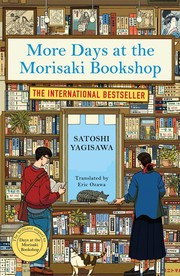
More Days at the Morisaki Bookshop
More Days at the Morisaki Bookshop continues the story of Takako, a young woman who found comfort and a new direction in life while living above her uncle’s second-hand bookshop in Tokyo. Having gradually rebuilt her confidence after a painful romantic disappointment, Takako becomes more involved in the lives of her uncle Satoru and aunt Momoko. When Momoko returns after a long absence, old emotions and unanswered questions emerge, prompting the family to reconsider the choices that have kept them apart. Takako also begins exploring new relationships and possibilities beyond the bookshop, discovering that healing does not mean leaving the past behind completely. Set in Tokyo’s book-loving Jinbōchō district, the novel celebrates literature, ordinary routines, and the quiet comfort of human connection. Yagisawa explores family bonds, emotional recovery, and the ways people create a sense of belonging through shared spaces and everyday acts of kindness.
Japan
2008
7
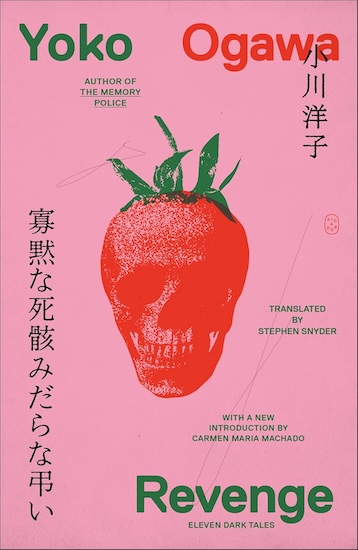
Revenge
A grieving mother visits a bakery to buy a strawberry cake for her son’s birthday. There is just one detail that makes the request impossible to forget: her son has been dead for years. From this quietly unsettling encounter, Yōko Ogawa begins weaving a world where ordinary lives conceal extraordinary darkness, and seemingly unrelated strangers are connected by secrets neither they nor the reader fully understand.
In Revenge: Eleven Dark Tales, a woman discovers a disturbing truth about her landlady, a surgeon becomes entangled in a web of jealousy and obsession, and a lonely craftsman finds himself drawn toward violence. Other characters drift through the stories like shadows, reappearing in unexpected places and revealing new layers to events that once seemed insignificant. A forgotten object, a peculiar conversation, or an unfamiliar face can become the thread connecting one nightmare to another.
Ogawa transforms everyday settings into something quietly menacing. Her prose is restrained and almost delicate, making the grotesque moments all the more disturbing. Rather than relying on sudden shocks, she builds dread through small details and unsettling coincidences, leaving the reader to piece together the hidden connections.
Beautifully eerie and psychologically intricate, Revenge explores grief, obsession, cruelty, and the darkness that can exist beneath the surface of ordinary life.
Japan
1998