Literary Fiction

All countries Afghanistan Algeria Antigua and Barbuda Argentina Australia Austria Azerbaijan Bangladesh Barbados Belgium Benin Bosnia and Herzegovina Brazil Bulgaria Burkina Faso Burundi Cabo Verde Canada Central African Republic Chile China Colombia Congo, Democratic Republic Costa Rica Côte d’Ivoire (Ivory Coast) Croatia Cyprus Czech Republic Denmark Dominica Dominican Republic Egypt El Salvador Estonia Ethiopia France Germany Ghana Greece Hungary Iceland India Iran Iraq Ireland Italy Jamaica Japan Jordan Kazakhstan Kenya Kuwait Latvia Lebanon Libya Lithuania Madagascar Mexico Moldova Morocco Myanmar Netherlands New Zealand Nigeria North Korea North Macedonia Norway Oman Pakistan Palestine Philippines Poland Portugal Puerto Rico Russia Rwanda Saint Kitts and Nevis Saudi Arabia Senegal Singapore South Korea Spain Sri Lanka Sudan Sweden Switzerland Syria Taiwan Tanzania Thailand Türkiye Uganda United Arab Emirates United Kingdom United States Uzbekistan Vietnam Zambia
Newest first Oldest first
1
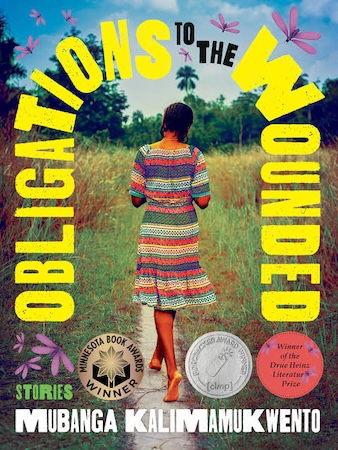
Obligations to the Wounded
Mubanga Kalimamukwento
In Obligations to the Wounded, Mubanga Kalimamukwento presents a collection of interconnected stories exploring the burdens, expectations, and contradictions that shape the lives of Zambian women and girls. Spanning different generations and geographical settings, the stories portray women negotiating the demands of family, religion, tradition, and community while struggling to preserve their individuality. Through formally inventive storytelling, Kalimamukwento explores subjects including intimate partner violence, migration, racial discrimination, the loss of language, sexuality, and the complicated relationships between mothers and daughters. Her characters inhabit worlds where inherited customs can offer a sense of belonging while simultaneously restricting personal freedom. Some seek escape; others attempt to reconcile their desires with the obligations imposed upon them. Moving between personal experiences and broader social questions, the collection examines what women owe their families and communities—and what they owe themselves. Kalimamukwento combines emotional sensitivity with sharp social observation, revealing how pain can be passed between generations but also how solidarity and self-determination can create possibilities for change. The result is a nuanced portrait of contemporary Zambian womanhood, including the experiences of Zambian women living abroad.
Zambia 2024