Fiction
All countries
Afghanistan
Albania
Antigua and Barbuda
Argentina
Armenia
Australia
Austria
Azerbaijan
Bahamas
Bahrain
Bangladesh
Barbados
Belarus
Belgium
Belize
Bhutan
Bosnia and Herzegovina
Brazil
Brunei
Bulgaria
Cabo Verde
Canada
Central African Republic
Chile
China
Congo, Democratic Republic
Croatia
Cuba
Czech Republic
Denmark
Djibouti
Dominica
Dominican Republic
Ecuador
Egypt
Fiji
Finland
France
Georgia
Germany
Greece
Hungary
Iceland
India
Indonesia
Iran
Iraq
Ireland
Italy
Jamaica
Japan
Jordan
Kazakhstan
Kenya
Kuwait
Kyrgyzstan
Lebanon
Libya
Malaysia
Mexico
Morocco
Netherlands
New Zealand
Nigeria
Norway
Oman
Pakistan
Palestine
Panama
Peru
Philippines
Poland
Portugal
Romania
Russia
Saudi Arabia
Senegal
Singapore
Slovenia
Somalia
South Korea
Spain
Sri Lanka
Sudan
Sweden
Switzerland
Syria
Taiwan
Tanzania
Thailand
Türkiye
Turkmenistan
Ukraine
United Arab Emirates
United Kingdom
United States
Uzbekistan
Yemen
Zambia
1
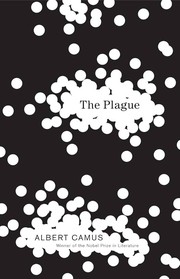
The Plague
The Plague takes place in the Algerian city of Oran, where an outbreak of bubonic plague gradually isolates the population from the outside world. Dr Bernard Rieux and other residents struggle to respond to the epidemic as deaths increase and everyday life becomes dominated by fear, separation, and uncertainty. As the city is placed under quarantine, its inhabitants react in different ways: some retreat into denial, others seek personal comfort, and many discover unexpected courage through acts of solidarity. Camus uses the epidemic to examine the human response to suffering and the moral responsibilities people have towards one another. Written in the aftermath of the Second World War, the novel is also widely read as an allegory of fascism and resistance. It explores collective responsibility, resilience, and the importance of fighting injustice even when victory remains uncertain.
France
1947
2
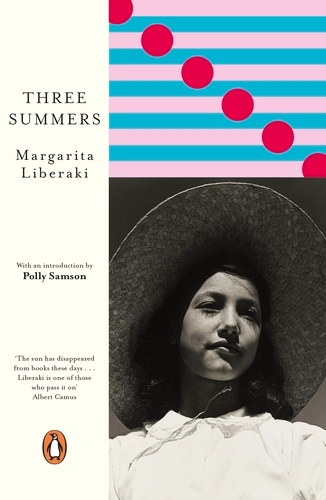
Three Summers
Set in the Greek countryside near Athens in the years before the Second World War, Three Summers follows three sisters as they navigate adolescence, love, desire, and the mysteries of family life. Maria, the eldest, is passionate and eager to marry and start a family; Infanta is beautiful, independent, and emotionally reserved; while Katerina, the youngest and the novel’s principal narrator, is dreamy, rebellious, and fascinated by the world around her. Across three summers, the sisters fall in love, keep secrets, observe the complicated relationships of adults, and begin to imagine the women they might become. Against a backdrop of sun-drenched gardens, olive groves, and long, languid afternoons, Margarita Liberaki captures the fleeting magic of youth and the bittersweet awareness that childhood cannot last forever. Tender, sensual, and nostalgic, this coming-of-age novel celebrates female independence, sisterhood, and the exhilarating uncertainty of growing up.
Greece
1946
3
Zorba the Greek
Zorba the Greek follows an unnamed intellectual who travels to Crete to reopen a lignite mine and encounters Alexis Zorba, an energetic and unconventional man who becomes his companion. Whereas the narrator approaches life through books, abstract ideas, and careful reflection, Zorba embraces physical experience, music, food, love, and spontaneous action. Their contrasting personalities lead to conversations about religion, mortality, morality, and the meaning of freedom. As they work together and become involved in the lives of local villagers, the narrator begins to question his detached approach to existence. Zorba’s exuberance offers an alternative to the intellectual’s tendency to analyse rather than participate in life. Kazantzakis explores the tension between thought and action, celebrating the courage to experience pleasure and sorrow without attempting to control every outcome. The novel ultimately asks what it means to live fully despite the inevitability of loss.
Greece
1946
4
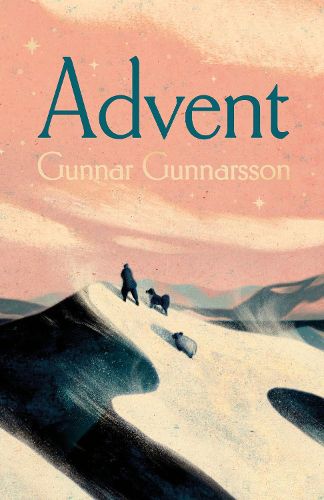
Advent
Every winter, in the days leading up to Christmas, Benedikt, a humble Icelandic shepherd, ventures into the mountains to rescue sheep stranded in the snow. Accompanied by his faithful dog and a stubborn old ram, he travels through a landscape of blizzards, frozen valleys and treacherous mountain passes, driven by a deep sense of responsibility toward vulnerable living creatures. His annual journey is physically demanding and potentially fatal, yet Benedikt accepts its hardships as an essential part of his life. Against the vastness and brutality of Iceland’s winter wilderness, his quiet determination becomes an extraordinary expression of compassion, humility and spiritual devotion. Blending the simplicity of a fable with vivid descriptions of the natural world, Gunnarsson creates a meditation on human endurance and the relationship between people and nature. Advent is both a portrait of an individual guided by kindness and a celebration of the profound peace that can be found in a life devoted to helping others.
Iceland
1940
5
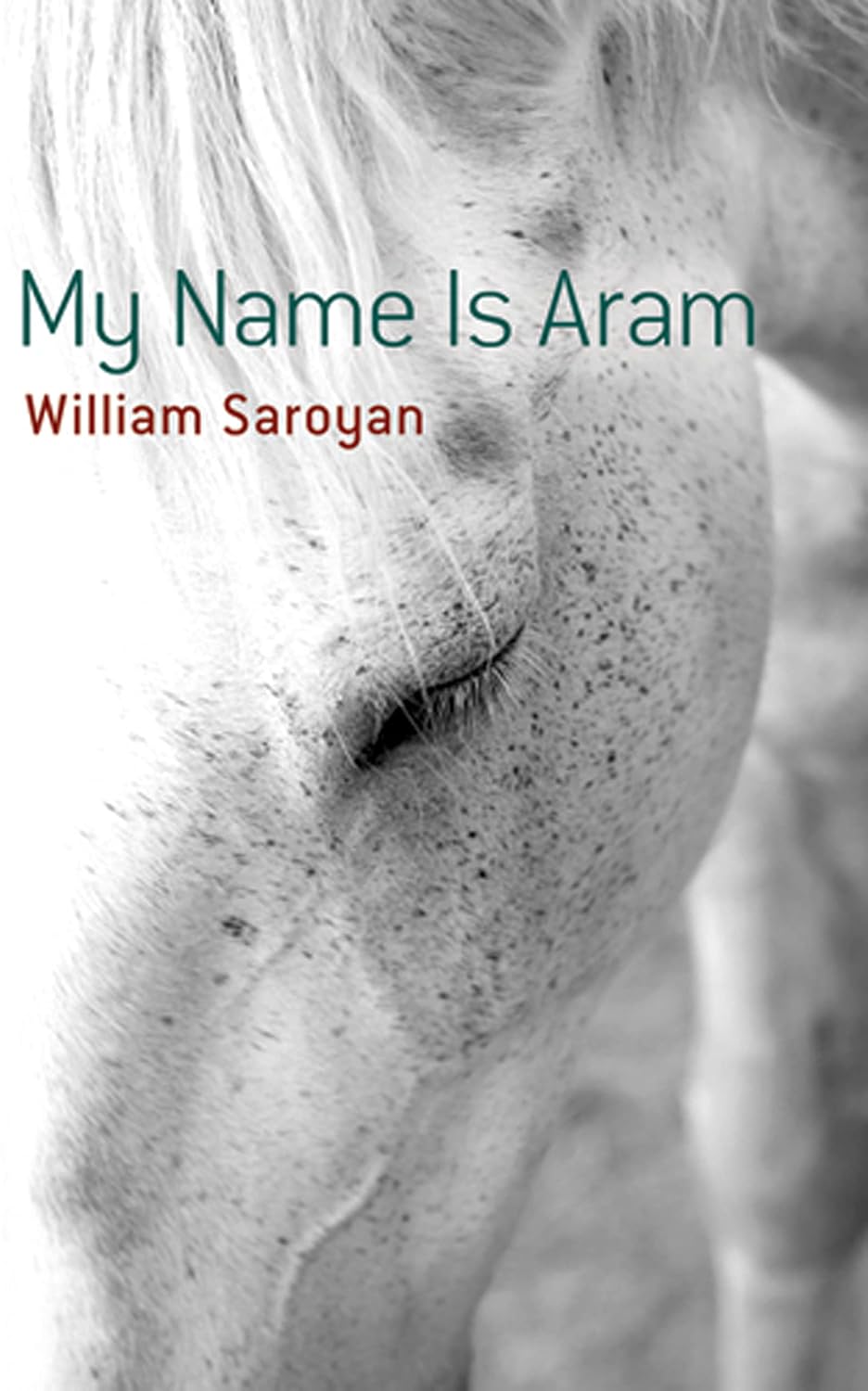
My Name Is Aram
My Name Is Aram is a collection of interconnected stories narrated by Aram Garoghlanian, a young Armenian American boy growing up in California’s San Joaquin Valley. Through his observations of family members, neighbours, and fellow members of the Armenian immigrant community, Aram discovers the contradictions and wonders of adult life. His relatives are often eccentric, proud, impulsive, and fiercely attached to their heritage, providing him with lessons about generosity, ambition, family loyalty, and human imperfection. Saroyan combines humour with tenderness, portraying a community attempting to preserve its cultural identity while adapting to life in a new country. The stories celebrate the ordinary experiences that shape childhood and the resilience of immigrant families, capturing how language, memory, and shared traditions help maintain a connection to ancestral roots across generations.
Armenia
1940
6
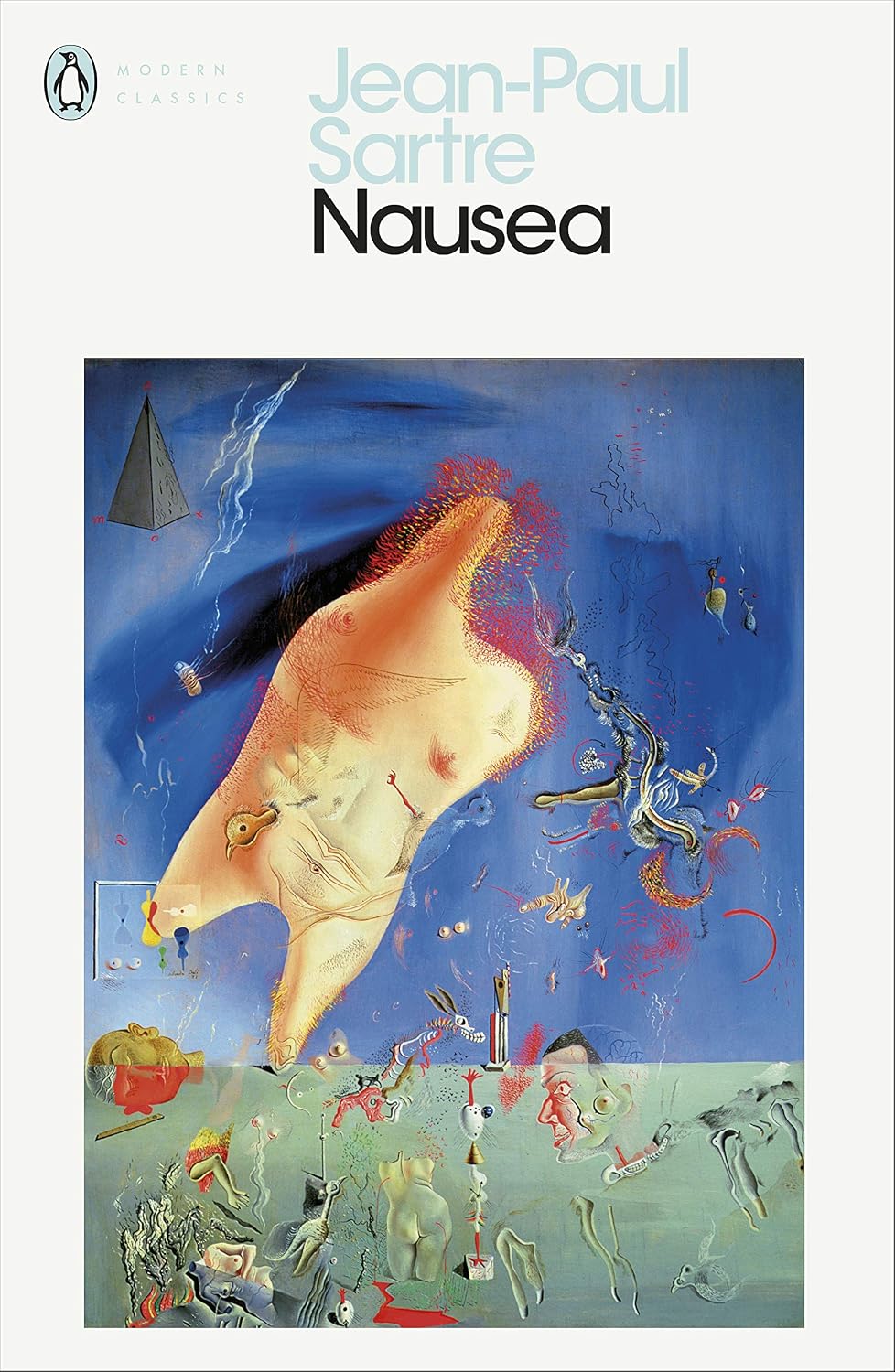
Nausea
A fascinating existentialist novel, written in the form of a journal, about a historian who moves to a small port in northern France to research a biography he is intending to write. Whilst there his senses become dulled and he becomes increasingly disgusted by his own existence, finding no solace with friends or a woman he begins an affair with.
France
1938
7
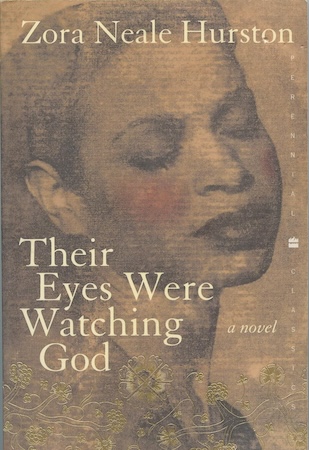
Their Eyes Were Watching God
Set in the early twentieth-century American South, Their Eyes Were Watching God follows Janie Crawford, an African American woman searching for love, independence, and a life she can call her own. Returning to her hometown of Eatonville, Florida, after a long absence, Janie faces the curiosity and judgment of her neighbours. Through a conversation with her friend Pheoby, she begins to recount the experiences that have shaped her.
Raised by her grandmother, who dreams of securing her future through marriage, Janie enters a series of relationships that teach her painful lessons about power, gender, and self-worth. Her first two marriages offer security and social status but leave little room for her voice or desires. It is only when she meets Tea Cake, a younger man who introduces her to a world of spontaneity, friendship, and adventure, that she begins to experience a more expansive kind of love.
Hurston’s novel is a landmark of African American literature, celebrated for its rich use of Black Southern dialect, folklore, and storytelling traditions. Through Janie’s journey, it explores the intersections of race, gender, class, and personal freedom, ultimately affirming a woman’s right to define herself beyond the expectations of others.
United States
1937
8
Snow Country
Snow Country follows Shimamura, a wealthy Tokyo man who repeatedly visits a remote hot-spring town in Japan’s snowy mountains. There he develops a complicated relationship with Komako, a young geisha whose emotional commitment contrasts with his detached approach to life. Their encounters unfold against a landscape of snow-covered villages, quiet inns, and winter journeys that intensify the novel’s atmosphere of beauty and isolation. Shimamura is also fascinated by Yōko, another woman whose presence complicates his relationship with Komako. Through restrained dialogue and delicate descriptions of the natural world, Kawabata explores desire, loneliness, and the distance between people who cannot fully understand one another. The novel examines the tension between emotional attachment and detachment, revealing how beauty can coexist with sadness and how fleeting encounters can leave lasting impressions.美的に抽出されて描かれている。
Japan
1937
9
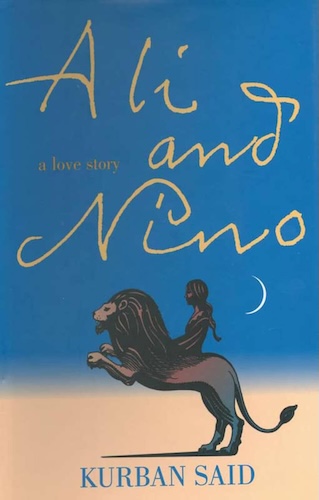
Ali and Nino
Set in Baku during the early twentieth century, Ali and Nino tells the story of Ali Khan Shirvanshir, a Muslim Azerbaijani aristocrat, and Nino Kipiani, a Christian Georgian woman. Despite their different cultural and religious backgrounds, the two fall deeply in love and imagine a future together. Their relationship unfolds against the backdrop of the First World War, the Russian Revolution, and the brief independence of Azerbaijan. As political conflict transforms the Caucasus, Ali and Nino must navigate competing expectations about marriage, tradition, religion, and personal freedom. Their romance becomes a reflection of the wider tensions between Eastern and Western influences in the region. Through their relationship, the novel explores cultural identity, loyalty, and the difficulty of preserving private happiness when history threatens to reshape an entire society.
Azerbaijan
1937
10
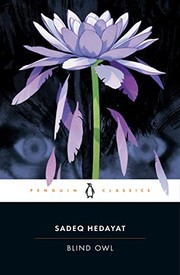
Blind Owl
The Blind Owl is a landmark of modern Persian literature, exploring obsession, alienation, and the fragile boundary between reality and imagination. The novella follows an unnamed narrator, a reclusive artist who paints pen cases and becomes consumed by the image of a mysterious, beautiful woman. After an unsettling encounter with her, he recounts a series of disturbing events in a fragmented, dreamlike narrative that gradually dissolves into hallucination, violence, and psychological torment.
Divided into two interconnected sections, the story moves between seemingly different realities, repeating images and experiences in ways that make it difficult to distinguish memory from fantasy. The narrator’s isolation deepens as he becomes trapped in cycles of obsession and despair, addressing his thoughts to a shadow resembling an owl.
Through surreal imagery and an unreliable narrator, Hedayat explores loneliness, mortality, and the disintegration of identity. Dark and unsettling, the novella remains a powerful examination of the human mind and the impossibility of escaping one’s inner world.
Iran
1937
11
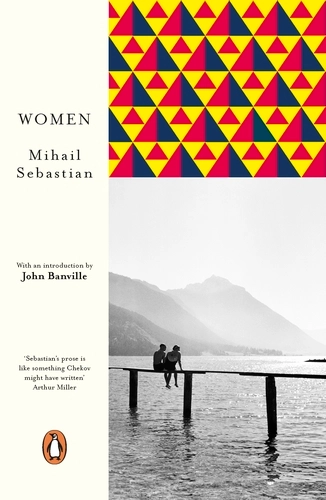
Women
Originally published in 1933 as Femei, Mihail Sebastian’s Women explores love, desire, emotional independence, and the elusive nature of human relationships in interwar Europe. Structured as four interconnected stories, the novel follows Ștefan Valeriu, a young Romanian medical student whose encounters with women gradually reveal the contradictions of romantic attachment. From a summer resort in the French Alps to the sophisticated social circles of Paris, Ștefan becomes involved with women of different ages, temperaments, and expectations. Each relationship offers him a different experience of intimacy, from flirtation and seduction to vulnerability, rejection, and regret. Yet his desire to preserve his freedom repeatedly conflicts with his longing for connection. Through subtle psychological observations and an exploration of the shifting balance of power between lovers, Sebastian examines how people construct their identities through relationships and how every choice closes the door on other possible lives. Elegant, introspective, and occasionally melancholic, Women offers a portrait of romantic relationships in which love is as much about self-discovery as it is about understanding another person.
Romania
1933
12
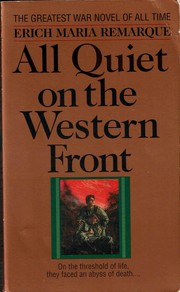
All Quiet on the Western Front
All Quiet on the Western Front follows Paul Bäumer, a young German soldier who enlists in the First World War alongside his school friends after being encouraged by patriotic teachers. Once at the front, the young men discover that the heroic ideals used to recruit them bear little resemblance to the reality of trench warfare. Constant bombardment, hunger, exhaustion, and the loss of comrades gradually destroy their innocence and their faith in the society that sent them to fight. When Paul returns home on leave, he finds himself unable to reconnect with civilians who cannot understand his experiences. Remarque portrays war as a force that damages not only bodies but also the emotional and moral foundations of a generation. The novel explores trauma, disillusionment, and the devastating distance between military rhetoric and the human cost of conflict.
Germany
1929