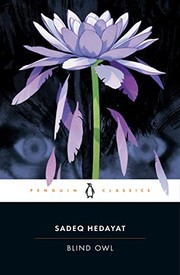
Blind Owl
Summary
The Blind Owl is a landmark of modern Persian literature, exploring obsession, alienation, and the fragile boundary between reality and imagination. The novella follows an unnamed narrator, a reclusive artist who paints pen cases and becomes consumed by the image of a mysterious, beautiful woman. After an unsettling encounter with her, he recounts a series of disturbing events in a fragmented, dreamlike narrative that gradually dissolves into hallucination, violence, and psychological torment.
Divided into two interconnected sections, the story moves between seemingly different realities, repeating images and experiences in ways that make it difficult to distinguish memory from fantasy. The narrator’s isolation deepens as he becomes trapped in cycles of obsession and despair, addressing his thoughts to a shadow resembling an owl.
Through surreal imagery and an unreliable narrator, Hedayat explores loneliness, mortality, and the disintegration of identity. Dark and unsettling, the novella remains a powerful examination of the human mind and the impossibility of escaping one’s inner world.
Reviews
Login to leave a review.
No reviews yet. Be the first!
You might also like

- Published
- 1937
- Author
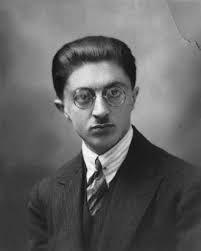
- Ṣādiq Hidāyat