Fiction
All countries
Afghanistan
Albania
Antigua and Barbuda
Argentina
Armenia
Australia
Austria
Azerbaijan
Bahamas
Bahrain
Bangladesh
Barbados
Belarus
Belgium
Belize
Bhutan
Bosnia and Herzegovina
Brazil
Brunei
Bulgaria
Cabo Verde
Canada
Central African Republic
Chile
China
Congo, Democratic Republic
Croatia
Cuba
Czech Republic
Denmark
Djibouti
Dominica
Dominican Republic
Ecuador
Egypt
Fiji
Finland
France
Georgia
Germany
Greece
Hungary
Iceland
India
Indonesia
Iran
Iraq
Ireland
Italy
Jamaica
Japan
Jordan
Kazakhstan
Kenya
Kuwait
Kyrgyzstan
Lebanon
Libya
Malaysia
Mexico
Morocco
Netherlands
New Zealand
Nigeria
Norway
Oman
Pakistan
Palestine
Panama
Peru
Philippines
Poland
Portugal
Romania
Russia
Saudi Arabia
Senegal
Singapore
Slovenia
Somalia
South Korea
Spain
Sri Lanka
Sudan
Sweden
Switzerland
Syria
Taiwan
Tanzania
Thailand
Türkiye
Turkmenistan
Ukraine
United Arab Emirates
United Kingdom
United States
Uzbekistan
Yemen
Zambia
1
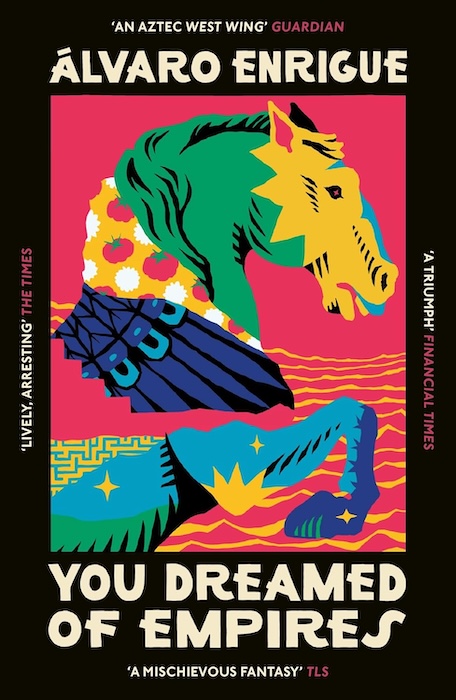
You Dreamed of Empires
Set in 1519, You Dreamed of Empires imagines the encounter between Spanish conquistador Hernán Cortés and Aztec ruler Moctezuma in the magnificent city of Tenochtitlan. Rather than presenting the conquest as a straightforward story of European victory, Enrigue focuses on the political manoeuvring, cultural misunderstandings, and competing ambitions surrounding this pivotal meeting. Through shifting perspectives and dark humour, the novel portrays the Spanish as vulnerable outsiders entering a sophisticated civilisation whose inhabitants have their own political struggles and visions of the future. Its dreamlike atmosphere unsettles familiar historical narratives, exposing the uncertainty and violence beneath the language of conquest. Enrigue reimagines a defining moment in Mexican history while questioning how empires construct stories about power, civilisation, and inevitable victory.
Mexico
2024
2
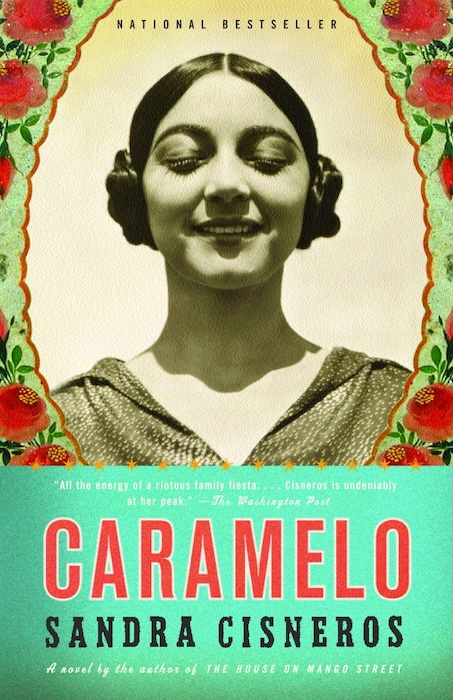
Caramelo
Caramelo follows Lala Reyes, a Mexican American girl who recounts her family’s history through generations of memories, stories, and secrets. During annual summer trips from Chicago to Mexico City, Lala becomes fascinated by her grandmother, Soledad, whose life story reveals the complexities of family relationships, cultural traditions, and personal sacrifice. As Lala pieces together her family’s past, she discovers that memory is often unreliable and that different generations tell conflicting versions of the same events. Moving between Mexico and the United States, the novel explores immigration, identity, love, and the tensions between tradition and independence. Through humor, vivid storytelling, and a rich blend of English and Spanish, Sandra Cisneros celebrates the complexities of Mexican American heritage while examining how family stories shape our understanding of ourselves and where we belong.
Mexico
2002
3
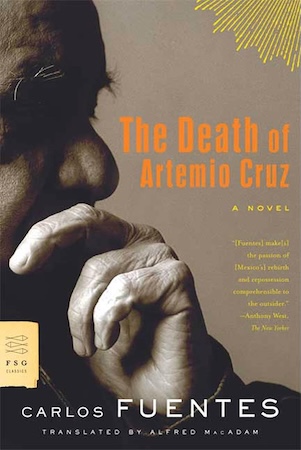
The Death of Artemio Cruz
On his deathbed, Artemio Cruz, a wealthy and powerful Mexican businessman, looks back over a life built on ambition, betrayal, and corruption. Once a young soldier fighting in the Mexican Revolution, he began with ideals of justice and freedom. But as the years passed, he traded those ideals for wealth and influence, exploiting the very people the revolution had promised to liberate.
Through fragmented memories spanning several decades, Fuentes reconstructs Cruz’s rise from a young revolutionary to a ruthless political and economic power broker. His recollections reveal lost love, compromised loyalties, and the personal sacrifices behind his success. As his body fails, he must confront the gulf between the man he once hoped to become and the man he has made himself.
Experimenting with shifting perspectives and a nonlinear narrative, Fuentes transforms one man’s final hours into a sweeping portrait of twentieth-century Mexico. The novel exposes how revolutions can betray their promises, how power corrupts, and how personal ambition can become inseparable from a nation’s troubled history. Both a psychological reckoning and a fierce political critique, The Death of Artemio Cruz asks what remains of a person’s ideals when the pursuit of power has consumed everything else.
Mexico
1962