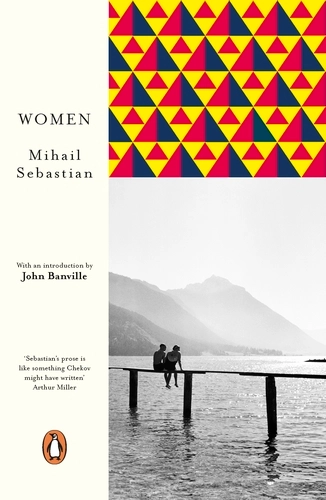
Women
Summary
Originally published in 1933 as Femei, Mihail Sebastian’s Women explores love, desire, emotional independence, and the elusive nature of human relationships in interwar Europe. Structured as four interconnected stories, the novel follows Ștefan Valeriu, a young Romanian medical student whose encounters with women gradually reveal the contradictions of romantic attachment. From a summer resort in the French Alps to the sophisticated social circles of Paris, Ștefan becomes involved with women of different ages, temperaments, and expectations. Each relationship offers him a different experience of intimacy, from flirtation and seduction to vulnerability, rejection, and regret. Yet his desire to preserve his freedom repeatedly conflicts with his longing for connection. Through subtle psychological observations and an exploration of the shifting balance of power between lovers, Sebastian examines how people construct their identities through relationships and how every choice closes the door on other possible lives. Elegant, introspective, and occasionally melancholic, Women offers a portrait of romantic relationships in which love is as much about self-discovery as it is about understanding another person.
Reviews
Login to leave a review.
No reviews yet. Be the first!
You might also like

- Published
- 1933
- Author
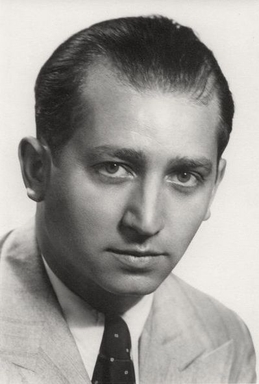
- Mihail Sebastian