Fiction
All countries
Afghanistan
Albania
Antigua and Barbuda
Argentina
Armenia
Australia
Austria
Azerbaijan
Bahamas
Bahrain
Bangladesh
Barbados
Belarus
Belgium
Belize
Bhutan
Bosnia and Herzegovina
Brazil
Brunei
Bulgaria
Cabo Verde
Canada
Central African Republic
Chile
China
Congo, Democratic Republic
Croatia
Cuba
Czech Republic
Denmark
Djibouti
Dominica
Dominican Republic
Ecuador
Egypt
Fiji
Finland
France
Georgia
Germany
Greece
Hungary
Iceland
India
Indonesia
Iran
Iraq
Ireland
Italy
Jamaica
Japan
Jordan
Kazakhstan
Kenya
Kuwait
Kyrgyzstan
Lebanon
Libya
Malaysia
Mexico
Morocco
Netherlands
New Zealand
Nigeria
Norway
Oman
Pakistan
Palestine
Panama
Peru
Philippines
Poland
Portugal
Romania
Russia
Saudi Arabia
Senegal
Singapore
Slovenia
Somalia
South Korea
Spain
Sri Lanka
Sudan
Sweden
Switzerland
Syria
Taiwan
Tanzania
Thailand
Türkiye
Turkmenistan
Ukraine
United Arab Emirates
United Kingdom
United States
Uzbekistan
Yemen
Zambia
1
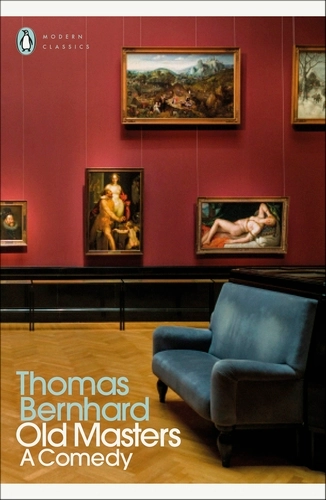
Old Masters: A Comedy
For more than thirty years, music critic Reger has returned to the same bench in Vienna’s Kunsthistorisches Museum to contemplate a painting by Tintoretto. But he is not there simply to admire art: he studies masterpieces in search of their imperfections, convinced that nothing created by human hands can be truly flawless. Through his friend Atzbacher, we encounter Reger’s fiercely critical mind, his grief over the death of his wife, and his contempt for the hypocrisies of Austrian society. Over the course of a single day, art becomes the starting point for a merciless examination of culture, philosophy, nationalism, and the absurdities of human existence. Darkly comic and deliberately provocative, Bernhard’s novel challenges the reverence we attach to great artists and celebrated institutions, suggesting that sometimes the only honest response to perfection is to question it.
Austria
1985
2
Blood Meridian
Set in the American Southwest and northern Mexico during the 1840s, Blood Meridian follows a nameless teenager known as the Kid as he joins a violent band of scalp hunters operating along the frontier. The group, led by the ruthless Captain Glanton and accompanied by the enigmatic Judge Holden, travels through landscapes marked by poverty, conflict, and brutality. Their journey exposes the violence underpinning territorial expansion and the mythology of the American West. McCarthy’s stark, biblical prose transforms the frontier into a world where cruelty seems almost elemental and human life is treated as expendable. The novel challenges romantic ideas of conquest and civilisation, exploring violence as both a historical force and a disturbing aspect of human existence.
United States
1985
3

Annie John
Set on the Caribbean island of Antigua, Annie John follows a young girl as she grows from childhood into adolescence. Annie is deeply attached to her mother, whom she initially regards as her closest companion and model for adulthood. As she matures, however, their relationship becomes increasingly strained, and Annie begins to struggle with questions of independence, identity, and belonging. Her experiences at school, friendships, and growing awareness of death and sexuality complicate her understanding of the world. Jamaica Kincaid explores the painful transition from childhood intimacy to adult separation, while also drawing parallels between Annie’s personal rebellion and Antigua’s colonial history. The novel is an intimate portrait of a young woman learning to define herself beyond the expectations of family and society.
Antigua and Barbuda
1985
4
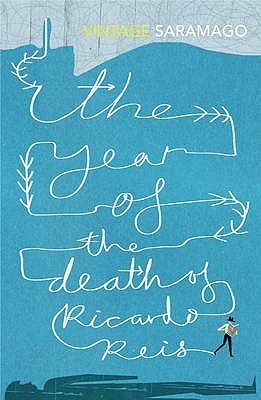
The Year of the Death of Ricardo Reis
Set in Lisbon in 1936, The Year of the Death of Ricardo Reis follows Ricardo Reis, a doctor and poet who returns to Portugal after sixteen years in Brazil, having learned of the death of the poet Fernando Pessoa. Reis is one of Pessoa’s fictional literary alter egos, brought to life by Saramago as a character who must navigate a world increasingly shaped by political turmoil.
Staying in a Lisbon hotel, Reis spends his days wandering the city, reading newspapers, writing poetry, and becoming involved with two women: Lídia, a hotel maid, and Marcenda, a young woman with a paralysed left hand. He is also visited by the ghost of Pessoa, with whom he discusses literature, life, and death.
Beyond Reis’s private existence, Portugal is living under António de Oliveira Salazar’s authoritarian regime, while fascism is spreading across Europe and the Spanish Civil War is approaching. Through Reis’s detached observations, Saramago examines the tension between individual contemplation and historical responsibility. Blending philosophical reflection, political commentary, and the uncanny, the novel explores mortality, isolation, and the difficulty of remaining a passive observer in a world marked by injustice.
Portugal
1984
5
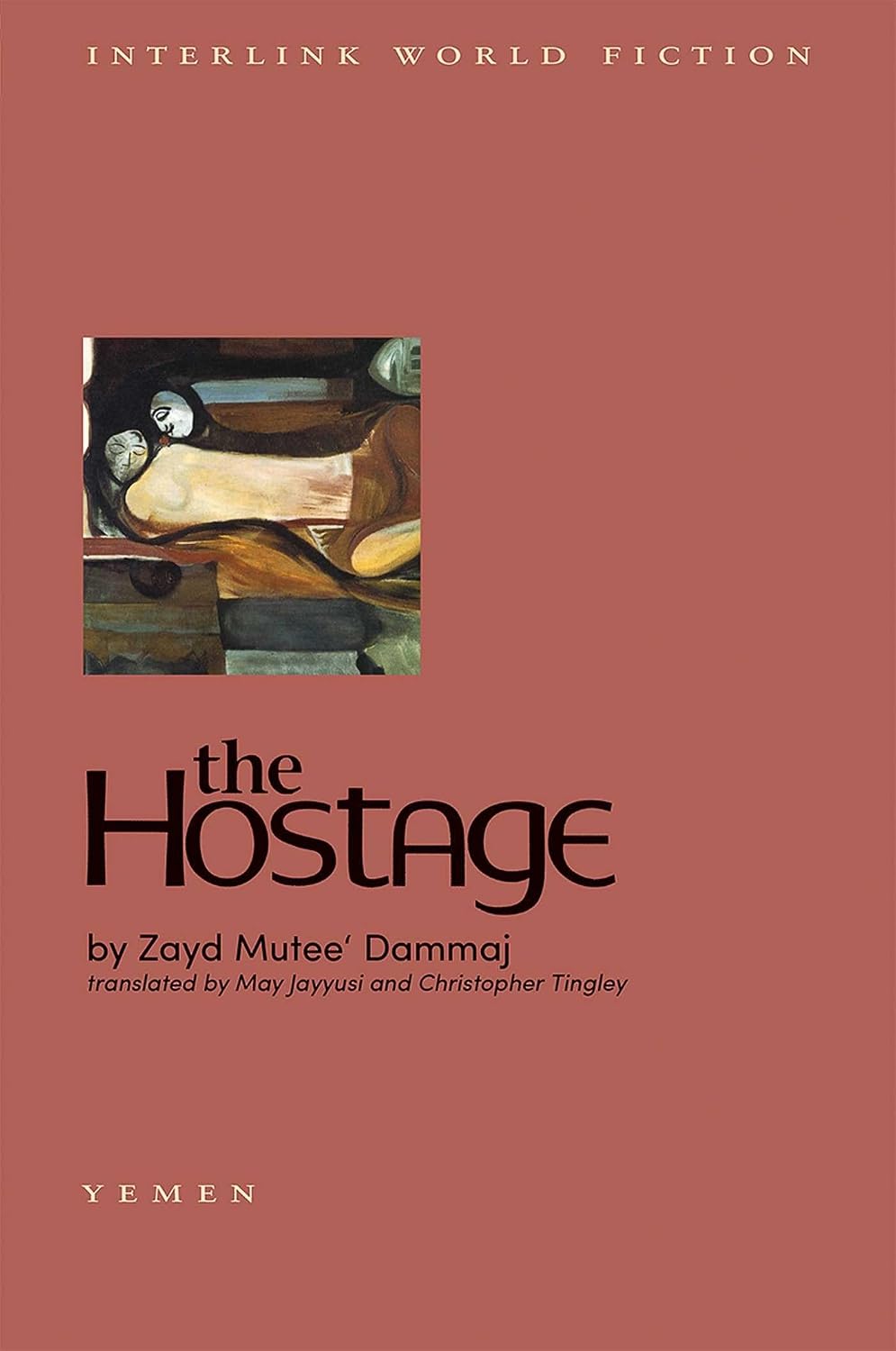
The hostage
Set in Yemen in the 1940s, before the revolution that ended the country’s imamate system, The Hostage follows an unnamed adolescent boy who is taken from his family and held as a hostage to guarantee his father’s political loyalty to the ruling Imam. Transferred to the governor’s palace in Taiz, he becomes a young attendant serving the palace’s inhabitants, gradually discovering the complex relationships, privileges, and abuses that shape their world.
Through the boy’s experiences, Dammaj exposes the cruelty of an authoritarian political system in which ordinary people are denied autonomy and treated as instruments of power. As the protagonist develops emotionally and becomes increasingly aware of his circumstances, his desire for independence grows. Blending personal coming-of-age with political satire, the novel offers a powerful portrait of oppression, social hierarchy, and the human longing for freedom. First published in Arabic as Al-Rahina, it is considered a landmark of modern Yemeni literature.
Yemen
1984
6
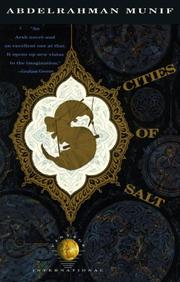
Cities of Salt
Cities of Salt is the first novel in Abdul Rahman Munif’s celebrated quintet exploring the transformation of the Arabian Peninsula following the discovery of oil. Set in a fictional oasis community in the Arabian Gulf, the story begins when foreign oil companies arrive and begin exploiting the region’s natural resources. Their presence disrupts the traditional way of life, forcing local inhabitants to confront unfamiliar technologies, new economic structures, and the growing influence of foreign powers.
Through the experiences of villagers, merchants, tribal leaders, and migrant workers, Munif portrays the profound social and cultural upheaval caused by rapid modernisation. As oil wealth transforms the landscape, longstanding relationships and communal traditions begin to fracture, while new hierarchies of power emerge. The novel examines the consequences of economic exploitation, environmental destruction, and political domination, revealing how entire communities can be reshaped by forces beyond their control. With its expansive narrative and collective cast of characters, Cities of Salt offers a powerful reflection on the human costs of oil-driven development and the disappearance of traditional ways of life.
Saudi Arabia
1984
7

The Lover
The Lover is an autobiographical novel set in French colonial Indochina in the late 1920s. It follows a fifteen-year-old French girl from a financially struggling family who begins a relationship with a wealthy Chinese man several years older than her. Their encounter takes place against a backdrop of racial divisions, colonial hierarchies, and social conventions that shape their lives and determine how their relationship is perceived.
Through fragmented memories and lyrical, introspective prose, Marguerite Duras explores desire, shame, power, and the complicated dynamics of intimacy. The narrator’s relationship with her lover becomes entangled with her difficult family life, particularly her strained relationship with her mother and brothers. As she reflects on the experience from adulthood, memory transforms the story into an examination of how love and sexuality shape identity. Both intimate and unsentimental, the novel reveals the inequalities embedded in colonial society while questioning the boundaries between personal history, desire, and the stories people tell about their past.
France
1984
8
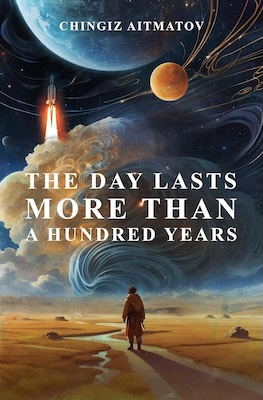
The Day Lasts More than a Hundred Years
Set in the vast Central Asian steppe, The Day Lasts More Than a Hundred Years begins with the death of Kazangap, a railway worker whose longtime friend, Edigei, undertakes to carry him to his ancestral burial ground. During the journey, Edigei remembers their lives together and the transformations that have reshaped their community under Soviet rule. Their destination, however, is blocked by a restricted military zone, turning a simple act of mourning into a confrontation with a world increasingly governed by impersonal authority.
As the narrative unfolds, Aitmatov interweaves the characters’ memories with Kazakh legends, reflections on cultural heritage, and a science-fiction storyline involving contact with an extraterrestrial civilization. These seemingly distant narratives converge around questions of memory, humanity, and the dangers of forgetting one’s past.
The novel examines how political power, technological ambition, and ideological conformity can erode cultural identity and human dignity. Drawing on the oral traditions of the steppe while imagining humanity’s future among the stars, Aitmatov creates an ambitious meditation on what it means to remain human in a rapidly changing world.
Kyrgyzstan
1983
9
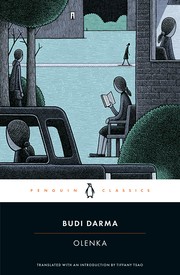
Olenka
Olenka is a modern Indonesian novel by Budi Darma that explores obsession, loneliness, and the elusive nature of human relationships. The story follows Fanton Drummond, an Indonesian man living in an American city, who becomes fascinated by a mysterious woman named Olenka. His attraction develops into an increasingly complicated psychological pursuit as he attempts to understand her personality, her past, and her motivations. However, Olenka remains difficult to comprehend, resisting the idealised image Fanton constructs of her. Through fragmented encounters, introspection, and philosophical reflections, Darma examines the distance between reality and imagination, questioning whether we can ever truly understand another person. Blending psychological fiction with existential themes, the novel explores alienation, desire, and the instability of personal identity, while reflecting on the absurdities and uncertainties of modern life.
Indonesia
1983
10
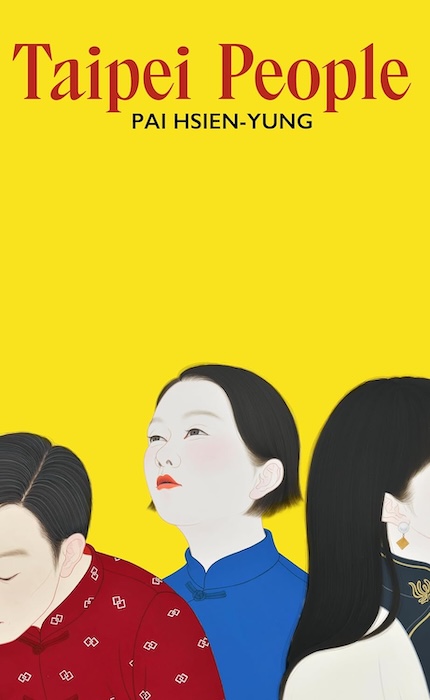
Taipei People
Taipei People is a collection of fourteen short stories portraying the lives of people who fled mainland China for Taiwan following the Chinese Civil War in 1949. Set primarily in Taipei, the stories follow former aristocrats, military officers, performers, and other displaced individuals as they struggle to adapt to a new society while remaining emotionally attached to the world they left behind.
Through characters haunted by memories of lost homes, vanished social positions, and past relationships, Pai Hsien-yung explores the experience of exile and the passage of time. Formerly celebrated figures confront aging and declining fortunes, while younger characters inherit the emotional burdens of a history they barely understand. Their private struggles reflect the wider transformations of Chinese society during the twentieth century.
Combining psychological depth with elegant, modernist storytelling, the collection examines nostalgia, displacement, loneliness, and the impossibility of returning to the past. Taipei becomes both a refuge and a place of alienation, inhabited by people who are physically present but remain inwardly connected to another time and place. Widely regarded as a classic of Taiwanese literature, Taipei People offers a moving portrait of lives shaped by historical upheaval and the enduring longing for home.
Taiwan
1982
11
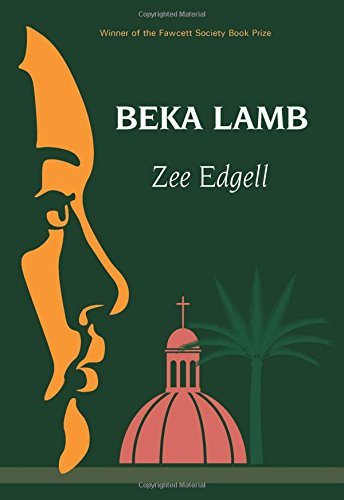
Beka Lamb
Set in Belize during the late 1950s, Beka Lamb follows a young girl growing up in a society approaching political independence from Britain. Beka struggles at school and initially disappoints her family, but a friendship with Toycie, an older girl whose life takes a tragic turn, forces her to confront the consequences of social expectations and limited opportunities for women. As Beka matures, she begins to understand the inequalities and cultural tensions shaping her community. Her personal development unfolds alongside Belize’s growing national consciousness, linking the challenges of adolescence with the struggle for self-determination. Edgell presents a vivid portrait of everyday life in Belize, exploring education, family, friendship, and the importance of preserving cultural identity while imagining a different future.
Belize
1982
12
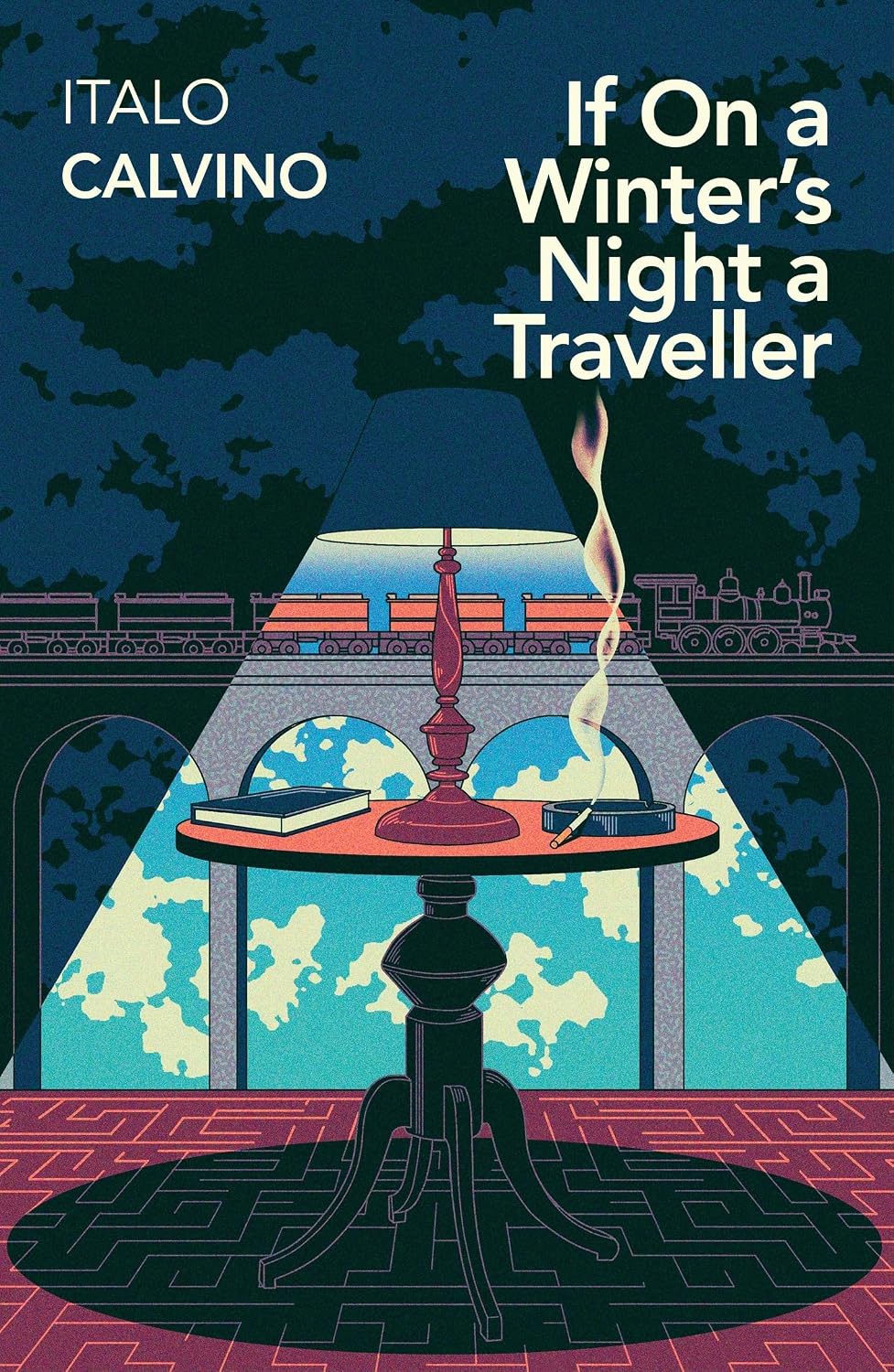
If on a Winter's Night a Traveler
If on a winter’s night a traveler is an experimental novel that places the reader at the centre of the story. It begins with a reader attempting to enjoy a new book by Italo Calvino, only to discover that the text is incomplete. As the reader searches for the missing continuation, they encounter a series of other novels, each beginning in a different literary style but ending abruptly. Along the way, the reader becomes involved with Ludmilla, another reader who shares the desire to discover how the stories conclude. Calvino turns the act of reading into an adventure, examining the relationship between authors, readers, and the books they create together. The novel explores curiosity, interpretation, and the human desire for narrative closure, playfully questioning whether a story’s meaning lies in its ending, its beginning, or the experience of reading itself.
Italy
1982