Non-Fiction
All countries
Albania
Algeria
Belarus
Bhutan
Bosnia and Herzegovina
Botswana
Burkina Faso
Cambodia
China
Congo, Democratic Republic
Cuba
Cyprus
Egypt
France
Ghana
India
Iran
Ireland
Jamaica
Japan
Pakistan
Palestine
Russia
Taiwan
Tanzania
Türkiye
Turkmenistan
Ukraine
United Kingdom
United States
Yemen
Zambia
1
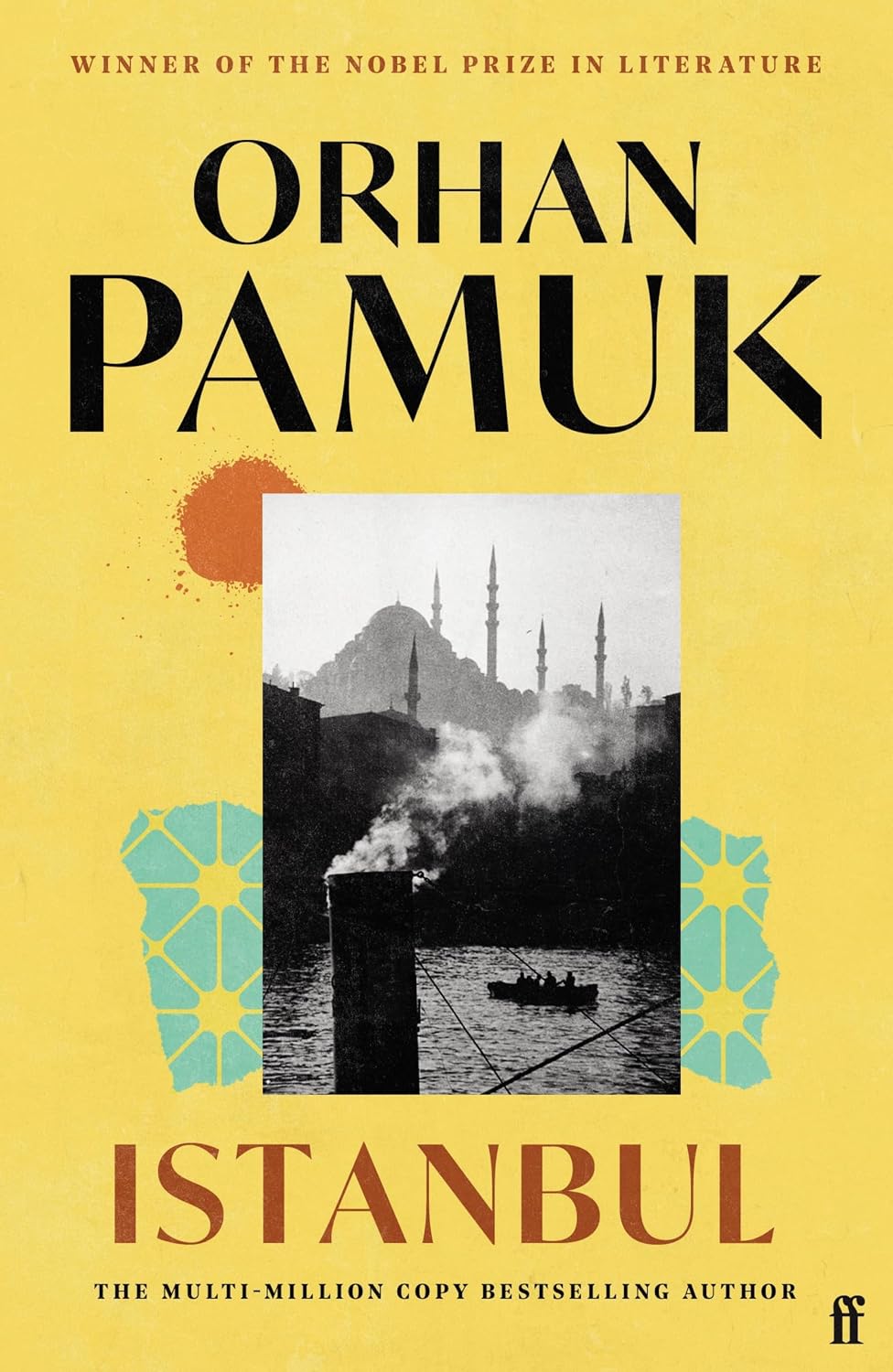
Istanbul: Memories and the City
Istanbul: Memories and the City is a memoir in which Orhan Pamuk reflects on his childhood, his family, and his lifelong relationship with Istanbul. Blending personal recollections with historical observations and literary reflections, he portrays a city shaped by the fading grandeur of the Ottoman Empire and the uncertainties of modernisation. Pamuk describes the melancholy that permeates Istanbul’s streets, abandoned mansions, waterfronts, and neighbourhoods, connecting this atmosphere to the Turkish concept of hüzün, a collective sense of sorrow and loss. His memories of family life, artistic ambition, and the changing urban landscape reveal how individual identity becomes inseparable from the place in which it develops. The book explores belonging, cultural memory, and the relationship between past and present, offering both an intimate portrait of the author and a meditation on a city searching for its place between East and West.
Türkiye
2003
2
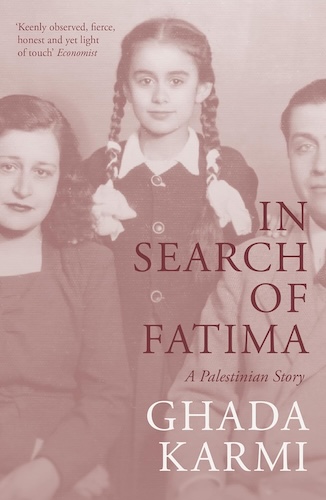
In Search of Fatima
What does it mean to lose your homeland—and spend the rest of your life searching for a place to belong? In this moving memoir, Ghada Karmi recounts her childhood in Jerusalem, her family’s forced displacement during the 1948 Nakba, and their eventual resettlement in England. Growing up between two worlds, she struggles with exile, cultural alienation, and the feeling of being a stranger in a country that is supposed to be home. As she reflects on her childhood and later returns to Palestine, Karmi explores the personal consequences of displacement alongside the political history that shaped her life. Both an intimate family story and a powerful account of Palestinian experience, this memoir examines how the loss of a homeland can shape identity across generations.
Palestine
2002
3
Reflections On Exile: And Other Literary And Cultural Essays
What does it mean to live between worlds—to belong to a place through memory while remaining separated from it by distance, politics, or history?
In Reflections on Exile, Edward W. Said brings together essays written over more than three decades, exploring literature, culture, politics, and the experience of displacement. The collection reflects his lifelong engagement with Palestinian identity and his own experience of exile, while examining how writers and artists respond to the societies that shape them.
Said moves between close readings of literary works and broader reflections on imperialism, cultural identity, and intellectual responsibility. He considers figures such as Joseph Conrad, George Orwell, and Naguib Mahfouz, revealing how art can illuminate the tensions between personal experience and historical forces.
At the heart of the collection is the idea that exile is more than physical separation: it can transform how people see home, belonging, and themselves. Both intellectually searching and deeply personal, the book explores the creative possibilities and emotional costs of living between cultures.
Palestine
United States
2000
4
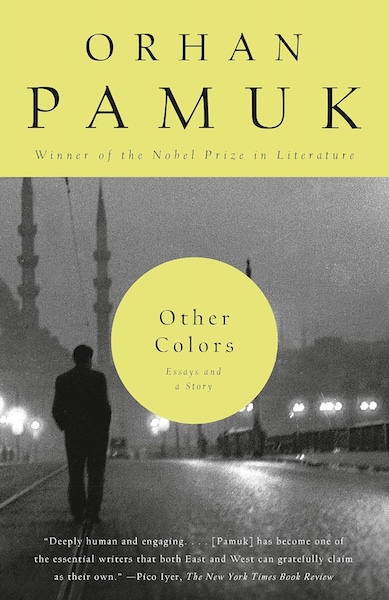
Other Colors: Essays and a Story
What does it mean to be a writer, to belong to a city, or to live between different cultural worlds? In Other Colors, Orhan Pamuk opens a window into his creative life through a collection of essays, interviews, diary entries, literary reflections, and personal recollections written over more than two decades.
Pamuk writes about his childhood in Istanbul, the pleasures and anxieties of everyday life, his relationship with his daughter, and the books and writers who shaped his imagination. He reflects on the art of writing novels, the relationship between Eastern and Western literary traditions, and the political and cultural tensions that have influenced modern Turkey. The collection also includes the short story Looking Out the Window, offering a glimpse of his fiction through a different lens.
Intimate, curious, and often provocative, Other Colors reveals the ideas and experiences behind Pamuk’s celebrated novels. It is both a portrait of a writer at work and a meditation on literature, memory, politics, and the complexities of belonging.
Türkiye
1999
5
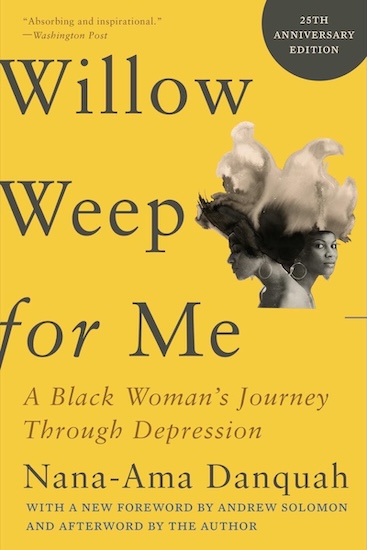
Willow Weep for Me: A Black Woman's Journey Through Depression
At twenty-two, Nana-Ama Danquah becomes a mother while struggling with a depression she cannot bring herself to name. Expected to embody the strength and resilience demanded of Black women, she hides her suffering behind silence until it threatens to overwhelm her life. Through therapy, friendships with other women facing similar struggles, and a painful confrontation with childhood trauma, Danquah begins to understand the roots of her despair. Both deeply personal and culturally revealing, this groundbreaking memoir challenges the stigma surrounding mental illness and questions why some women are expected to care for everyone else while suffering alone.
Ghana
1998
6
Representations of the Intellectual
Should intellectuals challenge those in power, even when doing so threatens their careers, reputations, or personal safety?
Based on his 1993 BBC Reith Lectures, Representations of the Intellectual explores the role of the thinker in public life. Edward W. Said argues that intellectuals have a responsibility to question accepted wisdom, resist political and institutional pressure, and speak honestly about injustice—even when their views are unpopular.
Drawing on figures such as Theodor Adorno and Jonathan Swift, as well as contemporary political events, Said examines the dangers of allowing expertise, ambition, nationalism, or financial interests to silence independent thought. He presents the intellectual as an outsider who must remain willing to challenge authority rather than simply serve it.
Passionate and provocative, this short collection asks what it means to preserve intellectual independence in a world shaped by powerful institutions and competing interests. It remains a compelling reflection on the relationship between knowledge, conscience, and public responsibility.
Palestine
United States
1994
7
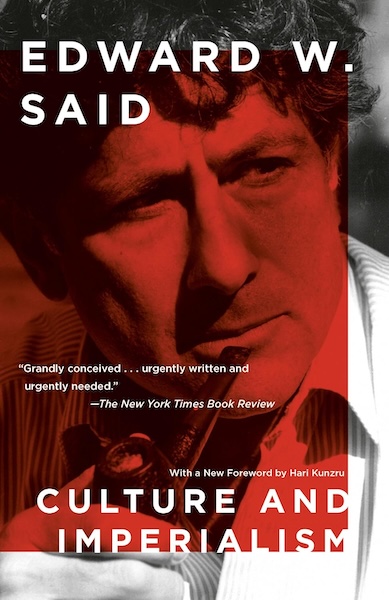
Culture and Imperialism
What if some of the world’s most celebrated literary works also reveal the hidden structures of empire?
In Culture and Imperialism, Edward W. Said examines how novels, music, and other cultural works have reflected—and sometimes reinforced—the expansion of European and American power. Building on the ideas developed in Orientalism, he explores how imperial assumptions appear in literature by writers such as Jane Austen, Joseph Conrad, and Rudyard Kipling.
Said also highlights the voices and resistance of people living under colonial rule, showing how culture can become a space for both domination and opposition. By connecting artistic expression with historical power, he invites readers to reconsider familiar literary classics and recognise the imperial histories that shaped them.
Palestine
United States
1993
8
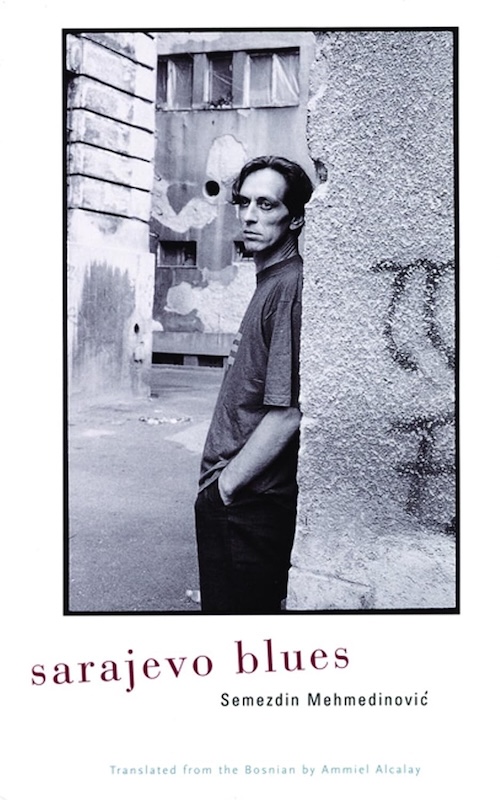
Sarajevo Blues
Sarajevo Blues is a collection of prose poems, fragments, and brief reflections written during the siege of Sarajevo in the Bosnian War. Combining personal observation with documentary detail, Semezdin Mehmedinović captures the daily reality of living in a city under bombardment, where ordinary activities become acts of survival and the boundaries between private life and public catastrophe begin to dissolve.
Rather than presenting a conventional narrative, the book offers an intimate, fragmented account of war through images of empty streets, sudden violence, disrupted routines, and the emotional strain of uncertainty. Mehmedinović’s restrained, lyrical writing resists grand explanations, focusing instead on the human cost of conflict and the persistence of memory. Both a literary response to historical tragedy and a meditation on displacement, fear, and endurance, Sarajevo Blues gives voice to the experience of civilians whose lives are transformed by war.
Bosnia and Herzegovina
1992
9
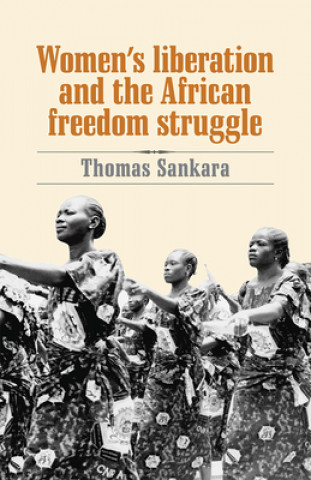
Women’s Liberation and the African Freedom Struggle
Women’s Liberation and the African Freedom Struggle brings together two speeches by Thomas Sankara, the revolutionary leader and president of Burkina Faso from 1983 to 1987. In these speeches, Sankara argues that women’s emancipation is essential to achieving genuine social and political transformation.
Drawing on the experiences of women in Burkina Faso, he examines how traditional gender roles, economic inequality, and social structures have contributed to women’s oppression. He challenges practices such as forced marriage, female genital mutilation, and polygamy, while advocating for women’s access to education, economic independence, and political participation.
Sankara connects the struggle for gender equality with the wider fight against colonialism, imperialism, and economic exploitation. He calls on both women and men to challenge deeply rooted inequalities and take an active role in transforming society. The collection presents a vision of liberation in which women’s rights are inseparable from the broader pursuit of social justice and national independence.
Burkina Faso
1990
10
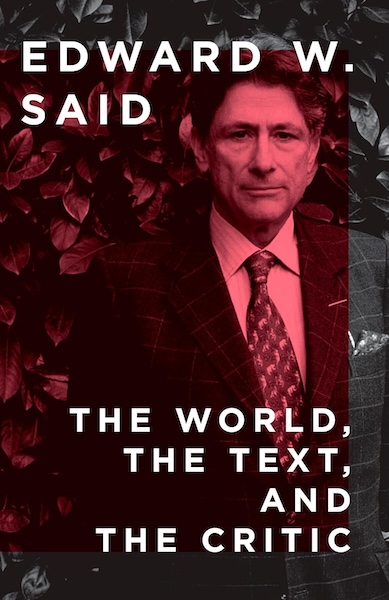
The World, the Text, and the Critic
Can literature ever be separated from the world in which it is created?
In The World, the Text, and the Critic, Edward W. Said challenges the idea that literary works should be understood independently of their historical and political contexts. Through a series of essays, he examines the relationship between literature, intellectual life, institutions, and social power.
Said introduces the idea of worldliness: texts are produced within particular historical circumstances and participate in the societies around them, whether their authors acknowledge it or not. He also considers the critic’s responsibility to question established assumptions rather than simply reinforce dominant ideas. This influential collection explores how literary criticism can become a form of intellectual independence and public engagement.
Palestine
United States
1983
11
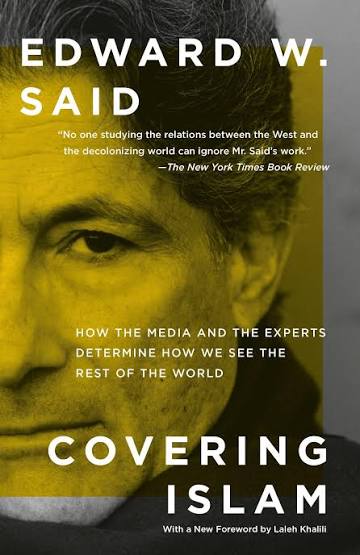
Covering Islam
How does the media shape what the world believes about Islam?
In Covering Islam, Edward W. Said investigates how Western news organisations, academics, and political commentators represent Islam and Muslim societies. He argues that media coverage often reduces diverse communities to simplified images associated with extremism, conflict, and political threat, obscuring the complexity of their histories and everyday lives.
Said explores the relationship between knowledge, media institutions, and political power, asking readers to question who gets to define another culture and whose perspectives are excluded. The book remains an important study of representation, stereotyping, and the influence of public narratives on international understanding.
Palestine
United States
1981
12
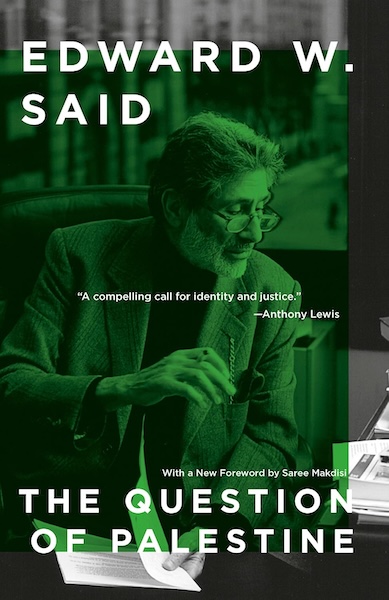
The Question of Palestine
In The Question of Palestine, Edward W. Said examines the history of Palestinian displacement, the development of Zionism, and the struggle for Palestinian national identity and self-determination. Combining historical analysis with personal insight, Said challenges dominant Western narratives that often marginalise Palestinian experiences and perspectives.
First published in 1979, this influential work explores how competing historical claims, political power, and cultural representation have shaped the Palestinian question. Said calls for Palestinians to be recognised not as abstractions in a political conflict, but as a people with their own history, identity, and aspirations.
Palestine
1979