Non-Fiction
All countries
Albania
Algeria
Belarus
Bhutan
Bosnia and Herzegovina
Botswana
Burkina Faso
Cambodia
China
Congo, Democratic Republic
Cuba
Cyprus
Egypt
France
Ghana
India
Iran
Ireland
Jamaica
Japan
Pakistan
Palestine
Russia
Taiwan
Tanzania
Türkiye
Turkmenistan
Ukraine
United Kingdom
United States
Yemen
Zambia
1
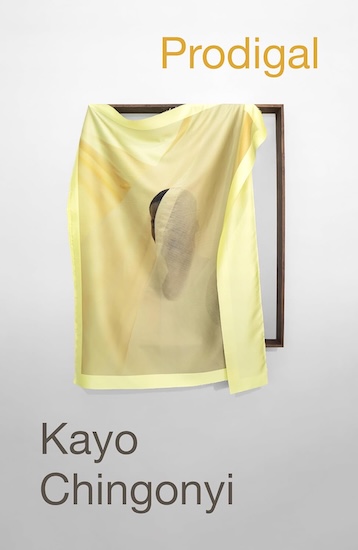
Prodigal
What does it mean to return home when the place you left has become a stranger—and the past you are returning to is full of unanswered questions?
In Prodigal, award-winning poet Kayo Chingonyi traces the journey from a childhood shaped by loss to an adult reckoning with his Zambian heritage. In 1993, following his father’s death, six-year-old Kayo is sent from Zambia to Newcastle, England. Growing up in Britain, he gradually learns the circumstances surrounding his parents’ deaths from HIV-related illnesses. The stigma surrounding their deaths leaves him carrying grief, shame, and questions about a family history he struggles to understand.
Nearly twenty-five years later, a message from a cousin in Zambia prompts Chingonyi to reconsider the distance separating him from his birthplace. His return becomes an opportunity to piece together fragments of memory, confront the silences surrounding his childhood, and reconsider what he has inherited from the people he lost.
Moving between Zambia and Britain, Chingonyi explores migration, bereavement, cultural belonging, and the complicated process of making peace with one’s past. Music, poetry, and family memories become ways of reconnecting with what has been lost. Prodigal is an intimate memoir about discovering that returning home is not simply about retracing your steps—it is about learning to understand the person you have become.
Zambia
United Kingdom
2027
2
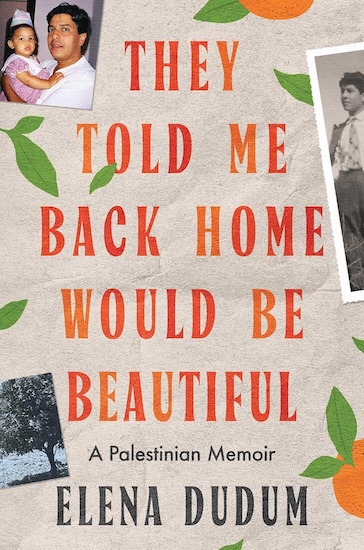
They Told Me Back Home Would Be Beautiful
Raised in a Palestinian Christian family in San Francisco, Elena Dudum grows up surrounded by her father’s stories of a homeland her grandparents were forced to leave. For years, she resists this inheritance, trying to fit into American life and escape the weight of a history she struggles to claim. But a visit to Palestine brings the realities of occupation, displacement, and her family’s past into sharp focus. Weaving together family memories, archival discoveries, and political reflection, this intimate memoir traces one woman’s journey from estrangement to belonging—and her determination to reclaim a heritage that cannot be erased.
Palestine
United States
2027
3
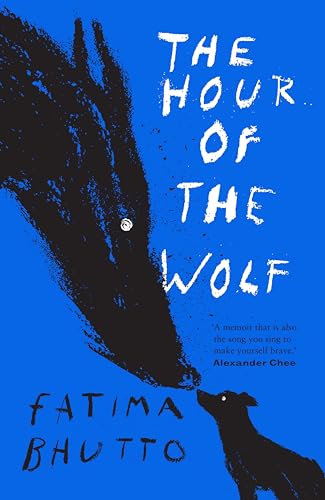
The Hour of the Wolf
After losing her father to political violence as a teenager, Fatima Bhutto grows up longing for the security and happiness of a family of her own. Years later, she falls in love with a charismatic man who seems to offer everything she has dreamed of. But what begins as an intoxicating romance gradually becomes a decade-long relationship marked by manipulation, emotional cruelty, and control. As her world narrows, Bhutto begins to question her own judgment and the future she has spent years waiting for. During the isolation of the 2020 pandemic, she retreats to the English countryside with her fiercely loyal Jack Russell terrier, Coco. Through the companionship of her dog, the restorative power of nature, and reflections on literature, mythology, art, and astronomy, she begins to find the courage to reclaim her life. Intimate and unflinching, The Hour of the Wolf is a memoir about grief, coercive relationships, loneliness, and the unexpected forms of love that help us find our way back to ourselves.
Pakistan
2026
4
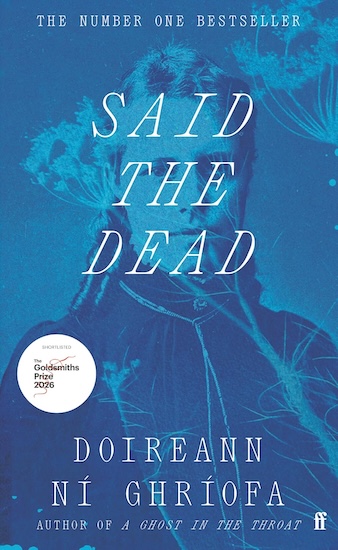
Said the Dead
In Cork, Ireland, a derelict Victorian psychiatric hospital is being transformed into modern apartments. For one woman, known as the Reader, the abandoned building becomes the beginning of an extraordinary investigation into the lives of the women who once lived behind its walls. Through archival records and the casebooks of Dr Lucia Strangman, one of Ireland’s earliest female asylum doctors, she discovers the stories of women whose suffering was recorded, interpreted, and too often misunderstood by the medical establishment. As the Reader becomes increasingly immersed in their histories, the boundaries between past and present, personal experience and historical memory begin to blur. Blending biography, memoir, historical research, and elements of the ghost story, Said the Dead gives imaginative life to forgotten women while examining grief, mental illness, motherhood, and the ethics of recovering voices that history has silenced.
Ireland
2026
5
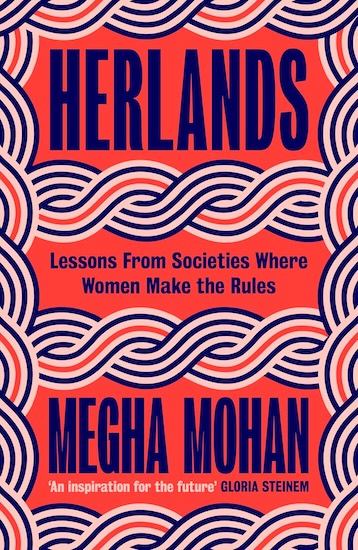
Herlands: Lessons From Societies Where Women Make the Rules
What would the world look like if women made the rules? BBC correspondent Megha Mohan travels across continents to discover communities where women create their own systems of power, belonging, and survival. From South Korea’s controversial feminist online movements to women’s communal living spaces in Europe and the Rain Queens of South Africa, she uncovers stories that challenge conventional ideas about leadership, family, and social order. Inspired by her own great-grandmother’s matrilineal community in South India, Mohan combines historical research with firsthand reporting to explore how women have built alternative ways of living, often outside patriarchal structures. Herlands is an illuminating investigation into women’s solidarity, collective power, and the possibilities of reimagining society.
United Kingdom
2026
6
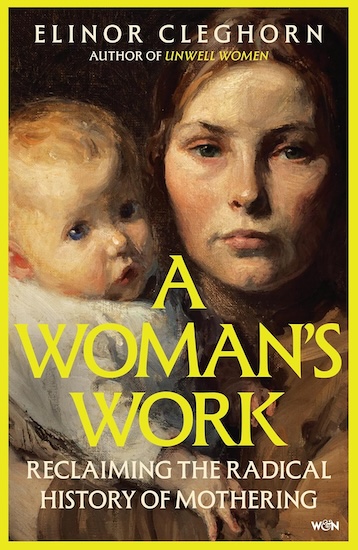
A Woman’s Work: Reclaiming the Radical History of Mothering
Motherhood has shaped human history, yet the women who have raised children, challenged injustice, and fought for reproductive freedom have often been written out of it. From ancient childbirth rituals to the struggles of unmarried mothers in seventeenth-century England, Elinor Cleghorn traces the lives of women who resisted society’s attempts to control their bodies and define their roles. Through the stories of midwives, writers, activists, and community leaders, she reveals how mothering has always been an act of labour, resistance, and transformation. Reclaiming motherhood as more than a biological function or private responsibility, this compelling history challenges the patriarchal systems that have devalued women’s work and asks what it would mean to finally recognize and support the people who care for others.
United Kingdom
2026
7
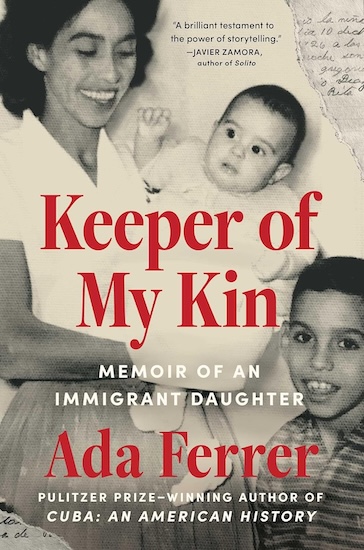
Keeper of My Kin: Memoir of an Immigrant Daughter
In 1963, Ada Ferrer’s mother fled Cuba with her infant daughter, leaving behind her nine-year-old son, Poly. What began as a desperate family decision became a separation that shaped generations. Decades later, Ferrer draws on letters, family memories, and historical archives to reconstruct the lives of those who left and those who stayed. Tracing her family’s story through the Cuban Revolution, migration, and the legacy of slavery, she explores how political upheaval enters the most intimate corners of family life. Both a personal reckoning and a powerful work of history, this moving memoir examines the enduring bonds of kinship, the meaning of home, and the stories we inherit.
Cuba
2026
8
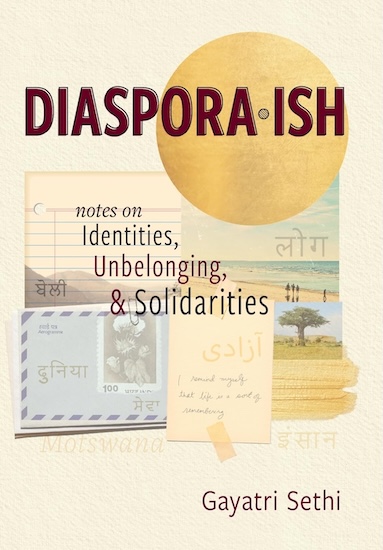
Diaspora-ish: Notes on Identities, Unbelonging, & Solidarities
What does it mean to belong when your identity crosses borders, cultures, and histories? Drawing on her own journey from Tanzania to Botswana and the United States, Gayatri Sethi challenges conventional ideas about nationality, race, ethnicity, and belonging. Blending personal reflections, poetry, academic insights, and interactive exercises, she explores how colonialism, racism, immigration, and inherited cultural expectations shape the ways people understand themselves and others. Moving beyond individual identity, Sethi asks how people from different backgrounds can build meaningful solidarities without erasing their differences. Thought-provoking and deeply personal, this book invites readers to question the boundaries that divide us and imagine a more inclusive vision of collective liberation.
Botswana
Tanzania
United States
2026
9
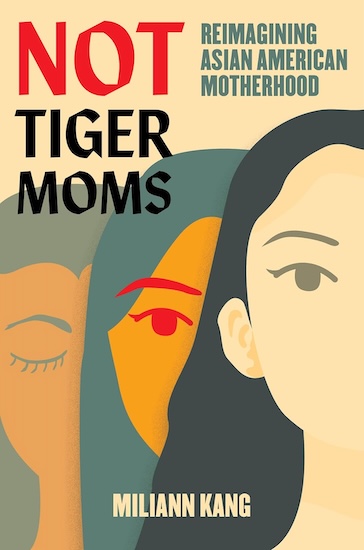
Not Tiger Moms: Reimagining Asian American Motherhood
Asian American mothers are often reduced to a familiar stereotype: strict, demanding parents obsessed with their children’s academic success. In Not Tiger Moms, sociologist Miliann Kang challenges this narrow narrative, revealing how racism and xenophobia shape perceptions of Asian American motherhood. Drawing on candid interviews with mothers born or raised primarily in the United States, Kang explores the pressures they face as they navigate parenting, cultural identity, education, work, and belonging. Their stories reveal lives far more complex than the stereotypes allow, exposing the contradictions between being seen as a model minority and being treated as perpetual outsiders. Thoughtful and illuminating, this book reimagines motherhood beyond racial expectations and asks how society might better support mothers in all their diversity.
United States
2026
10
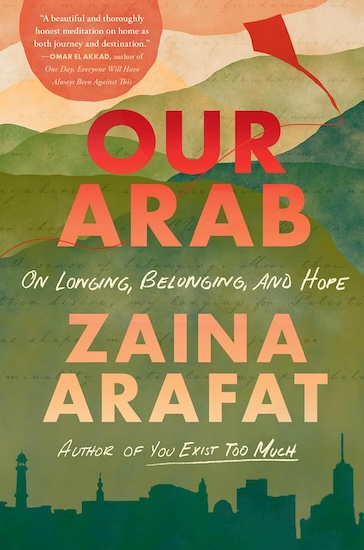
Our Arab
What does it mean to belong to a homeland you may never fully know? In this moving collection of essays, Palestinian-American writer Zaina Arafat explores the complexities of diaspora, inherited memory, and the longing for home. Moving between Nablus, Amman, the Appalachian Mountains, and Manhattan, she weaves together her family’s history, her experiences of identity and motherhood, and the pain of watching Palestine from afar. With tenderness, anger, and sharp insight, Arafat examines what it means to preserve a culture across generations while confronting displacement, erasure, and the shifting meaning of belonging. Our Arab is both an intimate family portrait and a powerful meditation on what it means to be Palestinian today.
Palestine
United States
2026
11

Medusa's Laugh
What if women could reclaim their freedom simply by telling their own stories? First published in 1975, Hélène Cixous’s Medusa’s Laugh is a landmark of feminist thought that challenges the patriarchal traditions shaping literature, language, and society. Drawing on the myth of Medusa, a woman transformed into a monster by the stories told about her, Cixous invites women to reject the identities imposed on them and rediscover their own voices. She introduces the concept of écriture féminine—a form of writing that breaks away from conventional, male-dominated structures and embraces the complexity of women’s bodies, desires, and experiences. Passionate, poetic, and deliberately provocative, this essay is both a literary manifesto and a call to action: women must write themselves into history rather than allow others to define them. Its central message remains powerful: self-expression can be an act of liberation.
France
2026
12
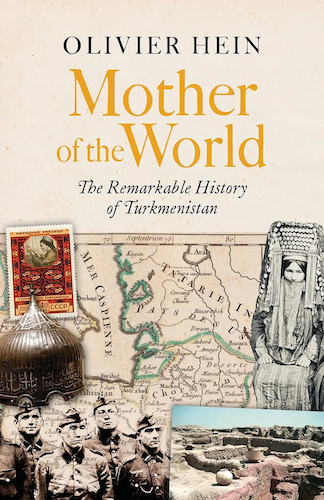
Mother of the World
Often overlooked in accounts of world history, Turkmenistan occupies a remarkable position at the crossroads of civilisations, empires, and religions. In Mother of the World, Olivier Hein brings this fascinating Central Asian country into focus, revealing how its desert landscapes and ancient cities have shaped events far beyond its borders. From the archaeological mysteries of early civilisations to the flourishing Silk Road metropolis of Merv, once among the world’s greatest centres of learning, Hein traces the region’s transformation through centuries of conquest, cultural exchange, and political upheaval. He explores the rise of the Turkmen people, the devastating Mongol invasions, the expansion of the Russian Empire, and the country’s incorporation into the Soviet Union before its emergence as an independent state in 1991. Drawing on historical research and his own experience as a diplomat stationed in Turkmenistan, Hein challenges the perception of the country as an isolated and marginal place. The result is an engaging portrait of a nation whose extraordinary past reveals the interconnectedness of human civilisation.
Turkmenistan
2026