Non-Fiction
All countries
Albania
Algeria
Belarus
Bhutan
Bosnia and Herzegovina
Botswana
Burkina Faso
Cambodia
China
Congo, Democratic Republic
Cuba
Cyprus
Egypt
France
Ghana
India
Iran
Ireland
Jamaica
Japan
Pakistan
Palestine
Russia
Taiwan
Tanzania
Türkiye
Turkmenistan
Ukraine
United Kingdom
United States
Yemen
Zambia
1

Prodigal
What does it mean to return home when the place you left has become a stranger—and the past you are returning to is full of unanswered questions?
In Prodigal, award-winning poet Kayo Chingonyi traces the journey from a childhood shaped by loss to an adult reckoning with his Zambian heritage. In 1993, following his father’s death, six-year-old Kayo is sent from Zambia to Newcastle, England. Growing up in Britain, he gradually learns the circumstances surrounding his parents’ deaths from HIV-related illnesses. The stigma surrounding their deaths leaves him carrying grief, shame, and questions about a family history he struggles to understand.
Nearly twenty-five years later, a message from a cousin in Zambia prompts Chingonyi to reconsider the distance separating him from his birthplace. His return becomes an opportunity to piece together fragments of memory, confront the silences surrounding his childhood, and reconsider what he has inherited from the people he lost.
Moving between Zambia and Britain, Chingonyi explores migration, bereavement, cultural belonging, and the complicated process of making peace with one’s past. Music, poetry, and family memories become ways of reconnecting with what has been lost. Prodigal is an intimate memoir about discovering that returning home is not simply about retracing your steps—it is about learning to understand the person you have become.
Zambia
United Kingdom
2027
2
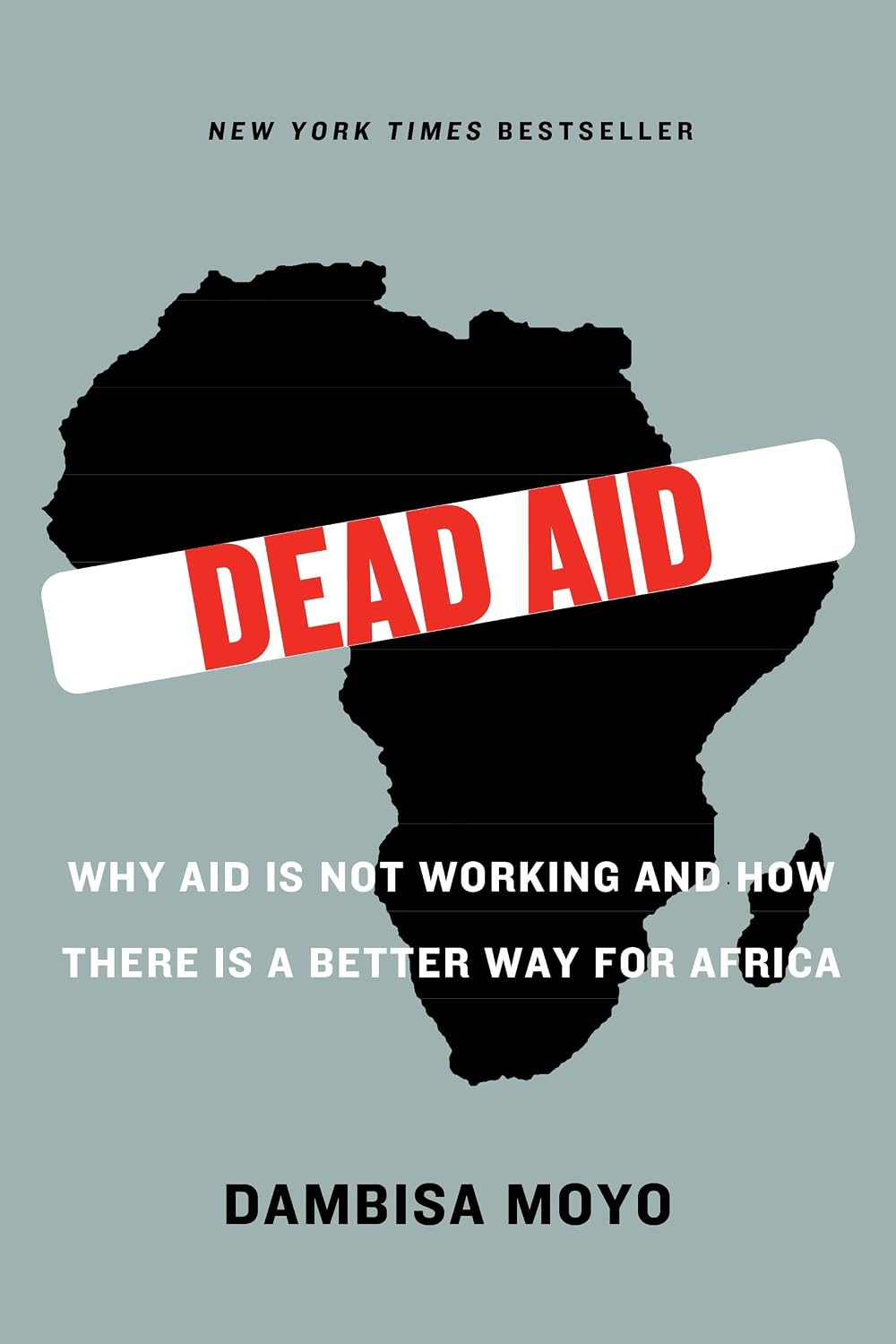
Dead Aid: Why Aid Is Not Working and How There Is Another Way for Africa
In Dead Aid, Zambian economist Dambisa Moyo challenges one of the most widely accepted assumptions about international development: that financial aid from wealthy countries is an effective way to combat poverty in Africa. Drawing on economic research and historical examples, she argues that decades of government-to-government assistance have often failed to deliver sustainable growth, while contributing to corruption, political dependency, and weakened local markets.
Rather than calling for an end to all forms of assistance, Moyo focuses on long-term development aid and proposes alternative ways for African countries to finance their economies. Her recommendations include attracting foreign investment, expanding trade, accessing international capital markets, and strengthening domestic financial systems.
Provocative and controversial, the book challenges readers to reconsider the relationship between wealthy nations and developing countries. Moyo calls for African governments to pursue greater economic independence and for policymakers to rethink the mechanisms through which development is financed. Whether readers agree with her conclusions or not, Dead Aid raises important questions about accountability, sovereignty, and the effectiveness of international development policy.
Zambia
2009