Fiction
All countries
Afghanistan
Albania
Antigua and Barbuda
Argentina
Armenia
Australia
Austria
Azerbaijan
Bahamas
Bahrain
Bangladesh
Barbados
Belarus
Belgium
Belize
Bhutan
Bosnia and Herzegovina
Brazil
Brunei
Bulgaria
Cabo Verde
Canada
Central African Republic
Chile
China
Congo, Democratic Republic
Croatia
Cuba
Czech Republic
Denmark
Djibouti
Dominica
Dominican Republic
Ecuador
Egypt
Fiji
Finland
France
Georgia
Germany
Greece
Hungary
Iceland
India
Indonesia
Iran
Iraq
Ireland
Italy
Jamaica
Japan
Jordan
Kazakhstan
Kenya
Kuwait
Kyrgyzstan
Lebanon
Libya
Malaysia
Mexico
Morocco
Netherlands
New Zealand
Nigeria
Norway
Oman
Pakistan
Palestine
Panama
Peru
Philippines
Poland
Portugal
Romania
Russia
Saudi Arabia
Senegal
Singapore
Slovenia
Somalia
South Korea
Spain
Sri Lanka
Sudan
Sweden
Switzerland
Syria
Taiwan
Tanzania
Thailand
Türkiye
Turkmenistan
Ukraine
United Arab Emirates
United Kingdom
United States
Uzbekistan
Yemen
Zambia
1
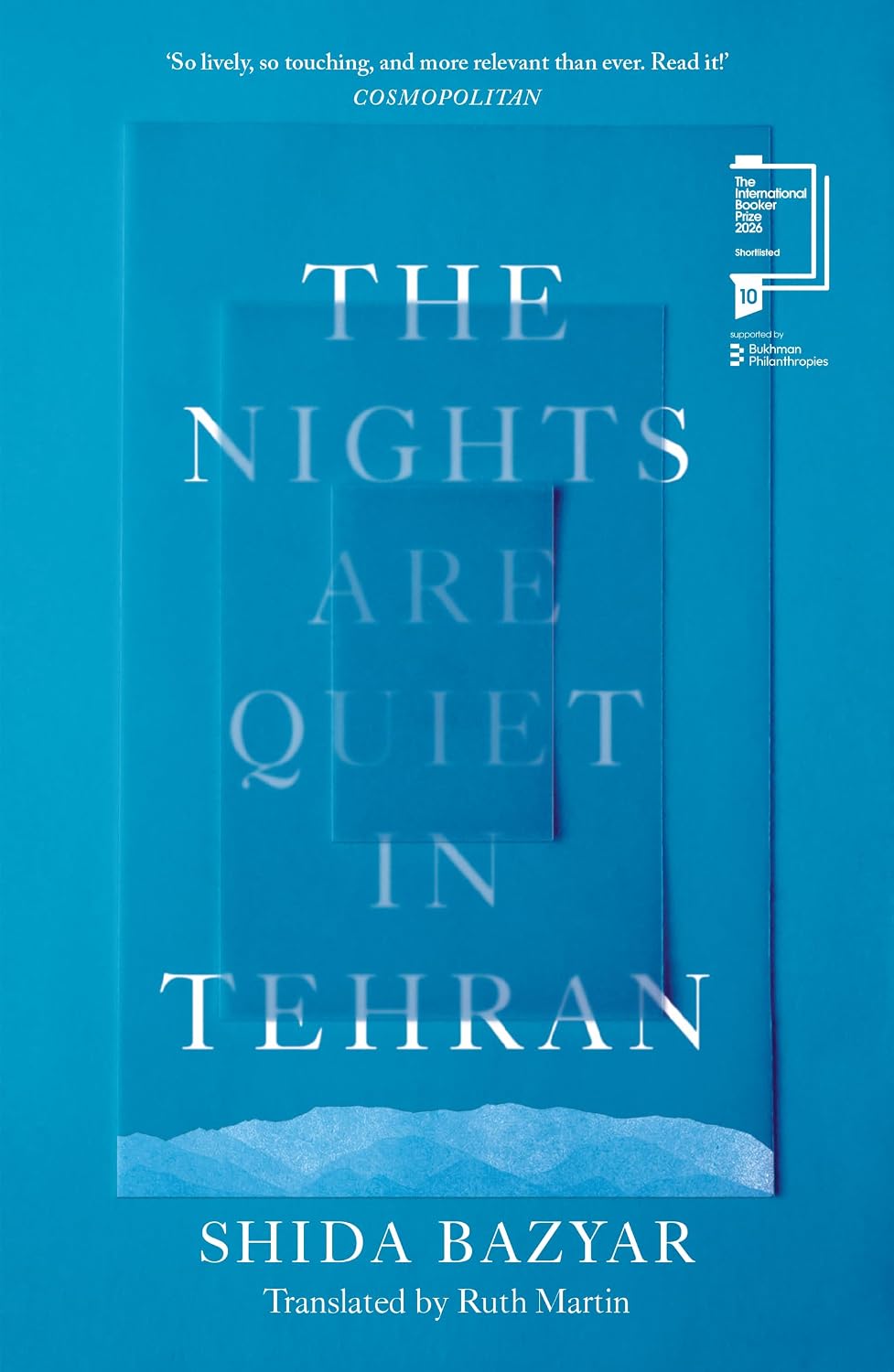
Nights Are Quiet in Tehran
The Nights Are Quiet in Tehran follows an Iranian family across four decades, exploring revolution, exile, identity, and the lasting effects of political upheaval. The story begins in 1979, when Behzad, a young communist revolutionary, fights for a new political order following the fall of the Shah. He falls in love with Nahid, an equally passionate young woman, but the rise of the Islamic Republic eventually forces them to flee to West Germany.
Told through four family members’ perspectives in 1979, 1989, 1999, and 2009, the novel traces their struggles to build a new life while maintaining connections to their homeland. As the children grow up between cultures, questions of belonging, memory, and inherited political convictions become increasingly complex. Their experiences culminate against the backdrop of Iran’s 2009 Green Movement, which brings the family’s past and present into renewed tension.
Through its shifting voices and generations, Bazyar explores how political events shape private lives and how the meaning of home changes across generations of migration and exile.
Iran
2025
2
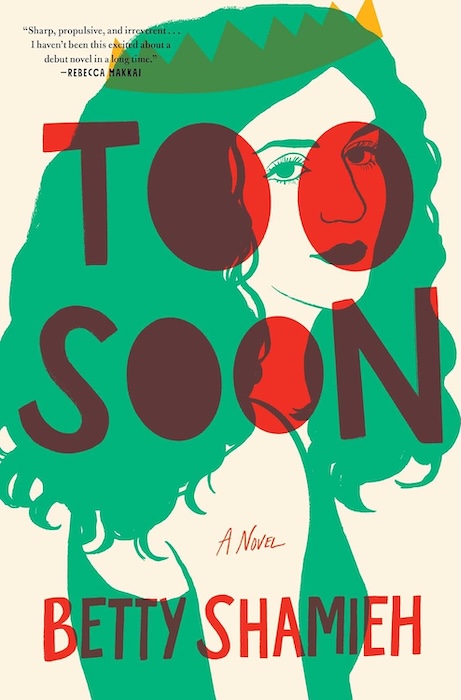
Too Soon
Too Soon follows three generations of Palestinian American women—grandmother Zoya, mother Naya, and granddaughter Arabella—as they navigate love, ambition, exile, and cultural identity across decades. Their family history stretches from their displacement from Jaffa in 1948 to their pursuit of the American Dream and their lives in the New York theatre world. Arabella, a thirty-five-year-old theatre director, faces complicated romantic choices and an opportunity to stage a provocative production in the West Bank, while her mother and grandmother attempt to guide her future and confront secrets from their past. Blending sharp humor with emotional depth, Betty Shamieh explores the lasting effects of displacement, the tensions between tradition and independence, and the struggle to define oneself across generations. The novel celebrates the resilience of women determined to pursue love and freedom on their own terms.
Palestine
2025
3
The Remembered Soldier
In The Remembered Soldier, a young woman named Noon Merckem encounters a man suffering from amnesia who may be her husband, a soldier who disappeared during the First World War. Although he remembers nothing of his former life, Noon attempts to help him recover his identity and rebuild their relationship. As the story unfolds, conflicting memories and unanswered questions emerge, revealing the uncertainty surrounding his past and the devastating consequences of war. Anjet Daanje explores the fragile relationship between memory, identity, and truth, examining how love can endure when the past becomes inaccessible. Set against the aftermath of the First World War, this haunting novel reflects on trauma, loss, and the stories people construct to make sense of their lives.
Netherlands
2025
4
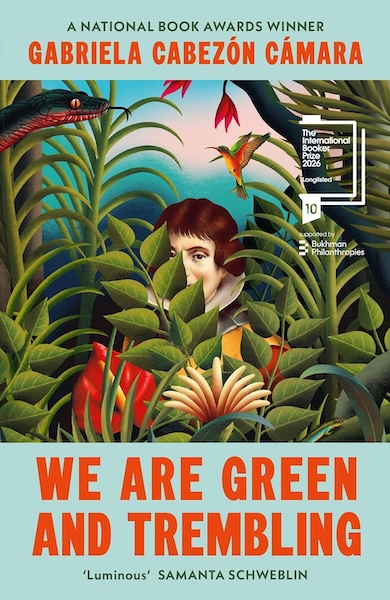
We are Green and Trembling
We Are Green and Trembling reimagines the story of Antonio de Erauso, a seventeenth-century Spanish figure who escaped a convent, adopted a male identity, and travelled through colonial South America. Narrated by Antonio’s companion, the Indigenous woman Micuén, the novel follows their adventures across a world shaped by colonial violence, religious authority, and rigid gender expectations. Blending historical fiction, satire, and exuberant storytelling, Gabriela Cabezón Cámara challenges conventional ideas about gender, identity, and power while exposing the brutality of colonialism. Through its unconventional characters and vivid prose, the novel celebrates resistance, transformation, and the possibility of creating a life beyond the identities imposed by society.
Argentina
2025
5
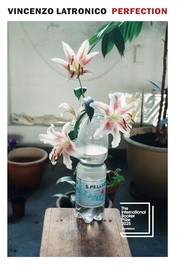
Perfection
In Perfection, Anna and Tom are a young creative couple living in Berlin, where they enjoy a carefully curated lifestyle of remote work, minimalist interiors, cultural experiences, and seemingly effortless happiness. Surrounded by the aesthetics of contemporary urban life, they appear to have achieved the freedom and fulfillment they desire. Yet beneath their polished routines lies a growing sense of emptiness and dissatisfaction. Through precise, detached prose, Vincenzo Latronico examines the contradictions of digital nomadism, gentrification, consumer culture, and the pursuit of an ideal life shaped by social media. The novel offers a sharp portrait of a generation caught between the desire for authenticity and the pressure to make every aspect of life look perfect.
Italy
2025
6
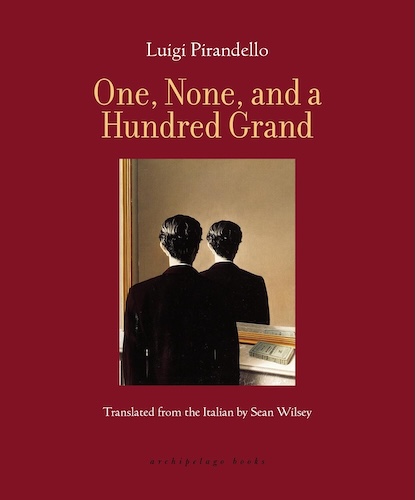
One, None, and a Hundred Grand
In One, None, and a Hundred Grand, Vitangelo Moscarda discovers that his wife sees his nose as slightly crooked, a detail he has never noticed himself. This seemingly trivial observation triggers an existential crisis as he realizes that everyone perceives him differently, creating countless versions of his identity. As he attempts to escape these conflicting images, he begins to question the nature of selfhood, reality, and social identity. Through absurdity and philosophical reflection, Pirandello explores the instability of personal identity and the impossibility of truly knowing oneself through the eyes of others.
Italy
2025
7
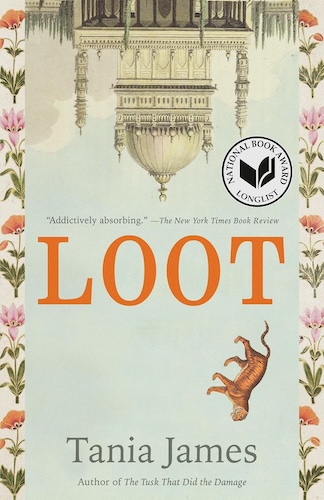
Loot
A stolen tiger, a young craftsman, and the spoils of an empire collide in this imaginative historical adventure. In eighteenth-century Mysore, seventeen-year-old Abbas catches the attention of Tipu Sultan, who commissions him to help create an extraordinary mechanical tiger. But when British forces invade the palace, the magnificent automaton is carried away as war booty. Years later, Abbas travels to Europe, determined to recover his creation and reclaim a piece of the world stolen from him. Spanning India, France, and England, Loot combines romance, adventure, and ingenious storytelling to explore artistic ambition, the costs of empire, and the enduring question of who has the right to own another culture’s treasures.
India
2024
8
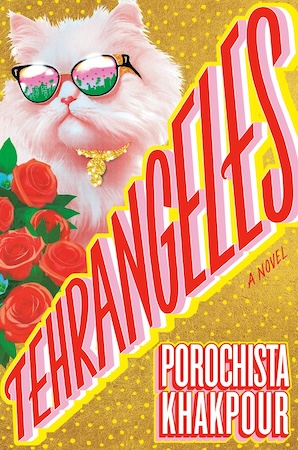
Tehrangeles
The Milanis have everything money can buy: a sprawling Los Angeles mansion, a successful frozen-food empire, and four daughters ready for their close-up. When the wealthy Iranian American family lands a reality television deal, each sister sees an opportunity to claim the spotlight. Violet, an aspiring model, longs for love and acceptance; Roxanna, an ambitious influencer, thrives on attention; Mina, a sharp-witted overachiever, guards secrets of her own; and teenage Haylee dreams of becoming a wellness sensation. Their parents, Ali and Homa, have secrets they would rather keep hidden, too. But just as the cameras prepare to roll, political tensions, family revelations, and the COVID-19 pandemic threaten to unravel their carefully curated lives. With biting humour and unexpected tenderness, Tehrangeles satirises celebrity culture, social media, and the pursuit of the American dream while exploring the complicated realities of growing up Iranian American. Beneath the glitter and extravagance lies a story about family, identity, and the difference between being seen and being truly understood.
Iran
2024
9
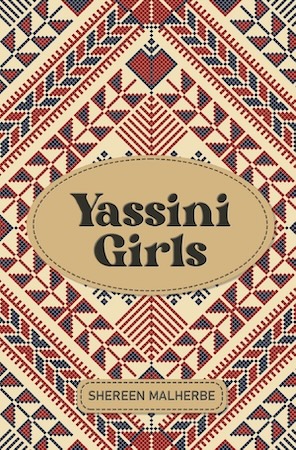
Yassini Girls
In the ancient streets of Jerusalem, Fatima receives an unexpected phone call that awakens memories she has spent years trying to bury. Thousands of miles away in the English countryside, Layla discovers a family heirloom hidden beneath her attic floor, setting her on a journey into the painful, long-silenced history of Palestine. As the two women’s stories begin to converge, family secrets reveal the enduring consequences of displacement and the fragile threads connecting generations to their homeland. Inspired by the author’s own discovery of her family’s history during a BBC documentary, Yassini Girls is a deeply personal novel about Palestinian identity, inherited trauma, and the power of storytelling to preserve what history threatens to erase. Through the traditions, memories, and resilience of Palestinian women, it explores how understanding the past can become an act of resistance and a way of safeguarding the future.
Palestine
2024
10
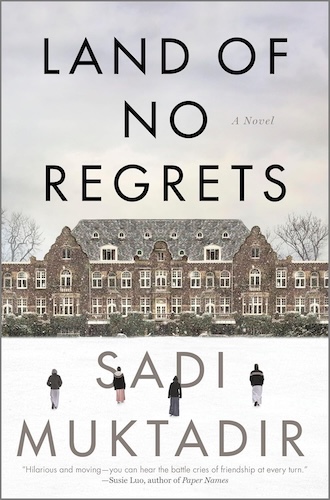
Land of No Regrets
At an Islamic boarding school in rural Ontario, four teenage boys navigate the boundaries between faith, friendship, and freedom. When they stumble upon the diary of a girl who attended the school decades earlier, her words awaken new possibilities and inspire a daring plan to escape. As their secret grows, each boy must confront his own beliefs, desires, and fears about the world beyond the school gates. Blending humour with tenderness, Land of No Regrets explores the challenges of growing up between tradition and independence, asking what it means to belong to a community while finding the courage to forge your own path.
Canada
2024
11
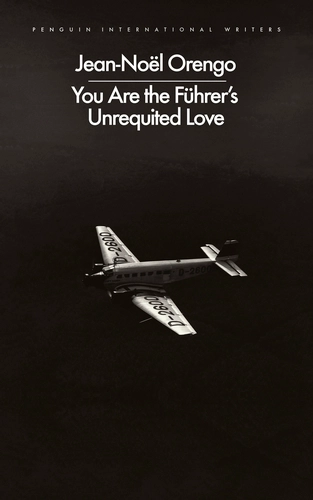
You Are the Führer's Unrequited Love
How does a man implicated in one of history’s greatest atrocities reinvent himself as an innocent bystander? In 1969, Albert Speer—Hitler’s favourite architect and Minister of Armaments—publishes his memoirs, presenting himself as the “good Nazi” who knew nothing about the Holocaust. His carefully constructed narrative helps him escape the full weight of his responsibility and become a bestselling author. But behind this image lies a history of ambition, complicity, and calculated self-deception. Blending historical research with literary fiction, Jean-Noël Orengo reconstructs Speer’s rise, his proximity to Hitler, and his postwar reinvention. The result is a disturbing exploration of how powerful people manipulate memory, reshape their identities, and make fiction more seductive than truth. In an age of competing narratives, the novel asks who gets to control the story of the past.
France
2024
12
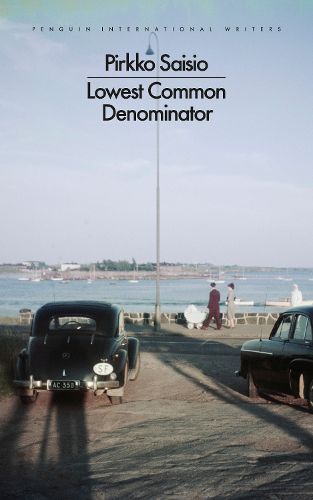
Lowest Common Denominator
Following her father’s death, a middle-aged writer named Pirkko revisits her childhood in 1950s Finland, piecing together memories of family life, political convictions and the first stirrings of her identity. Growing up as the only child of communist parents in Helsinki, young Pirkko struggles to understand the expectations placed upon her. Her mother is lively and theatrical, while her father is emotionally distant and committed to his political ideals. During summers spent with her grandparents in the countryside, Pirkko discovers a world of freedom, imagination and unexpected revelations. Convinced that she will grow up to be a boy, she grapples with the distance between her inner sense of self and the roles others expect her to inhabit. Told through fragmented memories, fever dreams and moments of startling humour, the novel blurs the boundaries between autobiography and fiction. Ultimately, Pirkko discovers that language and storytelling can offer a refuge, allowing her to express an identity that the world around her struggles to recognise.
Finland
2024