Italy
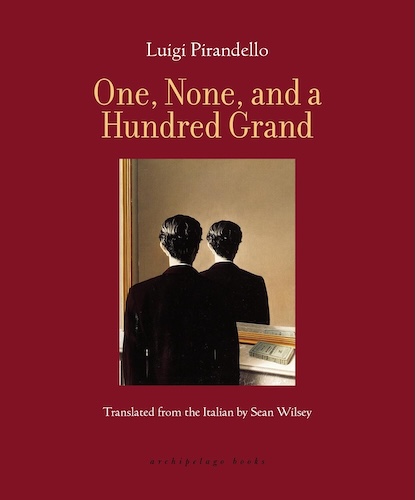
One, None, and a Hundred Grand
Summary
In One, None, and a Hundred Grand, Vitangelo Moscarda discovers that his wife sees his nose as slightly crooked, a detail he has never noticed himself. This seemingly trivial observation triggers an existential crisis as he realizes that everyone perceives him differently, creating countless versions of his identity. As he attempts to escape these conflicting images, he begins to question the nature of selfhood, reality, and social identity. Through absurdity and philosophical reflection, Pirandello explores the instability of personal identity and the impossibility of truly knowing oneself through the eyes of others.
Reviews
Login to leave a review.
No reviews yet. Be the first!
You might also like
Country
Italy
Europe

Details
- Published
- 2025
- Author
- Luigi Pirandello