Fiction
All countries
Afghanistan
Albania
Antigua and Barbuda
Argentina
Armenia
Australia
Austria
Azerbaijan
Bahamas
Bahrain
Bangladesh
Barbados
Belarus
Belgium
Belize
Bhutan
Bosnia and Herzegovina
Brazil
Brunei
Bulgaria
Cabo Verde
Canada
Central African Republic
Chile
China
Congo, Democratic Republic
Croatia
Cuba
Czech Republic
Denmark
Djibouti
Dominica
Dominican Republic
Ecuador
Egypt
Fiji
Finland
France
Georgia
Germany
Greece
Hungary
Iceland
India
Indonesia
Iran
Iraq
Ireland
Italy
Jamaica
Japan
Jordan
Kazakhstan
Kenya
Kuwait
Kyrgyzstan
Lebanon
Libya
Malaysia
Mexico
Morocco
Netherlands
New Zealand
Nigeria
Norway
Oman
Pakistan
Palestine
Panama
Peru
Philippines
Poland
Portugal
Romania
Russia
Saudi Arabia
Senegal
Singapore
Slovenia
Somalia
South Korea
Spain
Sri Lanka
Sudan
Sweden
Switzerland
Syria
Taiwan
Tanzania
Thailand
Türkiye
Turkmenistan
Ukraine
United Arab Emirates
United Kingdom
United States
Uzbekistan
Yemen
Zambia
1
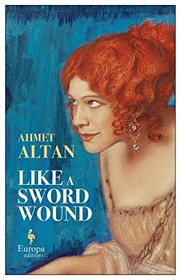
Like a Sword Wound
Like a Sword Wound opens Ahmet Altan’s Ottoman Quartet, a historical series exploring the final decades of the Ottoman Empire and the emergence of modern Turkey. Set against political upheaval and the decline of imperial authority, the novel follows a cast of characters whose personal desires conflict with the traditions and expectations of their society. Among them are an Ottoman army officer, members of the royal household, and a Turkish aristocrat whose attraction to a conservative religious leader challenges her independent life in Paris. Their relationships unfold amid betrayal, shifting loyalties, and the growing influence of Western ideas. Altan combines historical drama with intimate explorations of love, sexuality, and power, revealing how political transformation changes both public institutions and private relationships. The novel examines the tension between modernity and tradition in a society struggling to determine its future.
Türkiye
1998
2
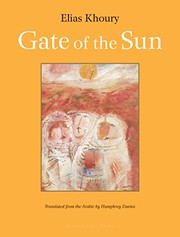
Gate of the Sun
Gate of the Sun is an epic novel that explores the Palestinian experience of displacement through the intertwined stories of refugees who fled their villages during the creation of Israel in 1948. Set primarily in a makeshift hospital in a Palestinian refugee camp near Beirut, the novel follows Khalil, a young man who cares for his mentor, Yunes, an ageing resistance fighter lying in a coma. As Khalil speaks to Yunes, he recounts stories of love, loss, resistance, and survival, attempting to keep his mentor alive through memory and storytelling.
At the heart of the narrative is Yunes’s relationship with Nahila, his wife, whom he secretly visits across the border in a cave known as the Gate of the Sun. Their story becomes a symbol of the enduring connection between Palestinians and their lost homeland. Through fragmented memories and multiple voices, Elias Khoury examines exile, identity, political struggle, and the power of storytelling to preserve a history threatened with erasure. Both intimate and sweeping, the novel portrays the human cost of dispossession while exploring how personal memories become part of a people’s collective history.
Lebanon
1998
3
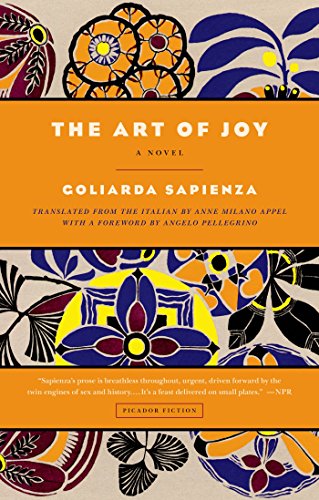
Art of Joy
The Art of Joy follows Modesta, a fiercely independent woman born into poverty in Sicily on New Year’s Day 1900. After a difficult childhood marked by family tragedy, she finds refuge in a convent, but her intelligence, ambition, and refusal to accept the limits imposed on women lead her toward a very different life. Through determination and cunning, Modesta rises into aristocratic society, building relationships and pursuing intellectual, emotional, and sexual freedom on her own terms.
Spanning much of the twentieth century, the novel follows Modesta through personal transformations and the political upheavals of modern Italian history. Goliarda Sapienza challenges conventional ideas about morality, religion, marriage, and femininity, presenting a protagonist who refuses to be defined by society’s expectations. Bold, sensual, and politically provocative, the novel celebrates the pursuit of pleasure and self-determination while examining the contradictions involved in living freely in an unequal world.
Italy
1998
4
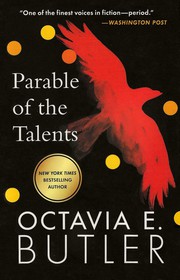
Parable of the Talents
Set in a dystopian America in the early twenty-first century, Parable of the Talents continues the story of Lauren Olamina, founder of the Earthseed movement, which teaches that humanity’s destiny is to shape change and eventually travel beyond Earth. As Lauren works to build a community based on cooperation, equality, and spiritual transformation, a Christian fundamentalist government rises to power, bringing persecution and violence. The novel is narrated partly through the perspective of Lauren’s estranged daughter, who struggles to understand her mother’s beliefs and legacy. Through their intertwined stories, Octavia E. Butler examines religious extremism, authoritarianism, racial injustice, and the struggle to preserve freedom in a society shaped by fear. The novel offers a powerful reflection on the dangers of political fanaticism and the resilience required to imagine a different future.
United States
1998
5
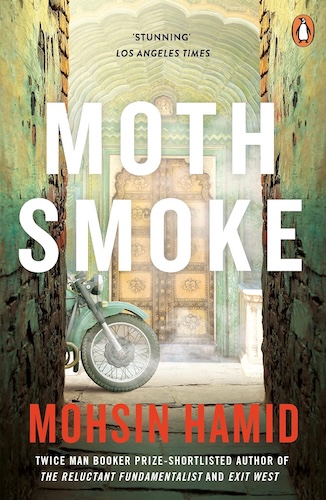
Moth Smoke
Set in Lahore during the sweltering summer of 1998, against the backdrop of Pakistan’s first nuclear tests, Moth Smoke follows Darashikoh “Daru” Shezad, a young banker whose carefully constructed life begins to collapse after he loses his job. Suddenly unable to maintain his place among the city’s privileged elite, Daru watches as his childhood friend Ozi returns from America with a wealthy lifestyle, a beautiful wife, and a future that seems increasingly out of reach. Daru becomes obsessed with Ozi’s wife, Mumtaz, a restless woman who secretly works as an investigative journalist, and their attraction draws him into a dangerous spiral of drugs, crime, and self-destruction. Told through shifting perspectives, courtroom testimonies, and the voices of those who know him, the novel gradually reveals the contradictions of its troubled protagonist. Beyond Daru’s personal downfall, Hamid paints a vivid portrait of a society divided by wealth, corruption, and inherited privilege. Like moths drawn irresistibly toward a flame, the characters pursue desires that may ultimately destroy them. Moth Smoke is a sharp, darkly humorous exploration of ambition, inequality, and moral collapse in a rapidly changing Pakistan.
Pakistan
2000
6

White Teeth
Set in multicultural London, White Teeth follows the intertwined lives of two families whose histories reflect the complexities of immigration, colonialism, and cultural belonging in modern Britain. Archie Jones, a disillusioned Englishman, and Samad Iqbal, a Bangladeshi Muslim immigrant, become unlikely friends during the Second World War. Decades later, their families remain connected as their children grow up navigating questions of heritage, religion, and identity in a rapidly changing society.
Samad struggles to preserve his cultural traditions while raising twin sons, Magid and Millat, whose opposing paths challenge his expectations. Meanwhile, Archie’s daughter, Irie, searches for a sense of belonging amid conflicting ideas about race, beauty, and family history. Their lives become entangled with the Chalfens, a liberal, intellectually confident British family whose influence exposes the contradictions within multicultural society.
Combining sharp humor, memorable characters, and intergenerational storytelling, Smith’s debut novel explores the tension between tradition and modernity, the lasting effects of colonial history, and the ways family legacies shape individual identity. White Teeth is a vibrant portrait of contemporary Britain and its many overlapping cultures.
United Kingdom
2000
7
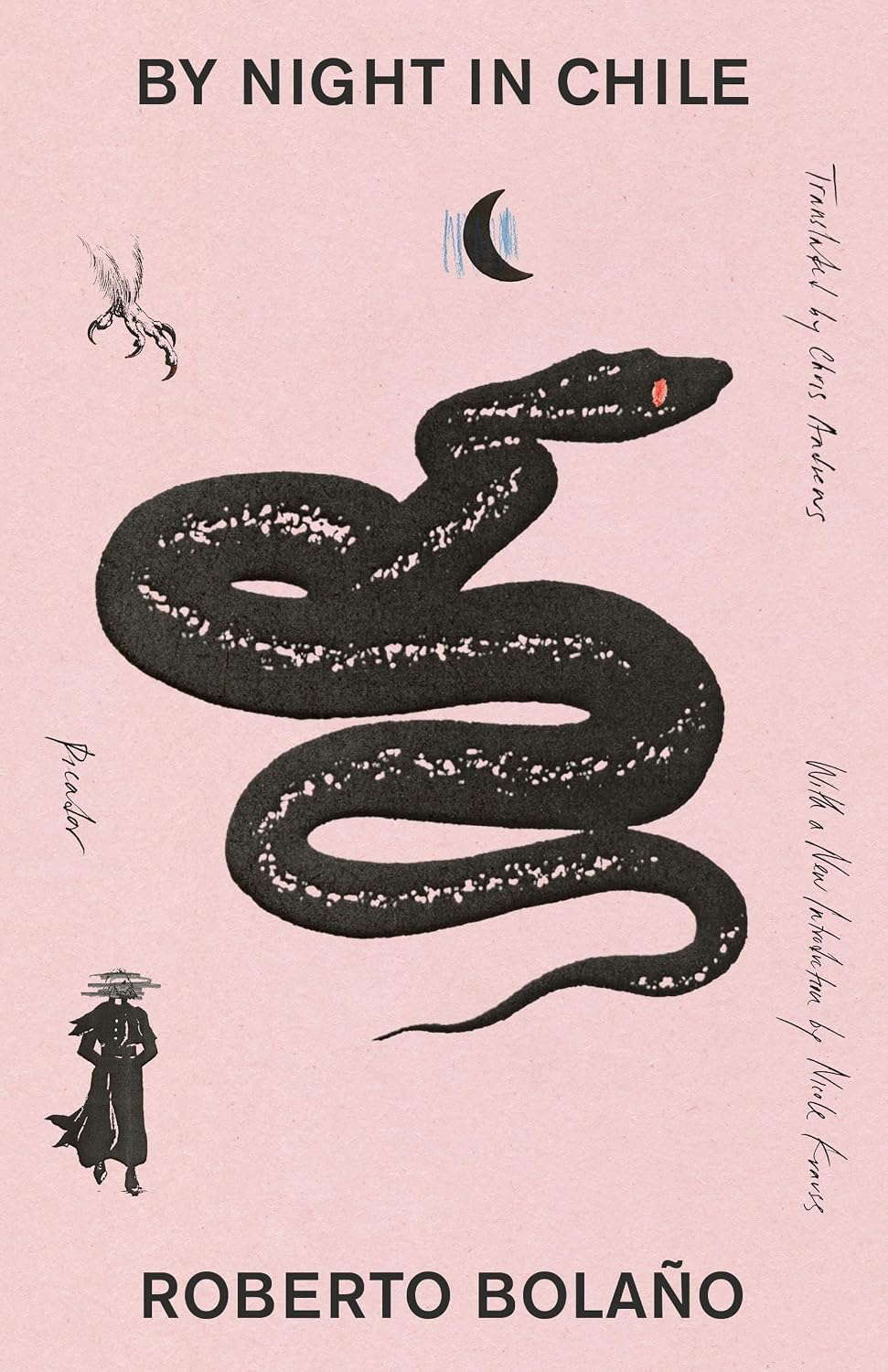
By Night in Chile
By Night in Chile is narrated by Father Sebastián Urrutia Lacroix, a Chilean priest, literary critic, and member of the country’s intellectual establishment. As he lies dying, he reflects on his life, defending his decisions and attempting to reconcile his cultural ambitions with the political realities of Chile under Augusto Pinochet’s dictatorship. His memories reveal disturbing connections between literary circles, religious institutions, and the machinery of political repression. Bolaño uses a single, breathless monologue to expose the compromises and silences of people who preserve their social standing while injustice unfolds around them. Blurring the boundaries between confession, satire, and historical testimony, the novella examines complicity, moral cowardice, and the responsibility of intellectuals when faced with authoritarian power.
Chile
2000
8
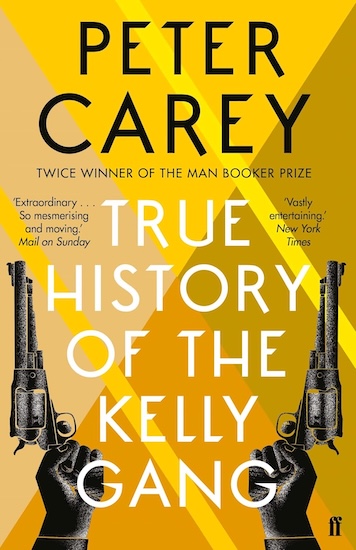
True History of the Kelly Gang
In True History of the Kelly Gang, Australian novelist Peter Carey reimagines the life of Ned Kelly, one of Australia’s most notorious historical outlaws, through a fictional autobiography written in Kelly’s own voice. Growing up in colonial Victoria during the nineteenth century, Ned experiences poverty, discrimination, and repeated confrontations with the authorities. His Irish family is treated with suspicion by the British colonial establishment, and his early encounters with the police help shape his growing resentment of a system he sees as unjust.
As Ned becomes a bushranger, he transforms from a struggling young man into a legendary outlaw whose exploits divide public opinion. To the authorities, he is a dangerous criminal; to some members of the impoverished colonial population, he represents resistance to oppression. Writing his account for the daughter he hopes will one day understand him, Ned attempts to reclaim his story from those who would define him as a villain.
Blending historical events with imaginative storytelling, Carey explores the relationship between truth and myth, the legacy of colonialism, and the ways poverty and injustice can shape a person’s destiny. Written in a distinctive vernacular style, the novel challenges readers to question who has the power to tell history and whose voices are remembered.
Australia
2000
9
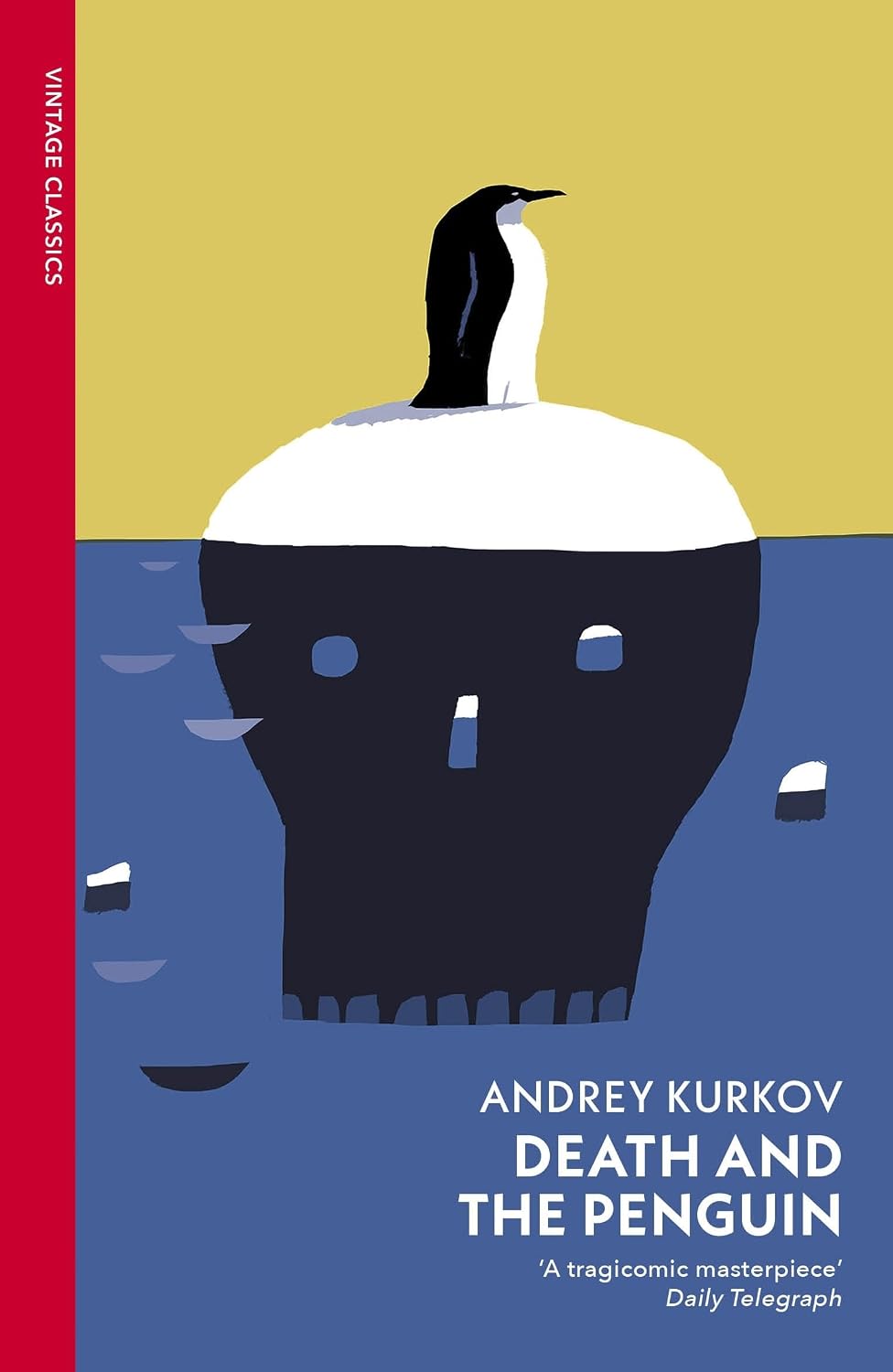
Death and the Penguin
In post-Soviet Kyiv, struggling writer Viktor Alekseyevich Zolotaryov lives a quiet, lonely existence with his unusual companion, Misha, a king penguin rescued from a zoo that can no longer afford to feed its animals. When Viktor secures a job writing obituaries for a local newspaper, he believes his fortunes may finally be changing. His editor, however, has an unsettling request: the obituaries must be written for prominent people who are still alive.
Soon, the subjects of Viktor’s obituaries begin dying under mysterious circumstances, drawing him into a dangerous world of political corruption and organised crime. As he tries to understand his role in these events, his apartment becomes a refuge for a young girl and her nanny, bringing unexpected responsibilities into his isolated life.
Blending dark humour, absurdism, and political satire, Death and the Penguin offers a haunting portrait of a society struggling to find its footing after the collapse of the Soviet Union. Through Viktor’s unlikely bond with Misha, Kurkov explores loneliness, moral compromise, and the quiet struggle to remain human in a world where violence has become ordinary.
Ukraine
2001
10
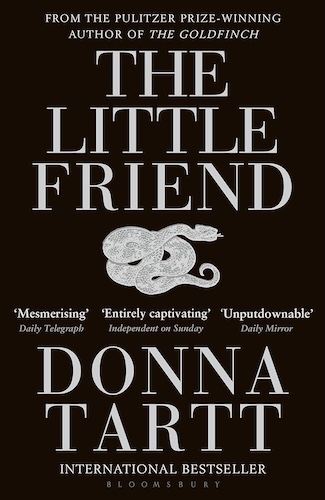
The Little Friend
In the sweltering American South, twelve-year-old Harriet Dufresnes becomes determined to solve the mysterious murder of her older brother, Robin, who was killed when she was still a baby. Driven by grief, imagination, and a fierce sense of justice, she ventures into a world of family secrets, dangerous people, and unsettling discoveries. A dark Southern Gothic novel about childhood, vengeance, and the stories we tell ourselves to make sense of loss.
United States
2002
11
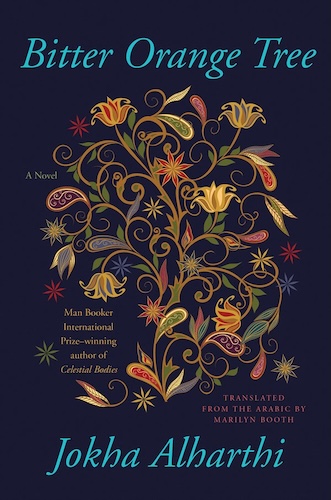
Bitter Orange Tree
When Omani student Zuhour leaves her home to study at a university in Britain, she finds herself caught between the promise of a new life and the memories of the people she has left behind. Among them is Bint Aamir, the woman she regarded as her grandmother, whose love and sacrifices shaped Zuhour’s childhood. Bint Aamir’s own life was marked by constrained choices and dreams she was never able to fulfil, finding solace beneath a beloved bitter orange tree.
As Zuhour struggles with loneliness, complicated friendships, and the challenge of finding her place in an unfamiliar country, memories and dreams draw her back to Oman. Through a lyrical, nonlinear narrative, Jokha Alharthi weaves together the lives of two women separated by generations but connected by longing, affection, and the desire for independence. Bitter Orange Tree explores how family histories, social class, and gender expectations shape women’s lives—and how understanding the past can help us imagine a different future.
Oman
2002
12
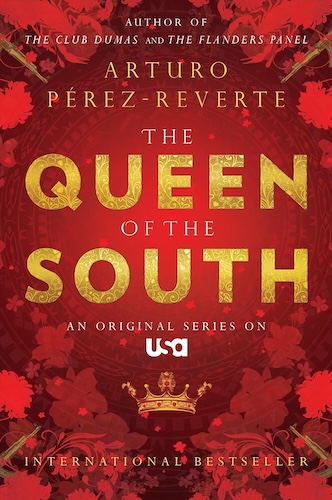
Queen of the South
When the phone rings, Teresa Mendoza knows her life is about to change forever. Her boyfriend, a pilot who smuggles drugs for the Mexican cartels, has warned her that if she ever receives that call, she must run for her life. When he is murdered, Teresa flees Mexico, leaving behind everything she knows and entering an unfamiliar world where survival depends on intelligence, courage, and the ability to trust no one.
Her journey takes her from Mexico to Spain, where she becomes involved in the dangerous business of smuggling hashish across the Strait of Gibraltar. Initially an outsider in a ruthless, male-dominated criminal world, Teresa gradually discovers her talent for negotiation, strategy, and business. As she builds her own network and accumulates wealth and influence, she transforms herself from a frightened young woman into a formidable criminal leader.
Spanning continents and more than a decade, Pérez-Reverte’s novel combines crime thriller, political intrigue, and a powerful portrait of female ambition. Inspired in part by real-world drug-trafficking networks, the story explores loyalty, betrayal, identity, and the price of power. Teresa’s rise challenges conventional ideas about femininity and authority, while revealing the brutal realities of a world where survival often demands becoming the very person one once feared.
Spain
2002