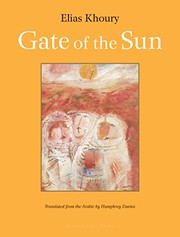
Gate of the Sun
by Elias Khoury
Summary
Gate of the Sun is an epic novel that explores the Palestinian experience of displacement through the intertwined stories of refugees who fled their villages during the creation of Israel in 1948. Set primarily in a makeshift hospital in a Palestinian refugee camp near Beirut, the novel follows Khalil, a young man who cares for his mentor, Yunes, an ageing resistance fighter lying in a coma. As Khalil speaks to Yunes, he recounts stories of love, loss, resistance, and survival, attempting to keep his mentor alive through memory and storytelling.
At the heart of the narrative is Yunes’s relationship with Nahila, his wife, whom he secretly visits across the border in a cave known as the Gate of the Sun. Their story becomes a symbol of the enduring connection between Palestinians and their lost homeland. Through fragmented memories and multiple voices, Elias Khoury examines exile, identity, political struggle, and the power of storytelling to preserve a history threatened with erasure. Both intimate and sweeping, the novel portrays the human cost of dispossession while exploring how personal memories become part of a people’s collective history.
Reviews
Login to leave a review.
No reviews yet. Be the first!
You might also like
- Published
- 1998
- Author
- Elias Khoury