Fiction
All countries
Afghanistan
Albania
Antigua and Barbuda
Argentina
Armenia
Australia
Austria
Azerbaijan
Bahamas
Bahrain
Bangladesh
Barbados
Belarus
Belgium
Belize
Bhutan
Bosnia and Herzegovina
Brazil
Brunei
Bulgaria
Cabo Verde
Canada
Central African Republic
Chile
China
Congo, Democratic Republic
Croatia
Cuba
Czech Republic
Denmark
Djibouti
Dominica
Dominican Republic
Ecuador
Egypt
Fiji
Finland
France
Georgia
Germany
Greece
Hungary
Iceland
India
Indonesia
Iran
Iraq
Ireland
Italy
Jamaica
Japan
Jordan
Kazakhstan
Kenya
Kuwait
Kyrgyzstan
Lebanon
Libya
Malaysia
Mexico
Morocco
Netherlands
New Zealand
Nigeria
Norway
Oman
Pakistan
Palestine
Panama
Peru
Philippines
Poland
Portugal
Romania
Russia
Saudi Arabia
Senegal
Singapore
Slovenia
Somalia
South Korea
Spain
Sri Lanka
Sudan
Sweden
Switzerland
Syria
Taiwan
Tanzania
Thailand
Türkiye
Turkmenistan
Ukraine
United Arab Emirates
United Kingdom
United States
Uzbekistan
Yemen
Zambia
1
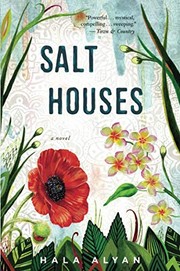
Salt Houses
Salt Houses follows several generations of the Palestinian Yacoub family as political upheaval repeatedly forces them to leave their homes and rebuild their lives elsewhere. Beginning in Nablus in the 1960s, the story traces the family’s experiences through the Six-Day War, the displacement caused by regional conflicts, and the subsequent lives of their descendants across the Middle East, Europe, and the United States. Each generation inherits a complicated relationship with Palestine, balancing memories of a lost homeland with the practical demands of creating a future in unfamiliar places. As family members develop different ideas about belonging, identity, and home, their relationships are shaped by both shared history and personal choices. Alyan explores the intergenerational effects of displacement, revealing how exile can become part of family identity even for those who have never experienced their ancestral homeland themselves.
Palestine
2018
2
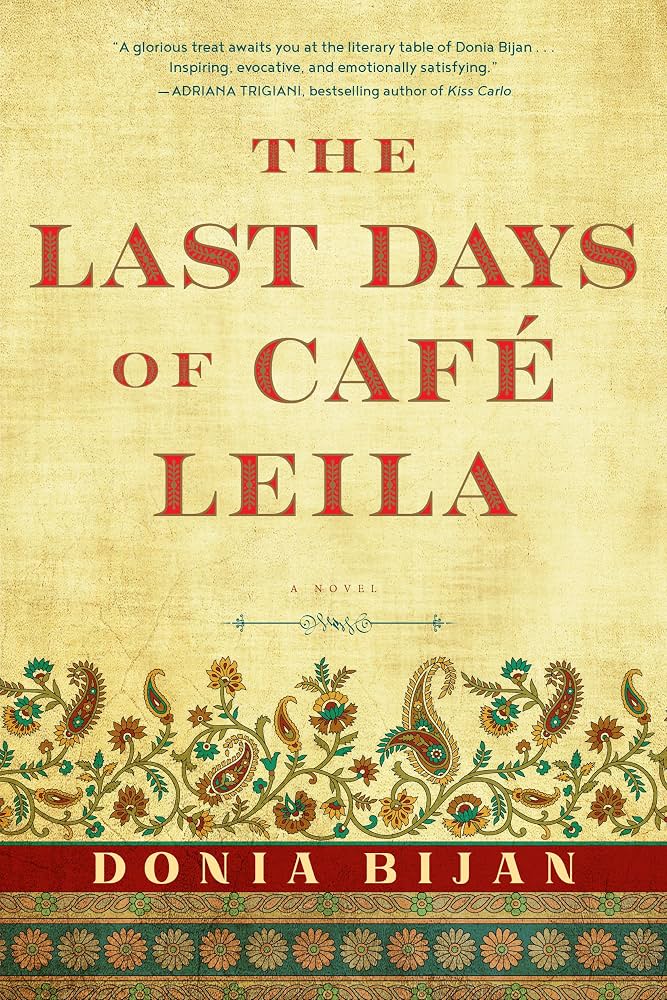
Last Days of Café Leila
The Last Days of Café Leila follows Noor, an Iranian-American woman who returns to Tehran with her young daughter, Lily, after years of living in the United States. She comes back to the family café, a beloved gathering place run by her father, Zod, whose cooking and hospitality have long brought people together. Although Noor hopes to find comfort and reconnect with her roots, returning home forces her to confront painful memories, unresolved family tensions, and the choices that led her to leave Iran.
As Noor and her father attempt to rebuild their relationship, the café becomes a symbol of belonging, cultural memory, and the traditions that bind generations together. Through food, family stories, and the changing atmosphere of Tehran, Donia Bijan explores the complexities of immigration, identity, and the meaning of home. The novel also examines the tensions between personal freedom and cultural expectations, revealing how family bonds can endure despite distance and disappointment. Warm and reflective, it celebrates the power of shared meals and inherited traditions to reconnect people with their past.
Iran
2018
3

Scenes from a Childhood
Scenes from a Childhood brings together a series of short prose pieces by Norwegian writer Jon Fosse, offering glimpses into the memories, experiences, and inner life of a boy growing up in rural Norway. Through seemingly ordinary moments—family encounters, childhood fears, religious experiences, and observations of the surrounding landscape—Fosse reveals how early experiences shape a person’s understanding of the world.
Written in his characteristic minimalist style, the collection relies on repetition, silence, and subtle shifts in perspective rather than conventional storytelling. Memories appear fragmented and sometimes dreamlike, reflecting the uncertain nature of recollection and the persistence of childhood emotions into adulthood. Beneath the quiet surface, the stories explore family relationships, loneliness, spirituality, and the tension between belonging and isolation. Fosse transforms small, everyday events into moments of profound significance, suggesting that the foundations of identity are often formed through experiences that seem insignificant at the time but remain with us long after childhood has passed.
Norway
2018
4

How to Love a Jamaican
How to Love a Jamaican is a collection of short stories exploring love, family, migration, and the complexities of Jamaican identity. Moving between Jamaica and the Jamaican diaspora in the United States, Alexia Arthurs portrays characters navigating the tensions between cultural heritage and the desire for a different life. Her stories follow young people confronting sexuality and social expectations, immigrants struggling to belong in unfamiliar places, and families negotiating the emotional distance created by migration. Through intimate relationships and everyday encounters, Arthurs examines how race, class, religion, and national identity shape the ways people understand themselves and one another. Blending humor, tenderness, and emotional honesty, the collection offers a nuanced portrait of Jamaican life across borders, revealing the complicated meanings of home, belonging, and love.
Jamaica
2018
5
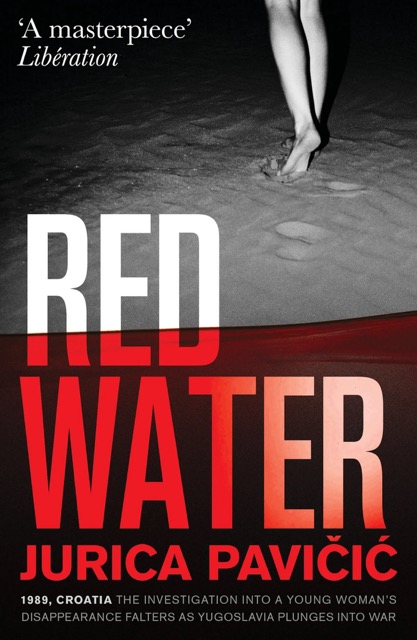
Red Water
One summer evening in 1989, seventeen-year-old Silva Vela disappears from a small coastal village in Dalmatia. At first, the police suspect she has run away, but as Yugoslavia begins to unravel, her disappearance becomes a mystery that will haunt two families for decades. Silva’s brother, Mate, refuses to give up searching for her, while the investigation exposes buried secrets, fractured loyalties, and the quiet transformations of a society caught between socialism, war, and capitalism. Spanning thirty years, Red Water is more than a gripping crime novel: it is a portrait of a community slowly changing beyond recognition. Against the backdrop of Croatia’s turbulent recent history, Pavičić explores how a single disappearance can reshape lives, reveal uncomfortable truths, and leave a wound that never quite heals.
Croatia
2017
6
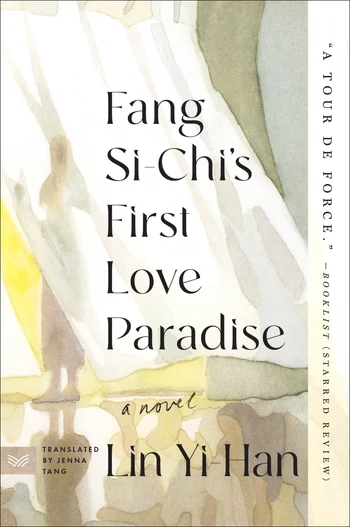
Fang Si-Chi's First Love Paradise
Thirteen-year-old Fang Si-Chi loves literature and believes that beautiful words can help her understand the world. When a respected literature teacher offers to tutor her, her parents see an opportunity for their gifted daughter. Instead, their trust exposes her to a devastating betrayal that will transform her understanding of love, desire, and herself. As Si-Chi struggles to make sense of her experience, she turns to the books she once believed held all the answers. Inspired by the author’s own experiences, this haunting novel examines sexual abuse, the manipulation of innocence, and the social structures that protect perpetrators while silencing victims. With lyrical prose and unflinching psychological insight, Lin Yi-Han exposes the terrifying distance between the romantic ideals we inherit from literature and the realities of human cruelty.
Taiwan
2017
7
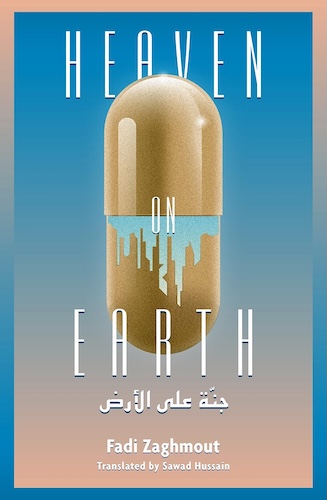
Heaven on Earth
What would happen if science made it possible to remain young forever? Set in Jordan in the 2090s, Heaven on Earth imagines a future transformed by advances in biotechnology and nanotechnology that allow people to reverse the aging process. Yet the promise of eternal youth brings unexpected moral, social, and emotional dilemmas.
At the heart of the novel is Janna Abdallah, a journalist navigating a world where humanity has gained unprecedented control over life and death. Her brother, Jamal, who contributed to the scientific breakthroughs behind this new reality, makes the controversial decision to reject age suppression and allow himself to die naturally. His choice unsettles the family and challenges the assumptions of a society that has come to regard aging as a problem to be solved. Meanwhile, strict reproductive regulations complicate the family’s hopes for the future.
Blending speculative fiction with social commentary, Zaghmout explores the ethical limits of scientific progress, individual autonomy, family relationships, and the meaning of a fulfilling life. By placing these questions within a distinctly Jordanian cultural setting, he invites readers to reconsider the boundaries between technological possibility and human freedom.
Jordan
2017
8
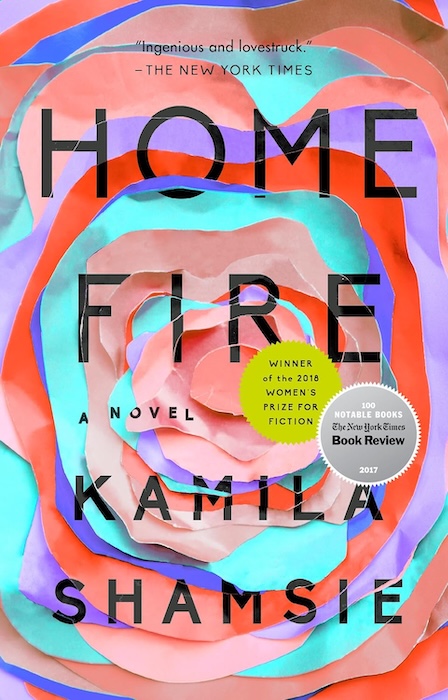
f
Home Fire is a contemporary reimagining of Sophocles’ ancient Greek tragedy Antigone, exploring family loyalty, political power, and the struggles of British Muslims to reconcile cultural identity with national belonging.
The novel follows Isma Pasha, who has spent years caring for her younger twin siblings, Aneeka and Parvaiz, after their mother’s death. When Isma finally leaves London to pursue her studies in the United States, she remains deeply concerned about her siblings. Parvaiz, haunted by the legacy of his deceased jihadist father, travels to Syria to join ISIS, only to discover that he has made a devastating mistake. Desperate to bring her brother home, Aneeka becomes involved with Eamonn Lone, the son of a powerful British politician whose hard-line policies threaten her family’s future.
As personal relationships become entangled with national security and political ambition, Shamsie examines the painful consequences of divided loyalties. The novel explores how governments define belonging, whose grief is considered legitimate, and what people are willing to sacrifice for those they love. Home Fire won the 2018 Women’s Prize for Fiction.
United Kingdom
2017
9
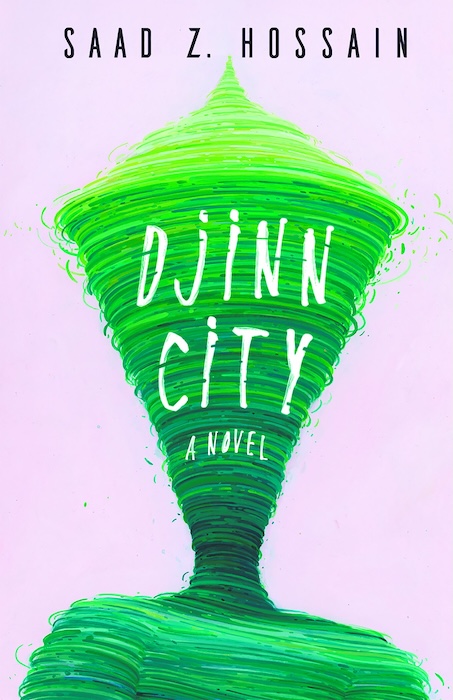
Djinn City
Djinn City is a darkly comic fantasy novel set in Dhaka, Bangladesh, where ancient supernatural forces exist alongside the chaos of modern urban life. The story follows ten-year-old Indelbed, a lonely boy living in a decaying mansion with his eccentric father, Dr. Kaikobad. When his father falls into a mysterious supernatural coma, Indelbed discovers that his family has a secret connection to the world of djinn—powerful, long-lived beings drawn from Islamic and Middle Eastern mythology.
With the help of his older cousin Rais, Indelbed uncovers the truth about his origins and learns that he has become the target of a dangerous hunt. His journey draws him into the complicated politics of the djinn world, where ancient rivalries, strange creatures, and powerful factions threaten both humans and supernatural beings.
Blending fantasy, science fiction, mythology, and sharp social satire, Hossain creates an imaginative adventure that explores family, power, and the consequences of ancient conflicts. The novel also offers a distinctive portrayal of Bangladesh, using its vibrant capital as the setting for a world where the extraordinary hides beneath the everyday.
Bangladesh
2017
10
On Earth As It Is Beneath
On Earth as It Is Beneath takes place in a remote Brazilian penal colony that has been abandoned by the authorities, leaving prisoners and guards trapped in a brutal and isolated environment. As the prison deteriorates, the people within it become increasingly subject to violence, cruelty, and arbitrary power. The boundaries between those responsible for maintaining order and those imprisoned begin to blur, exposing the moral corruption of a system that has effectively abandoned its own rules. Maia writes in stark, uncompromising prose, creating an atmosphere of dread in which the surrounding landscape intensifies the characters’ sense of confinement. The novel examines punishment, institutional neglect, and the dehumanising effects of unchecked authority. It asks what happens when a society removes people from view and then abandons responsibility for their lives.
Brazil
2017
11
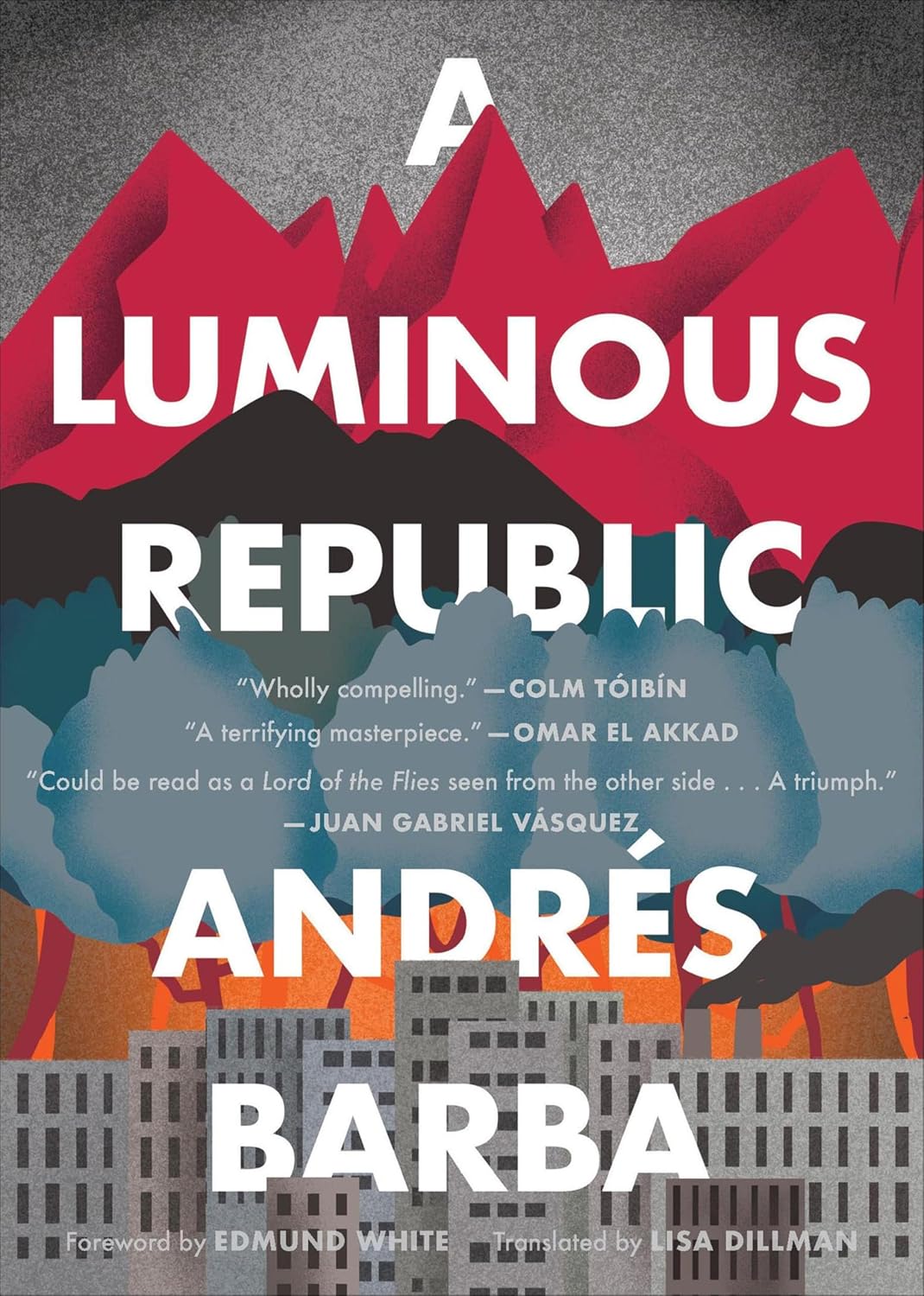
A Luminous Republic
In A Luminous Republic, a narrator looks back on a disturbing episode from his time working in the subtropical town of San Cristóbal. A mysterious group of children appears in the town, living on its margins and communicating in an unfamiliar language. When some of them begin committing acts of violence, the community struggles to understand their behaviour and decide how to respond. What initially seems like a social mystery gradually becomes a troubling examination of the boundaries between civilisation and savagery, childhood and adulthood, and order and chaos. Barba challenges the idealised image of childhood innocence, asking how societies define outsiders and how fear shapes collective behaviour. The novel reads like a modern fable about the fragility of social norms and the limits of human understanding.
Spain
2017
12
Pachinko
Pachinko follows four generations of a Korean family whose lives are transformed by migration, discrimination, and the search for belonging. The story begins in early twentieth-century Korea, where young Sunja becomes pregnant by a wealthy man who refuses to marry her. She accepts an offer of marriage from a kind-hearted minister and moves with him to Japan, hoping to build a better future. However, the family encounters widespread prejudice against Koreans living in Japan, limiting their opportunities and shaping their identities. As the story moves across generations, each family member struggles to balance personal ambition with cultural heritage and social expectations. Lee explores sacrifice, resilience, family loyalty, and the consequences of historical injustice, portraying how individuals attempt to create meaningful lives in a society that refuses to fully accept them.
South Korea
2017