Fiction
All countries
Afghanistan
Albania
Antigua and Barbuda
Argentina
Armenia
Australia
Austria
Azerbaijan
Bahamas
Bahrain
Bangladesh
Barbados
Belarus
Belgium
Belize
Bhutan
Bosnia and Herzegovina
Brazil
Brunei
Bulgaria
Cabo Verde
Canada
Central African Republic
Chile
China
Congo, Democratic Republic
Croatia
Cuba
Czech Republic
Denmark
Djibouti
Dominica
Dominican Republic
Ecuador
Egypt
Fiji
Finland
France
Georgia
Germany
Greece
Hungary
Iceland
India
Indonesia
Iran
Iraq
Ireland
Italy
Jamaica
Japan
Jordan
Kazakhstan
Kenya
Kuwait
Kyrgyzstan
Lebanon
Libya
Malaysia
Mexico
Morocco
Netherlands
New Zealand
Nigeria
Norway
Oman
Pakistan
Palestine
Panama
Peru
Philippines
Poland
Portugal
Romania
Russia
Saudi Arabia
Senegal
Singapore
Slovenia
Somalia
South Korea
Spain
Sri Lanka
Sudan
Sweden
Switzerland
Syria
Taiwan
Tanzania
Thailand
Türkiye
Turkmenistan
Ukraine
United Arab Emirates
United Kingdom
United States
Uzbekistan
Yemen
Zambia
1
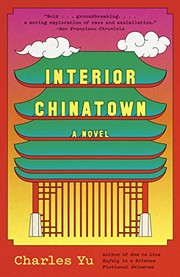
Interior Chinatown
Interior Chinatown follows Willis Wu, a Taiwanese American man living in Los Angeles who dreams of becoming the protagonist of his own story. Instead, he finds himself trapped in stereotypical supporting roles on a television police drama, where Asian American actors are routinely cast as background characters, sidekicks, and criminals. Willis hopes to move beyond his recurring role as Generic Asian Man and eventually achieve the status of Kung Fu Guy, the highest position he believes someone like him can reach.
Presented in the format of a screenplay, complete with stage directions and scenes, the novel blends satire, drama, and social commentary. As Willis pursues his ambitions, he confronts the limitations imposed by racial stereotypes and the expectations of his family and community. His personal journey becomes an exploration of what it means to be seen, to belong, and to define oneself beyond the roles assigned by others.
Through its inventive structure and sharp humour, Yu examines representation, assimilation, generational conflict, and the struggle to claim an authentic identity in a society that often reduces people to familiar caricatures.
United States
2020
2
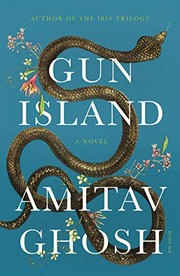
Gun Island
In Gun Island, Amitav Ghosh follows Deen Datta, a Brooklyn-based Indian rare-book dealer whose fascination with an obscure Bengali legend leads him on an unexpected journey from Kolkata to the Sundarbans and Venice. As he investigates the story of a merchant who escaped the wrath of the snake goddess Manasa Devi, Deen encounters mysterious coincidences, ancient myths, and people whose lives have been transformed by migration and environmental upheaval. Along the way, he witnesses the devastating effects of climate change, including rising seas, extreme weather, and threats to vulnerable communities. Blending folklore, history, and contemporary fiction, Ghosh explores the connections between human migration, ecological crisis, and cultural memory, questioning whether ancient stories might offer new ways of understanding the environmental challenges of the modern world.
India
2020
3
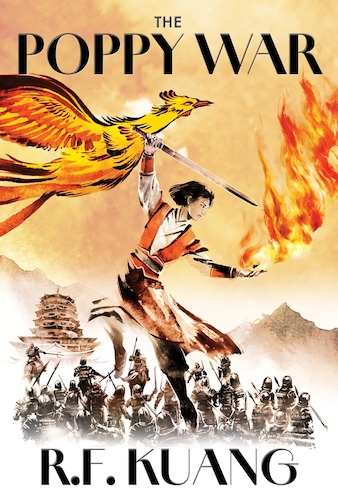
The Poppy War
An orphan from a poor southern province. An elite military academy. A power that could destroy an empire.
When Rin unexpectedly earns a place at Sinegard, the Nikara Empire’s most prestigious military academy, she believes she has finally escaped a future of poverty and forced marriage. But prejudice, relentless training, and the discovery of her extraordinary shamanic abilities soon push her into a world far more dangerous than she imagined. As war threatens to engulf the empire, Rin discovers that the gods are real—and that the power they offer comes at a terrible price. Inspired by twentieth-century Chinese history, particularly the Second Sino-Japanese War, this dark and uncompromising fantasy explores the brutal realities of warfare, the seduction of vengeance, and the devastating consequences of power. Rin must decide what she is willing to sacrifice to protect her people—and what remains of her humanity when survival demands unimaginable choices.
China
2019
4
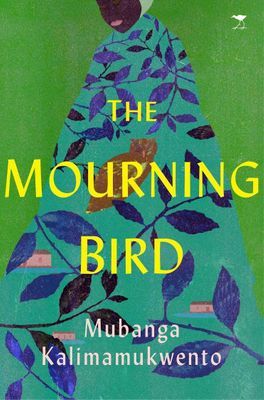
The Mourning Bird
Set in Zambia during the turbulent 1990s, The Mourning Bird follows eleven-year-old Chimuka and her younger brother, Ali, whose lives are shattered by a series of family tragedies. After their father dies and their mother’s struggle to keep the family together ends in further heartbreak, the siblings are left facing an uncertain future. Rejected by their abusive extended family, they escape to the streets of Lusaka, where survival means navigating poverty, violence, drugs, and police brutality.
As Chimuka grows into adolescence, she confronts the limited choices available to vulnerable girls in a society where poverty and gender inequality expose them to exploitation. Meanwhile, Ali becomes increasingly entangled in crime and addiction. Their struggle unfolds against a backdrop of political instability, economic decline, and the devastating impact of HIV/AIDS on Zambian families.
Unflinching yet deeply compassionate, Kalimamukwento’s debut novel examines childhood, grief, and resilience while revealing the hidden suffering of those living on the margins of society. It is both an intimate story of two siblings fighting to survive and a portrait of a nation grappling with profound social upheaval.
Zambia
2019
5
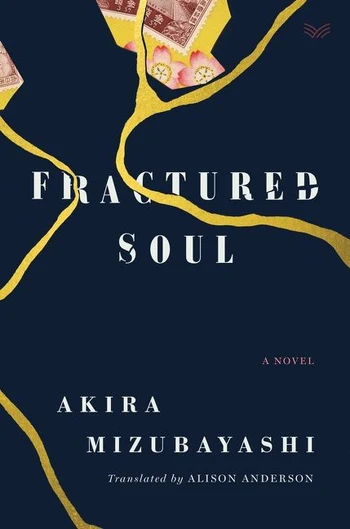
Fractured Soul
Tokyo, 1938. During a private musical gathering, military police burst in and arrest Yu, a Japanese musician whose love of Western classical music has drawn suspicion. His young son, Rei, witnesses the destruction of his father’s violin and the sudden collapse of their family. With the help of a compassionate stranger, Rei escapes to France, carrying the fragments of the broken instrument. Decades later, now living in Paris as a violin maker, he dedicates himself to restoring damaged instruments—but the wounds of his childhood remain unresolved. When a young violinist unexpectedly reconnects him with his past, the broken violin becomes a symbol of memory, loss, and the possibility of healing. Moving between Japan and France, Fractured Soul explores the enduring power of music to transcend political violence and bring people together across generations. It is a poignant story about what war destroys, what art preserves, and how beauty can emerge from the deepest suffering.
Japan
2019
6
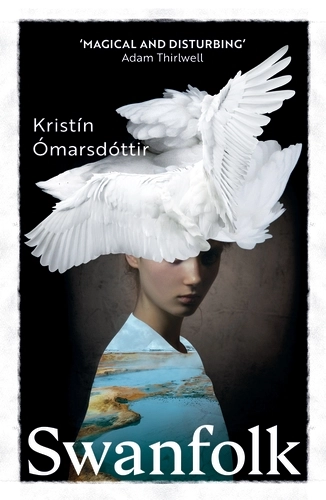
Swanfolk
Set in a strange, unsettling future, Swanfolk follows Elísabet Eva, a young intelligence agent whose life begins to unravel after a traumatic assignment in Paris. Seeking solitude, she takes long walks beside a lake, where she encounters mysterious creatures that are half-woman and half-swan. Fascinated by these beings, she gradually enters their hidden world and becomes entangled in their obsessive, sometimes violent struggle to exist alongside humans. As her involvement deepens, Elísabet begins to question her own perceptions and the reliability of her memories. Blending surrealism, dark fantasy, and psychological fiction, Kristín Ómarsdóttir’s novel explores the fragile boundaries between reality and imagination, belonging and alienation, and the human desire to escape one’s past. Strange, lyrical, and unsettling, Swanfolk uses its mythical creatures to examine the complexities of identity and the difficulty of understanding oneself.
Iceland
2019
7
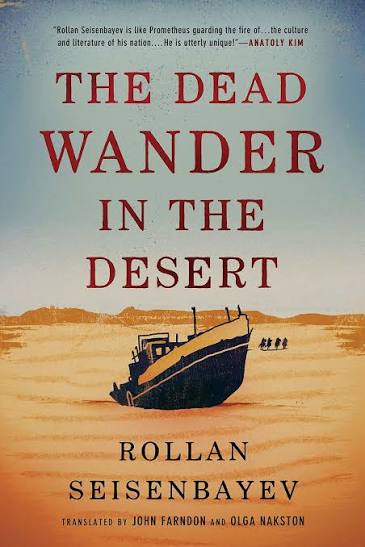
The Dead Wander in the Desert
Set on the vast steppes of Soviet Kazakhstan during the final decades of the USSR, The Dead Wander in the Desert tells the story of a community whose existence is threatened by the ecological destruction of the Aral Sea. Nasyr, an elderly fisherman who becomes a village mullah, watches as the waters that once sustained his people recede, leaving behind a barren landscape and a vanishing way of life. His son, Kakharman, challenges the authorities responsible for diverting the rivers that feed the sea to support ambitious agricultural projects, particularly cotton cultivation. But his struggle against the Soviet bureaucracy seems almost impossible.
Through the lives of a Kazakh family and their neighbors, Seisenbayev explores the devastating consequences of environmental mismanagement, political oppression, and the pursuit of progress at any cost. Blending social history, philosophical reflection, and the rhythms of traditional storytelling, the novel also recalls the wider tragedies endured by the Kazakh people under Soviet rule. Both an elegy for a disappearing world and a warning about humanity’s relationship with nature, it gives a deeply personal dimension to one of the twentieth century’s greatest environmental catastrophes.
Kazakhstan
2019
8
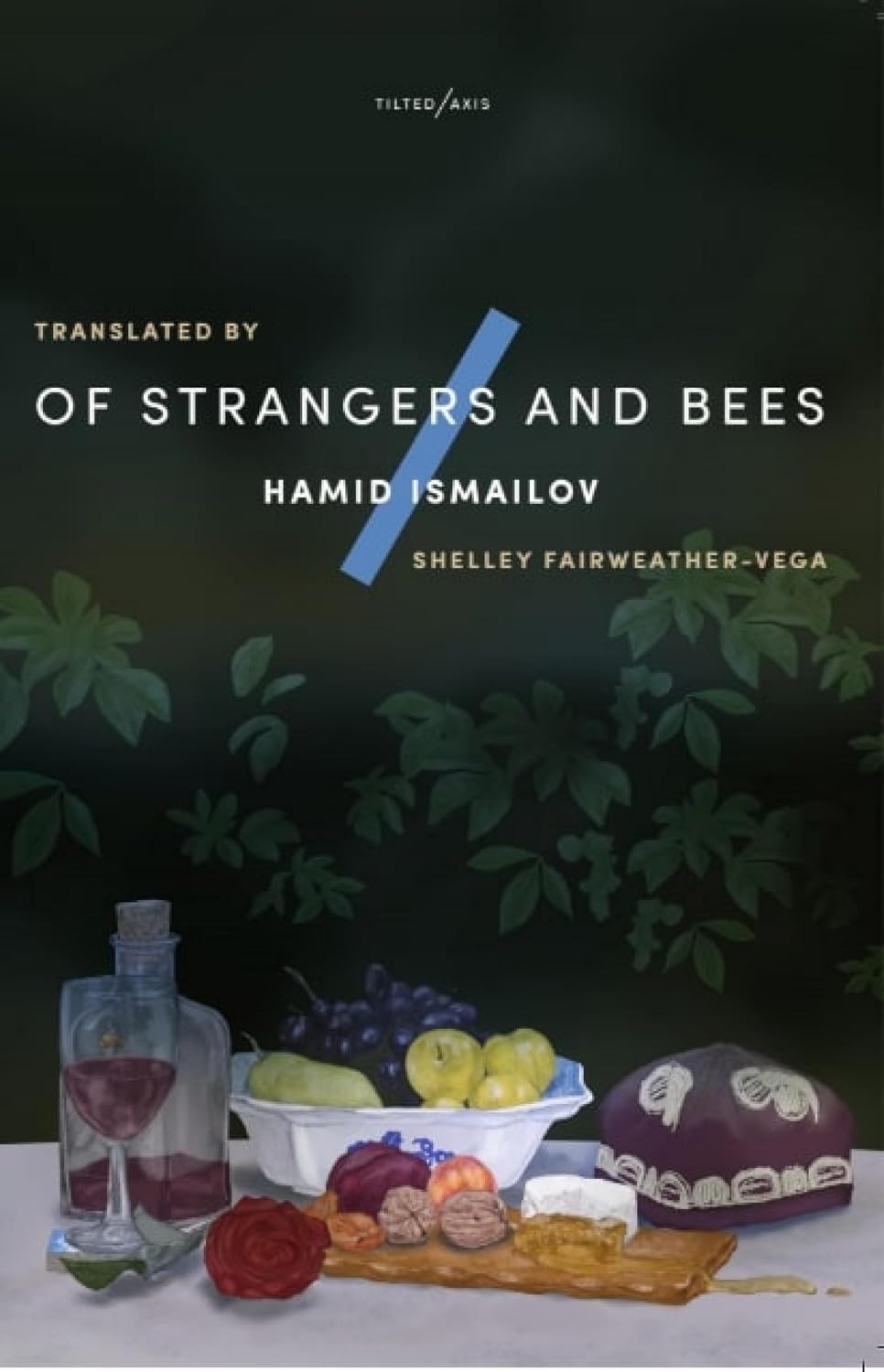
Of Strangers and Bees
In Of Strangers and Bees, Uzbek writer Hamid Ismailov weaves together the experiences of a contemporary exile and the extraordinary life of Avicenna, the celebrated medieval philosopher, physician, and polymath. The novel follows Sheikhov, an Uzbek writer living far from his homeland, who awakens from a troubling dream convinced that Avicenna continues to wander the world in different incarnations. Their journeys echo one another across centuries and cultures, moving through Ottoman Turkey, medieval Germany, and Renaissance Italy.
Blending historical fiction, philosophical reflection, traditional storytelling, and Sufi mysticism, Ismailov explores the meaning of belonging and the loneliness of life in exile. The novel also draws on Hayy ibn Yaqzan, a landmark work of medieval Islamic philosophy concerned with knowledge, reason, and spiritual awakening. Through layered narratives and allegorical episodes, Ismailov considers how people search for truth and wisdom while negotiating the boundaries between cultures, histories, and identities. The result is an imaginative meditation on displacement, intellectual freedom, and the enduring human quest for understanding.
Uzbekistan
2019
9
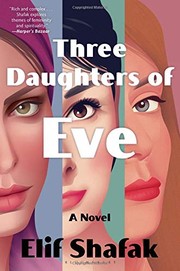
Three Daughters of Eve
Three Daughters of Eve follows Peri, a wealthy Turkish woman whose apparently comfortable life in Istanbul conceals unresolved questions about faith, identity, and personal responsibility. During a dinner party years after her university studies at Oxford, a photograph unexpectedly brings back memories of her time there in the 1990s. As a student, Peri became involved with a charismatic professor who encouraged his pupils to debate religion and belief. Her friendships with two fellow students—one deeply religious and the other firmly atheist—exposed her to conflicting ideas about spirituality, feminism, and freedom. Their relationships eventually culminated in an incident that Peri has struggled to understand ever since. Shafak explores the tension between faith and doubt, the influence of family and culture, and the difficulty of forming an independent worldview in a politically divided society.
Türkiye
2019
10
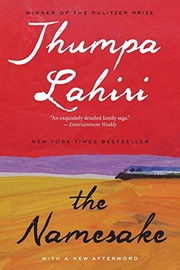
The Namesake
The Namesake follows the Ganguli family as they move from Calcutta to the United States in search of a new life. Their son, Gogol, grows up caught between his Bengali heritage and the American culture in which he was raised. Named after the Russian writer Nikolai Gogol for personal reasons connected to his father’s past, he comes to resent the unusual name that distinguishes him from his peers. As he grows older, Gogol struggles with romantic relationships, family expectations, and the challenge of defining himself independently of his parents’ experiences. Following the family’s journey across several decades, Lahiri explores migration, cultural adaptation, and the complicated relationship between parents and children. The novel examines how names, memories, and inherited traditions shape identity, revealing that belonging is rarely a simple choice between two cultures.
India
2019
11
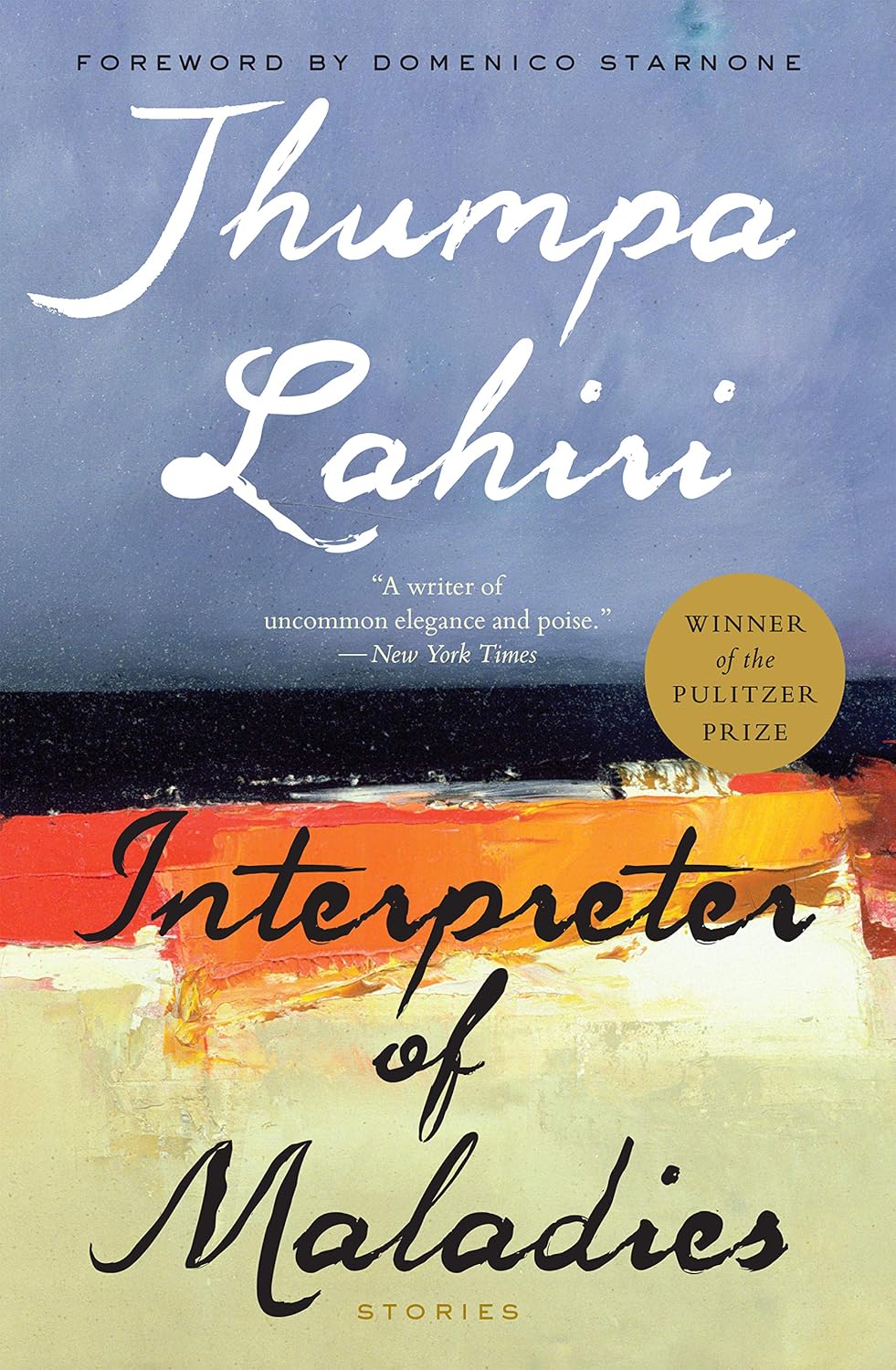
Interpreter of Maladies
Interpreter of Maladies is a collection of nine short stories exploring the lives of Indian and Indian American characters navigating love, cultural displacement, family obligations, and loneliness. In the title story, an Indian tour guide who works as an interpreter for a doctor becomes the confidant of an American woman of Indian origin, whose personal revelations challenge his understanding of intimacy and connection. Other stories portray arranged marriages, strained relationships between parents and children, and the emotional difficulties of living between cultures. Lahiri pays close attention to ordinary moments when misunderstandings, unspoken desires, and private disappointments reveal deeper struggles. Her characters often appear caught between the expectations of their heritage and the realities of their present lives. The collection explores belonging, communication, and the quiet emotional distances that can separate people who seem intimately connected.
India
2019
12
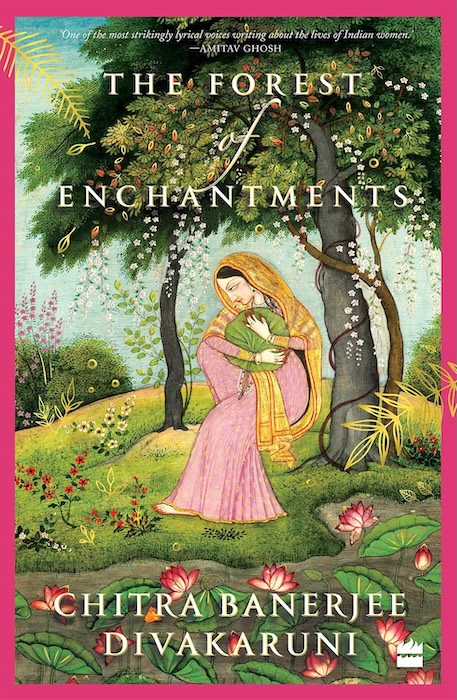
Forest of Enchantments
The Forest of Enchantments reimagines the ancient Indian epic Ramayana through the perspective of Sita, the heroine whose experiences have often been overshadowed by those of the male characters. From her early life and marriage to Prince Rama to their exile in the forest, Sita’s story unfolds as a journey marked by love, sacrifice, and difficult choices. After she is abducted by the demon king Ravana and eventually reunited with Rama, she faces further trials that challenge her dignity and independence. Divakaruni also brings attention to other women in the epic, including Kaikeyi, Surpanakha, and Mandodari, exploring the complicated motivations behind their actions. By giving these women their own voices, the novel questions traditional ideas about duty, honour, and obedience. It offers a feminist interpretation of a foundational Indian epic, examining women’s autonomy and their struggle to define themselves within a world governed by patriarchal expectations.
India
2019