Fiction
All countries
Afghanistan
Albania
Antigua and Barbuda
Argentina
Armenia
Australia
Austria
Azerbaijan
Bahamas
Bahrain
Bangladesh
Barbados
Belarus
Belgium
Belize
Bhutan
Bosnia and Herzegovina
Brazil
Brunei
Bulgaria
Cabo Verde
Canada
Central African Republic
Chile
China
Congo, Democratic Republic
Croatia
Cuba
Czech Republic
Denmark
Djibouti
Dominica
Dominican Republic
Ecuador
Egypt
Fiji
Finland
France
Georgia
Germany
Greece
Hungary
Iceland
India
Indonesia
Iran
Iraq
Ireland
Italy
Jamaica
Japan
Jordan
Kazakhstan
Kenya
Kuwait
Kyrgyzstan
Lebanon
Libya
Malaysia
Mexico
Morocco
Netherlands
New Zealand
Nigeria
Norway
Oman
Pakistan
Palestine
Panama
Peru
Philippines
Poland
Portugal
Romania
Russia
Saudi Arabia
Senegal
Singapore
Slovenia
Somalia
South Korea
Spain
Sri Lanka
Sudan
Sweden
Switzerland
Syria
Taiwan
Tanzania
Thailand
Türkiye
Turkmenistan
Ukraine
United Arab Emirates
United Kingdom
United States
Uzbekistan
Yemen
Zambia
1
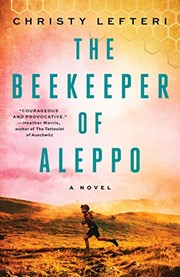
The Beekeeper of Aleppo
The Beekeeper of Aleppo follows Nuri, a beekeeper, and his wife, Afra, an artist, as their peaceful life in Syria is destroyed by war. After suffering devastating personal losses, the couple are forced to leave their home and embark on a dangerous journey towards Britain in search of safety. Afra has lost her sight following a traumatic experience, while Nuri struggles with his own grief and the responsibility of protecting them both. As they travel through unfamiliar countries and refugee camps, their physical journey becomes intertwined with the emotional struggle to recover from trauma. Through their experiences, Lefteri explores displacement, loss, resilience, and the psychological consequences of conflict. The novel offers an intimate portrait of refugees whose lives have been transformed by circumstances beyond their control.
Syria
2019
2
Where Reasons End
Where Reasons End is an intimate, deeply moving novel about a mother’s grief following the death of her teenage son, Nikolai. Unable to accept his absence, the narrator imagines a series of conversations with him in a world suspended between life and death. Through their exchanges, mother and son revisit memories, question language, discuss literature, and reflect on the complexities of their relationship.
Rather than offering simple explanations for an unbearable loss, Yiyun Li explores the limits of understanding and the ways words can both connect people and fail to express what matters most. Their conversations move between tenderness, humour, frustration, and sorrow, revealing the ordinary details that make a relationship unique.
Written in the aftermath of the author’s own loss, the novel blurs the boundaries between fiction and personal experience. It is a profound meditation on motherhood, grief, memory, and the enduring bond between a parent and a child.
China
2019
3
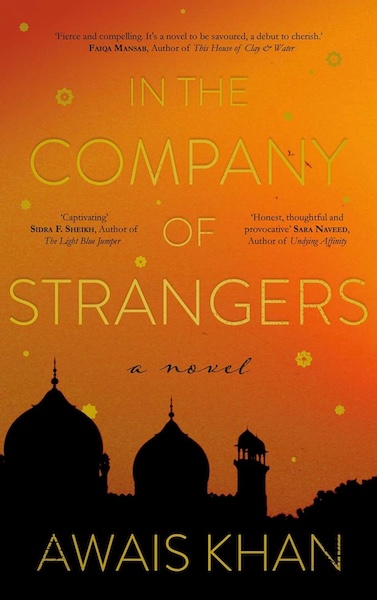
In the Company of Strangers
In the Company of Strangers follows Mona, a forty-one-year-old woman living in Lahore’s wealthy social circles. Despite her financial comfort and privileged lifestyle, she feels trapped in a loveless marriage to a cruel businessman and longs for genuine affection and independence. Seeking an escape from her emotional isolation, she reconnects with an old friend, Meera, who introduces her to a world of glamorous parties, secret affairs, and drugs. There, Mona meets Ali, a younger man whose troubled past and difficult circumstances conceal a deep emotional vulnerability.
As Mona and Ali fall into a forbidden relationship, their attempts to find happiness threaten to unravel their carefully maintained public lives. Against the backdrop of contemporary Pakistan, Awais Khan explores the contradictions of a society where wealth and status coexist with rigid social expectations and hidden suffering. The novel examines class inequality, gender roles, loneliness, and the price of personal freedom, revealing how the desire to escape one form of confinement can lead to unexpected and devastating consequences.
Pakistan
2019
4
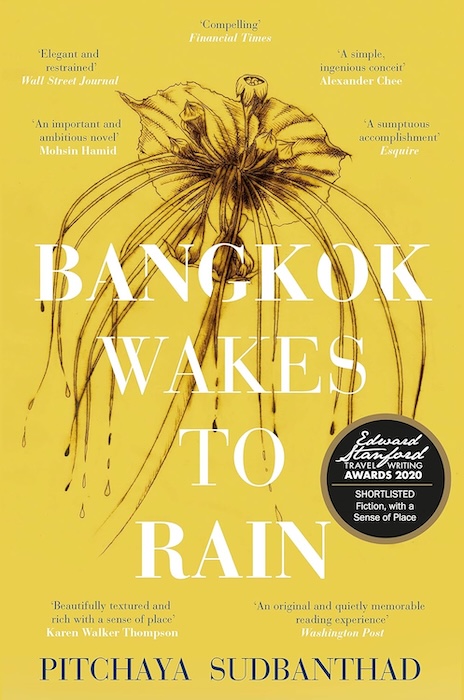
Bangkok Wakes to Rain
Bangkok Wakes to Rain weaves together the lives of people connected to a single house in Bangkok across different periods of Thai history. From a nineteenth-century missionary confronting unfamiliar beliefs to a contemporary musician navigating relationships and personal uncertainty, the novel explores how individual lives are shaped by a city constantly transformed by time, migration, and environmental change. As Bangkok expands and modernizes, recurring floods and rising waters reflect the city’s vulnerability to climate change and its complicated relationship with the natural world. Through interconnected stories that move between past, present, and imagined futures, Pitchaya Sudbanthad examines memory, colonial influence, cultural identity, and the impermanence of human existence. The novel presents Bangkok as a living, evolving character, revealing how personal histories and collective memories remain intertwined with the places people call home.
Thailand
2019
5
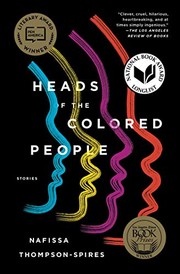
Heads of the Colored People
In Heads of the Colored People, Nafissa Thompson-Spires explores race, identity, and belonging in contemporary Black America. Through interconnected stories, she examines the complexities of social expectations, cultural stereotypes, and the pressures of navigating identity in a society shaped by racial inequality.
United States
2019
6

Ædnan: An Epic
Spanning a century of Sámi history, Ædnan tells the story of two Indigenous families whose lives are transformed by colonialism, forced assimilation, and the struggle to preserve their cultural identity. In the early twentieth century, new national borders disrupt traditional reindeer-herding routes, tearing families away from the land and ways of life that have sustained them for generations. Decades later, their descendants confront the consequences of discrimination and cultural erasure, searching for ways to reclaim their language, heritage, and belonging. Written in haunting, lyrical verse, Axelsson’s epic weaves together intimate family memories and the broader history of a people whose existence has been threatened but never extinguished. The title, Ædnan, means land or earth in Northern Sámi, reflecting the profound connection between territory, ancestry, and identity. This is a powerful story of dispossession, resistance, and the enduring bond between a people and their homeland.
Sweden
2018
7

The Devils' Dance
In 1937, during Stalin’s Great Terror, the celebrated Uzbek writer Abdulla Qodiriy is arrested by the Soviet secret police and imprisoned in Tashkent. Facing brutal interrogations and the constant threat of execution, he seeks refuge in his imagination, attempting to reconstruct the historical novel he was writing before his arrest. His unfinished work tells the story of Oyxon, a nineteenth-century enslaved girl who rises to prominence in the courts of Central Asian khans, only to become entangled in a dangerous world of political rivalries, forced marriages, and imperial intrigue. As Qodiriy develops Oyxon’s story in his mind, the boundaries between his fictional world and his own terrifying circumstances begin to dissolve. Their experiences mirror one another, connecting the struggles of a woman fighting for agency in a patriarchal society with those of a writer facing persecution under a repressive regime. Rich in Uzbek poetry, folklore, and historical detail, Hamid Ismailov’s novel is both a tribute to Central Asian literary traditions and a powerful meditation on artistic freedom, cultural identity, and the devastating consequences of political oppression.
Uzbekistan
2018
8
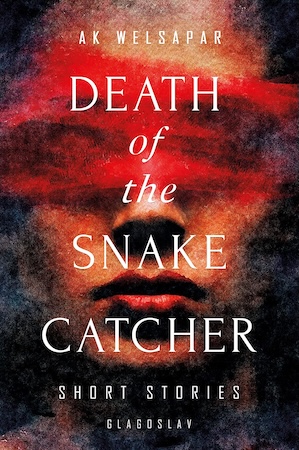
Death of the Snake Catcher
Set against the stark beauty of Central Asia, Death of the Snake Catcher is a collection of short stories by Turkmen writer Ak Welsapar, blending magical realism, folklore, political commentary, and intimate portraits of human life. The title story follows an elderly snake catcher who confronts a giant cobra in the heart of the desert. Their encounter becomes a symbolic dialogue about humanity’s relationship with the natural world, exploring the uneasy balance between fear, power, vulnerability, and survival. Elsewhere in the collection, Welsapar depicts lovers separated by political divisions, young people confronting injustice, and ordinary individuals navigating a world shaped by repression and uncertainty. His stories move between the mythical and the everyday, revealing the emotional richness of Turkmen culture while exposing the pressures faced by people living under authoritarian rule. Drawing on vivid landscapes and expressive storytelling, Welsapar portrays characters who endure hardship with remarkable resilience and optimism. The collection offers an unusual literary window into a country whose culture and experiences remain relatively unfamiliar to many international readers.
Turkmenistan
2018
9
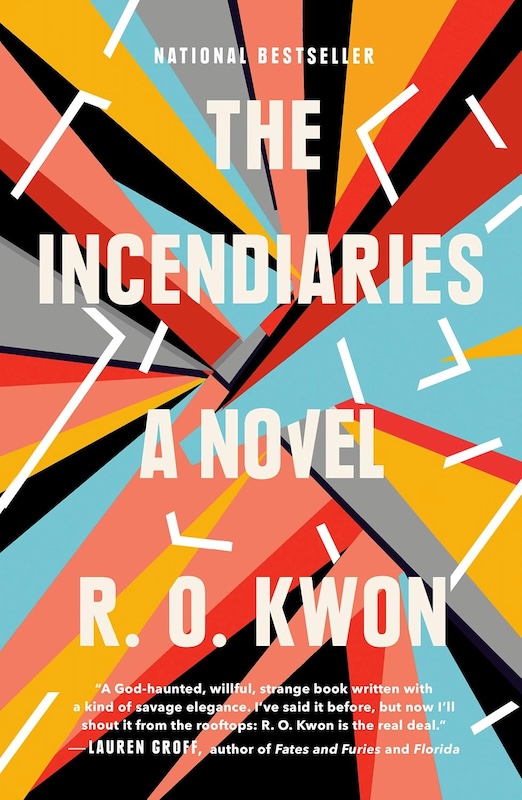
The Incendiaries
The Incendiaries follows three young people whose lives become entangled through grief, faith, love, and radical belief at an elite American university. Phoebe Lin, a Korean American student struggling with guilt over her mother’s death, meets Will Kendall, a former evangelical who has lost his religious faith but falls deeply in love with her. Their fragile relationship is disrupted when Phoebe becomes involved with John Leal, a charismatic former student who leads a secretive religious group with increasingly extreme convictions.
As the group’s ideology turns toward violence, Will struggles to understand Phoebe’s choices and uncover the truth behind Leal’s mysterious past. Told through shifting perspectives and an unconventional narrative, the novel explores how grief and the desire for purpose can make people vulnerable to manipulation and extremism.
Blending psychological suspense with literary fiction, R. O. Kwon examines the boundaries between faith and fanaticism, love and obsession, and personal conviction and destructive devotion. Set against the atmosphere of an American university campus, the novel asks what happens when the need to believe becomes all-consuming.
United States
2018
10
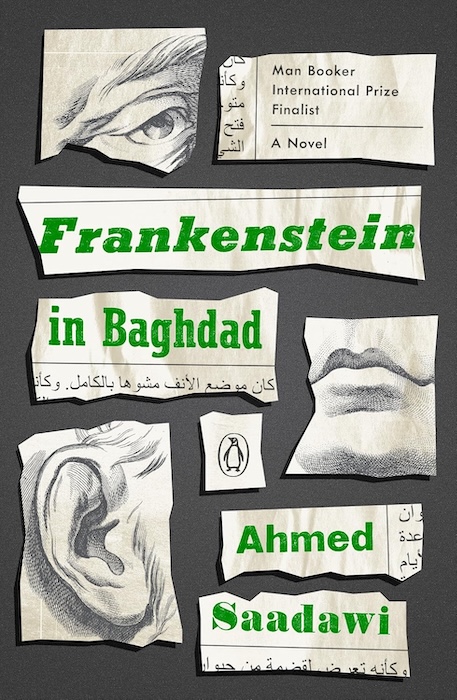
Frankenstein in Baghdad
Set in Baghdad after the 2003 invasion of Iraq, Frankenstein in Baghdad follows Hadi, an eccentric junk dealer who collects body parts left behind by bombings and other acts of violence. Hoping to ensure that the dead receive proper recognition, he stitches the remains together into a single body. When the assembled corpse mysteriously disappears, a series of gruesome murders begins, and rumours spread about a creature that cannot be killed. As the authorities and local residents attempt to understand the violence, the creature becomes a disturbing symbol of a society overwhelmed by revenge and injustice. Blending horror, dark humour, and political satire, Saadawi explores the human cost of war and the difficulty of assigning responsibility when violence produces an endless cycle of retaliation. The novel asks whether a society fractured by conflict can distinguish justice from revenge.
Iraq
2018
11

The Widows of Malabar Hill
Set in Bombay in 1921, The Widows of Malabar Hill introduces Perveen Mistry, one of India’s first female lawyers. Educated in England and working in her father’s legal practice, Perveen encounters an unusual inheritance case involving three Muslim widows who live in seclusion and communicate with the outside world through male representatives. When she discovers inconsistencies in the documents governing their late husband’s estate, she begins to suspect that the women may be vulnerable to manipulation or exploitation. Her investigation becomes more dangerous when a murder draws her deeper into the case. Alongside the mystery, Perveen’s own experiences reveal the limitations placed on women in colonial Indian society, particularly in matters of marriage, education, and professional independence. Massey combines historical detail with a compelling detective story, exploring women’s rights, religious traditions, and the pursuit of justice in a changing society.
India
2018
12
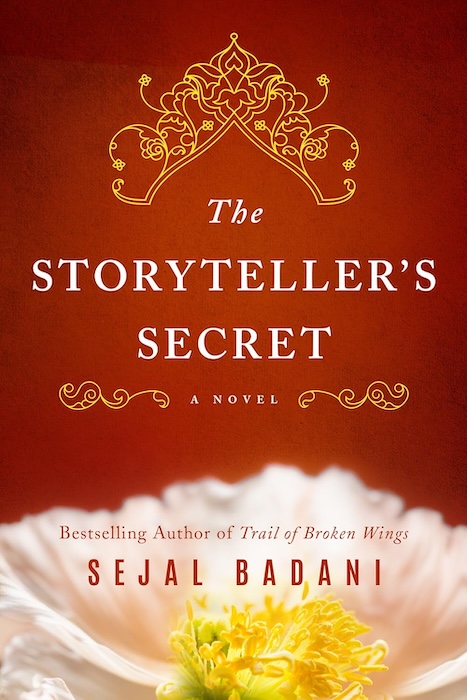
The Storyteller's Secret
The Storyteller’s Secret follows Jaya, an Indian American journalist whose personal life begins to unravel after she experiences a painful miscarriage and the breakdown of her marriage. Seeking answers and a fresh perspective, she travels to India to reconnect with her family’s roots. There, she meets Ravi, her grandmother’s former servant, who shares the story of Amisha, Jaya’s grandmother, and the difficult choices that shaped her life in a small Indian village during the 1930s. Amisha was a gifted storyteller whose aspirations extended beyond the traditional roles available to women, but her ambitions were constrained by social expectations and a marriage that offered little freedom. As Jaya uncovers her grandmother’s past, she begins to understand her own struggles differently. Badani explores family secrets, women’s independence, cultural traditions, and the healing power of understanding previous generations.
India
2018