Fiction
All countries
Afghanistan
Albania
Antigua and Barbuda
Argentina
Armenia
Australia
Austria
Azerbaijan
Bahamas
Bahrain
Bangladesh
Barbados
Belarus
Belgium
Belize
Bhutan
Bosnia and Herzegovina
Brazil
Brunei
Bulgaria
Cabo Verde
Canada
Central African Republic
Chile
China
Congo, Democratic Republic
Croatia
Cuba
Czech Republic
Denmark
Djibouti
Dominica
Dominican Republic
Ecuador
Egypt
Fiji
Finland
France
Georgia
Germany
Greece
Hungary
Iceland
India
Indonesia
Iran
Iraq
Ireland
Italy
Jamaica
Japan
Jordan
Kazakhstan
Kenya
Kuwait
Kyrgyzstan
Lebanon
Libya
Malaysia
Mexico
Morocco
Netherlands
New Zealand
Nigeria
Norway
Oman
Pakistan
Palestine
Panama
Peru
Philippines
Poland
Portugal
Romania
Russia
Saudi Arabia
Senegal
Singapore
Slovenia
Somalia
South Korea
Spain
Sri Lanka
Sudan
Sweden
Switzerland
Syria
Taiwan
Tanzania
Thailand
Türkiye
Turkmenistan
Ukraine
United Arab Emirates
United Kingdom
United States
Uzbekistan
Yemen
Zambia
1
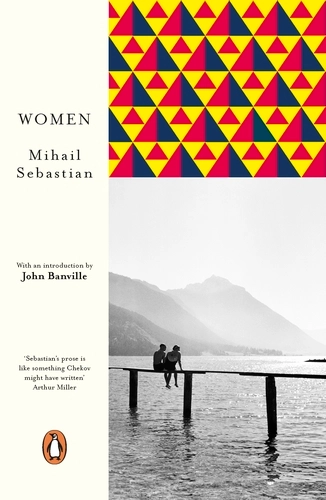
Women
Originally published in 1933 as Femei, Mihail Sebastian’s Women explores love, desire, emotional independence, and the elusive nature of human relationships in interwar Europe. Structured as four interconnected stories, the novel follows Ștefan Valeriu, a young Romanian medical student whose encounters with women gradually reveal the contradictions of romantic attachment. From a summer resort in the French Alps to the sophisticated social circles of Paris, Ștefan becomes involved with women of different ages, temperaments, and expectations. Each relationship offers him a different experience of intimacy, from flirtation and seduction to vulnerability, rejection, and regret. Yet his desire to preserve his freedom repeatedly conflicts with his longing for connection. Through subtle psychological observations and an exploration of the shifting balance of power between lovers, Sebastian examines how people construct their identities through relationships and how every choice closes the door on other possible lives. Elegant, introspective, and occasionally melancholic, Women offers a portrait of romantic relationships in which love is as much about self-discovery as it is about understanding another person.
Romania
1933
2
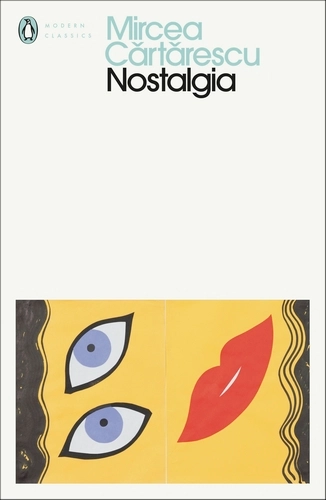
Nostalgia
First published in 1989, Nostalgia is a collection of five interconnected stories by Romanian writer Mircea Cărtărescu that blur the boundaries between childhood memories, dreams, and reality. Set primarily in Bucharest, the book transforms familiar urban landscapes into mysterious, surreal worlds where ordinary experiences acquire an almost mythical significance. In The Roulette Player, a man becomes obsessed with a dangerous game of chance; in The Architect, a young man encounters an extraordinary figure whose existence challenges conventional understanding of reality. Other stories explore childhood friendships, adolescent desires, and the strange emotional intensity of growing up. Throughout the collection, Cărtărescu combines magical realism, psychological exploration, and elaborate, dreamlike imagery to examine how memory reshapes the past. Bucharest becomes more than a setting: it is a labyrinth of hidden worlds, secret passages, and impossible experiences that reflect the inner lives of its inhabitants. Both unsettling and hypnotic, Nostalgia explores the fragile boundary between imagination and reality, suggesting that the past never disappears completely but survives in the mysterious landscapes of memory and desire.
Romania
1989
3
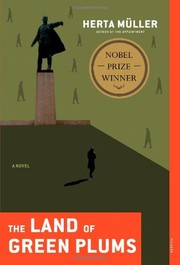
The Land of Green Plums
Set in communist Romania under the dictatorship of Nicolae Ceaușescu, The Land of Green Plums follows a group of young people from minority backgrounds who struggle to survive in a society ruled by fear, surveillance, and political repression. After a young woman from a German-speaking community begins studying in the city, she becomes part of a circle of friends whose lives are increasingly threatened by the secret police. As they face interrogation, betrayal, and the constant possibility of violence, their friendships become both a source of comfort and a test of loyalty. Through fragmented storytelling and haunting imagery, Herta Müller portrays the psychological consequences of authoritarianism and the erosion of trust under constant surveillance. The novel explores the struggle for personal freedom, the fragility of human relationships, and the lasting trauma inflicted by a regime that seeks to control every aspect of life.
Romania
1994
4
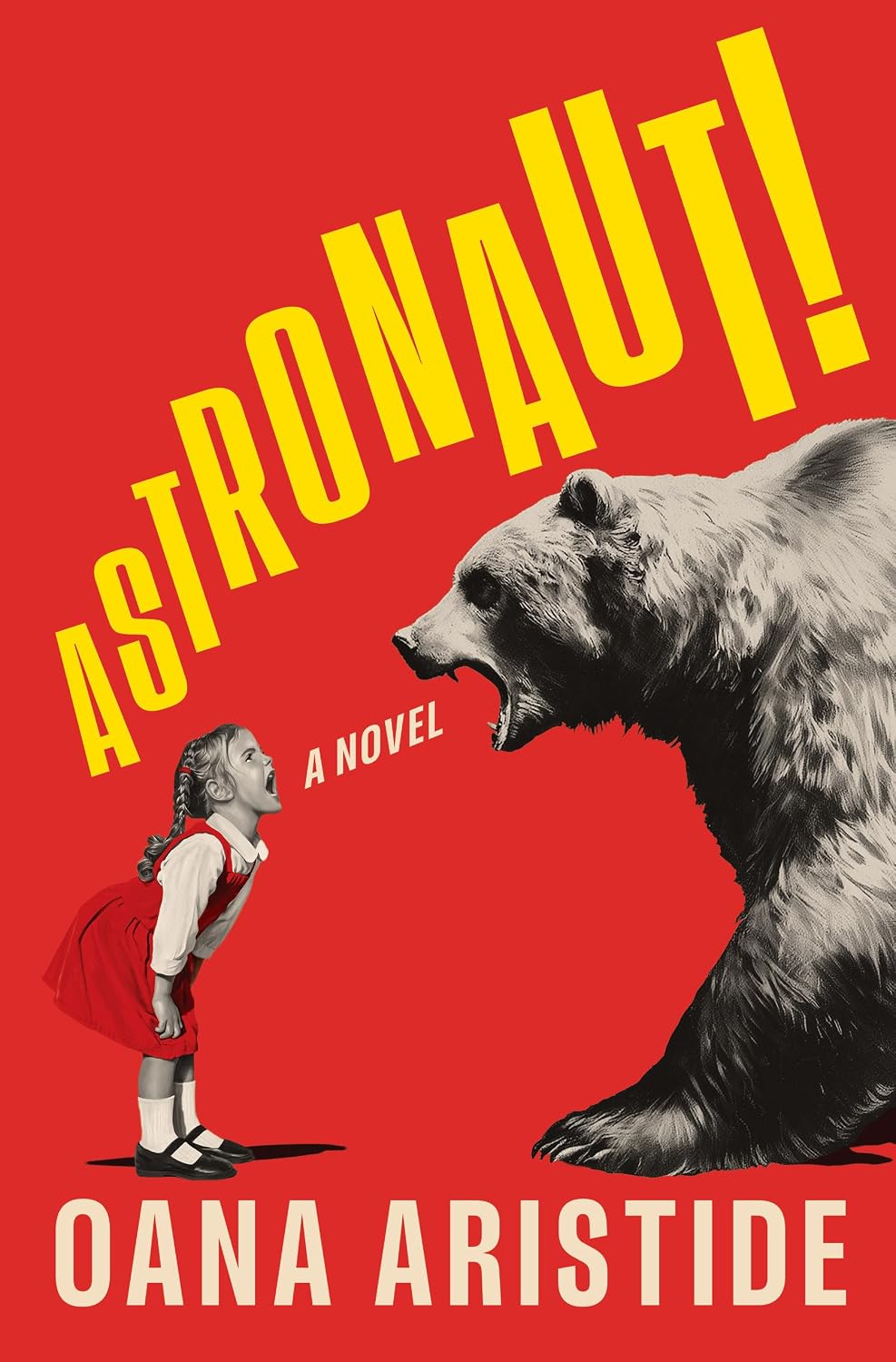
Astronaut!
Romania, 1989. As Nicolae Ceaușescu’s communist dictatorship approaches its end, the country is gripped by fear, suspicion, and absurd official propaganda. Amid rationing, secret informers, and carefully monitored conversations, a series of mysterious murders captures the public’s attention. Authorities blame a man-eating bear, but the truth proves far more complicated.
Two unlikely protagonists find themselves caught in the unfolding mystery. Constantin, an idealistic police detective who dreams of writing fairy tales, is tasked with investigating the deaths. Meanwhile, Lia, a curious and rebellious schoolgirl who longs for colour and beauty in her grey surroundings, becomes involved in an elderly neighbour’s clandestine resistance against the regime.
Blending detective fiction, political satire, and fairy-tale elements, Astronaut! captures the surreal contradictions of life under authoritarian rule. Through the contrasting perspectives of an idealistic adult and an imaginative child, Oana Aristide explores courage, complicity, and the power of ordinary people to challenge injustice. The novel is both a tense mystery and a moving coming-of-age story about finding hope in a society built on fear and deception.
Romania
2026