Fiction
All countries
Afghanistan
Albania
Antigua and Barbuda
Argentina
Armenia
Australia
Austria
Azerbaijan
Bahamas
Bahrain
Bangladesh
Barbados
Belarus
Belgium
Belize
Bhutan
Bosnia and Herzegovina
Brazil
Brunei
Bulgaria
Cabo Verde
Canada
Central African Republic
Chile
China
Congo, Democratic Republic
Croatia
Cuba
Czech Republic
Denmark
Djibouti
Dominica
Dominican Republic
Ecuador
Egypt
Fiji
Finland
France
Georgia
Germany
Greece
Hungary
Iceland
India
Indonesia
Iran
Iraq
Ireland
Italy
Jamaica
Japan
Jordan
Kazakhstan
Kenya
Kuwait
Kyrgyzstan
Lebanon
Libya
Malaysia
Mexico
Morocco
Netherlands
New Zealand
Nigeria
Norway
Oman
Pakistan
Palestine
Panama
Peru
Philippines
Poland
Portugal
Romania
Russia
Saudi Arabia
Senegal
Singapore
Slovenia
Somalia
South Korea
Spain
Sri Lanka
Sudan
Sweden
Switzerland
Syria
Taiwan
Tanzania
Thailand
Türkiye
Turkmenistan
Ukraine
United Arab Emirates
United Kingdom
United States
Uzbekistan
Yemen
Zambia
1
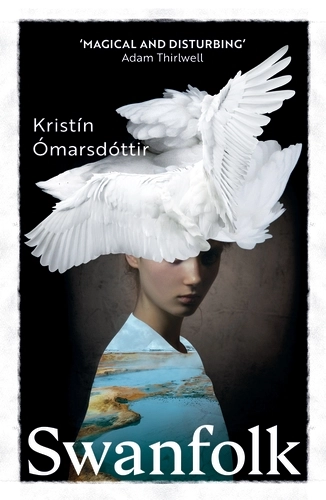
Swanfolk
Set in a strange, unsettling future, Swanfolk follows Elísabet Eva, a young intelligence agent whose life begins to unravel after a traumatic assignment in Paris. Seeking solitude, she takes long walks beside a lake, where she encounters mysterious creatures that are half-woman and half-swan. Fascinated by these beings, she gradually enters their hidden world and becomes entangled in their obsessive, sometimes violent struggle to exist alongside humans. As her involvement deepens, Elísabet begins to question her own perceptions and the reliability of her memories. Blending surrealism, dark fantasy, and psychological fiction, Kristín Ómarsdóttir’s novel explores the fragile boundaries between reality and imagination, belonging and alienation, and the human desire to escape one’s past. Strange, lyrical, and unsettling, Swanfolk uses its mythical creatures to examine the complexities of identity and the difficulty of understanding oneself.
Iceland
2019
2
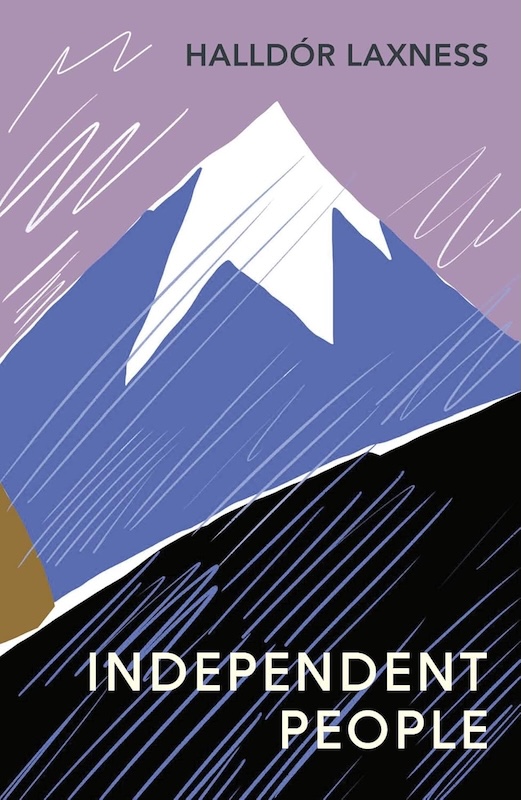
Independent People
Independent People follows Bjartur of Summerhouses, a stubborn Icelandic sheep farmer determined to achieve financial independence after years of working as a tenant. Having finally acquired his own small farm, he dedicates his life to preserving his freedom, believing that self-sufficiency is the highest form of dignity. However, his relentless pursuit of independence comes at a devastating cost to his family, particularly his wife and children, who endure poverty, isolation, and emotional hardship. Set against Iceland’s harsh rural landscape in the early twentieth century, the novel portrays the struggle between individual ambition and human connection. Through Bjartur’s tragic determination, Halldór Laxness explores poverty, pride, social inequality, and the contradictions of freedom, questioning whether a life entirely devoted to independence can ever lead to genuine happiness.
Iceland
1997
3
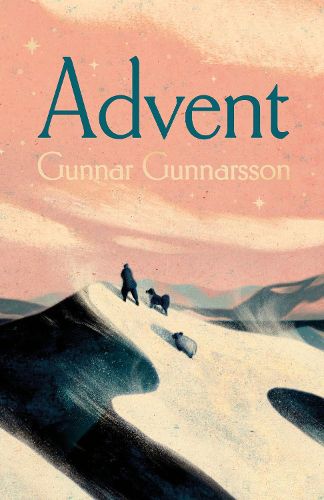
Advent
Every winter, in the days leading up to Christmas, Benedikt, a humble Icelandic shepherd, ventures into the mountains to rescue sheep stranded in the snow. Accompanied by his faithful dog and a stubborn old ram, he travels through a landscape of blizzards, frozen valleys and treacherous mountain passes, driven by a deep sense of responsibility toward vulnerable living creatures. His annual journey is physically demanding and potentially fatal, yet Benedikt accepts its hardships as an essential part of his life. Against the vastness and brutality of Iceland’s winter wilderness, his quiet determination becomes an extraordinary expression of compassion, humility and spiritual devotion. Blending the simplicity of a fable with vivid descriptions of the natural world, Gunnarsson creates a meditation on human endurance and the relationship between people and nature. Advent is both a portrait of an individual guided by kindness and a celebration of the profound peace that can be found in a life devoted to helping others.
Iceland
1940