Fiction
All countries
Afghanistan
Albania
Antigua and Barbuda
Argentina
Armenia
Australia
Austria
Azerbaijan
Bahamas
Bahrain
Bangladesh
Barbados
Belarus
Belgium
Belize
Bhutan
Bosnia and Herzegovina
Brazil
Brunei
Bulgaria
Cabo Verde
Canada
Central African Republic
Chile
China
Congo, Democratic Republic
Croatia
Cuba
Czech Republic
Denmark
Djibouti
Dominica
Dominican Republic
Ecuador
Egypt
Fiji
Finland
France
Georgia
Germany
Greece
Hungary
Iceland
India
Indonesia
Iran
Iraq
Ireland
Italy
Jamaica
Japan
Jordan
Kazakhstan
Kenya
Kuwait
Kyrgyzstan
Lebanon
Libya
Malaysia
Mexico
Morocco
Netherlands
New Zealand
Nigeria
Norway
Oman
Pakistan
Palestine
Panama
Peru
Philippines
Poland
Portugal
Romania
Russia
Saudi Arabia
Senegal
Singapore
Slovenia
Somalia
South Korea
Spain
Sri Lanka
Sudan
Sweden
Switzerland
Syria
Taiwan
Tanzania
Thailand
Türkiye
Turkmenistan
Ukraine
United Arab Emirates
United Kingdom
United States
Uzbekistan
Yemen
Zambia
1
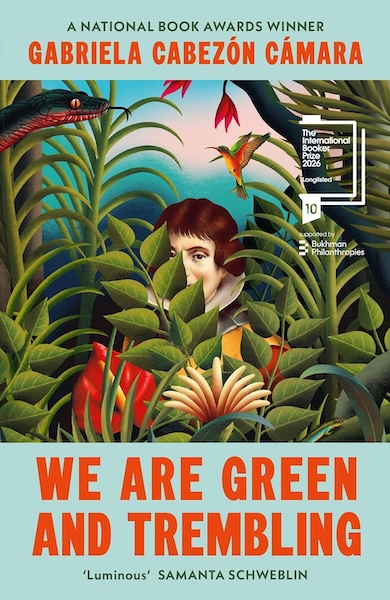
We are Green and Trembling
We Are Green and Trembling reimagines the story of Antonio de Erauso, a seventeenth-century Spanish figure who escaped a convent, adopted a male identity, and travelled through colonial South America. Narrated by Antonio’s companion, the Indigenous woman Micuén, the novel follows their adventures across a world shaped by colonial violence, religious authority, and rigid gender expectations. Blending historical fiction, satire, and exuberant storytelling, Gabriela Cabezón Cámara challenges conventional ideas about gender, identity, and power while exposing the brutality of colonialism. Through its unconventional characters and vivid prose, the novel celebrates resistance, transformation, and the possibility of creating a life beyond the identities imposed by society.
Argentina
2025
2
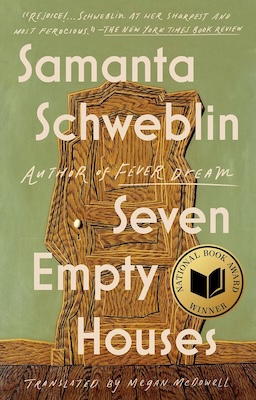
Seven Empty Houses
The seven houses in these seven stories are strange. A person is missing, or a truth, or memory; some rooms are enticing, some unmoored, others empty. But in Samanta Schweblin's tense, visionary tales, something always creeps back inside: a ghost, a fight, trespassers, a list of things to do before you die, a child's first encounter with darkness or the fallibility of parents.
In each story, twists and turns will unnerve and surprise: Schweblin never takes the expected path and instead digs under the skin, revealing surreal truths about our sense of home, of belonging, and of the fragility of our connections with others. This is a masterwork from one of our most brilliant modern writers.
Argentina
2023
3
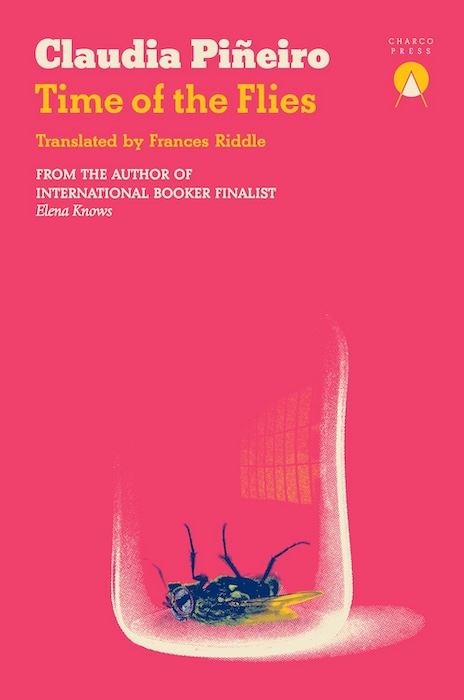
Time of the Flies
The Time of the Flies follows Inés, a woman rebuilding her life after spending fifteen years in prison for murdering her former husband’s lover. Released into a society that has changed considerably during her imprisonment, Inés struggles to understand the new social landscape, including shifting attitudes toward gender, sexuality, and women’s rights. She establishes a small fumigation business with another formerly imprisoned woman, hoping to achieve independence and leave her troubled past behind. However, an unexpected request draws her into a new mystery that threatens the fragile stability she has created. Blending crime fiction, dark humour, and social commentary, Piñeiro explores punishment, reintegration, and the difficulties women face when attempting to begin again. The novel asks whether freedom is simply the absence of prison walls or the more complicated ability to shape one’s own future.
Argentina
2022
4
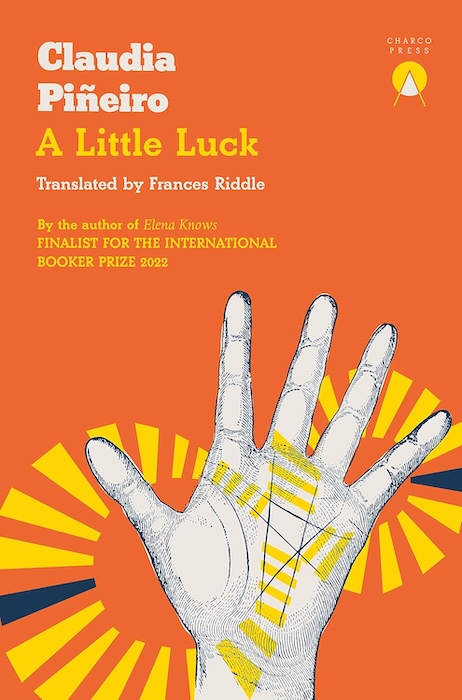
A Little Luck
A Little Luck follows Mary Lohan, a woman who returns to the Buenos Aires suburb she left twenty years earlier after a traumatic accident transformed her life. She has built a new identity far from the place where the tragedy occurred, changing not only her name but also her appearance and the way she relates to the world. Returning home forces her to confront memories she has tried to suppress and people whose lives remain connected to her past. As old secrets begin to surface, Mary must reconsider the choices that shaped her life and the guilt she has carried for decades. Piñeiro explores the fragile boundary between reinvention and denial, asking whether it is possible to escape the past or whether genuine freedom requires facing the truth about oneself.
Argentina
2015
5
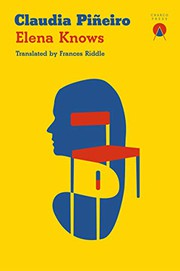
Elena Knows
Elena Knows follows Elena, an elderly woman living with Parkinson’s disease, who refuses to accept the official conclusion that her daughter Rita’s death was a suicide. Determined to discover the truth, Elena undertakes a difficult journey across Buenos Aires, relying on a promise made by a woman from her past. As her physical limitations make each step increasingly challenging, her investigation becomes a confrontation with painful memories and unresolved questions about motherhood, responsibility, and personal freedom. Piñeiro combines the structure of a crime novel with an intimate examination of women’s lives in a society shaped by religious expectations and social judgement. The story challenges assumptions about disability and autonomy while revealing how family relationships can be shaped by obligation, resentment, and love.
Argentina
2007
6
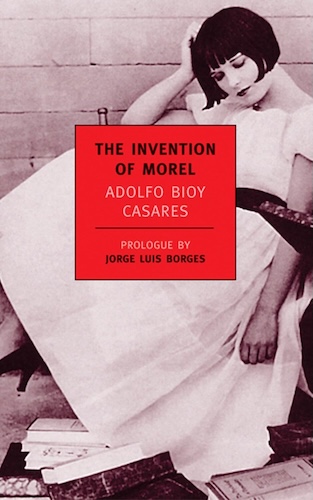
The Invention of Morel
The Invention of Morel follows a fugitive who seeks refuge on a seemingly deserted island, where he discovers a group of people behaving as though he does not exist. Among them is Faustine, a woman whose presence fascinates him, though she remains unaware of him. As he investigates the mysterious inhabitants, he uncovers a strange invention that challenges the boundaries between reality, memory, and illusion. Blending philosophical speculation with elements of science fiction and mystery, Adolfo Bioy Casares explores the human desire to overcome mortality and preserve love beyond the limits of physical existence. The novel raises unsettling questions about consciousness, the nature of reality, and the price of eternal life.
Argentina
2003
7
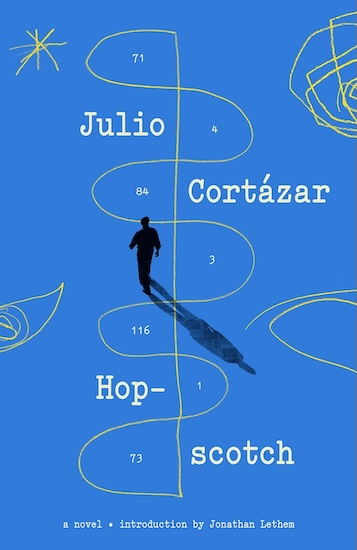
Hopscotch
Hopscotch follows Horacio Oliveira, an Argentine intellectual living in Paris who struggles to find meaning in relationships, art, and everyday existence. His complicated relationship with La Maga, a young Uruguayan woman, forms the emotional centre of a novel that resists conventional storytelling. Cortázar offers readers different ways to navigate the chapters, allowing the narrative to unfold in alternative sequences and challenging the traditional relationship between author and audience. As Oliveira returns to Argentina, his search for understanding becomes increasingly entangled with alienation and uncertainty. The novel explores the limitations of rational thought, the instability of identity, and the desire to discover a deeper reality beneath ordinary experience. Its experimental structure reflects a central question: whether a different way of reading might lead to a different way of living.
Argentina
1963
8
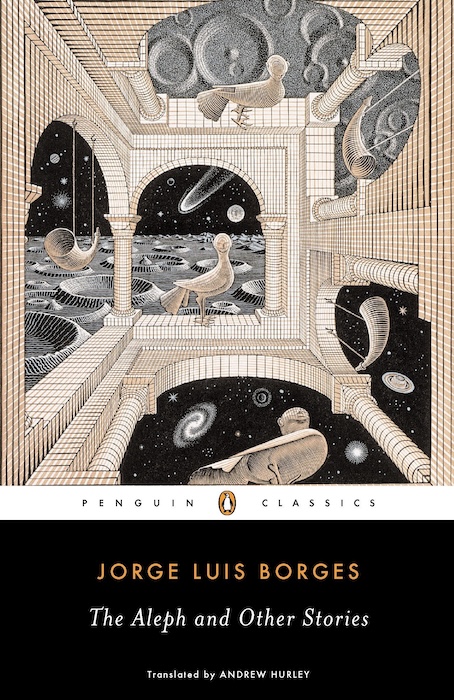
The Aleph
The Aleph is a collection of short stories that explores infinity, memory, identity, and the limits of human understanding. In the title story, a narrator discovers a point in space containing every other point in the universe, allowing him to perceive all things simultaneously without distortion or concealment. Other stories examine imaginary worlds, mysterious objects, labyrinthine histories, and the unsettling possibility that reality may be far stranger than it appears. Borges combines philosophical speculation with elements of fantasy, detective fiction, and literary scholarship, creating narratives that often feel like intellectual puzzles. His characters encounter knowledge that promises to reveal everything but frequently leaves them more uncertain than before. The collection asks whether human beings can ever comprehend the totality of existence or whether some mysteries must remain beyond the boundaries of language and reason.
Argentina
1949
9
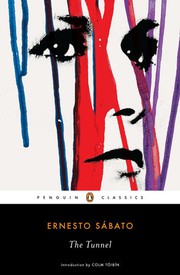
The Tunnel
The Tunnel is a psychological novel narrated by Juan Pablo Castel, an Argentine painter who confesses to murdering María Iribarne. From his prison cell, he recounts the events that led to the crime, beginning with an encounter at an art exhibition. Castel becomes fascinated by María after noticing that she is the only person who understands a small but meaningful detail in one of his paintings.
Convinced that they share a rare connection, Castel becomes increasingly obsessed with her. His longing to be understood gradually turns into jealousy, suspicion, and paranoia, making it impossible for him to distinguish genuine intimacy from his own fears. As his relationship with María deteriorates, he retreats further into isolation.
Through its unreliable narrator and claustrophobic atmosphere, Sábato explores alienation, obsession, and the human desire to be understood. The tunnel becomes a metaphor for Castel’s isolated inner world, in which he remains trapped despite his desperate search for connection.
Argentina
1948