Society & Class
Examinations of class, power, and the structures we live within.
All countries
Austria
Bangladesh
Belarus
Benin
Bhutan
Bosnia and Herzegovina
Brazil
Bulgaria
Burundi
Cabo Verde
Cameroon
Chile
China
Congo, Democratic Republic
Costa Rica
Côte d’Ivoire (Ivory Coast)
Czech Republic
Denmark
Dominican Republic
Egypt
Fiji
France
Georgia
Germany
Ghana
Greece
India
Iraq
Ireland
Italy
Jamaica
Japan
Jordan
Kuwait
Lithuania
Mexico
Morocco
Nigeria
Pakistan
Palestine
Russia
Saudi Arabia
Senegal
South Africa
South Korea
Spain
Sudan
Sweden
Türkiye
Ukraine
United Kingdom
United States
Uzbekistan
Zambia
1
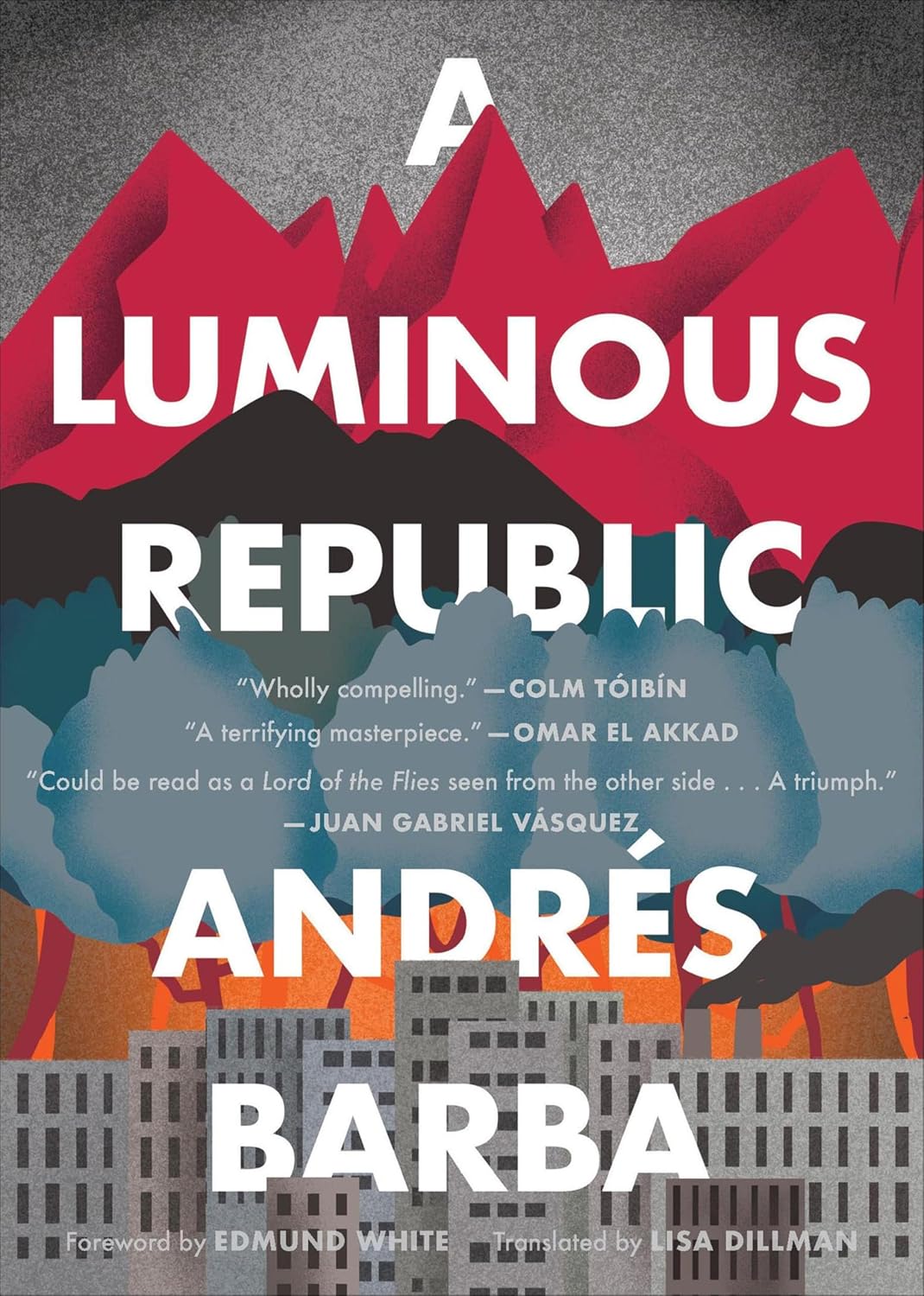
A Luminous Republic
In A Luminous Republic, a narrator looks back on a disturbing episode from his time working in the subtropical town of San Cristóbal. A mysterious group of children appears in the town, living on its margins and communicating in an unfamiliar language. When some of them begin committing acts of violence, the community struggles to understand their behaviour and decide how to respond. What initially seems like a social mystery gradually becomes a troubling examination of the boundaries between civilisation and savagery, childhood and adulthood, and order and chaos. Barba challenges the idealised image of childhood innocence, asking how societies define outsiders and how fear shapes collective behaviour. The novel reads like a modern fable about the fragility of social norms and the limits of human understanding.
Spain
2017
2
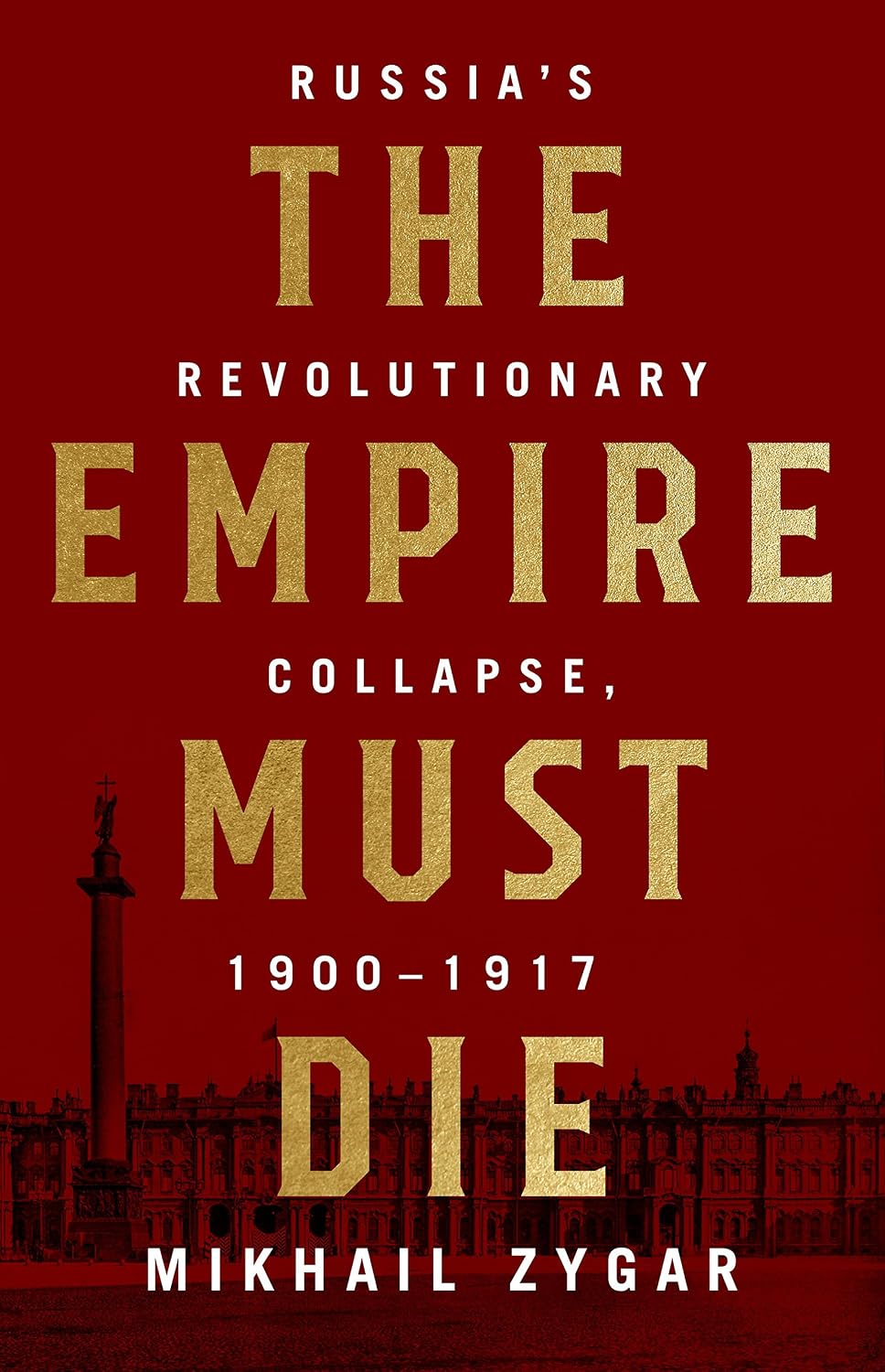
The Empire Must Die
The Empire Must Die: Russia’s Revolutionary Collapse, 1900–1917 reconstructs the political and cultural upheavals that preceded the fall of the Russian Empire. Through the lives of writers, artists, politicians, revolutionaries, and members of the imperial family, Mikhail Zygar traces a society caught between the possibility of reform and the persistence of authoritarian power. The book explores Russia’s brief flourishing of liberal ideas, the growing dissatisfaction with the monarchy, and the pressures of the First World War that helped bring the old order to collapse. Drawing on historical research and vivid character portraits, Zygar presents the revolution not as an inevitable event but as the outcome of decisions, rivalries, and missed opportunities that transformed the country’s future.
Russia
2017
3
Pachinko
Pachinko follows four generations of a Korean family whose lives are transformed by migration, discrimination, and the search for belonging. The story begins in early twentieth-century Korea, where young Sunja becomes pregnant by a wealthy man who refuses to marry her. She accepts an offer of marriage from a kind-hearted minister and moves with him to Japan, hoping to build a better future. However, the family encounters widespread prejudice against Koreans living in Japan, limiting their opportunities and shaping their identities. As the story moves across generations, each family member struggles to balance personal ambition with cultural heritage and social expectations. Lee explores sacrifice, resilience, family loyalty, and the consequences of historical injustice, portraying how individuals attempt to create meaningful lives in a society that refuses to fully accept them.
South Korea
2017
4
Four Minutes
Four Minutes explores the lives of people who exist on the margins of society in post-communist Bulgaria, focusing on loneliness, trauma, and the struggle to be seen and understood. At its centre is Leah, a woman who grew up in an orphanage marked by neglect and abuse. Now in her thirties, she continues to grapple with the wounds of her childhood while trying to build a meaningful life. When she volunteers at an orphanage, she forms a bond with Dara, a nine-year-old girl who has stopped speaking following her father’s murder. Leah hopes to adopt her, but prejudice and bureaucracy stand in her way.
Interwoven with Leah’s story are nine shorter portraits of other marginalised people, including Roma women and children, refugees, and survivors of abuse. Each section is designed to be read in approximately four minutes, reflecting the idea that a brief moment of genuine attention can foster empathy. Through these interconnected stories, Nataliya Deleva examines abandonment, exclusion, and the human need for connection, asking what it takes to truly see another person.
Bulgaria
2017
5
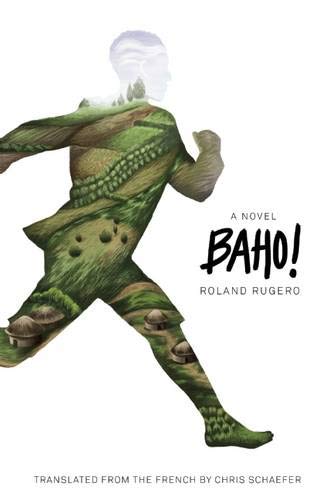
Baho!
Set in a fictional village in Burundi, Baho! follows Nyamuragi, a young boy who cannot speak. When he attempts to ask a young woman for directions to a suitable place to relieve himself, his gestures are misunderstood, and he is accused of intending to sexually assault her. Frightened, he runs away, but his flight is interpreted as proof of guilt. Soon, villagers join the pursuit, and a simple misunderstanding escalates into collective outrage and the threat of mob justice.
Through this tense and darkly satirical story, Roland Rugero examines the dangers of prejudice, social conformity, and the rush to judgment. The novel also explores the consequences of Burundi’s violent past and the challenges of rebuilding trust within a divided society. Incorporating Kirundi proverbs and elements of oral storytelling, Rugero creates a distinctive portrait of Burundian culture while questioning how fear and rumour can distort people’s understanding of truth and justice.
Burundi
2016
6
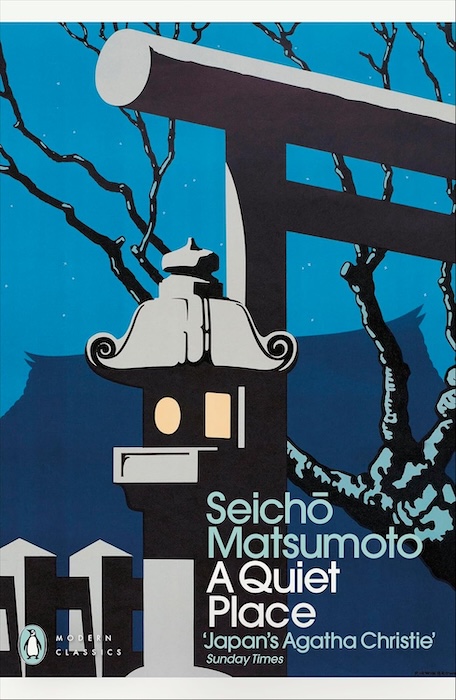
A Quiet Place
A Quiet Place follows Tsuneo Asai, a reserved government official whose life is disrupted when he learns that his wife, Eiko, has died suddenly while he is away on a business trip. Although she had a heart condition, the circumstances of her death trouble him: she collapsed in a small shop in a Tokyo neighbourhood she seemingly had no reason to visit.
Determined to understand what happened, Asai investigates the area and discovers clues suggesting that his seemingly quiet and devoted wife may have been hiding a secret life. His search gradually draws him into a world of clandestine relationships, suspicion, and uncomfortable revelations. As he uncovers details about Eiko’s movements, his grief gives way to jealousy and doubt, threatening the orderly existence he has carefully maintained.
Through this psychological mystery, Matsumoto examines the hidden tensions beneath respectable appearances, the constraints of marriage, and the effects of ambition and social expectations in postwar Japanese society. The novel reveals how little people may truly know about those closest to them.
Japan
2016
7
A Brief History of Seven Killings
Set primarily in Jamaica during the 1970s and extending into the 1990s, A Brief History of Seven Killings explores the political violence, gang warfare, and social upheaval surrounding the attempted assassination of reggae legend Bob Marley in 1976. Told through the perspectives of an expansive cast of characters, including gang members, journalists, politicians, and CIA operatives, the novel examines the complex relationships between crime, political power, and international interference. As the narrative moves from Kingston to the United States, it traces the long-term consequences of violence on individuals and communities. Through shifting voices, Jamaican patois, and an unflinching portrayal of historical events, Marlon James explores inequality, corruption, identity, and the lasting scars of political conflict. The novel offers a multifaceted portrait of Jamaica’s turbulent history and the human cost of violence.
Jamaica
2015
8
The Festival of Insignificance
The Festival of Insignificance is a playful, philosophical novel in which Milan Kundera explores the absurdity of human existence through the conversations and encounters of four friends in Paris. Alain, Ramón, Charles, and Caliban navigate everyday life while reflecting on vanity, ageing, politics, and the seemingly trivial details that shape human relationships. Their discussions range from the meaning of the human navel to Stalin’s peculiar anecdotes, blending absurd humour with reflections on history, mortality, and the performance of identity. Rather than following a conventional plot, the novel unfolds as a series of interconnected episodes that question humanity’s tendency to assign excessive importance to personal grievances, ambitions, and public events. Kundera suggests that recognising the insignificance underlying much of human life can become a source of freedom, allowing people to approach the world with greater lightness and less resentment. Through irony and philosophical wit, the novel offers a meditation on the fragile boundary between the meaningful and the trivial, inviting readers to reconsider what truly deserves their attention.
Czech Republic
2014
9
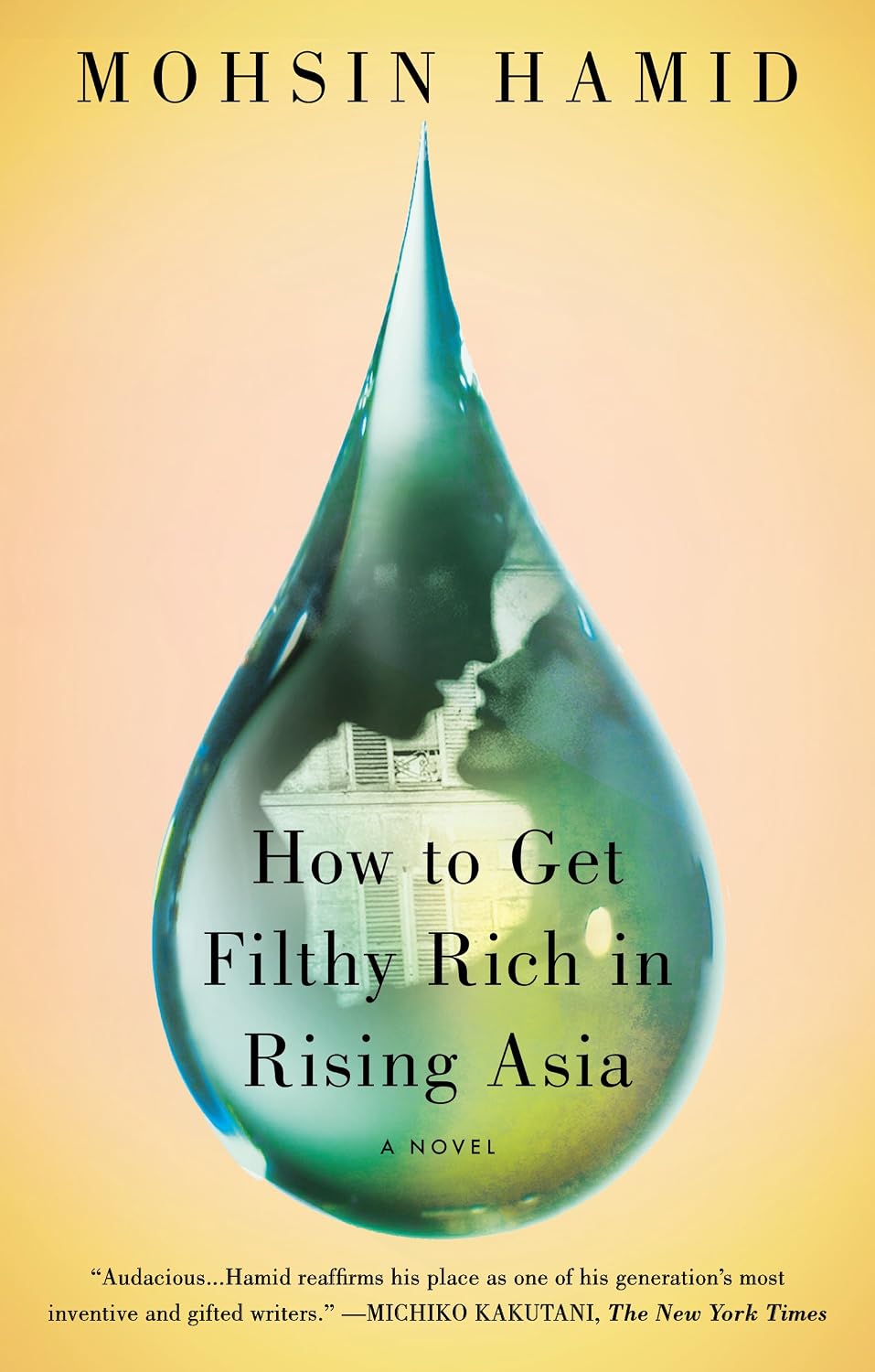
How to Get Filthy Rich in Rising Asia
Told in the second person, as though the reader is the protagonist, Mohsin Hamid’s inventive novel follows an unnamed boy’s extraordinary journey from rural poverty to immense wealth in a rapidly transforming South Asian city. Structured like a self-help manual, each chapter offers a rule for achieving financial success, from leaving the village to exploiting opportunities in the marketplace. As the protagonist moves into the city, he builds a business selling bottled water, turning a basic necessity into the foundation of his growing empire. Yet wealth brings neither complete security nor lasting fulfilment. Throughout his rise, he remains connected to a woman he first met as a teenager, whose own life follows a different but equally turbulent path. Against a backdrop of urbanisation, corruption, consumerism, and widening inequality, Hamid examines the costs of ambition in a society where almost everything has a price. Witty, romantic, and sharply observant, How to Get Filthy Rich in Rising Asia is both a satire of self-help culture and a moving reflection on love, mortality, and the elusive meaning of success.
Pakistan
2013
10
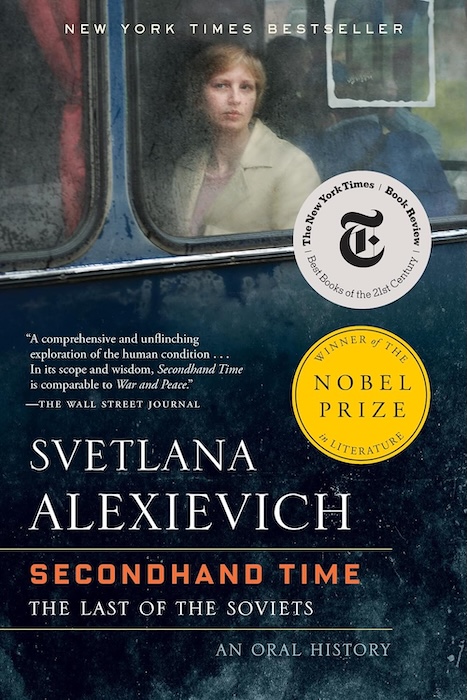
Secondhand Time
Secondhand Time is a documentary work by Nobel Prize-winning Belarusian writer Svetlana Alexievich that captures the emotional and psychological aftermath of the collapse of the Soviet Union. Through hundreds of interviews with ordinary people across the former Soviet republics, Alexievich assembles a collective portrait of a society struggling to understand the end of an entire political and cultural world. Her subjects include former Soviet idealists, disillusioned workers, survivors of political repression, and younger generations searching for meaning in a transformed society. Their testimonies reveal conflicting memories of communism, nostalgia for a lost sense of belonging, and the difficulties of adapting to new economic and social realities. Moving between intimate personal experiences and major historical events, the book explores how ideology shapes identity and how political change reverberates through private lives. Rather than presenting a single interpretation of the Soviet collapse, Alexievich allows contradictory voices to coexist, revealing the complexity of collective memory and the enduring human desire for dignity, security, and meaning.
Belarus
2013
11
The Mountain and the Wall
In The Mountain and the Wall, Shamil, a young journalist in Dagestan’s capital, Makhachkala, hears rumours that the Russian government intends to build a wall separating the Muslim regions of the North Caucasus from the rest of the country. As anxiety and unrest spread, Shamil finds himself confronting the political and religious divisions shaping his community. What begins as distant speculation gradually becomes an urgent personal and social crisis, forcing him to reconsider his own passivity. Ganieva portrays a region caught between competing ideologies, traditional beliefs, and the pressures of modern political life. Through Shamil’s experiences, the novel explores how intolerance and extremism can fracture communities and how ordinary people respond when the society around them begins to unravel.
Russia
2012
12
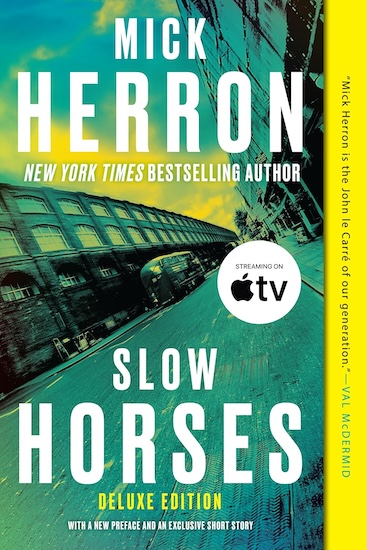
Slow Horses
At the edge of London’s intelligence world lies Slough House, a drab office where MI5 sends agents who have made career-ending mistakes. Known as the “slow horses,” these disgraced spies spend their days drowning in paperwork, enduring humiliating assignments, and dreaming of returning to serious intelligence work. Their miserable existence is overseen by Jackson Lamb, a brilliant but abrasive veteran whose apparent laziness conceals a formidable understanding of the spying business.
River Cartwright, a promising young agent whose career collapses after a disastrous training exercise, finds himself among them. When a young man is kidnapped and his captors threaten to broadcast his execution online, the slow horses see an opportunity to prove their worth. But as they investigate, they begin to suspect that the kidnapping may be part of a much larger game—and that powerful people within the intelligence establishment have their own reasons for wanting the truth to remain hidden.
Combining tense espionage with dark humour and political satire, Slow Horses offers a refreshingly unglamorous portrait of intelligence work. Mick Herron explores ambition, professional failure, and institutional corruption, revealing how the people dismissed as useless can sometimes see what the powerful refuse to acknowledge.
United Kingdom
2010
About this theme
- Books
- 140
- Countries
- 54
Countries with this theme
Austria
Europe
Bangladesh
Asia
Belarus
Europe
Benin
Africa
Bhutan
Asia
Bosnia and Herzegovina
Europe
Brazil
South America
Bulgaria
Europe
Burundi
Africa
Cabo Verde
Africa
Cameroon
Africa
Chile
South America
China
Asia
Congo, Democratic Republic
Africa
Costa Rica
North America
Côte d’Ivoire (Ivory Coast)
Africa
Czech Republic
Europe
Denmark
Europe
Dominican Republic
North America
Egypt
Africa
Fiji
Oceania
France
Europe
Georgia
Asia
Germany
Europe
Ghana
Africa
Greece
Europe
India
Asia
Iraq
Asia
Ireland
Europe
Italy
Europe
Jamaica
North America
Japan
Asia
Jordan
Asia
Kuwait
Asia
Lithuania
Europe
Mexico
North America
Morocco
Africa
Nigeria
Africa
Pakistan
Asia
Palestine
Asia
Russia
Europe
Saudi Arabia
Asia
Senegal
Africa
South Africa
Africa
South Korea
Asia
Spain
Europe
Sudan
Africa
Sweden
Europe
Türkiye
Asia
Ukraine
Europe
United Kingdom
Europe
United States
North America
Uzbekistan
Asia
Zambia
Africa