Society & Class
Examinations of class, power, and the structures we live within.
All countries
Austria
Bangladesh
Belarus
Benin
Bhutan
Bosnia and Herzegovina
Brazil
Bulgaria
Burundi
Cabo Verde
Cameroon
Chile
China
Congo, Democratic Republic
Costa Rica
Côte d’Ivoire (Ivory Coast)
Czech Republic
Denmark
Dominican Republic
Egypt
Fiji
France
Georgia
Germany
Ghana
Greece
India
Iraq
Ireland
Italy
Jamaica
Japan
Jordan
Kuwait
Lithuania
Mexico
Morocco
Nigeria
Pakistan
Palestine
Russia
Saudi Arabia
Senegal
South Africa
South Korea
Spain
Sudan
Sweden
Türkiye
Ukraine
United Kingdom
United States
Uzbekistan
Zambia
1
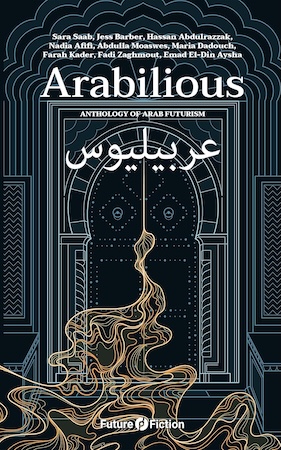
Arabilious: Anthology of Arab Futurism
Arabilious: Anthology of Arab Futurism brings together nine science-fiction stories imagining alternative futures shaped by the cultures, histories, and social realities of the Arab world. Featuring writers from Bahrain, Egypt, Iraq, Jordan, Lebanon, Palestine, and Syria, the collection challenges the dominance of Western perspectives in speculative fiction and presents visions of the future rooted in Arab experiences.
The stories explore the consequences of emerging technologies, environmental crises, political conflict, and social inequality. Rather than imagining progress as a simple escape from the past, the contributors examine how traditions, collective identities, and historical memories continue to shape societies undergoing rapid change. The anthology includes Fadi Zaghmout’s A Jaha in the Metaverse, which reimagines the traditional Jordanian marriage-custom ceremony within a virtual world, using satire to question the persistence of patriarchal practices in an increasingly technological society.
Together, these stories expand the possibilities of Arab science fiction, offering imaginative alternatives to the present while questioning who gets to envision the future. The collection combines speculative experimentation with cultural specificity, social criticism, and reflections on the legacy of colonialism.
Jordan
2024
2
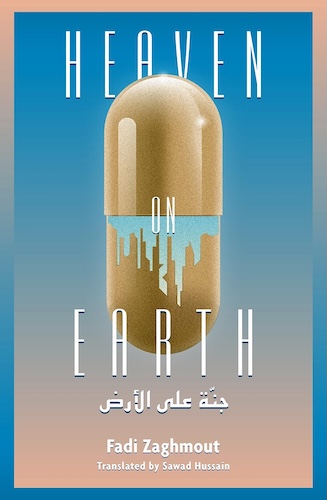
Heaven on Earth
What would happen if science made it possible to remain young forever? Set in Jordan in the 2090s, Heaven on Earth imagines a future transformed by advances in biotechnology and nanotechnology that allow people to reverse the aging process. Yet the promise of eternal youth brings unexpected moral, social, and emotional dilemmas.
At the heart of the novel is Janna Abdallah, a journalist navigating a world where humanity has gained unprecedented control over life and death. Her brother, Jamal, who contributed to the scientific breakthroughs behind this new reality, makes the controversial decision to reject age suppression and allow himself to die naturally. His choice unsettles the family and challenges the assumptions of a society that has come to regard aging as a problem to be solved. Meanwhile, strict reproductive regulations complicate the family’s hopes for the future.
Blending speculative fiction with social commentary, Zaghmout explores the ethical limits of scientific progress, individual autonomy, family relationships, and the meaning of a fulfilling life. By placing these questions within a distinctly Jordanian cultural setting, he invites readers to reconsider the boundaries between technological possibility and human freedom.
Jordan
2017
About this theme
- Books
- 2
- Countries
- 54
Countries with this theme
Austria
Europe
Bangladesh
Asia
Belarus
Europe
Benin
Africa
Bhutan
Asia
Bosnia and Herzegovina
Europe
Brazil
South America
Bulgaria
Europe
Burundi
Africa
Cabo Verde
Africa
Cameroon
Africa
Chile
South America
China
Asia
Congo, Democratic Republic
Africa
Costa Rica
North America
Côte d’Ivoire (Ivory Coast)
Africa
Czech Republic
Europe
Denmark
Europe
Dominican Republic
North America
Egypt
Africa
Fiji
Oceania
France
Europe
Georgia
Asia
Germany
Europe
Ghana
Africa
Greece
Europe
India
Asia
Iraq
Asia
Ireland
Europe
Italy
Europe
Jamaica
North America
Japan
Asia
Jordan
Asia
Kuwait
Asia
Lithuania
Europe
Mexico
North America
Morocco
Africa
Nigeria
Africa
Pakistan
Asia
Palestine
Asia
Russia
Europe
Saudi Arabia
Asia
Senegal
Africa
South Africa
Africa
South Korea
Asia
Spain
Europe
Sudan
Africa
Sweden
Europe
Türkiye
Asia
Ukraine
Europe
United Kingdom
Europe
United States
North America
Uzbekistan
Asia
Zambia
Africa