Society & Class
Examinations of class, power, and the structures we live within.
All countries
Austria
Bangladesh
Belarus
Benin
Bhutan
Bosnia and Herzegovina
Brazil
Bulgaria
Burundi
Cabo Verde
Cameroon
Chile
China
Congo, Democratic Republic
Costa Rica
Côte d’Ivoire (Ivory Coast)
Czech Republic
Denmark
Dominican Republic
Egypt
Fiji
France
Georgia
Germany
Ghana
Greece
India
Iraq
Ireland
Italy
Jamaica
Japan
Jordan
Kuwait
Lithuania
Mexico
Morocco
Nigeria
Pakistan
Palestine
Russia
Saudi Arabia
Senegal
South Africa
South Korea
Spain
Sudan
Sweden
Türkiye
Ukraine
United Kingdom
United States
Uzbekistan
Zambia
1
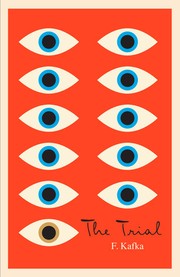
The Trial
The Trial follows Josef K., a bank employee who is unexpectedly arrested one morning without being told what crime he has committed. Although he is allowed to continue his daily life, he becomes increasingly consumed by a mysterious legal process governed by inaccessible authorities and incomprehensible rules. As he attempts to defend himself, he encounters officials, lawyers, and other individuals who offer little clarity about the accusations against him. His efforts to understand the system only deepen his sense of helplessness. Published after Kafka’s death, the novel presents a disturbing vision of a world in which individuals are trapped within institutions they cannot comprehend or challenge. Kafka explores guilt, bureaucracy, power, and alienation, revealing how uncertainty itself can become a form of oppression. Josef K.’s struggle captures the anxiety of confronting an authority that demands obedience while refusing to explain its actions.
Czech Republic
1925
2
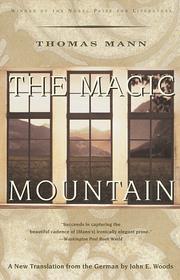
The Magic Mountain
The Magic Mountain follows Hans Castorp, a young German engineer who visits his cousin at a tuberculosis sanatorium in the Swiss Alps. Initially intending to stay for only three weeks, Hans becomes absorbed in the institution’s unusual atmosphere and eventually remains there for seven years. Removed from the routines of ordinary society, he encounters patients and intellectuals whose conversations explore competing ideas about politics, philosophy, science, love, and human progress. The sanatorium becomes a miniature version of pre-war Europe, where debates about rationalism, humanism, nationalism, and radical ideology reveal the tensions shaping the continent. Through Hans’s gradual transformation, Mann examines the relationship between time, illness, and intellectual development. The novel explores the attraction of isolation and the difficulty of understanding a society approaching catastrophe, ultimately reflecting on the cultural and moral crises that preceded the First World War.
Germany
1924
3
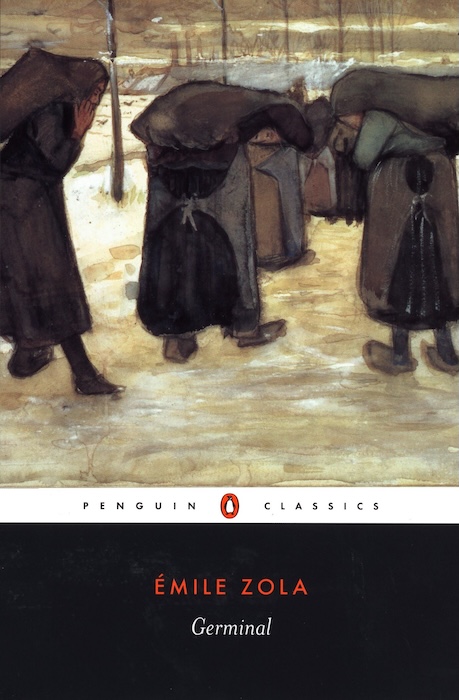
Germinal
Germinal follows Étienne Lantier, an unemployed railway worker who finds work in a coal mine in northern France. There he witnesses the brutal conditions endured by miners, whose dangerous labour and inadequate wages leave their families trapped in poverty. As tensions between workers and mine owners intensify, Étienne becomes involved in efforts to organise a strike demanding better pay and working conditions. Initially united by hope and solidarity, the miners face hunger, repression, and growing divisions as the conflict continues. Zola portrays the physical dangers of industrial labour alongside the social structures that perpetuate inequality. Through vivid descriptions of the mining community, he examines class struggle, exploitation, and collective resistance. The novel’s title evokes the beginning of new growth, suggesting that although the strike suffers a devastating defeat, the desire for social transformation may continue to develop beneath the surface.
France
1885
4
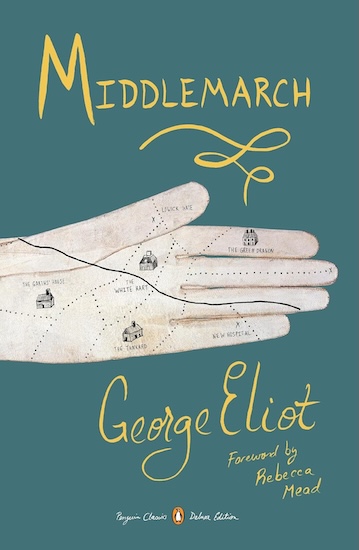
Middlemarch
Middlemarch portrays life in a provincial English town during the early nineteenth century, following a wide network of characters whose ambitions and relationships reveal the complexities of social change. Dorothea Brooke, an idealistic young woman, longs to lead a meaningful life but finds herself trapped in a disappointing marriage to the elderly scholar Edward Casaubon. Meanwhile, the ambitious doctor Tertius Lydgate hopes to reform medical practice but becomes increasingly constrained by financial pressures and social expectations. Their stories intersect with those of other residents whose decisions reflect the influence of class, money, reputation, and political change. Eliot examines the gap between personal aspirations and the realities of everyday life, showing how even well-intentioned individuals can cause harm through ignorance or pride. The novel explores marriage, moral responsibility, and the quiet ways people influence one another’s futures.
United Kingdom
1871
5
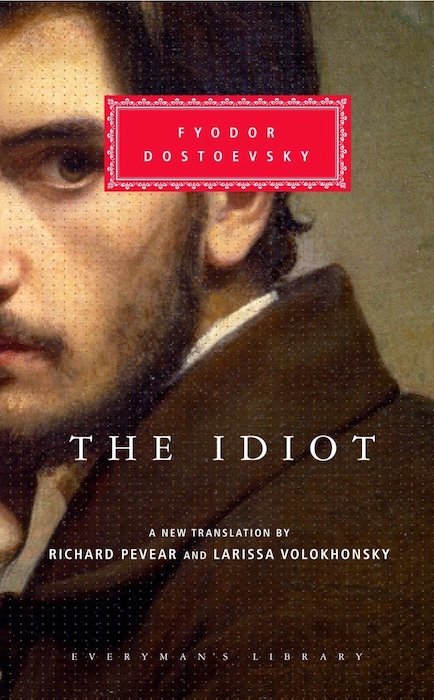
The Idiot
The Idiot follows Prince Lev Myshkin, a gentle and compassionate young man who returns to Russia after spending several years in a Swiss sanatorium receiving treatment for epilepsy. His sincerity, honesty, and lack of social pretension set him apart in the sophisticated but morally compromised world of St. Petersburg’s aristocracy, where his kindness is often mistaken for weakness or foolishness.
Myshkin becomes entangled in the lives of two women: Nastasya Filippovna, a beautiful woman haunted by past abuse and social humiliation, and Aglaya Yepanchina, a young woman drawn to the prince’s unusual character. As jealousy, romantic rivalry, and competing social ambitions intensify, Myshkin struggles to reconcile his ideal of unconditional compassion with the destructive realities of human behaviour.
Through its psychologically complex characters, Dostoevsky examines innocence, faith, suffering, pride, and the contradictions of human nature. The novel asks whether genuine goodness can survive in a society shaped by vanity, greed, and cruelty.
Russia
1869
6
Madame Bovary
Madame Bovary follows Emma Bovary, a young woman who marries Charles, a provincial doctor, hoping for a life filled with romance, luxury, and excitement. Influenced by romantic novels and idealised visions of love, she soon becomes disappointed by the routine of married life and the limitations of her social environment. Seeking escape, Emma pursues passionate relationships and extravagant purchases, gradually accumulating debts that threaten to destroy her carefully constructed image of happiness. Her attempts to transform her life into something extraordinary instead lead her into increasingly desperate circumstances. Through Emma’s story, Flaubert critiques the social conventions and material ambitions of nineteenth-century provincial France. The novel explores desire, disillusionment, and the gap between fantasy and reality, portraying a woman whose longing for a more fulfilling existence collides with the restrictive expectations of her time.
France
1857
7
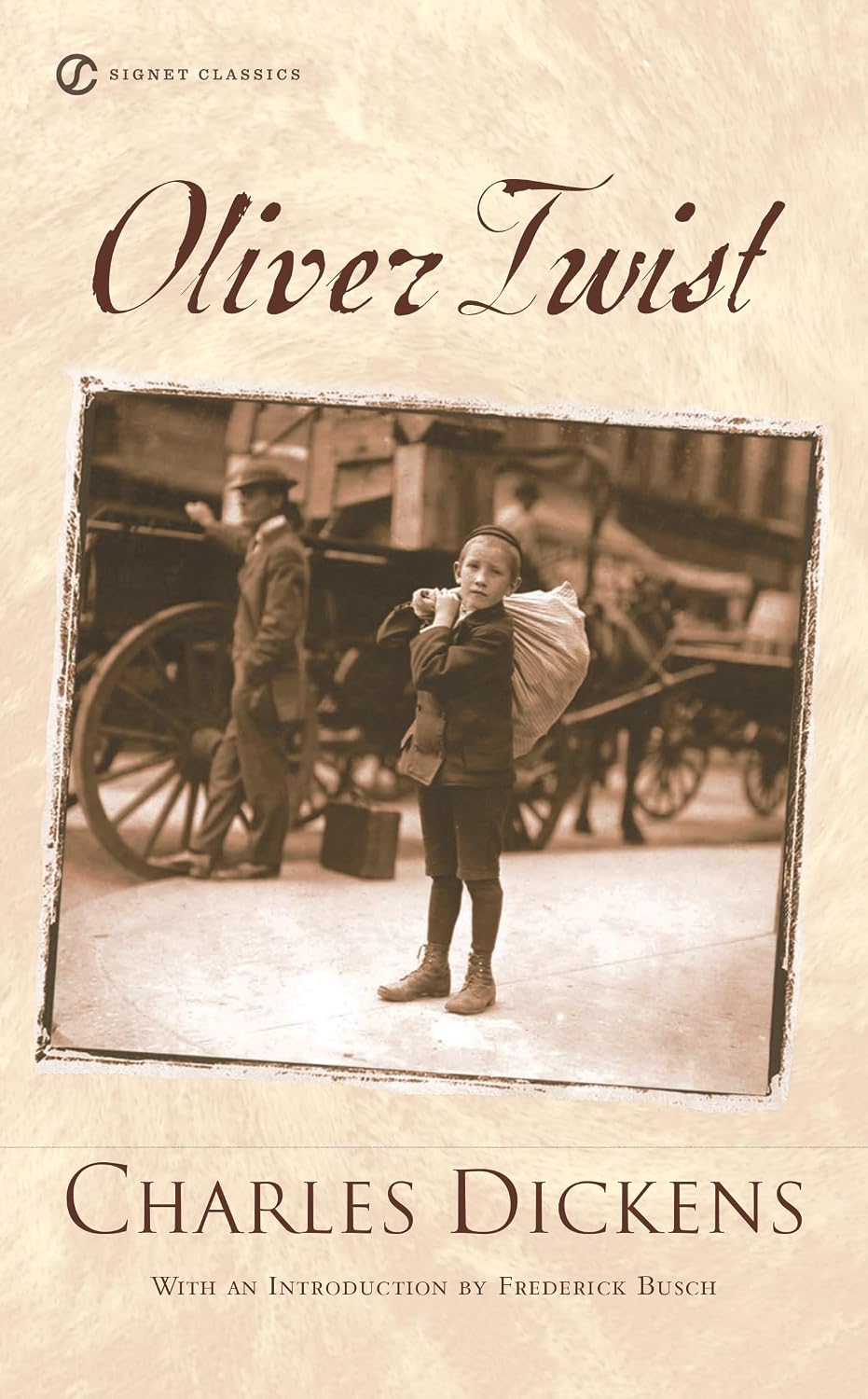
Oliver Twist: Or the Parish Boy's Progress
Oliver Twist follows an orphaned boy who grows up in the brutal conditions of a Victorian workhouse. After asking for more food, Oliver is punished and eventually sent away to work, but he escapes to London in search of a better life. There he falls into the company of a group of young thieves controlled by the criminal Fagin. Although Oliver is repeatedly exposed to exploitation and violence, he retains his kindness and honesty. His circumstances eventually bring him into contact with people who recognise his innocence and attempt to protect him. Dickens exposes the cruelty of institutions that punish poverty rather than alleviate it, highlighting the vulnerability of children in a society marked by inequality. The novel explores justice, compassion, and the possibility of moral goodness surviving even in deeply corrupt environments.
United Kingdom
1838
8
Notre-Dame of Paris
Often known in English as The Hunchback of Notre Dame this is the famous story of Quasimodo and the beautiful Gypsy girl he loves and eventually rescues after she has been wrongly sentenced to hang for murder. Alas it all ends badly. A timeless tale of love, devotion, jealousy and deception.
France
1831
About this theme
- Books
- 140
- Countries
- 54
Countries with this theme
Austria
Europe
Bangladesh
Asia
Belarus
Europe
Benin
Africa
Bhutan
Asia
Bosnia and Herzegovina
Europe
Brazil
South America
Bulgaria
Europe
Burundi
Africa
Cabo Verde
Africa
Cameroon
Africa
Chile
South America
China
Asia
Congo, Democratic Republic
Africa
Costa Rica
North America
Côte d’Ivoire (Ivory Coast)
Africa
Czech Republic
Europe
Denmark
Europe
Dominican Republic
North America
Egypt
Africa
Fiji
Oceania
France
Europe
Georgia
Asia
Germany
Europe
Ghana
Africa
Greece
Europe
India
Asia
Iraq
Asia
Ireland
Europe
Italy
Europe
Jamaica
North America
Japan
Asia
Jordan
Asia
Kuwait
Asia
Lithuania
Europe
Mexico
North America
Morocco
Africa
Nigeria
Africa
Pakistan
Asia
Palestine
Asia
Russia
Europe
Saudi Arabia
Asia
Senegal
Africa
South Africa
Africa
South Korea
Asia
Spain
Europe
Sudan
Africa
Sweden
Europe
Türkiye
Asia
Ukraine
Europe
United Kingdom
Europe
United States
North America
Uzbekistan
Asia
Zambia
Africa