A Quiet Place
Japan

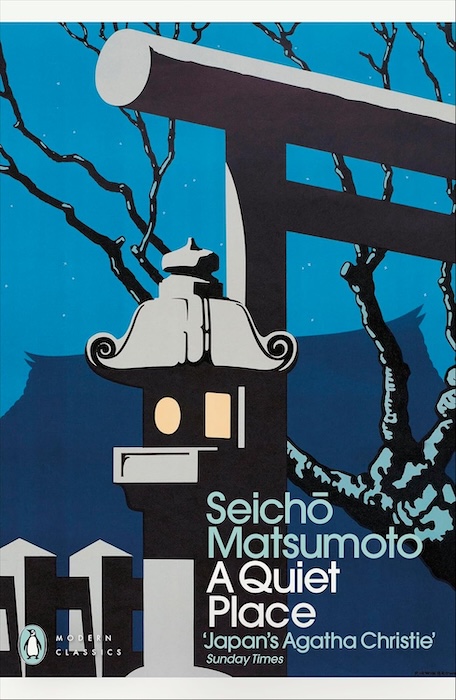
A Quiet Place

by Seicho Matsumoto

Summary

A Quiet Place follows Tsuneo Asai, a reserved government official whose life is disrupted when he learns that his wife, Eiko, has died suddenly while he is away on a business trip. Although she had a heart condition, the circumstances of her death trouble him: she collapsed in a small shop in a Tokyo neighbourhood she seemingly had no reason to visit.

Determined to understand what happened, Asai investigates the area and discovers clues suggesting that his seemingly quiet and devoted wife may have been hiding a secret life. His search gradually draws him into a world of clandestine relationships, suspicion, and uncomfortable revelations. As he uncovers details about Eiko’s movements, his grief gives way to jealousy and doubt, threatening the orderly existence he has carefully maintained.

Through this psychological mystery, Matsumoto examines the hidden tensions beneath respectable appearances, the constraints of marriage, and the effects of ambition and social expectations in postwar Japanese society. The novel reveals how little people may truly know about those closest to them.

Reviews

Login to leave a review.

No reviews yet. Be the first!

You might also like

Japan
Asia
Seicho Matsumoto
Seicho Matsumoto

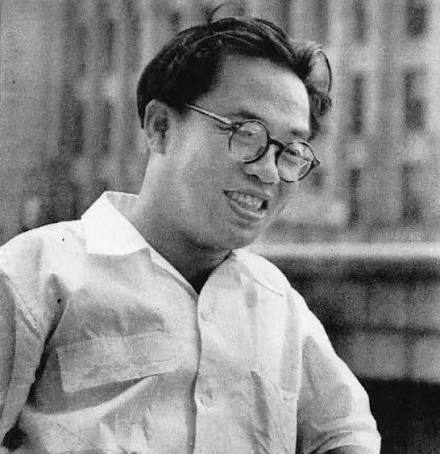
Seichō Matsumoto (1909–1992) was a Japanese novelist and short-story writer widely credited with transforming modern Japanese crime fiction. Born in Kitakyushu, Japan, he came from a modest background and worked in various jobs, including as a newspaper illustrator, before establishing himself as a writer later in life. His experiences outside the literary world helped shape his interest in ordinary people and the social forces influencing their lives. Matsumoto gained national recognition with Ari no Shūretsu (1957) and won the Akutagawa Prize in 1952 for The Legend of the Kokura Diaries. His breakthrough crime novel, Points and Lines (1958), helped establish a new style of Japanese detective fiction that emphasized psychological realism, social inequality, and institutional corruption rather than simply presenting an intellectual puzzle. Other notable works include Inspector Imanishi Investigates (1961), The Castle of Sand (1961), and A Quiet Place (1971). Often associated with shakai-ha—socially conscious crime fiction—Matsumoto used mystery and suspense to examine bureaucracy, ambition, class divisions, and the hidden pressures of postwar Japanese society. His work remains influential in Japanese crime literature and has been adapted extensively for film and television.

View author page
Published
2016
Author
Seicho Matsumoto