Love & Passion
Stories of romance, desire, and the bonds that connect us across cultures.
All countries
Austria
Azerbaijan
Brazil
Canada
China
Colombia
Côte d’Ivoire (Ivory Coast)
Denmark
Egypt
France
Germany
Iceland
India
Iran
Iraq
Ireland
Japan
Kyrgyzstan
Mexico
Norway
Pakistan
Palestine
Philippines
Romania
Russia
Saudi Arabia
Spain
Sweden
Taiwan
Tanzania
Türkiye
United Kingdom
United States
1
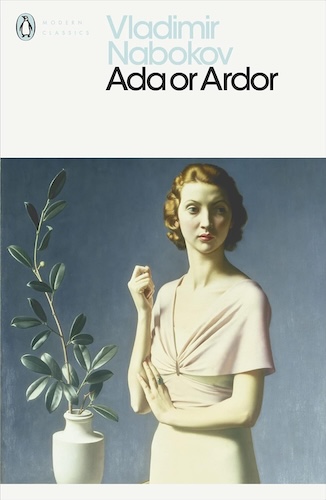
Ada, or Ardor: A Family Chronicle
In an alternate world where history, geography, and time unfold according to strange new rules, Van and Ada fall into a passionate love that defies family boundaries and social conventions. Spanning decades, their story becomes an intricate meditation on memory, desire, and the elusive nature of time. Nabokov’s dazzling, playfully complex novel invites readers into a world where love and language are as intoxicating as they are unpredictable.
United States
1969
2
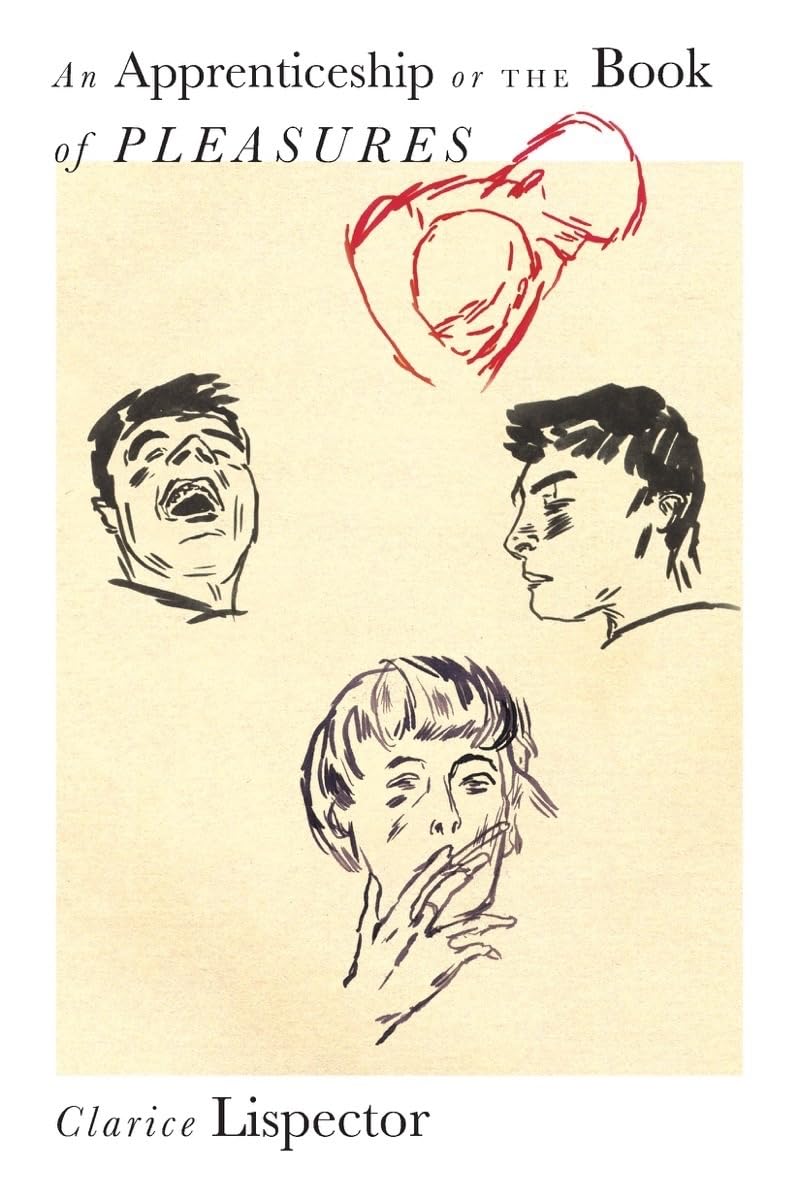
Apprenticeship or the Book of Pleasures
Apprenticeship or the Book of Pleasures follows Lóri, a schoolteacher living in Rio de Janeiro who struggles with loneliness, emotional vulnerability, and the difficulty of allowing herself to experience happiness. When she meets Ulisses, a philosophy professor who challenges her to confront her fears and desires, she begins a gradual journey toward emotional and personal freedom. Their relationship develops slowly, shaped by conversations, uncertainty, and Lóri’s attempts to understand what it means to love another person without losing herself.
Through introspective prose and philosophical reflections, Clarice Lispector explores love not simply as romance, but as a process of self-discovery and transformation. Lóri must learn to accept her own body, embrace uncertainty, and become comfortable with being alone before she can fully connect with someone else. Blurring the boundaries between fiction and philosophical meditation, the novel examines desire, intimacy, vulnerability, and the courage required to experience life more fully.
Brazil
1969
3

Jamila
Set in a Kyrgyz village during the Second World War, Jamila tells the story of a young woman whose husband is away serving at the front. Jamila lives with her husband’s family and helps transport grain alongside her teenage brother-in-law, Seit, who narrates the story. Their daily journeys bring them into contact with Daniyar, a quiet, solitary soldier whose deep love of music gradually reveals a sensitive inner world.
As Seit observes the growing connection between Jamila and Daniyar, he begins to understand that love cannot always be contained by social expectations or family obligations. Their relationship challenges the conventions of rural life, where duty and reputation often take precedence over individual happiness. Through vivid descriptions of the Kyrgyz landscape and the rhythms of village life, Aitmatov explores emotional freedom, artistic expression, and the courage required to choose one’s own path. The novella is also a coming-of-age story for Seit, whose discovery of love and beauty transforms his understanding of the world.
Kyrgyzstan
1960
4

Gabriela, Clove and Cinnamon
Set in the coastal Brazilian town of Ilhéus in the 1920s, Gabriela, Clove and Cinnamon follows Gabriela, a beautiful and carefree young woman who arrives in town during a period of economic transformation driven by the cocoa trade. She becomes a cook in the bar of Nacib, a Syrian immigrant who falls in love with her and eventually marries her. However, Gabriela’s independent spirit and sensual nature clash with the conservative social expectations of marriage and respectability. Against the backdrop of political rivalries, changing gender roles, and the decline of traditional power structures, Jorge Amado portrays a society caught between old customs and modern aspirations. Blending romance, humor, and social satire, the novel explores desire, freedom, and the struggle of women to live beyond the constraints imposed by patriarchal traditions. Through its vivid characters and colorful setting, the book celebrates Brazilian culture and the transformative power of social change.
Brazil
1958
5
Snow Country
Snow Country follows Shimamura, a wealthy Tokyo man who repeatedly visits a remote hot-spring town in Japan’s snowy mountains. There he develops a complicated relationship with Komako, a young geisha whose emotional commitment contrasts with his detached approach to life. Their encounters unfold against a landscape of snow-covered villages, quiet inns, and winter journeys that intensify the novel’s atmosphere of beauty and isolation. Shimamura is also fascinated by Yōko, another woman whose presence complicates his relationship with Komako. Through restrained dialogue and delicate descriptions of the natural world, Kawabata explores desire, loneliness, and the distance between people who cannot fully understand one another. The novel examines the tension between emotional attachment and detachment, revealing how beauty can coexist with sadness and how fleeting encounters can leave lasting impressions.美的に抽出されて描かれている。
Japan
1937
6
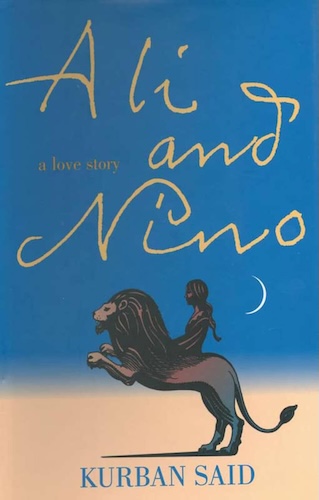
Ali and Nino
Set in Baku during the early twentieth century, Ali and Nino tells the story of Ali Khan Shirvanshir, a Muslim Azerbaijani aristocrat, and Nino Kipiani, a Christian Georgian woman. Despite their different cultural and religious backgrounds, the two fall deeply in love and imagine a future together. Their relationship unfolds against the backdrop of the First World War, the Russian Revolution, and the brief independence of Azerbaijan. As political conflict transforms the Caucasus, Ali and Nino must navigate competing expectations about marriage, tradition, religion, and personal freedom. Their romance becomes a reflection of the wider tensions between Eastern and Western influences in the region. Through their relationship, the novel explores cultural identity, loyalty, and the difficulty of preserving private happiness when history threatens to reshape an entire society.
Azerbaijan
1937
7
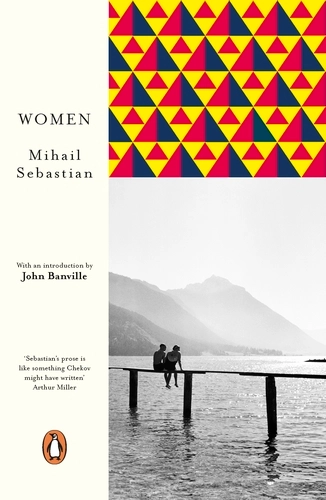
Women
Originally published in 1933 as Femei, Mihail Sebastian’s Women explores love, desire, emotional independence, and the elusive nature of human relationships in interwar Europe. Structured as four interconnected stories, the novel follows Ștefan Valeriu, a young Romanian medical student whose encounters with women gradually reveal the contradictions of romantic attachment. From a summer resort in the French Alps to the sophisticated social circles of Paris, Ștefan becomes involved with women of different ages, temperaments, and expectations. Each relationship offers him a different experience of intimacy, from flirtation and seduction to vulnerability, rejection, and regret. Yet his desire to preserve his freedom repeatedly conflicts with his longing for connection. Through subtle psychological observations and an exploration of the shifting balance of power between lovers, Sebastian examines how people construct their identities through relationships and how every choice closes the door on other possible lives. Elegant, introspective, and occasionally melancholic, Women offers a portrait of romantic relationships in which love is as much about self-discovery as it is about understanding another person.
Romania
1933
8

A Farewell to Arms
A Farewell to Arms follows Frederic Henry, an American ambulance officer serving with the Italian army during the First World War. While stationed near the front, he falls in love with Catherine Barkley, a British nurse whose emotional support offers him an escape from the brutality surrounding them. Their relationship deepens as the war intensifies, and Frederic becomes increasingly disillusioned with military duty and patriotic rhetoric. After a chaotic retreat from the front, he deserts the army and attempts to build a peaceful life with Catherine. However, their hopes for a future together are threatened by circumstances beyond their control. Hemingway explores love as a refuge from violence, while revealing its vulnerability in a world governed by chance and loss. The novel examines disillusionment, sacrifice, and the difficulty of finding lasting meaning in a time of war.
United States
1929
9
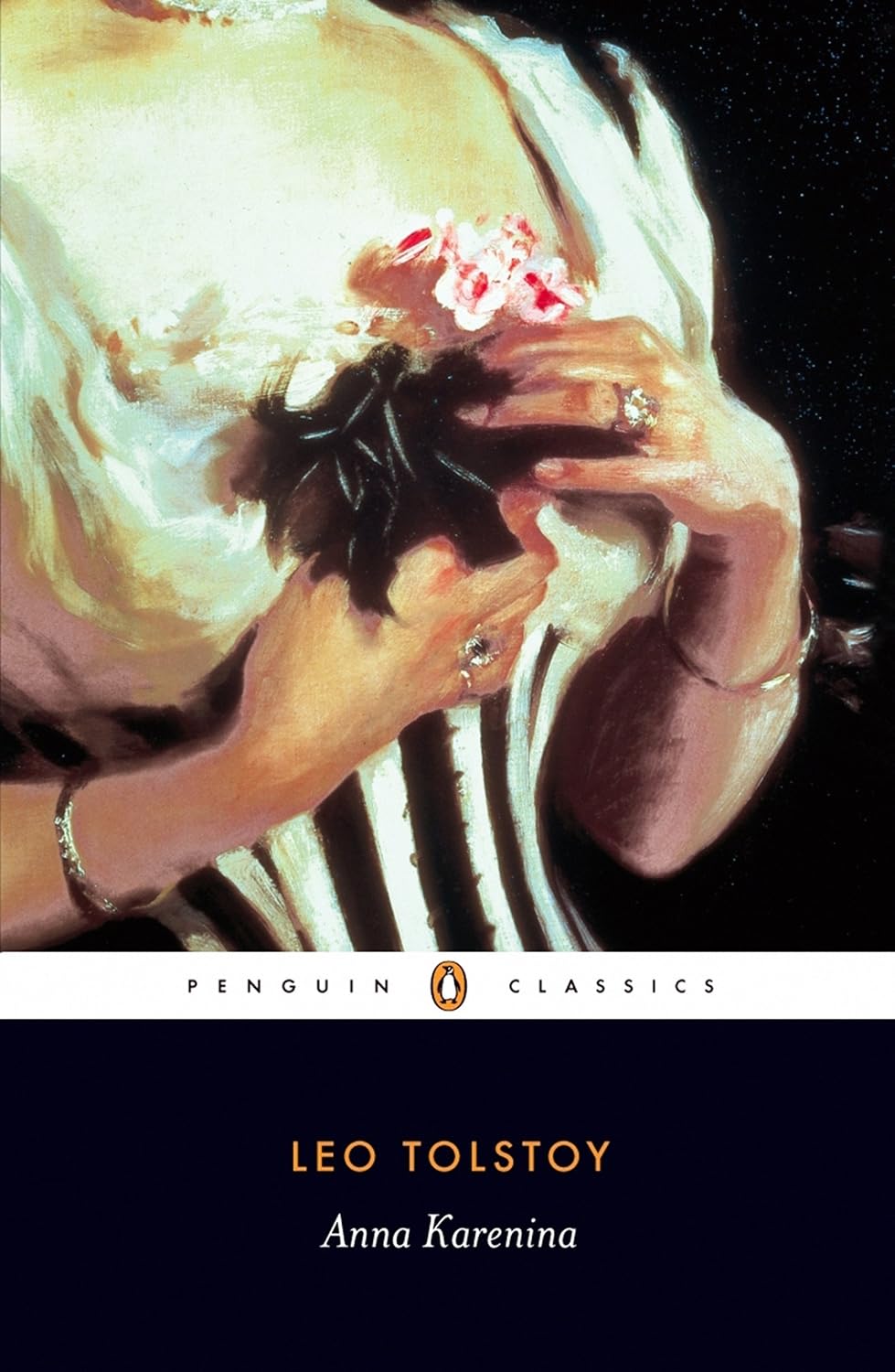
Anna Karenina
Anna Karenina explores love, marriage, family, and social expectations in nineteenth-century Russian society. Anna, an aristocratic woman trapped in an unhappy marriage, falls passionately in love with Count Vronsky, a military officer. Their relationship challenges the conventions of a society that grants men and women very different freedoms, exposing Anna to scandal and increasing isolation. Alongside her story, the novel follows Konstantin Levin, a landowner searching for meaning through work, family life, and spiritual reflection. As their lives unfold, Tolstoy examines the contradictions between personal happiness and social duty, revealing the consequences of hypocrisy and rigid moral standards. Through its complex characters and detailed portrayal of Russian life, the novel considers whether genuine fulfilment can be achieved within the expectations imposed by society.
Russia
1878
10
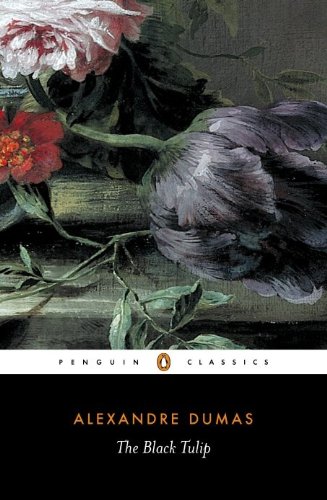
The Black Tulip
Set in the Netherlands in 1672, The Black Tulip follows Cornelius van Baerle, a passionate and wealthy tulip grower whose greatest ambition is to cultivate the first completely black tulip. His peaceful life is shattered when political intrigue leads to his imprisonment, after he is falsely accused of conspiring against the powerful brothers Cornelis and Johan de Witt. Behind bars, Cornelius continues his botanical pursuit with the help of Rosa, the jailer’s daughter, who becomes his devoted ally and eventually his beloved. As jealousy, betrayal, and greed threaten his dream, Cornelius must fight to protect both his flower and his freedom. Blending historical adventure, romance, and political drama, Dumas explores the destructive power of envy alongside the redemptive strength of loyalty and compassion. The black tulip becomes a symbol of perseverance and the pursuit of an extraordinary goal in a world shaped by ambition and injustice.
France
1850
11
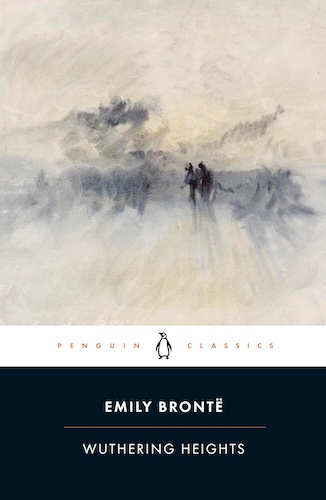
Wuthering Heights
Wuthering Heights tells the turbulent story of Catherine Earnshaw and Heathcliff, whose intense attachment becomes entangled with pride, social ambition, and revenge. Growing up together on the Yorkshire moors, they develop a bond that Catherine ultimately sacrifices by marrying Edgar Linton, a man of higher social standing. Heathcliff, devastated by her decision, returns years later wealthy and determined to punish those he believes have wronged him. His revenge extends beyond Catherine and Edgar, affecting their children and the next generation. Through its layered narration and haunting landscape, Brontë explores destructive passion, class divisions, and the lasting consequences of emotional cruelty. The novel challenges idealised notions of romantic love, portraying attachment as a force that can inspire profound devotion while also consuming lives and perpetuating suffering.
United Kingdom
1847
12
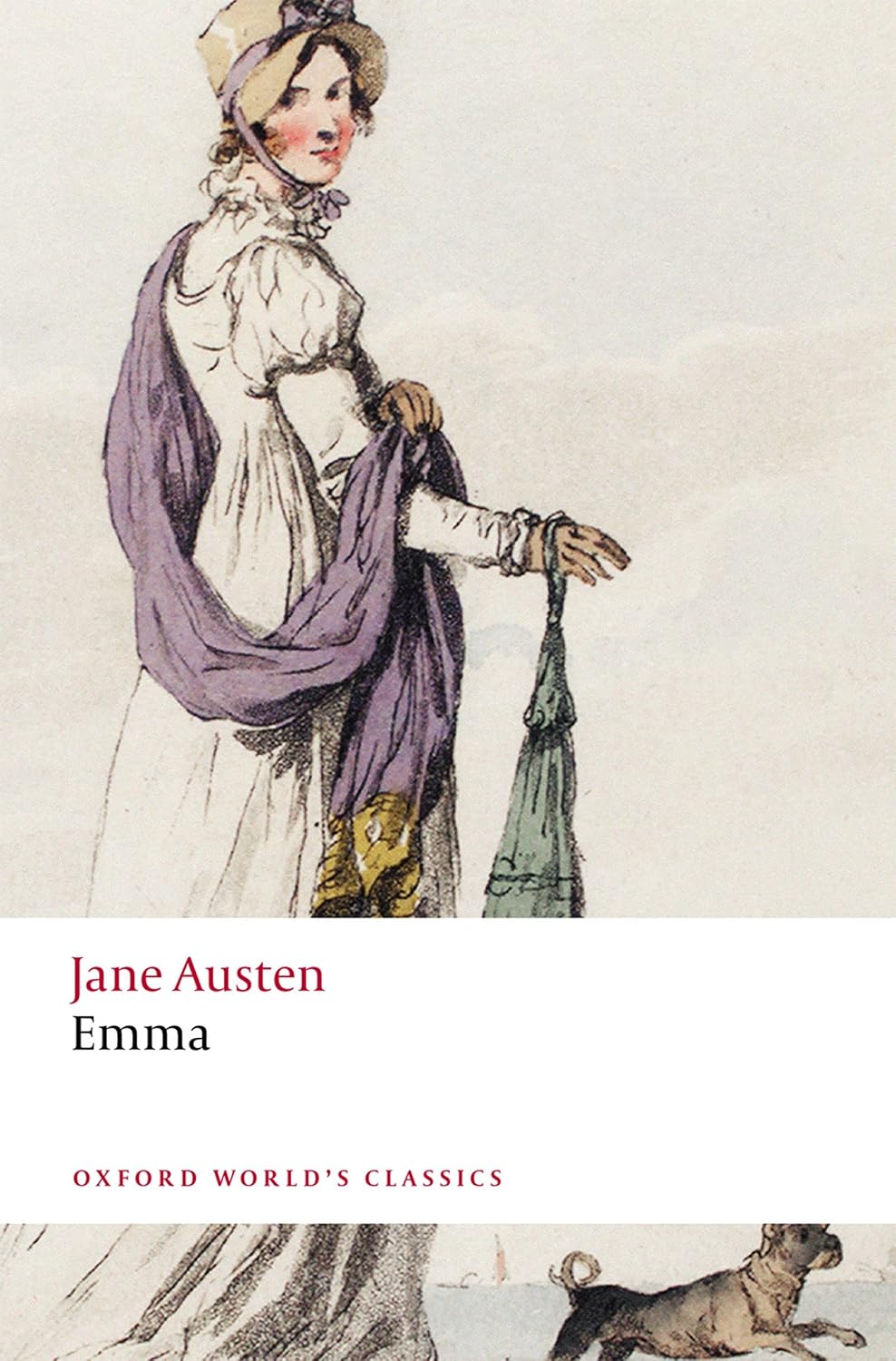
Emma
Emma centres on Emma Woodhouse, a wealthy young woman who believes herself exceptionally skilled at understanding other people’s romantic feelings. Having decided that she will never marry, Emma occupies herself by arranging relationships among her friends and neighbours. However, her confidence repeatedly leads her to misinterpret people’s intentions, creating misunderstandings and emotional complications. As her attempts at matchmaking affect those around her, Emma gradually recognises her own prejudices and the limitations of her judgment. Her relationship with the perceptive Mr Knightley becomes central to this process of self-discovery. Austen combines humour with social observation to examine class distinctions, female independence, and the difficulties of understanding others. The novel explores how maturity requires humility, empathy, and the willingness to reconsider one’s assumptions about love and human behaviour.
United Kingdom
1815
About this theme
- Books
- 62
- Countries
- 33
Countries with this theme
Austria
Europe
Azerbaijan
Asia
Brazil
South America
Canada
North America
China
Asia
Colombia
South America
Côte d’Ivoire (Ivory Coast)
Africa
Denmark
Europe
Egypt
Africa
France
Europe
Germany
Europe
Iceland
Europe
India
Asia
Iran
Asia
Iraq
Asia
Ireland
Europe
Japan
Asia
Kyrgyzstan
Asia
Mexico
North America
Norway
Europe
Pakistan
Asia
Palestine
Asia
Philippines
Asia
Romania
Europe
Russia
Europe
Saudi Arabia
Asia
Spain
Europe
Sweden
Europe
Taiwan
Asia
Tanzania
Africa
Türkiye
Asia
United Kingdom
Europe
United States
North America