Jamila
Kyrgyzstan

Jamila

by Chingiz Aitmatov

Summary

Set in a Kyrgyz village during the Second World War, Jamila tells the story of a young woman whose husband is away serving at the front. Jamila lives with her husband’s family and helps transport grain alongside her teenage brother-in-law, Seit, who narrates the story. Their daily journeys bring them into contact with Daniyar, a quiet, solitary soldier whose deep love of music gradually reveals a sensitive inner world.

As Seit observes the growing connection between Jamila and Daniyar, he begins to understand that love cannot always be contained by social expectations or family obligations. Their relationship challenges the conventions of rural life, where duty and reputation often take precedence over individual happiness. Through vivid descriptions of the Kyrgyz landscape and the rhythms of village life, Aitmatov explores emotional freedom, artistic expression, and the courage required to choose one’s own path. The novella is also a coming-of-age story for Seit, whose discovery of love and beauty transforms his understanding of the world.

Reviews

Login to leave a review.

No reviews yet. Be the first!

You might also like
Chingiz Aitmatov
Chingiz Aitmatov

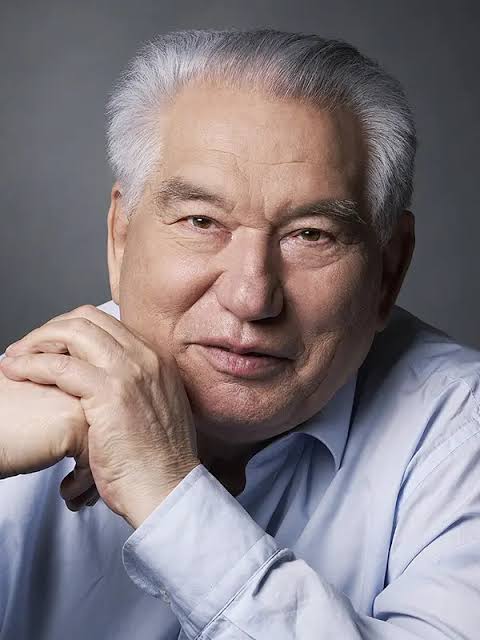
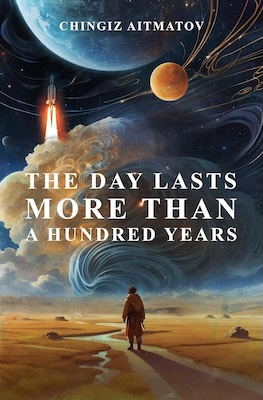
Chingiz Aitmatov (1928–2008) was a celebrated Kyrgyz novelist, short-story writer, and diplomat whose work brought the literature and cultural traditions of Central Asia to an international audience. Born in Sheker, a village in what was then the Kyrgyz Soviet Socialist Republic, he grew up during a turbulent period in Soviet history. His father, a government official, was arrested and executed during Stalin’s purges in 1938, an experience that profoundly influenced Aitmatov’s understanding of political repression and human suffering. Aitmatov initially studied agriculture before pursuing a literary career. He gained international recognition with Jamila (1958), a novella often praised for its lyrical portrayal of love and personal freedom. Other major works include The First Teacher (1962), Farewell, Gulsary! (1966), The White Ship (1970), and The Day Lasts More Than a Hundred Years (1980). His writing blends Kyrgyz folklore, oral storytelling, and nomadic traditions with universal questions about morality, memory, nature, and the consequences of political power. Beyond literature, Aitmatov served as a diplomat and represented Kyrgyzstan and the Soviet Union in international cultural and political contexts. His works have been translated into numerous languages, and he remains one of the most influential literary figures to emerge from Central Asia.

View author page
Published
1960
Author
Chingiz Aitmatov