Love & Passion
Stories of romance, desire, and the bonds that connect us across cultures.
All countries
Austria
Azerbaijan
Brazil
Canada
China
Colombia
Côte d’Ivoire (Ivory Coast)
Denmark
Egypt
France
Germany
Iceland
India
Iran
Iraq
Ireland
Japan
Kyrgyzstan
Mexico
Norway
Pakistan
Palestine
Philippines
Romania
Russia
Saudi Arabia
Spain
Sweden
Taiwan
Tanzania
Türkiye
United Kingdom
United States
1
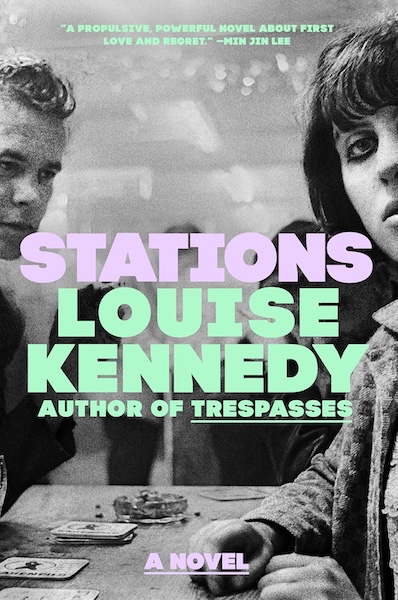
Stations
In a small Irish town in 1982, Róisín and Red form an intense bond as two sharp-minded teenagers who feel out of place in their own lives. Red is rebellious and troubled, while Róisín carries the pain of growing up with an absent father and a difficult home life. When Red’s encounter with the law forces him to leave Ireland for England, their connection survives across distance, becoming a fragile thread linking them through the years.
Eventually, Róisín travels to London to visit her estranged father and finds Red again, moving into his squat in Pimlico. But the life he has chosen is darker and more complicated than she imagined, and the pair gradually drift apart. Even as their paths diverge, Róisín remains haunted by her unfulfilled passion for him. Moving between Ireland and London over decades, Stations explores first love, addiction, friendship, and the lasting consequences of youthful choices. It asks whether we can release the people who shaped us—and whether learning to love someone else begins with learning to love ourselves.
Ireland
United Kingdom
2026
2
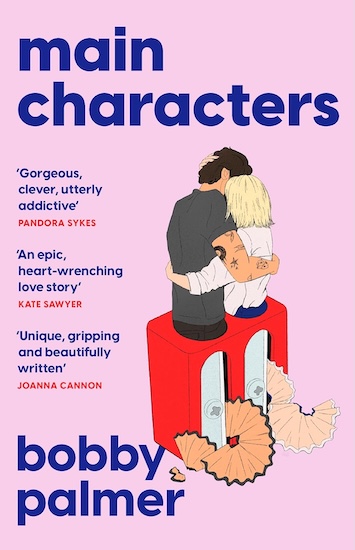
Main Characters
Clara and Seb are about to fall in love. They just don’t know it yet. When they meet in a quiet corner of London, an unexpected connection sparks a romance that captivates everyone around them. Clara dreams of becoming a film director, while Seb, an aspiring actor who has drifted between different careers, is still searching for his purpose. As their relationship deepens, Clara casts Seb in the film that could launch her career, but what should be the happiest moment of their lives ends in a devastating betrayal. Spanning two decades, Main Characters tells their love story through the eyes of the people who witness it: friends, flatmates, former lovers, rivals, and strangers. Each has a different perspective on the couple, revealing how little we can truly know about other people’s relationships. With its inventive narrative structure, this novel explores love, perception, friendship, and the complicated ways our lives intersect.
United Kingdom
2026
3
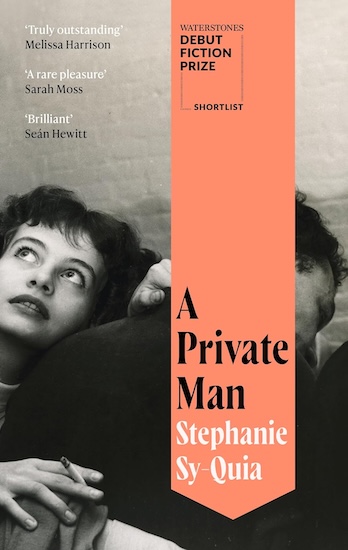
A Private Man
Rome, 1953. David is a young Catholic priest who has devoted his life to God and sworn himself to celibacy. Margaret, meanwhile, is a fiercely independent woman drawn to theology and the possibility of a more progressive Church. When their lives intersect in 1960s England, an intellectual connection develops into a love that challenges everything they believe about faith, duty, and freedom.
Decades later, their grandson Adrian discovers the extraordinary secret behind his family history while caring for his aging grandmother. As the past gradually emerges, the consequences of David and Margaret’s choices reveal themselves across generations. Inspired by the author’s own grandparents, A Private Man is a tender, complex exploration of forbidden love, religious devotion, and the difficult compromises between personal desire and deeply held convictions.
United Kingdom
2026
4
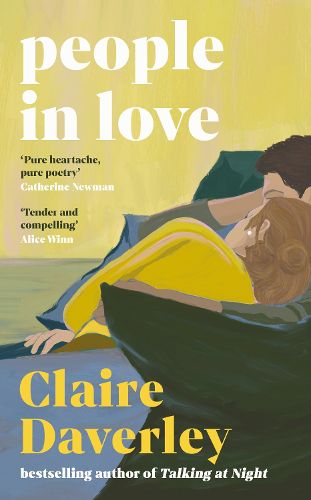
People in Love
Nora has spent a decade building a life with her partner, Robin. Their relationship is comfortable and deeply affectionate, shaped by private jokes, quiet mornings, and the small rituals that make a shared life feel like home. When Robin unexpectedly proposes, Nora says yes. They had always agreed that marriage was unnecessary, but perhaps this is simply the next step in a life that already feels settled. Then, on the night of their engagement party, Bren appears at her door.
Bren was Nora’s childhood best friend, the person everyone once assumed she would eventually marry. But a painful heartbreak drove them apart: he left, she stayed, and the feelings neither could articulate remained unresolved. Now his return rekindles an attraction Nora thought belonged to the past, forcing her to reconsider the choices that brought her to this moment.
Moving between the comfort of a long-term relationship and the intoxicating pull of a love left unfinished, Daverley explores the complicated nature of commitment, longing, and regret. This tender, emotionally perceptive novel asks whether the right life is necessarily the one we have chosen—or whether the people we once loved can reveal possibilities we never fully considered. It is a story about the paths not taken, the misunderstandings that shape our lives, and the difficult work of understanding our own hearts.
United Kingdom
2026
5
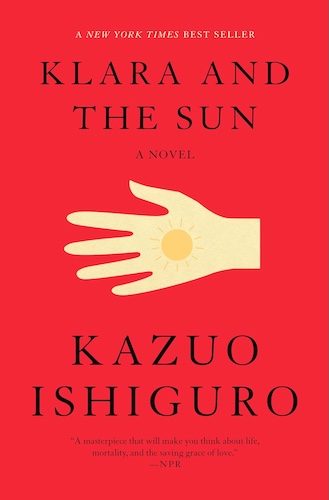
Klara and the Sun
In Klara and the Sun, Kazuo Ishiguro tells the story of Klara, an Artificial Friend designed to provide companionship to children. From her place in a shop window, Klara carefully observes the world around her, developing a remarkable understanding of human behavior and emotions. When a teenage girl named Josie chooses her as a companion, Klara enters a world shaped by love, illness, family tensions, and technological inequality. Narrated through Klara’s perceptive yet limited perspective, the novel explores what it means to be human and whether love and devotion can transcend the boundaries between artificial intelligence and human life. With quiet poignancy, Ishiguro examines loneliness, mortality, sacrifice, and the human desire to believe in something greater than ourselves.
United Kingdom
2022
6
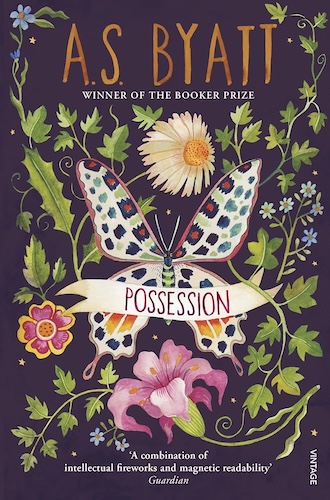
Possession
What if a forgotten love affair hidden in old letters could change everything you thought you knew about the past? When young literary scholar Roland Michell discovers a mysterious letter written by the celebrated Victorian poet Randolph Henry Ash, he begins investigating a secret that could transform literary history. Joined by Maud Bailey, an expert on the lesser-known poet Christabel LaMotte, Roland follows a trail of letters, diaries, and poems that reveals a passionate relationship between two writers whose lives were never meant to be connected. As the scholars uncover the truth, their own feelings begin to mirror those of the poets they study. Blending romance, mystery, and literary intrigue, Possession is a captivating exploration of love, obsession, and the stories history leaves behind. The novel won the 1990 Booker Prize.
United Kingdom
1990
7
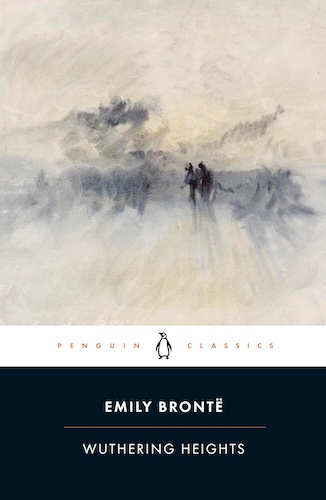
Wuthering Heights
Wuthering Heights tells the turbulent story of Catherine Earnshaw and Heathcliff, whose intense attachment becomes entangled with pride, social ambition, and revenge. Growing up together on the Yorkshire moors, they develop a bond that Catherine ultimately sacrifices by marrying Edgar Linton, a man of higher social standing. Heathcliff, devastated by her decision, returns years later wealthy and determined to punish those he believes have wronged him. His revenge extends beyond Catherine and Edgar, affecting their children and the next generation. Through its layered narration and haunting landscape, Brontë explores destructive passion, class divisions, and the lasting consequences of emotional cruelty. The novel challenges idealised notions of romantic love, portraying attachment as a force that can inspire profound devotion while also consuming lives and perpetuating suffering.
United Kingdom
1847
8
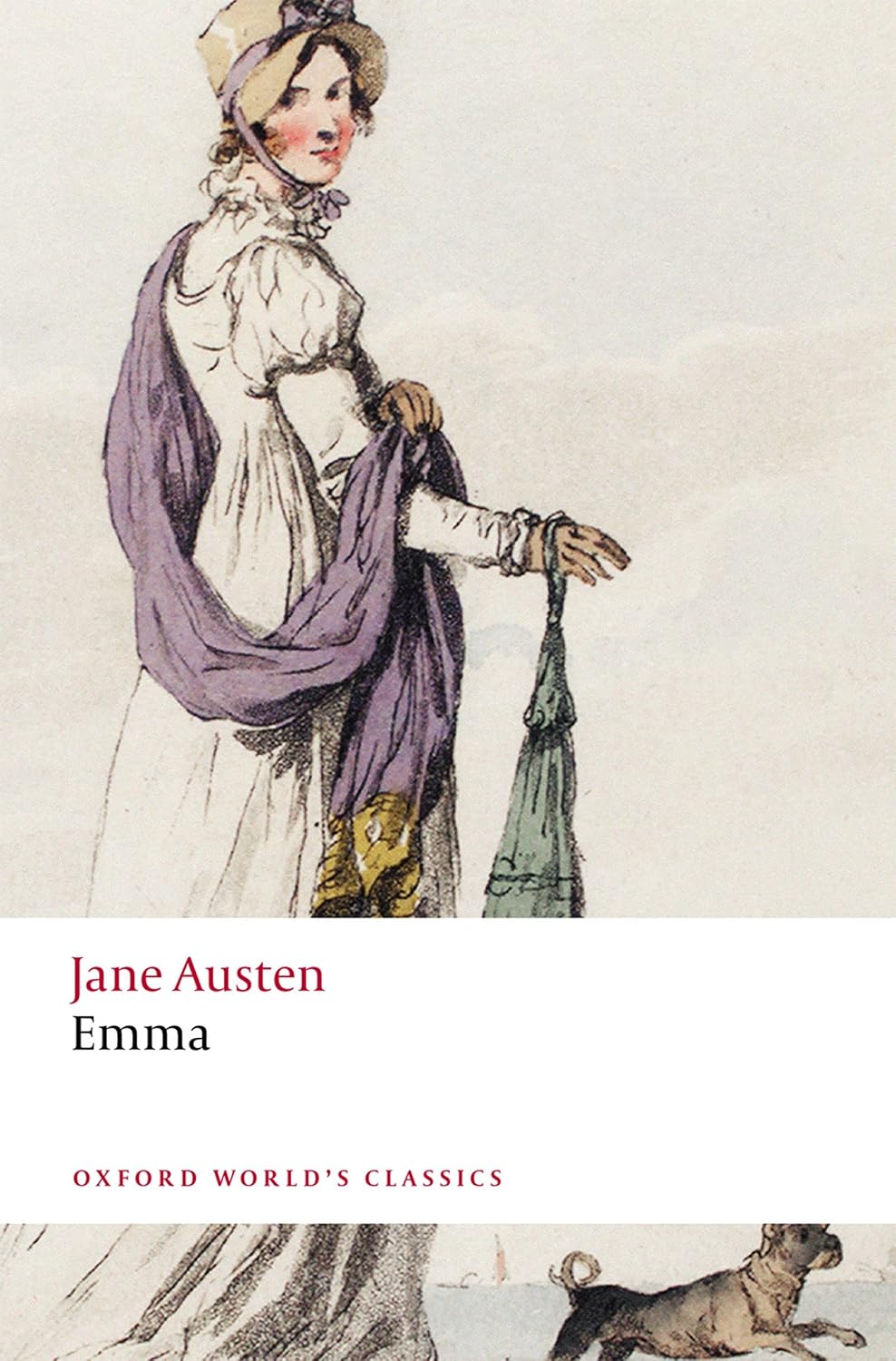
Emma
Emma centres on Emma Woodhouse, a wealthy young woman who believes herself exceptionally skilled at understanding other people’s romantic feelings. Having decided that she will never marry, Emma occupies herself by arranging relationships among her friends and neighbours. However, her confidence repeatedly leads her to misinterpret people’s intentions, creating misunderstandings and emotional complications. As her attempts at matchmaking affect those around her, Emma gradually recognises her own prejudices and the limitations of her judgment. Her relationship with the perceptive Mr Knightley becomes central to this process of self-discovery. Austen combines humour with social observation to examine class distinctions, female independence, and the difficulties of understanding others. The novel explores how maturity requires humility, empathy, and the willingness to reconsider one’s assumptions about love and human behaviour.
United Kingdom
1815
9
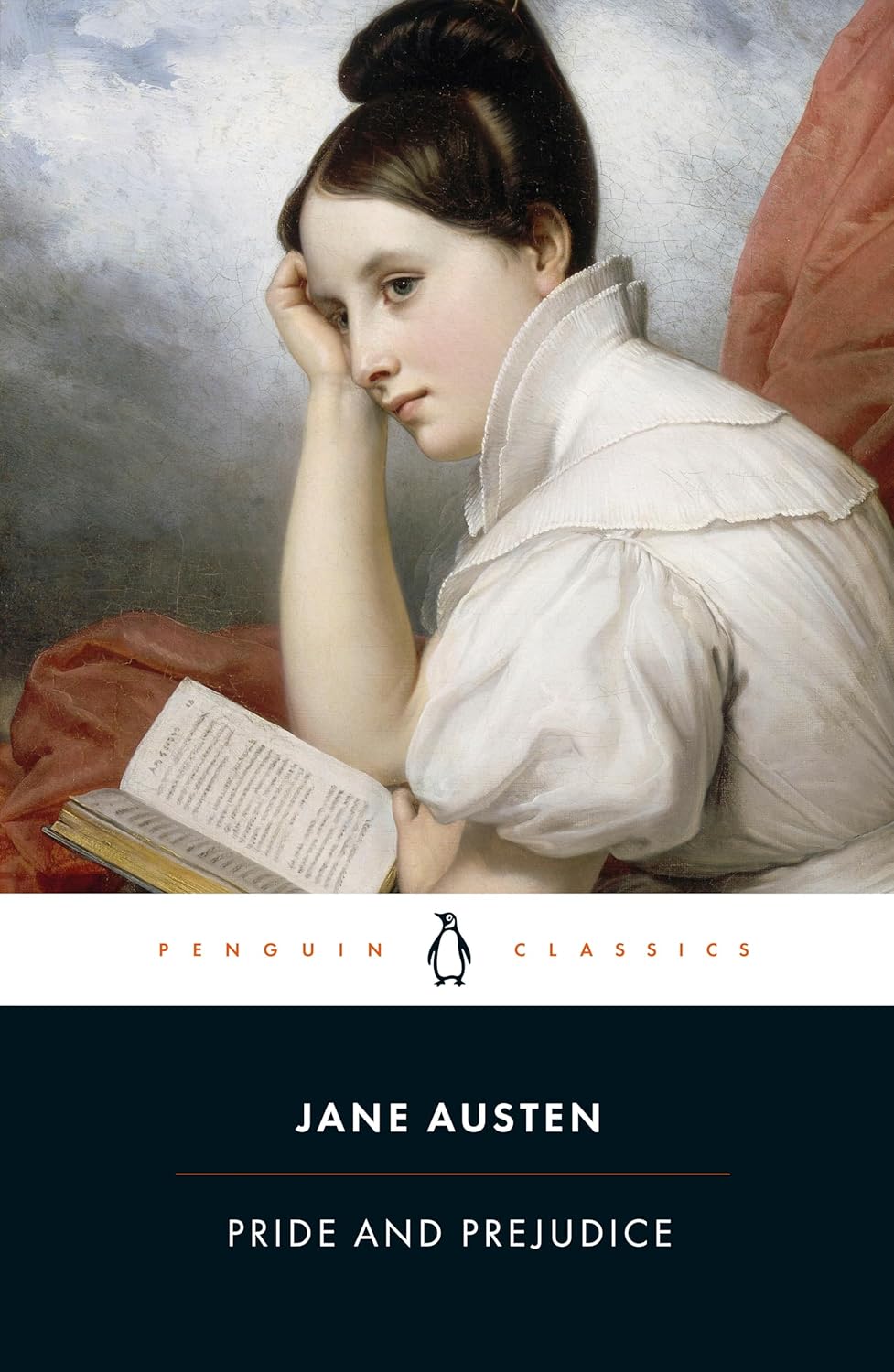
Pride and Prejudice
Pride and Prejudice follows Elizabeth Bennet, an intelligent and independent young woman navigating love and social expectations in Regency England. When the wealthy and reserved Mr Darcy enters her social circle, Elizabeth forms a negative impression of him, while Darcy initially struggles to look beyond her family’s lower social standing. Their relationship develops through misunderstandings, wounded pride, and gradual self-discovery. Meanwhile, Elizabeth’s sisters face the financial and social pressures associated with marriage in a society where women have limited opportunities for economic independence. Through wit and sharp observation, Austen critiques class prejudice, superficial judgments, and the belief that wealth guarantees moral worth. The novel explores the importance of self-awareness and mutual respect, suggesting that lasting relationships require people to question their assumptions and recognise their own shortcomings.
United Kingdom
1813
About this theme
- Books
- 9
- Countries
- 33
Countries with this theme
Austria
Europe
Azerbaijan
Asia
Brazil
South America
Canada
North America
China
Asia
Colombia
South America
Côte d’Ivoire (Ivory Coast)
Africa
Denmark
Europe
Egypt
Africa
France
Europe
Germany
Europe
Iceland
Europe
India
Asia
Iran
Asia
Iraq
Asia
Ireland
Europe
Japan
Asia
Kyrgyzstan
Asia
Mexico
North America
Norway
Europe
Pakistan
Asia
Palestine
Asia
Philippines
Asia
Romania
Europe
Russia
Europe
Saudi Arabia
Asia
Spain
Europe
Sweden
Europe
Taiwan
Asia
Tanzania
Africa
Türkiye
Asia
United Kingdom
Europe
United States
North America