
Gabriela, Clove and Cinnamon
Summary
Set in the coastal Brazilian town of Ilhéus in the 1920s, Gabriela, Clove and Cinnamon follows Gabriela, a beautiful and carefree young woman who arrives in town during a period of economic transformation driven by the cocoa trade. She becomes a cook in the bar of Nacib, a Syrian immigrant who falls in love with her and eventually marries her. However, Gabriela’s independent spirit and sensual nature clash with the conservative social expectations of marriage and respectability. Against the backdrop of political rivalries, changing gender roles, and the decline of traditional power structures, Jorge Amado portrays a society caught between old customs and modern aspirations. Blending romance, humor, and social satire, the novel explores desire, freedom, and the struggle of women to live beyond the constraints imposed by patriarchal traditions. Through its vivid characters and colorful setting, the book celebrates Brazilian culture and the transformative power of social change.
Reviews
Login to leave a review.
No reviews yet. Be the first!
You might also like

- Published
- 1958
- Author
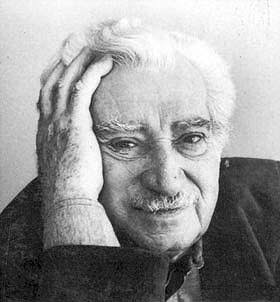
- Jorge Leal Amado de Faria