Freedom & Resistance
Voices of resistance, liberation, and the fight for justice.
All countries
Afghanistan
Albania
Algeria
Argentina
Australia
Belgium
Brazil
Burkina Faso
Central African Republic
Czech Republic
Dominican Republic
Egypt
France
Greece
Hungary
Iceland
India
Iran
Ireland
Italy
Japan
Jordan
Kenya
Kuwait
Malta
Morocco
Oman
Pakistan
Palestine
Philippines
Puerto Rico
Romania
Russia
Rwanda
South Africa
South Korea
Spain
Türkiye
Turkmenistan
United Kingdom
United States
Uruguay
Uzbekistan
Yemen
Zambia
1

The Labyrinth of the Spirits
In post-war Barcelona, where the shadows of Francisco Franco’s dictatorship linger over everyday life, a young investigator named Alicia Gris is drawn into a dangerous mystery involving one of Spain’s most powerful political figures. Working for a secretive government agency, Alicia is tasked with locating a missing minister, but what begins as a straightforward investigation soon reveals a far-reaching conspiracy involving political corruption, kidnapping, and murder.
As Alicia follows the trail of clues, her investigation brings her into contact with the Sempere family, whose lives have been intertwined with the mysteries of the Cemetery of Forgotten Books for decades. Daniel Sempere, still haunted by questions surrounding his mother’s death, finds himself drawn into a final confrontation with the secrets that have shaped his family. Together, Alicia and Daniel uncover a disturbing history of violence, betrayal, and buried truths.
The fourth and final novel in Zafón’s Cemetery of Forgotten Books series, The Labyrinth of the Spirits brings together characters and mysteries from the previous books in an intricate literary puzzle. Combining Gothic atmosphere, historical fiction, suspense, and a profound love of books, Zafón creates a sweeping portrait of a city haunted by its past. At its heart, the novel explores how literature preserves memory, how authoritarian power attempts to control truth, and how courage and friendship can help people emerge from the darkest chapters of history.
Spain
2016
2
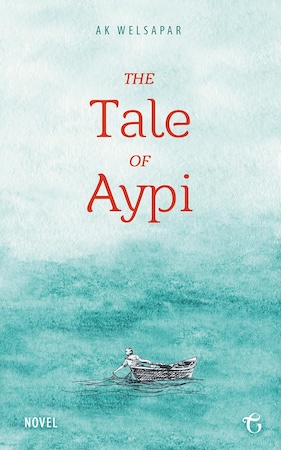
The Tale of Aypi
On the shores of the Caspian Sea, in a small fishing village in Soviet Turkmenistan, the inhabitants face the threat of losing their ancestral home. The authorities have ordered the community to relocate so that their land can be redeveloped, while a ban on fishing threatens the villagers’ traditional way of life. Most residents reluctantly accept their fate, but Araz, a stubborn and principled fisherman, refuses to surrender the place where his family has lived for generations. As he challenges the authorities, his resistance exposes the fear, conformity, and quiet compromises that allow injustice to flourish. Woven into the contemporary struggle is the haunting legend of Aypi, a beautiful young woman who was unjustly executed centuries earlier. Her restless spirit returns to seek vengeance, linking the village’s buried past with its present crisis. Blending political allegory, folklore, and supernatural elements, Ak Welsapar’s novel explores freedom, cultural identity, and humanity’s enduring connection to the land. It is also a powerful reflection on the consequences of authoritarian rule and the courage required to resist it.
Turkmenistan
2016
3
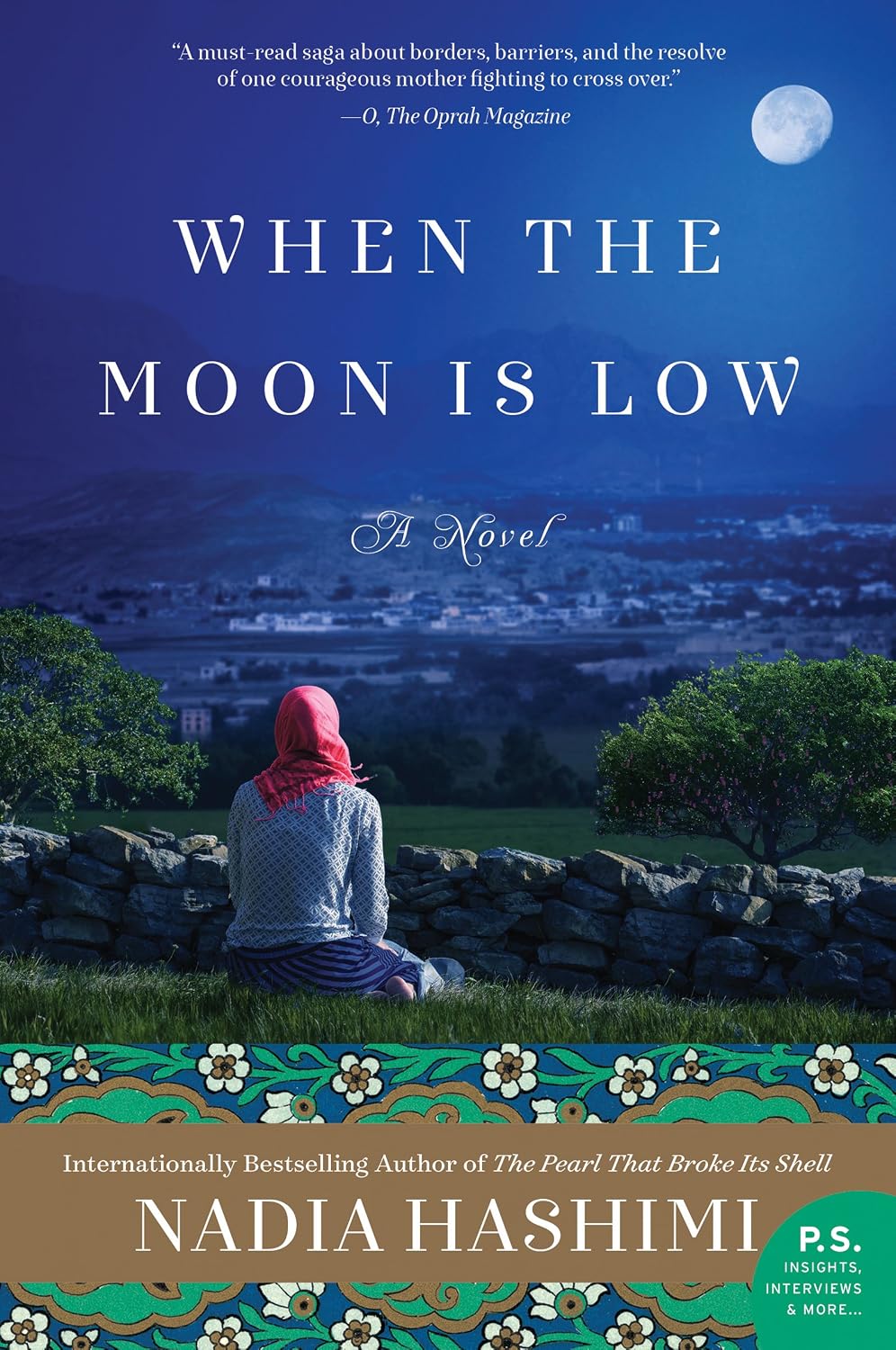
When the Moon Is Low
When the Moon Is Low follows Fereiba, an educated Afghan woman whose relatively secure life is shattered when her husband becomes a victim of political violence. Left to care for her three children, she decides to flee Afghanistan as the country’s instability and insecurity intensify. Their journey towards Europe exposes them to dangerous border crossings, exploitation, separation, and the uncertainty faced by refugees seeking safety. When circumstances force Fereiba and her teenage son, Saleem, onto different paths, both must find the strength to survive in unfamiliar environments. Moving between their experiences, Hashimi portrays the human cost of displacement and the difficult choices families make when their homes are no longer safe. The novel explores motherhood, resilience, and the search for freedom, highlighting the courage required to rebuild a life when everything familiar has been lost.
Afghanistan
2016
4
A House Without Windows: A Novel
A House Without Windows follows Zeba, an Afghan woman accused of murdering her husband, Kamal. Arrested and imprisoned while awaiting trial, she finds herself in a women’s detention centre in Kabul, where she encounters other women whose lives have been shaped by violence, coercion, and restrictive social expectations. Zeba’s children struggle to understand their mother’s arrest, while Yusuf, an Afghan-born lawyer raised in the United States, returns to Afghanistan and becomes involved in her defence. As the investigation unfolds, the novel reveals the complicated circumstances surrounding the death and the challenges of establishing justice in a society where women’s voices are often dismissed. Through Zeba’s story and those of her fellow prisoners, Hashimi examines domestic abuse, gender inequality, and the courage required to seek justice in a system that frequently fails vulnerable women.
Afghanistan
2016
5
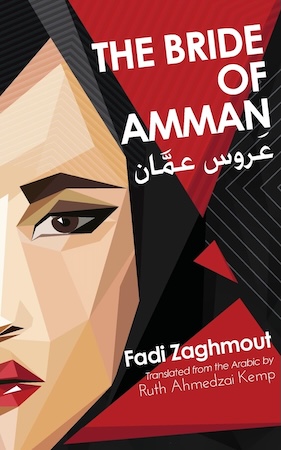
The Bride of Amman
Set in Jordan’s capital, The Bride of Amman follows five young people—four women and one gay man—as they navigate love, sexuality, marriage, and the restrictive social expectations surrounding them. Rana falls in love with a man of a different religion and faces the consequences of their relationship. Hayat struggles with the emotional scars of an abusive childhood, while Ali is pressured into a heterosexual marriage to conceal his sexuality. Meanwhile, Leila confronts the stigma attached to divorce and remaining unmarried, and her sister Salma challenges society’s expectations through her anonymous online writing.
Through these interwoven stories, Fadi Zaghmout portrays a society caught between modern aspirations and deeply rooted traditions. The novel examines how gender roles, religious boundaries, and social conventions shape intimate lives, often forcing individuals to choose between personal happiness and public acceptance. Blending humor with painful realism, it challenges the silence surrounding sexuality and women’s autonomy in the Arab world. Ultimately, the novel asks what freedom means when the price of living honestly can be social rejection.
Jordan
2015
6
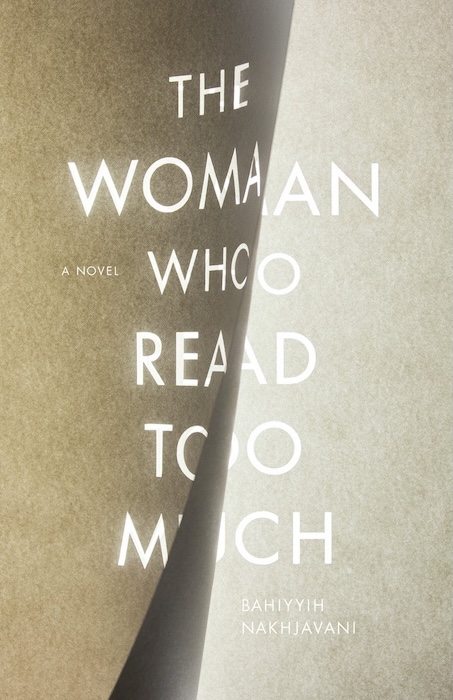
The Woman Who Read Too Much
Set in nineteenth-century Persia, The Woman Who Read Too Much reimagines the life of Táhirih Qurratu’l-Ayn, a celebrated poet, scholar and religious revolutionary who challenged the conventions of her time. Known as the poetess of Qazvin, Táhirih unsettles the ruling establishment through her intellect, her writings and her defiance of religious orthodoxy. In a society where women’s education and independence are tightly restricted, her ability to read, think and speak openly becomes both a source of inspiration and a perceived threat to those in power. Nakhjavani tells Táhirih’s story through the perspectives of four women: the Shah’s mother, the mayor’s wife, the Shah’s sister and Táhirih’s daughter. Their contrasting accounts reveal how power, fear, loyalty and rumour shape the telling of history. Blending historical events with imaginative storytelling, the novel explores the price of intellectual freedom and the courage required to challenge entrenched authority.
Iran
2015
7
The Pearl That Broke It's Shell
Set in Afghanistan, The Pearl That Broke Its Shell follows two women separated by a century but connected by their struggles against restrictive social expectations. In contemporary Kabul, Rahima grows up in a family without sons. Her parents allow her to become a bacha posh—a girl temporarily dressed and treated as a boy—giving her freedoms that would otherwise be denied to her. A century earlier, her ancestor Shekiba faces similar restrictions and hardship, eventually finding an opportunity to survive by living as a man. As their stories unfold in parallel, both women navigate a society shaped by patriarchal traditions, political instability, and gender inequality. Hashimi explores the resilience of women who challenge the boundaries imposed upon them, revealing how the desire for education, independence, and dignity can become an act of resistance.
Afghanistan
2014
8
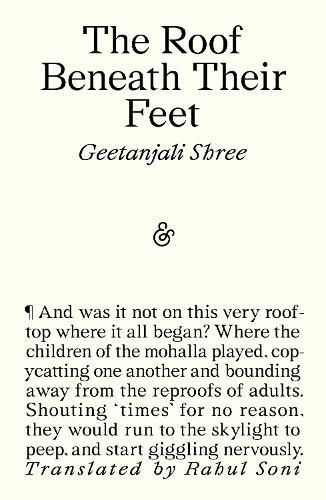
The Roof Beneath Their Feet
In a close-knit residential complex in India, the rooftops of Laburnum House offer a rare refuge from the expectations and restrictions of everyday life. Chachcho, trapped in a lonely marriage, finds companionship in Lalna, a woman abandoned by her husband whom she takes into her home. Their intense and unconventional bond soon becomes the subject of neighbourhood gossip, as their closeness challenges accepted ideas about marriage, female desire and respectability. Years later, following Chachcho’s death, Lalna returns, prompting Chachcho’s nephew, Bitva, to revisit family memories and question the story of his own origins. Moving between perspectives and shifting recollections, Geetanjali Shree creates an intricate portrait of women’s lives, hidden desires and the stories families tell to protect themselves. The rooftop becomes a powerful symbol of freedom—a space where women can escape the watchful eyes of society and imagine lives beyond its boundaries.
India
2013
9
Kissing the Sword: A Prison Memoir
In Kissing the Sword, Iranian writer Shahrnush Parsipur recounts her experiences as a political prisoner in post-revolutionary Iran. Following the 1979 Iranian Revolution, the new authorities began detaining people associated with opposing political views. Parsipur herself was imprisoned without formal charges, experiencing the fear, uncertainty, and psychological strain of incarceration.
Through vivid personal recollections, she describes life inside Iranian prisons, including encounters with fellow prisoners, interrogations, ideological disputes, and the harsh treatment of detainees. Her memoir also explores the restrictions imposed on women, particularly debates surrounding religious authority, dress, and individual autonomy.
Combining painful memories with moments of dark humour and reflection, Parsipur examines the relationship between political power and personal freedom. The book is both a record of her own experiences and a broader meditation on censorship, resistance, and the resilience required to preserve one’s voice under repression.
Iran
2013
10
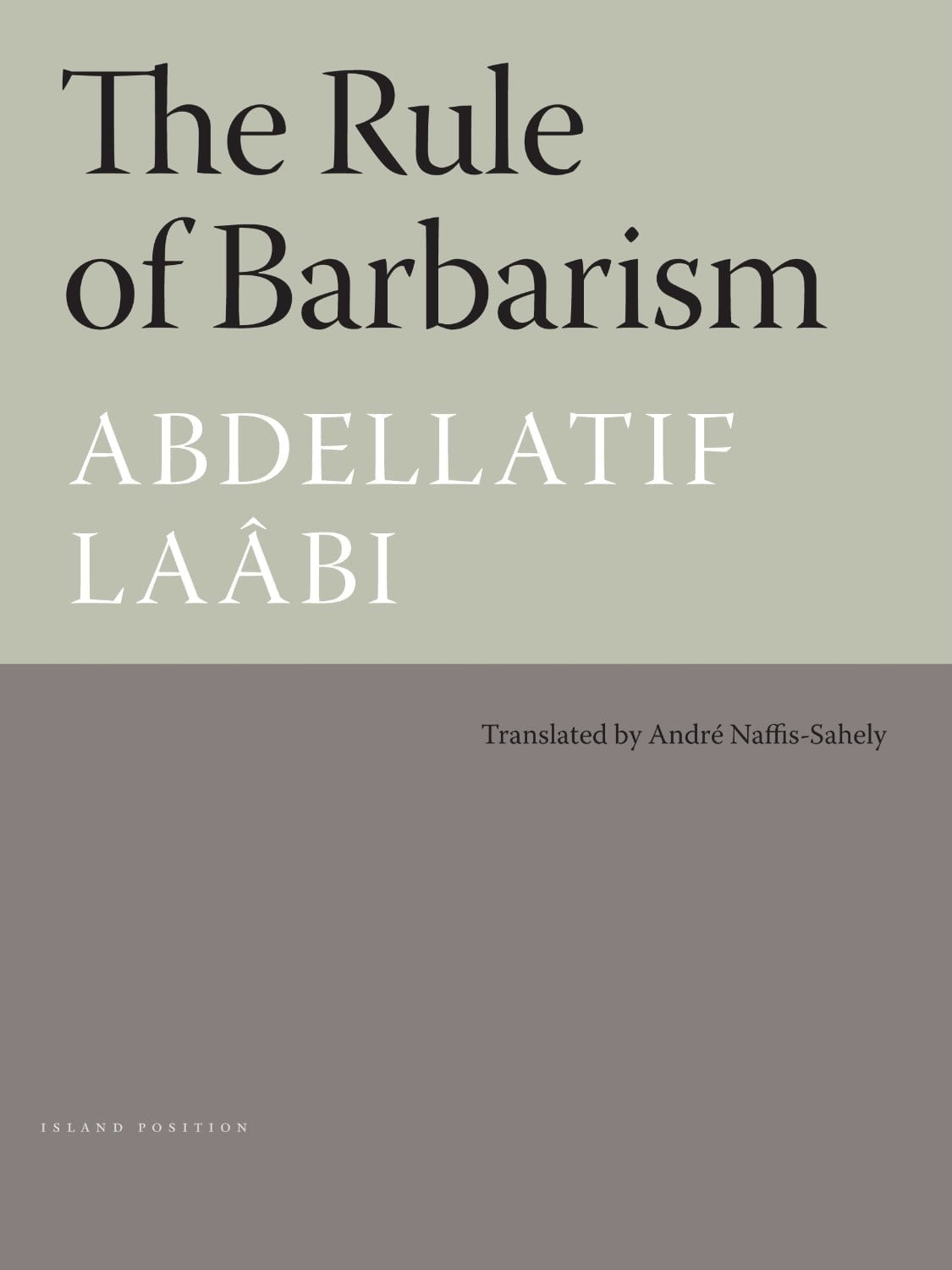
The Rule of Barbarism
Written during his imprisonment for political dissent in Morocco, The Rule of Barbarism is a searing poetic confrontation with oppression, cruelty, and the violence embedded in human society. First published in 1976, this landmark work captures the consciousness of a society trapped between its colonial past and the brutal realities of dictatorship. Through urgent, often unsettling poetry, Abdellatif Laâbi explores the psychological and moral consequences of living under authoritarian power, where fear threatens to destroy both individual freedom and collective hope. Yet his vision extends beyond political condemnation. Laâbi also examines the capacity for barbarism within every human being, questioning how victims of cruelty might resist becoming perpetrators themselves. Anger, despair, tenderness, and compassion coexist throughout the collection, creating a powerful meditation on the struggle to preserve humanity in inhuman conditions. Written from the experience of imprisonment, The Rule of Barbarism transforms personal suffering into a universal appeal for justice, empathy, and liberation.
Morocco
2012
11
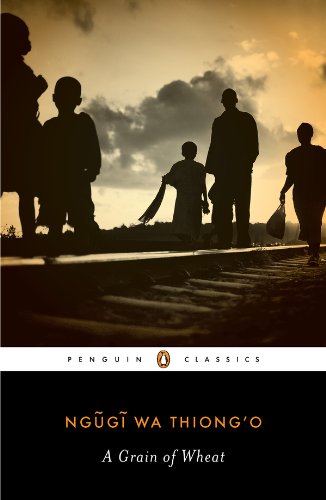
A Grain of Wheat
Set in Kenya in the days leading up to independence from British colonial rule, A Grain of Wheat explores the sacrifices, betrayals, and moral compromises behind a nation’s struggle for freedom. The novel centres on Mugo, a quiet villager whom his community regards as a hero because of his suffering during the colonial government’s emergency rule. As the village prepares to celebrate independence, however, hidden truths about the resistance movement begin to emerge. Through interconnected stories of former freedom fighters, their families, and their neighbours, Ngũgĩ examines the lasting consequences of colonial violence and the complicated legacy of resistance. The novel asks what it means to be a hero, how communities remember their past, and whether political independence can bring genuine reconciliation when individuals remain haunted by guilt and betrayal.
Kenya
2012
12
The South
Set in the 1950s, The South follows Katherine Proctor, an Irish Protestant woman who leaves her husband, young son, and home in Ireland to begin a new life in Barcelona. Determined to become a painter, she immerses herself in the city’s artistic community, where she meets Miguel, an anarchist and veteran of the Spanish Civil War. Their relationship leads her to a remote village in the Pyrenees, where she attempts to reconcile her artistic ambitions with her desire for love and independence. However, the past continues to shape her choices, forcing her to confront the complexities of her marriage, family ties, and cultural identity. Through Katherine’s journey, Colm Tóibín explores exile, self-discovery, and the difficult pursuit of personal freedom against the weight of social expectations and historical conflict.
Ireland
2012
About this theme
- Books
- 107
- Countries
- 45
Countries with this theme
Afghanistan
Asia
Albania
Europe
Algeria
Africa
Argentina
South America
Australia
Oceania
Belgium
Europe
Brazil
South America
Burkina Faso
Africa
Central African Republic
Africa
Czech Republic
Europe
Dominican Republic
North America
Egypt
Africa
France
Europe
Greece
Europe
Hungary
Europe
Iceland
Europe
India
Asia
Iran
Asia
Ireland
Europe
Italy
Europe
Japan
Asia
Jordan
Asia
Kenya
Africa
Kuwait
Asia
Malta
Europe
Morocco
Africa
Oman
Asia
Pakistan
Asia
Palestine
Asia
Philippines
Asia
Puerto Rico
South America
Romania
Europe
Russia
Europe
Rwanda
Africa
South Africa
Africa
South Korea
Asia
Spain
Europe
Türkiye
Asia
Turkmenistan
Asia
United Kingdom
Europe
United States
North America
Uruguay
South America
Uzbekistan
Asia
Yemen
Asia
Zambia
Africa