Freedom & Resistance
Voices of resistance, liberation, and the fight for justice.
All countries
Afghanistan
Albania
Algeria
Argentina
Australia
Belgium
Brazil
Burkina Faso
Central African Republic
Czech Republic
Dominican Republic
Egypt
France
Greece
Hungary
Iceland
India
Iran
Ireland
Italy
Japan
Jordan
Kenya
Kuwait
Malta
Morocco
Oman
Pakistan
Palestine
Philippines
Puerto Rico
Romania
Russia
Rwanda
South Africa
South Korea
Spain
Türkiye
Turkmenistan
United Kingdom
United States
Uruguay
Uzbekistan
Yemen
Zambia
1

Medusa's Laugh
What if women could reclaim their freedom simply by telling their own stories? First published in 1975, Hélène Cixous’s Medusa’s Laugh is a landmark of feminist thought that challenges the patriarchal traditions shaping literature, language, and society. Drawing on the myth of Medusa, a woman transformed into a monster by the stories told about her, Cixous invites women to reject the identities imposed on them and rediscover their own voices. She introduces the concept of écriture féminine—a form of writing that breaks away from conventional, male-dominated structures and embraces the complexity of women’s bodies, desires, and experiences. Passionate, poetic, and deliberately provocative, this essay is both a literary manifesto and a call to action: women must write themselves into history rather than allow others to define them. Its central message remains powerful: self-expression can be an act of liberation.
France
2026
2
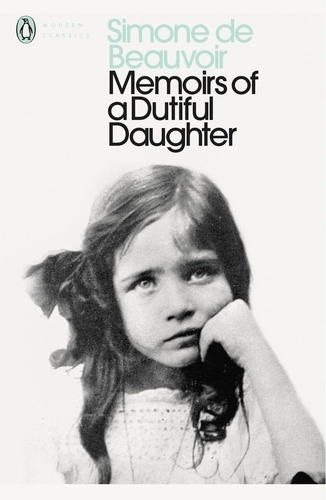
Memoirs of a Dutiful Daughter
Growing up in a respectable Parisian family, Simone de Beauvoir is taught to be a devout Catholic, an obedient daughter, and a woman destined for marriage. But as she discovers philosophy, literature, and the pleasure of independent thought, the beliefs that once defined her world begin to crumble. Questioning religion, challenging social conventions, and resisting her family’s expectations, she gradually realises that intellectual freedom comes at a price. Her journey towards independence is also a story of loneliness, friendship, and the painful discovery that the people we love can become obstacles to our becoming ourselves. Intimate and thought-provoking, this memoir captures the moment a young woman begins to break free from the life society has chosen for her.
France
1958
3
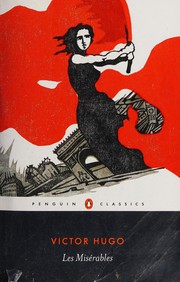
Les Misérables
Set in nineteenth-century France during a period of profound social inequality and political unrest, Les Misérables follows Jean Valjean, a former convict who struggles to rebuild his life after spending nineteen years in prison for stealing bread and attempting to escape. Despite his determination to become an honest man, he is relentlessly pursued by Inspector Javert, who believes that a criminal can never truly change. Valjean’s journey becomes intertwined with the lives of Fantine, a desperately poor woman; Cosette, her neglected daughter whom he raises as his own; and Marius, a young revolutionary caught up in the Paris uprising of 1832. Through their intersecting stories, Hugo explores poverty, injustice, sacrifice, love, and the possibility of redemption. Blending intimate human struggles with sweeping historical events, the novel offers a powerful critique of a society that punishes the vulnerable while questioning whether compassion and moral courage can overcome even the deepest forms of suffering.
France
1862
About this theme
- Books
- 3
- Countries
- 45
Countries with this theme
Afghanistan
Asia
Albania
Europe
Algeria
Africa
Argentina
South America
Australia
Oceania
Belgium
Europe
Brazil
South America
Burkina Faso
Africa
Central African Republic
Africa
Czech Republic
Europe
Dominican Republic
North America
Egypt
Africa
France
Europe
Greece
Europe
Hungary
Europe
Iceland
Europe
India
Asia
Iran
Asia
Ireland
Europe
Italy
Europe
Japan
Asia
Jordan
Asia
Kenya
Africa
Kuwait
Asia
Malta
Europe
Morocco
Africa
Oman
Asia
Pakistan
Asia
Palestine
Asia
Philippines
Asia
Puerto Rico
South America
Romania
Europe
Russia
Europe
Rwanda
Africa
South Africa
Africa
South Korea
Asia
Spain
Europe
Türkiye
Asia
Turkmenistan
Asia
United Kingdom
Europe
United States
North America
Uruguay
South America
Uzbekistan
Asia
Yemen
Asia
Zambia
Africa