Freedom & Resistance
Voices of resistance, liberation, and the fight for justice.
All countries
Afghanistan
Albania
Algeria
Argentina
Australia
Belgium
Brazil
Burkina Faso
Central African Republic
Czech Republic
Dominican Republic
Egypt
France
Greece
Hungary
Iceland
India
Iran
Ireland
Italy
Japan
Jordan
Kenya
Kuwait
Malta
Morocco
Oman
Pakistan
Palestine
Philippines
Puerto Rico
Romania
Russia
Rwanda
South Africa
South Korea
Spain
Türkiye
Turkmenistan
United Kingdom
United States
Uruguay
Uzbekistan
Yemen
Zambia
1
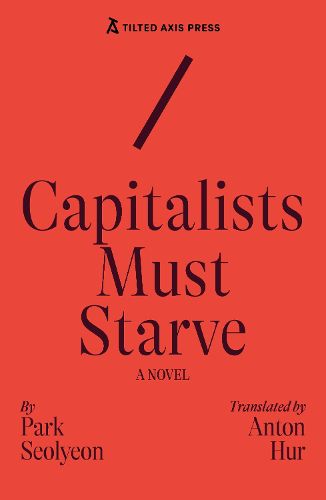
Capitalists Must Starve
Set in Korea under Japanese colonial rule, Capitalists Must Starve reimagines the life of Kang Juryong, a real-life labour activist who challenged the exploitation of workers in the early twentieth century. Born into poverty, Juryong dreams of becoming a modern, educated woman, but financial hardship and restrictive social expectations repeatedly obstruct her ambitions. After her husband’s death, she refuses to accept her family’s plans for her future and leaves for Pyongyang, where she finds work at a rubber factory. There, she becomes involved in the labour movement, confronting factory owners over their treatment of workers and joining the struggle for collective rights. Her determination culminates in a daring act of protest that makes her a symbol of resistance. Blending historical events with feminist storytelling, Park explores the intersections of gender, class and colonial oppression. With a sharp-tongued heroine, dark humour and emotional depth, the novel celebrates the courage of working-class women who refuse to remain silent in a society designed to suppress them.
South Korea
2025
2
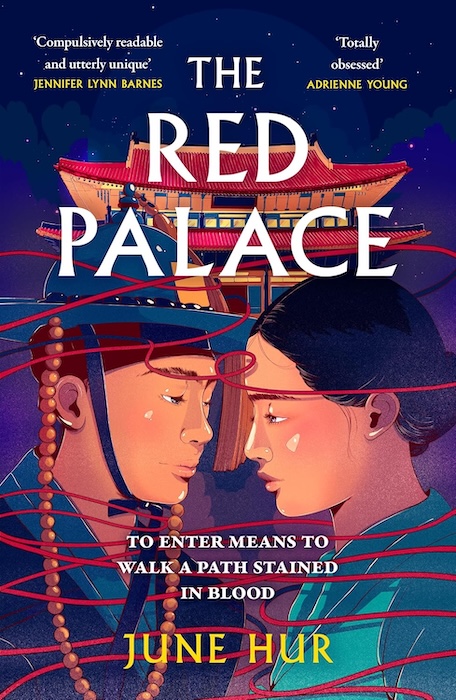
Red Palace
Set in the Korean kingdom of Joseon in 1758, The Red Palace follows Hyeon, an eighteen-year-old woman who has worked hard to become a palace nurse despite the social disadvantages of her birth. Hoping to earn her estranged father’s approval, she is determined to remain unnoticed and perform her duties well. Her plans collapse when four women are murdered in a single night and her beloved mentor becomes the prime suspect. Refusing to accept the accusation, Hyeon begins investigating the killings herself. She joins forces with Eojin, a young police inspector, and their search leads them into the dangerous world of royal politics, where powerful figures may be hiding the truth. As evidence begins to implicate the Crown Prince, Hyeon must decide how much she is willing to risk for justice. Hur combines historical mystery with an exploration of gender inequality, political power, and a young woman’s determination to make her own choices in a restrictive society.
South Korea
2024
3
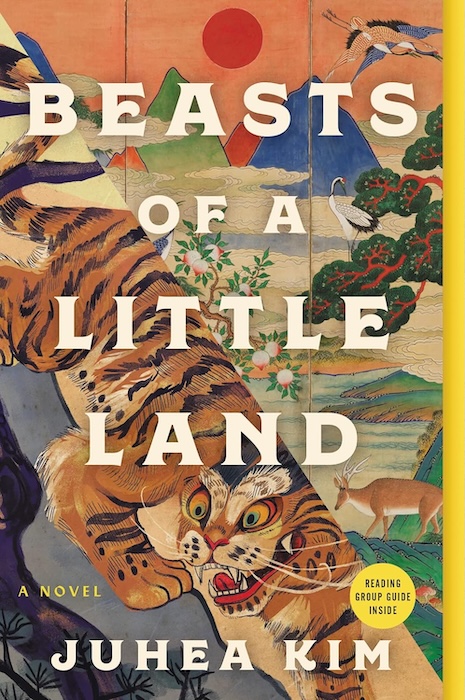
Beasts of a Little Land
In 1917, Korea is under Japanese colonial rule, and the lives of its people are shaped by poverty, violence, and the struggle for independence. When ten-year-old Jade is sold by her desperate family to a courtesan school in Pyongyang, she enters a world where survival depends on learning to navigate rigid social hierarchies. After fleeing to Seoul, she meets JungHo, an orphan boy struggling to survive on the streets. Their bond becomes a defining force in both their lives, even as their paths diverge and JungHo becomes involved in the resistance movement.
Spanning five decades, from the final years of the Korean Empire through colonial occupation and the upheavals of the twentieth century, this sweeping historical novel follows a cast of interconnected characters whose destinies are shaped by love, ambition, betrayal, and political turmoil. Moving between courtesan houses, bustling cities, and battle-scarred forests, the story explores what it means to fight for personal dignity and national freedom when the world seems determined to take both away.
South Korea
2021
4
The Vegetarian
The Vegetarian tells the story of Yeong-hye, an ordinary South Korean woman whose decision to stop eating meat after experiencing disturbing dreams sets off a chain of increasingly unsettling events. Her husband initially sees her refusal as an inconvenience, while her family responds with anger and attempts to force her back into conformity. As Yeong-hye withdraws from conventional expectations, her behaviour becomes increasingly radical, challenging the roles imposed on her as a wife, daughter, and woman. Told through the perspectives of her husband, brother-in-law, and sister, the novel gradually reveals the psychological and emotional pressures beneath her transformation. Han Kang explores bodily autonomy, violence, desire, and the struggle to resist a society that demands obedience. The novel raises unsettling questions about whether rejecting social conventions can become an act of liberation, even when that resistance carries devastating consequences.
South Korea
2007
About this theme
- Books
- 4
- Countries
- 45
Countries with this theme
Afghanistan
Asia
Albania
Europe
Algeria
Africa
Argentina
South America
Australia
Oceania
Belgium
Europe
Brazil
South America
Burkina Faso
Africa
Central African Republic
Africa
Czech Republic
Europe
Dominican Republic
North America
Egypt
Africa
France
Europe
Greece
Europe
Hungary
Europe
Iceland
Europe
India
Asia
Iran
Asia
Ireland
Europe
Italy
Europe
Japan
Asia
Jordan
Asia
Kenya
Africa
Kuwait
Asia
Malta
Europe
Morocco
Africa
Oman
Asia
Pakistan
Asia
Palestine
Asia
Philippines
Asia
Puerto Rico
South America
Romania
Europe
Russia
Europe
Rwanda
Africa
South Africa
Africa
South Korea
Asia
Spain
Europe
Türkiye
Asia
Turkmenistan
Asia
United Kingdom
Europe
United States
North America
Uruguay
South America
Uzbekistan
Asia
Yemen
Asia
Zambia
Africa