Freedom & Resistance
Voices of resistance, liberation, and the fight for justice.
All countries
Afghanistan
Albania
Algeria
Argentina
Australia
Belgium
Brazil
Burkina Faso
Central African Republic
Czech Republic
Dominican Republic
Egypt
France
Greece
Hungary
Iceland
India
Iran
Ireland
Italy
Japan
Jordan
Kenya
Kuwait
Malta
Morocco
Oman
Pakistan
Palestine
Philippines
Puerto Rico
Romania
Russia
Rwanda
South Africa
South Korea
Spain
Türkiye
Turkmenistan
United Kingdom
United States
Uruguay
Uzbekistan
Yemen
Zambia
1
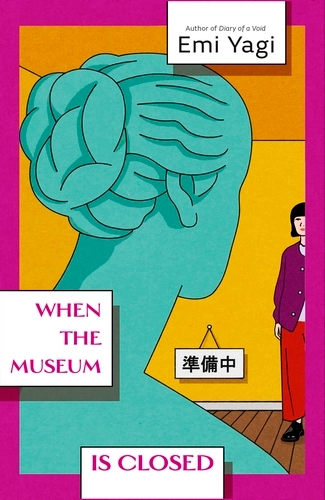
When the Museum is Closed
Rika Horauchi has spent much of her life hiding from the world behind an invisible yellow raincoat, an imaginary barrier that protects her from unwanted attention and human interaction. Working in a frozen-food warehouse and spending her evenings watching livestreams, she leads a quiet, isolated existence. Everything changes when she accepts an unusual part-time job at a museum: conversing in Latin with a statue of Venus on Mondays, when the museum is closed. Initially intimidated by the goddess’s beauty, Rika gradually discovers a surprising connection with her. As their conversations deepen, Venus becomes a companion who challenges Rika’s assumptions about beauty, desire, and the way women are perceived by others. Their relationship develops into an unconventional love story that opens up new possibilities for Rika, encouraging her to reconsider her isolation and imagine a different kind of freedom. Blending surrealism, dark humour, and feminist commentary, Emi Yagi’s novel explores loneliness, queer desire, and the transformative power of being understood. Beneath its whimsical premise lies a thoughtful examination of how society shapes women’s identities and how intimacy can help us break free from expectations.
Japan
2023
2
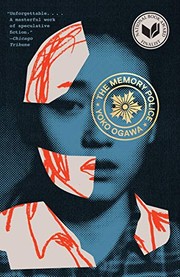
The Memory Police
The Memory Police takes place on an unnamed island where objects, memories, and aspects of everyday life mysteriously disappear. When something vanishes, the inhabitants gradually lose the ability to remember it, and the Memory Police ensure that no one preserves what has been erased. Flowers, birds, photographs, and other familiar things disappear from existence, leaving the island’s residents increasingly disconnected from their past.
The novel follows an unnamed young novelist whose editor, R, retains memories of the things that have vanished. When she learns that the Memory Police may discover his secret, she risks her own safety to hide him in a concealed room beneath her house. As disappearances continue, the world around them becomes smaller, and the struggle to preserve memory turns into an act of resistance.
Through its quiet, unsettling atmosphere, Ogawa explores censorship, surveillance, identity, and the fragility of human memory. The novel asks what remains of a person when the experiences, objects, and words that shape their understanding of the world are systematically taken away.
Japan
1994
About this theme
- Books
- 2
- Countries
- 45
Countries with this theme
Afghanistan
Asia
Albania
Europe
Algeria
Africa
Argentina
South America
Australia
Oceania
Belgium
Europe
Brazil
South America
Burkina Faso
Africa
Central African Republic
Africa
Czech Republic
Europe
Dominican Republic
North America
Egypt
Africa
France
Europe
Greece
Europe
Hungary
Europe
Iceland
Europe
India
Asia
Iran
Asia
Ireland
Europe
Italy
Europe
Japan
Asia
Jordan
Asia
Kenya
Africa
Kuwait
Asia
Malta
Europe
Morocco
Africa
Oman
Asia
Pakistan
Asia
Palestine
Asia
Philippines
Asia
Puerto Rico
South America
Romania
Europe
Russia
Europe
Rwanda
Africa
South Africa
Africa
South Korea
Asia
Spain
Europe
Türkiye
Asia
Turkmenistan
Asia
United Kingdom
Europe
United States
North America
Uruguay
South America
Uzbekistan
Asia
Yemen
Asia
Zambia
Africa