The Woman Who Read Too Much
Iran

The Woman Who Read Too Much

by Bahiyyih Nakhjavani

Summary

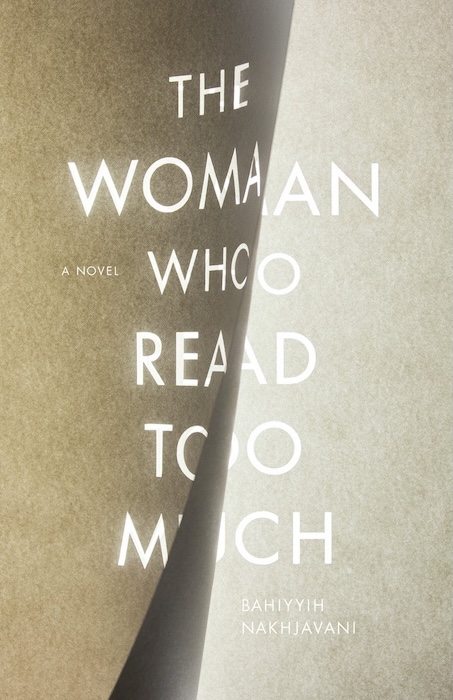
Set in nineteenth-century Persia, The Woman Who Read Too Much reimagines the life of Táhirih Qurratu’l-Ayn, a celebrated poet, scholar and religious revolutionary who challenged the conventions of her time. Known as the poetess of Qazvin, Táhirih unsettles the ruling establishment through her intellect, her writings and her defiance of religious orthodoxy. In a society where women’s education and independence are tightly restricted, her ability to read, think and speak openly becomes both a source of inspiration and a perceived threat to those in power. Nakhjavani tells Táhirih’s story through the perspectives of four women: the Shah’s mother, the mayor’s wife, the Shah’s sister and Táhirih’s daughter. Their contrasting accounts reveal how power, fear, loyalty and rumour shape the telling of history. Blending historical events with imaginative storytelling, the novel explores the price of intellectual freedom and the courage required to challenge entrenched authority.

Reviews

Login to leave a review.

No reviews yet. Be the first!

You might also like
Iran
Asia
Bahiyyih Nakhjavani
Bahiyyih Nakhjavani

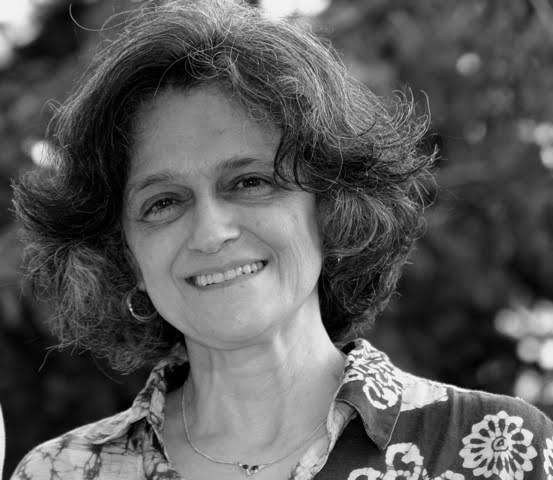
Bahiyyih Nakhjavani is an Iranian writer known for her literary explorations of history, cultural identity, religion and the human consequences of belief. She grew up in Uganda, received her education in the United Kingdom and the United States, and has lived and worked in France. Nakhjavani writes fiction and nonfiction that often examine the boundaries between cultures and the ways individuals navigate systems of power, tradition and faith. Her acclaimed works include The Saddlebag (2000), a novel exploring the interconnected lives of travellers on a journey across the Middle East, Paper (2004), and The Woman Who Read Too Much (2015), which reimagines the life of nineteenth-century Persian poet and revolutionary Táhirih. Her novels have been translated into numerous languages and have earned international recognition for their intricate narratives, philosophical depth and engagement with questions of justice, freedom and human dignity. She is particularly interested in the transformative power of storytelling and the written word.

View author page
Published
2015
Author
Bahiyyih Nakhjavani