Literary Fiction
All countries
Afghanistan
Algeria
Antigua and Barbuda
Argentina
Australia
Austria
Azerbaijan
Bangladesh
Barbados
Belgium
Benin
Bosnia and Herzegovina
Brazil
Bulgaria
Burkina Faso
Burundi
Cabo Verde
Canada
Central African Republic
Chile
China
Colombia
Congo, Democratic Republic
Costa Rica
Côte d’Ivoire (Ivory Coast)
Croatia
Cyprus
Czech Republic
Denmark
Dominica
Dominican Republic
Egypt
El Salvador
Estonia
Ethiopia
France
Germany
Ghana
Greece
Hungary
Iceland
India
Iran
Iraq
Ireland
Italy
Jamaica
Japan
Jordan
Kazakhstan
Kenya
Kuwait
Latvia
Lebanon
Libya
Lithuania
Madagascar
Mexico
Moldova
Morocco
Myanmar
Netherlands
New Zealand
Nigeria
North Korea
North Macedonia
Norway
Oman
Pakistan
Palestine
Philippines
Poland
Portugal
Puerto Rico
Russia
Rwanda
Saint Kitts and Nevis
Saudi Arabia
Senegal
Singapore
South Korea
Spain
Sri Lanka
Sudan
Sweden
Switzerland
Syria
Taiwan
Tanzania
Thailand
Türkiye
Uganda
United Arab Emirates
United Kingdom
United States
Uzbekistan
Vietnam
Zambia
1

The Goldfinch
After a devastating accident kills his mother, thirteen-year-old Theo Decker finds himself clinging to a small, captivating painting that connects him to her. As he grows older, the artwork draws him into a world of wealth, deception, and the criminal art trade. Winner of the 2014 Pulitzer Prize for Fiction, this sweeping novel explores grief, obsession, and the mysterious ways beauty can shape a life.
United States
2013
2
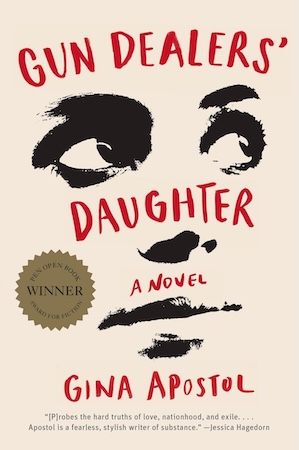
Gun Dealers’ Daughter
A privileged young woman. A revolutionary lover. A past she cannot fully remember.
Growing up in a wealthy family in the Philippines under Ferdinand Marcos’s authoritarian rule, Soledad “Sol” Soliman has lived a sheltered life, far removed from her country’s poverty and political turmoil. But when she enters university in Manila, she falls in with radical student activists and becomes involved in a revolutionary movement. Torn between romantic desire and political conviction, Sol is drawn into a conspiracy with devastating consequences. Years later, living far from home, she attempts to reconstruct her fractured memories and confront the act that continues to haunt her. Blending psychological suspense with political history, Gina Apostol’s award-winning novel explores privilege, rebellion, and the uneasy relationship between personal memory and national history.
Philippines
2013
3
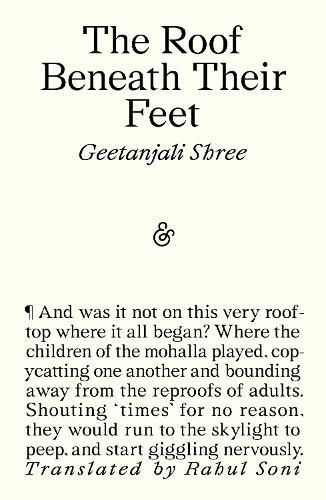
The Roof Beneath Their Feet
In a close-knit residential complex in India, the rooftops of Laburnum House offer a rare refuge from the expectations and restrictions of everyday life. Chachcho, trapped in a lonely marriage, finds companionship in Lalna, a woman abandoned by her husband whom she takes into her home. Their intense and unconventional bond soon becomes the subject of neighbourhood gossip, as their closeness challenges accepted ideas about marriage, female desire and respectability. Years later, following Chachcho’s death, Lalna returns, prompting Chachcho’s nephew, Bitva, to revisit family memories and question the story of his own origins. Moving between perspectives and shifting recollections, Geetanjali Shree creates an intricate portrait of women’s lives, hidden desires and the stories families tell to protect themselves. The rooftop becomes a powerful symbol of freedom—a space where women can escape the watchful eyes of society and imagine lives beyond its boundaries.
India
2013
4
The Lowland
The Lowland tells the story of two brothers, Subhash and Udayan, who grow up together in Calcutta but choose dramatically different paths as adults. During the 1960s, Udayan becomes involved in the Naxalite movement, a radical communist uprising that challenges India’s political and social order. Subhash, by contrast, leaves for the United States to pursue an academic career. When political violence destroys Udayan’s future, Subhash returns to India and makes a decision that binds him to his brother’s family for decades. The consequences of this choice unfold across generations, affecting relationships, marriages, and the identity of Udayan’s daughter, Bela. Lahiri explores guilt, loyalty, political conviction, and the lasting consequences of family secrets, showing how a single act can shape the lives of people who were never responsible for it.
India
2013
5
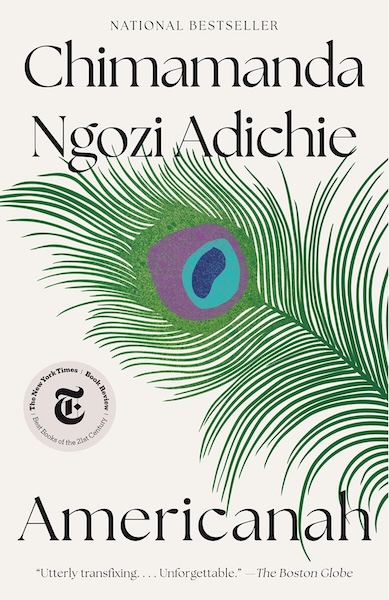
Americanah
Americanah follows Ifemelu and Obinze, two young Nigerians whose love story unfolds across continents as they navigate migration, race, and the search for belonging. As a university student, Ifemelu moves to the United States, where she confronts the realities of being Black in a society that forces her to reconsider her identity. Through her experiences with relationships, work, and cultural differences, she develops a popular blog examining race and everyday life in America. Meanwhile, Obinze hopes to build a future in Britain but encounters a very different set of obstacles as an undocumented immigrant.
Years later, Ifemelu returns to Nigeria, bringing with her a transformed understanding of home and the person she has become. As the two reconnect, they must confront the ways their experiences have changed them and consider whether their relationship can survive the passage of time. Blending romance with sharp social commentary, Chimamanda Ngozi Adichie explores race, immigration, class, cultural identity, and the complex meaning of home in an interconnected world.
Nigeria
2013
6
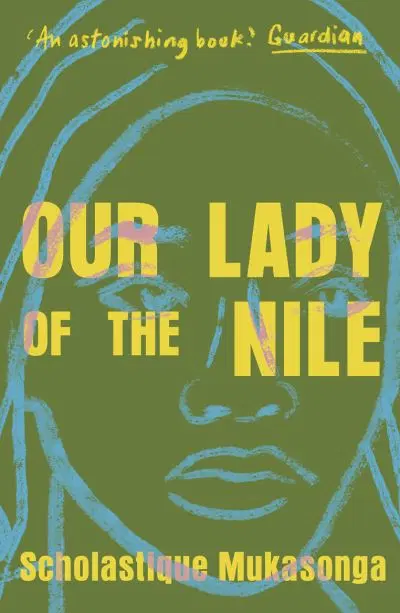
Our Lady of the Nile
High in the mountains of Rwanda, an elite Catholic boarding school for girls stands isolated above the Nile, promising its students education, respectability, and protection from the outside world. But beneath its orderly routines, the school reflects the growing ethnic tensions and prejudices shaping Rwandan society in the years before the 1994 genocide.
Admission quotas restrict the number of Tutsi students, leaving girls such as Veronica and Virginia vulnerable to discrimination and hostility from their Hutu classmates. As Gloriosa, the daughter of a powerful politician, spreads increasingly dangerous nationalist ideas, friendships fracture and everyday rivalries become entangled with political violence. The school, overseen by Belgian nuns, becomes a microcosm of a society moving toward catastrophe. Through the experiences of its teenage students, Scholastique Mukasonga explores how prejudice is taught, how colonial legacies shape identity, and how violence can take root in ordinary life long before it erupts into tragedy.
Rwanda
2012
7
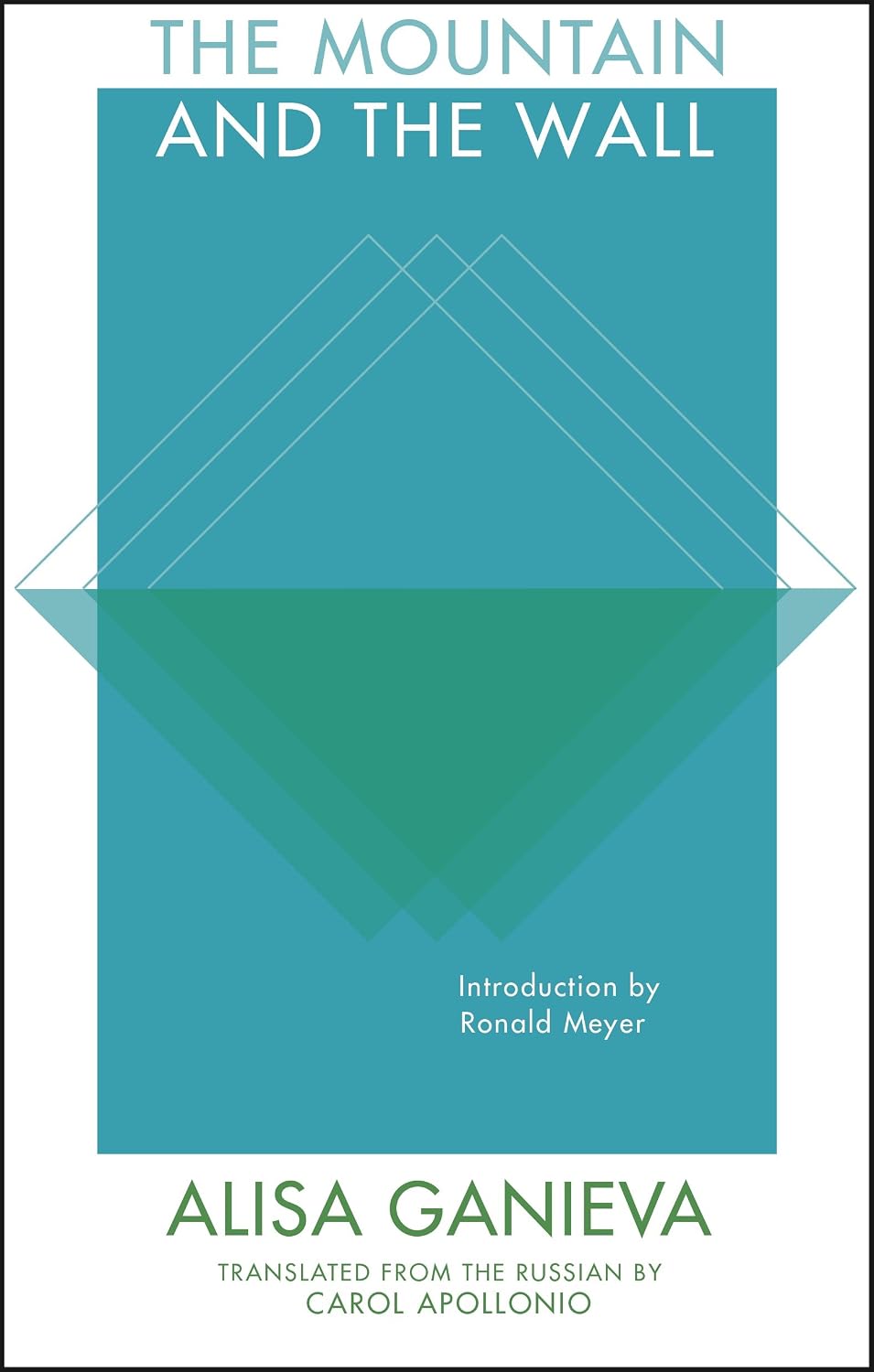
The Mountain and the Wall
In The Mountain and the Wall, Shamil, a young journalist in Dagestan’s capital, Makhachkala, hears rumours that the Russian government intends to build a wall separating the Muslim regions of the North Caucasus from the rest of the country. As anxiety and unrest spread, Shamil finds himself confronting the political and religious divisions shaping his community. What begins as distant speculation gradually becomes an urgent personal and social crisis, forcing him to reconsider his own passivity. Ganieva portrays a region caught between competing ideologies, traditional beliefs, and the pressures of modern political life. Through Shamil’s experiences, the novel explores how intolerance and extremism can fracture communities and how ordinary people respond when the society around them begins to unravel.
Russia
2012
8

Salvage the Bones
Set in rural Mississippi in the days leading up to Hurricane Katrina, Salvage the Bones follows fifteen-year-old Esch Batiste and her three brothers as they navigate poverty, family tensions, and the looming threat of a devastating storm. Living with their father in a neglected community, the siblings struggle to prepare for the hurricane while confronting their own emotional and personal challenges. Esch, who is pregnant and quietly in love with her brother’s friend, finds parallels between her experiences and the mythological story of Medea. As the storm approaches, the family must rely on one another to survive. Through vivid storytelling and lyrical prose, Jesmyn Ward explores the bonds of family, the resilience of marginalized communities, and the enduring power of love amid hardship. The novel portrays the devastating intersection of poverty, race, and environmental disaster while celebrating the strength of those who endure.
United States
2012
9

The Passion According to G.H.
In The Passion According to G.H., a wealthy sculptor in Rio de Janeiro experiences a profound existential crisis after entering her former maid’s room and encountering a cockroach. What begins as an ordinary domestic moment transforms into a disturbing confrontation with her identity, humanity, and understanding of existence. Through an intense stream of consciousness, Clarice Lispector explores the boundaries between self and other, human and animal, and the sacred and the material. As G.H.’s familiar sense of self begins to dissolve, she confronts the unsettling possibility that true understanding requires abandoning the illusions that define human identity. The novel is a challenging philosophical exploration of consciousness, transformation, and the search for meaning beyond conventional beliefs.
Brazil
2012
10
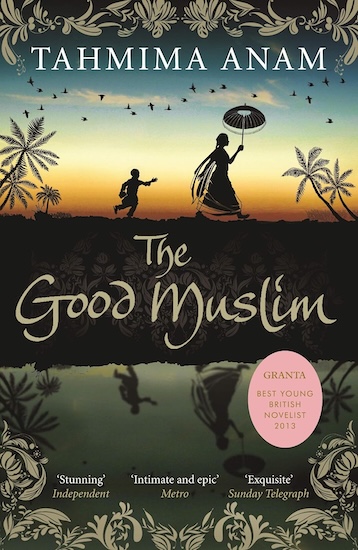
The Good Muslim
Nearly a decade after Bangladesh’s war of independence, Maya Haque returns to Dhaka to reconnect with her family and discovers that the world she left behind has changed profoundly. Her beloved brother, Sohail, once a revolutionary and committed secularist, has embraced religious conservatism and become a charismatic religious leader. As Maya continues to pursue her medical career and fight for women’s rights, the siblings find themselves on opposing sides of an increasingly bitter ideological divide. Their conflict deepens when Sohail makes a decision about his young son, Zaid, that threatens to tear the family apart. Set against the political and social upheavals of post-independence Bangladesh, The Good Muslim explores how war leaves lasting psychological scars, how faith can reshape identity, and how families struggle to reconcile love with deeply held convictions.
Bangladesh
2011
11

My Brilliant Friend
My Brilliant Friend follows Elena Greco and Raffaella Cerullo, known as Lila, two intelligent and ambitious girls growing up in a poor neighborhood of Naples in the 1950s. Despite their contrasting personalities, they develop a complex friendship shaped by admiration, rivalry, jealousy, and affection. As they navigate childhood and adolescence, both confront the limitations imposed by poverty, gender expectations, and a society marked by violence and rigid social hierarchies. While Elena continues her education, Lila’s opportunities are increasingly restricted, creating a tension that follows them as their lives take different directions. Through their evolving relationship, Ferrante explores female friendship, ambition, identity, and the transformative power of education. The novel is the first installment of the Neapolitan series, offering an intimate portrait of growing up and discovering oneself in a changing Italy.
Italy
2011
12
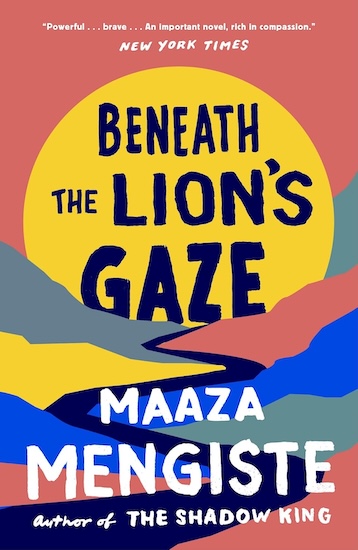
Beneath the Lion's Gaze
Addis Ababa, 1974. As protests sweep Ethiopia and Emperor Haile Selassie’s reign approaches its end, the Hailu family finds itself caught in a revolution that will transform the country—and destroy the fragile security of their lives. Hailu, a respected doctor, faces an impossible moral choice after helping a young woman who has been tortured by the authorities. His decision brings him into the machinery of state repression, while his sons take increasingly different paths: Yonas seeks refuge in faith and family, whereas Dawit joins the underground resistance, risking everything to fight for freedom.
As the monarchy falls and a brutal military regime takes power, the family’s loyalties, convictions, and relationships are tested by violence and fear. Moving between the intimate struggles of a household and the upheaval of a nation, Maaza Mengiste’s debut novel explores the human cost of revolution and the difficult choices people face under authoritarian rule. It is a powerful portrait of a country at a turning point, where the hope of liberation threatens to give way to another cycle of oppression.
Ethiopia
2010