Literary Fiction
All countries
Afghanistan
Algeria
Antigua and Barbuda
Argentina
Australia
Austria
Azerbaijan
Bangladesh
Barbados
Belgium
Benin
Bosnia and Herzegovina
Brazil
Bulgaria
Burkina Faso
Burundi
Cabo Verde
Canada
Central African Republic
Chile
China
Colombia
Congo, Democratic Republic
Costa Rica
Côte d’Ivoire (Ivory Coast)
Croatia
Cyprus
Czech Republic
Denmark
Dominica
Dominican Republic
Egypt
El Salvador
Estonia
Ethiopia
France
Germany
Ghana
Greece
Hungary
Iceland
India
Iran
Iraq
Ireland
Italy
Jamaica
Japan
Jordan
Kazakhstan
Kenya
Kuwait
Latvia
Lebanon
Liberia
Libya
Lithuania
Madagascar
Mali
Mauritania
Mauritius
Mexico
Moldova
Morocco
Mozambique
Myanmar
Namibia
Netherlands
New Zealand
Nigeria
North Korea
North Macedonia
Norway
Oman
Pakistan
Palestine
Philippines
Poland
Portugal
Puerto Rico
Russia
Rwanda
Saint Kitts and Nevis
Saudi Arabia
Senegal
Sierra Leone
Singapore
South Korea
Spain
Sri Lanka
Sudan
Sweden
Switzerland
Syria
Taiwan
Tanzania
Thailand
Tunisia
Türkiye
Uganda
United Arab Emirates
United Kingdom
United States
Uzbekistan
Vietnam
Zambia
1
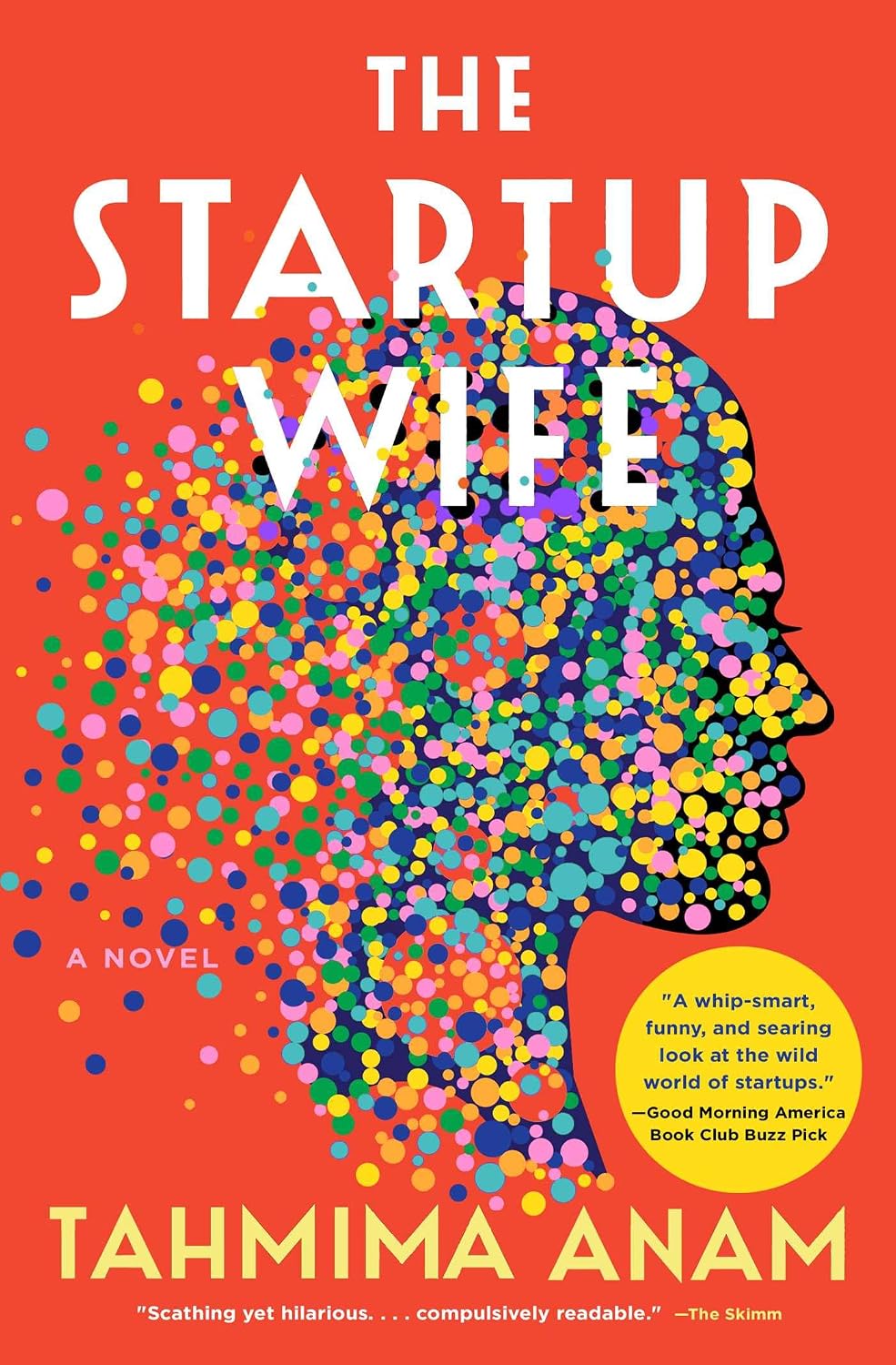
The Startup Wife
The Startup Wife follows Asha Ray, a brilliant computer scientist who leaves her academic career to build a technology startup with her husband, Cyrus Jones, and their friend Jules. Their company develops an app that offers users personalised rituals and a sense of connection in an increasingly secular world. When the platform becomes a sensation, Cyrus’s charisma turns him into the public face of the business, while Asha’s technical contribution and intellectual authority are gradually overshadowed. As the company grows, the imbalance between their professional recognition and personal responsibilities begins to threaten both their marriage and Asha’s sense of self. Anam combines satire and contemporary fiction to examine gender inequality, entrepreneurial ambition, technology, and the cult of charismatic leadership. The novel questions who receives credit for innovation and how power can shift within relationships when professional success becomes inseparable from public image.
Bangladesh
2021
2
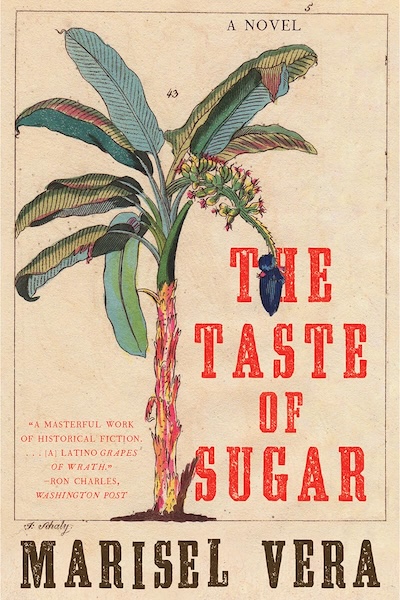
The Taste of Sugar
In late nineteenth-century Puerto Rico, seventeen-year-old Valentina Sánchez dreams of romance and a life beyond the expectations of her family. She marries Vicente Vega, a coffee farmer from the mountainous region of Utuado, hoping their love will bring happiness. But married life proves far more difficult than she imagined. Poverty, family tensions, and the struggle to keep their farm afloat threaten their future, while political upheaval transforms the island around them.
Following the Spanish-American War and the devastating San Ciriaco hurricane of 1899, Puerto Rico comes under American rule, and the Vegas lose their livelihood. Promised prosperity, Vicente and Valentina join thousands of Puerto Ricans who migrate to Hawaii to work on sugar plantations. Instead of the fresh start they hoped for, they encounter harsh working conditions, exploitation, and broken promises. Spanning generations and continents, The Taste of Sugar traces one family’s struggle to survive amid colonial domination and economic injustice. Marisel Vera brings a neglected chapter of Puerto Rican history to life, exploring how love, family, and resilience endure when the promise of a better future comes at an extraordinary cost.
United States
Puerto Rico
2020
3
Still Born
What makes someone a mother—and what happens when motherhood looks nothing like we imagined?
Laura has made a firm decision never to have children, even undergoing sterilisation to protect the life she has chosen. Her friend Alina, meanwhile, finds herself drawn towards motherhood. When Alina’s pregnancy takes an unexpected turn, both women are forced to confront the limits of love, independence, and their ideas about what it means to care for another person.
As their lives become intertwined with the lives of vulnerable children, the two women discover that love can be inseparable from fear, grief, and uncertainty. With remarkable tenderness and honesty, Guadalupe Nettel challenges the idealised image of maternal instinct, exploring the complicated emotions women are rarely encouraged to admit.
Intimate and quietly devastating, Still Born is a moving portrait of friendship, chosen family, and the many forms that caregiving can take. Shortlisted for the 2023 International Booker Prize, it asks whether love means protecting someone from suffering—or learning how to live alongside it.
Mexico
2020
4
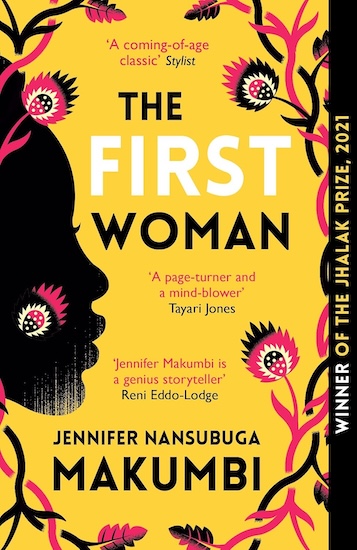
The First Woman
Set in Uganda in the 1970s, during the dictatorship of Idi Amin, The First Woman follows Kirabo, a curious and strong-willed twelve-year-old girl growing up in the rural village of Nattetta. Raised by her grandparents and surrounded by a large extended family, Kirabo enjoys a relatively comfortable childhood, yet she is troubled by one unanswered question: who is her mother, and why did she leave? As she enters adolescence, she also begins to sense a rebellious side of herself that conflicts with the obedient girl her family expects her to be.
Determined to uncover the truth about her origins, Kirabo seeks the help of Nsuuta, an older woman regarded by the village as a witch. Through their conversations, Nsuuta introduces her to Baganda folklore and the legend of the “first woman”—an original, independent female spirit that exists before society imposes its restrictions on women. These stories challenge Kirabo’s understanding of femininity and encourage her to question the traditions that govern her life.
Blending Ugandan mythology, family secrets, and the realities of life under political dictatorship, Makumbi explores motherhood, female sexuality, cultural identity, and the expectations imposed on women across generations. Kirabo’s journey becomes a powerful coming-of-age story about discovering who she is beyond the roles assigned to her. The novel celebrates women’s resilience, ancestral knowledge, and the possibility of redefining traditions to create a more liberated future.
Uganda
2020
5
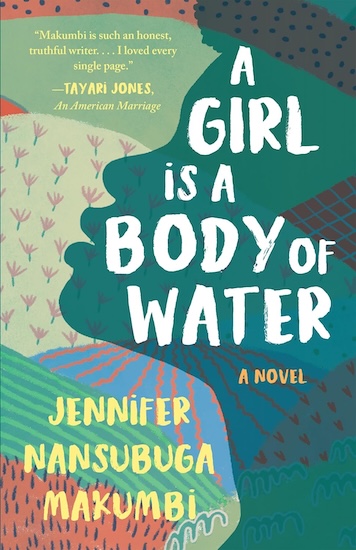
A Girl Is a Body of Water
Set in Uganda during the 1970s, under the rule of Idi Amin, A Girl Is a Body of Water follows Kirabo, a curious and independent twelve-year-old girl growing up in the rural village of Nattetta. Raised by her grandparents and surrounded by a large extended family, she has a comfortable childhood, yet one question haunts her: who is her mother? Although her father occasionally visits from Kampala, nobody in the family is willing to speak openly about the woman who gave birth to her.
Determined to uncover the truth, Kirabo turns to Nsuuta, an older woman whom the village regards as a witch. Through their conversations, Nsuuta introduces her to the stories and spiritual traditions of the Baganda people, helping her understand her own rebellious nature. She teaches Kirabo about the idea of the “first woman”—a powerful, independent female state that existed before society imposed restrictions on women’s freedom. As Kirabo grows older, she must reconcile this sense of inner strength with the expectations placed on girls by family, tradition, and community.
Blending Ugandan folklore, mythology, and the experiences of women across generations, Makumbi explores motherhood, female identity, and the ways patriarchal traditions shape women’s lives. Against the backdrop of a country experiencing political turmoil, Kirabo’s personal journey becomes a broader exploration of how women preserve their voices and independence in a society that often seeks to silence them. The novel celebrates the power of storytelling, ancestral knowledge, and female solidarity in shaping a different future.
Uganda
2020
6
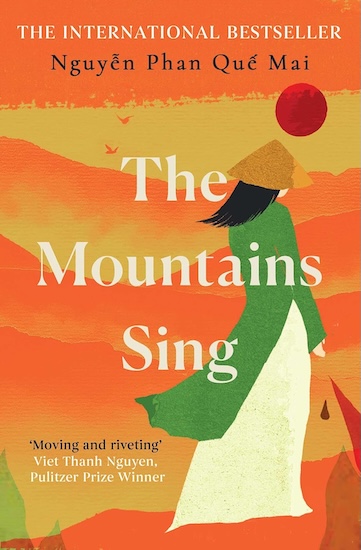
The Mountains Sing
Spanning several decades of Vietnamese history, The Mountains Sing follows the Trần family through famine, political upheaval, land reform, and the Vietnam War. The story centres on grandmother Trần Diệu Lan, who is forced to flee her family farm with her six children during the land reforms of the 1950s. Years later, her young granddaughter Hương grows up in Hanoi as the war tears her family apart and sends her parents and uncles into battle.
Through alternating perspectives, the novel reveals the extraordinary hardships endured by successive generations. While Hương tries to understand the world around her, Diệu Lan shares memories of loss, survival, and the choices she made to protect her children. Their relationship becomes a source of strength in a country where families have been divided by political loyalties, violence, and competing visions of the future.
Drawing on Vietnamese history, folklore, poetry, and cultural traditions, Nguyễn Phan Quế Mai presents a deeply personal perspective on a conflict often portrayed internationally through foreign experiences. The novel explores the lasting consequences of war while celebrating the resilience of ordinary people, the bonds between generations, and the possibility of healing through remembrance and compassion.
Vietnam
2020
7
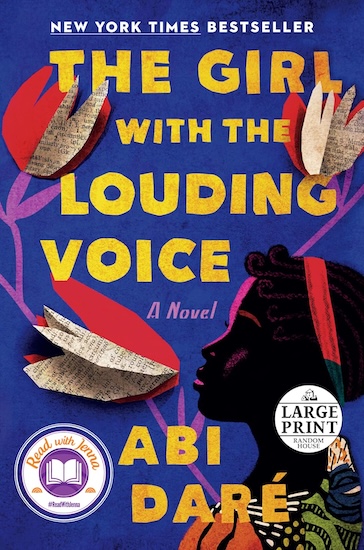
The Girl with the Louding Voice
Fourteen-year-old Adunni dreams of receiving an education, becoming a teacher, and giving her family a better life. Growing up in a poor rural village in Nigeria, she believes that education will give her the power to speak for herself and choose her own future. Her mother calls this her louding voice—the ability to make herself heard in a world that expects girls to remain silent.
When Adunni’s father marries her off to a much older man in exchange for a bride price, her dreams of going to school are shattered. After a devastating tragedy, she escapes to Lagos, hoping to find freedom and a new beginning. Instead, she becomes a domestic servant in the household of a wealthy, controlling woman known as Big Madam. There, Adunni encounters exploitation, abuse, and the harsh realities faced by girls whose poverty leaves them vulnerable to others’ power.
Despite repeated setbacks, Adunni refuses to abandon her ambition. As she uncovers the truth about another young domestic worker who disappeared before her arrival, she begins to understand that finding her voice means more than fighting for herself—it also means speaking up for girls whose suffering has been ignored.
Told in Adunni’s distinctive, expressive voice, the novel combines humour, heartbreak, and hope to examine child marriage, gender inequality, poverty, and the transformative power of education. It is a moving story about a young woman’s determination to reclaim her future and challenge the social structures that seek to silence her.
Nigeria
2020
8
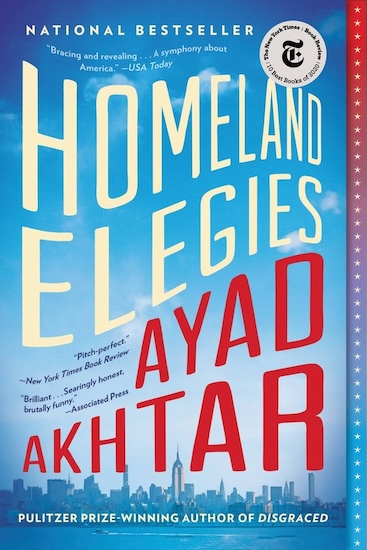
Homeland Elegies
Homeland Elegies blends fiction, memoir, and social commentary to explore what it means to be Muslim, Pakistani American, and American in a country struggling with questions of race, religion, patriotism, and belonging.
The novel follows a fictionalised version of Ayad Akhtar and his relationship with his father, a Pakistani immigrant and devoted admirer of Donald Trump. As father and son navigate their complicated relationship, their personal experiences unfold against the backdrop of post-9/11 America, where Islamophobia, political division, and economic insecurity have reshaped the lives of immigrant communities.
Moving between family memories, political reflections, cultural criticism, and encounters with people across different social worlds, Akhtar examines the contradictions of the American Dream. His narrator grapples with the privileges and prejudices of American society, the burden of inherited expectations, and the tension between wanting to belong to a country and feeling rejected by it.
Rather than presenting a straightforward autobiographical account, Akhtar deliberately blurs the boundaries between truth and invention. The result is an intimate and provocative portrait of a nation wrestling with its identity, told through the experiences of a family whose personal struggles mirror America’s broader divisions.
United States
2020
9
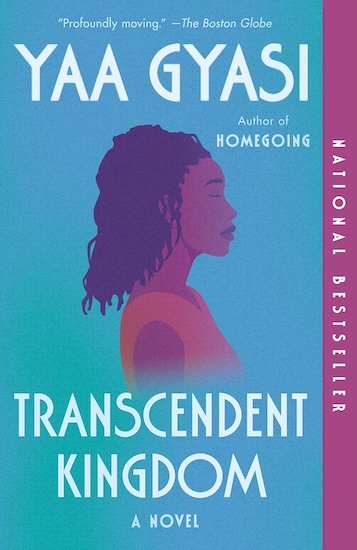
Transcendent Kingdom
Gifty, a Ghanaian American neuroscience PhD student at Stanford, searches for answers in the science of addiction while struggling to understand the tragedies that have shaped her family. Her brother Nana, once a promising athlete, died after developing an addiction to opioids, and her deeply religious mother has fallen into a debilitating depression. Torn between the evangelical faith of her childhood and the scientific world she inhabits, Gifty investigates the mechanisms of reward and suffering, hoping to uncover why people hurt themselves and those they love. Intimate and quietly devastating, Transcendent Kingdom explores grief, addiction, faith, and the limits of what science can explain about the human heart.
Nigeria
2020
10
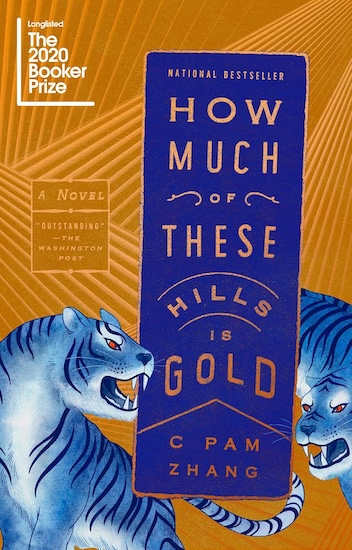
How Much of These Hills Is Gold
In the final days of the Gold Rush, two Chinese American siblings, Lucy and Sam, find themselves orphaned in a hostile landscape where their very existence challenges the myth of the American West. Carrying their father’s body across a vast, unforgiving terrain, they search for a place to bury him and confront the secrets of their family’s past. Through memories of hunger, displacement, and their parents’ desperate pursuit of belonging, the siblings must decide what it means to inherit a country that refuses to claim them. Lyrical and haunting, C Pam Zhang’s debut reimagines the Western frontier through the eyes of those written out of its history, exploring race, family, survival, and the price of the American dream.
United States
2020
11
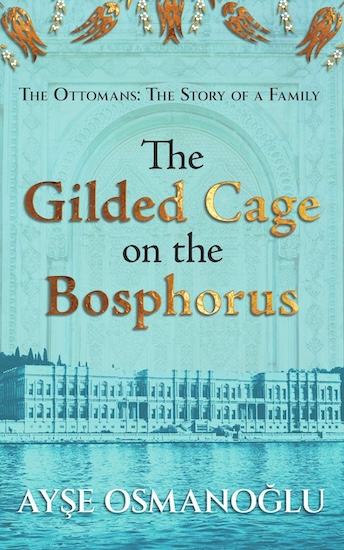
The Gilded Cage on the Bosphorus
Istanbul, 1903. Behind the guarded walls of Çırağan Palace, former Sultan Murad V and his family have spent nearly three decades in enforced confinement, prisoners of the very dynasty they belong to. As political unrest spreads and revolution threatens the Ottoman Empire, Murad fears for the future of his children and grandchildren. He dreams of their freedom, happiness, and the chance to build lives beyond the palace walls. But dangerous political plots, assassination attempts, and family scandals threaten to destroy everything he holds dear. Drawing on the history of her own imperial family, Ayşe Osmanoğlu brings the final decades of Ottoman rule to life in a richly detailed novel about family loyalty, sacrifice, and the price of power.
Türkiye
2020
12
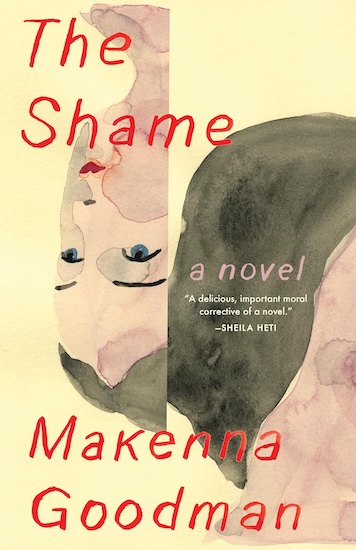
The Shame
Alma lives on a rural Vermont homestead, raising her children, tending animals, and managing a household while her husband teaches at a nearby college. But beneath the rhythms of domestic life, she feels increasingly isolated from the creative ambitions and independent identity she has sacrificed. Her fascination with Celeste, a confident ceramicist whose life seems to embody everything Alma lacks, grows into an unsettling obsession. One night, Alma drives away from home, and her memories reveal the tensions that have brought her to this breaking point. Surreal, darkly funny, and psychologically incisive, The Shame explores motherhood, envy, artistic longing, and the quiet desperation of a life that no longer feels like one’s own.
United States
2020