Literary Fiction
All countries
Afghanistan
Algeria
Antigua and Barbuda
Argentina
Australia
Austria
Azerbaijan
Bangladesh
Barbados
Belgium
Benin
Bosnia and Herzegovina
Brazil
Bulgaria
Burkina Faso
Burundi
Cabo Verde
Canada
Central African Republic
Chile
China
Colombia
Congo, Democratic Republic
Costa Rica
Côte d’Ivoire (Ivory Coast)
Croatia
Cyprus
Czech Republic
Denmark
Dominica
Dominican Republic
Egypt
El Salvador
Estonia
Ethiopia
France
Germany
Ghana
Greece
Hungary
Iceland
India
Iran
Iraq
Ireland
Italy
Jamaica
Japan
Jordan
Kazakhstan
Kenya
Kuwait
Latvia
Lebanon
Liberia
Libya
Lithuania
Madagascar
Mali
Mauritania
Mauritius
Mexico
Moldova
Morocco
Mozambique
Myanmar
Namibia
Netherlands
New Zealand
Nigeria
North Korea
North Macedonia
Norway
Oman
Pakistan
Palestine
Philippines
Poland
Portugal
Puerto Rico
Russia
Rwanda
Saint Kitts and Nevis
Saudi Arabia
Senegal
Sierra Leone
Singapore
South Korea
Spain
Sri Lanka
Sudan
Sweden
Switzerland
Syria
Taiwan
Tanzania
Thailand
Tunisia
Türkiye
Uganda
United Arab Emirates
United Kingdom
United States
Uzbekistan
Vietnam
Zambia
1
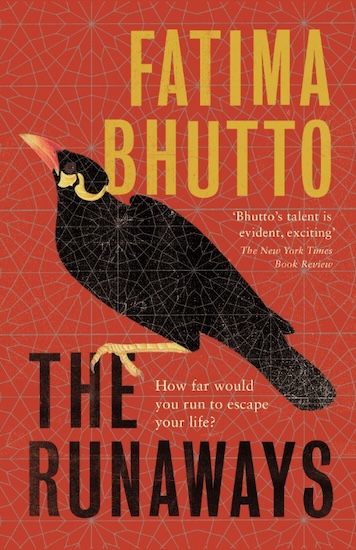
The Runaways
Three young people from vastly different backgrounds find themselves drawn toward radicalism in a world where the promise of belonging can become a dangerous obsession.
Anita Rose grows up in one of Karachi’s poorest neighbourhoods, dreaming of escaping poverty and discovering a world beyond the limits of her circumstances. When an elderly neighbour introduces her to literature and political ideas, she begins imagining a different future for herself. Monty Ahmed, the privileged son of a wealthy Pakistani businessman, has everything money can buy but struggles to find meaning in his comfortable existence. Meanwhile, Sunny Jamil grows up in Portsmouth, England, feeling alienated from both British society and his family’s expectations. When his charismatic cousin Oz returns from Syria, Sunny discovers a sense of purpose that he has long been missing.
As their lives converge, each protagonist is drawn into the orbit of an extremist movement operating across national borders. Their individual searches for identity, love, and belonging lead them toward choices with devastating consequences. Moving between Karachi, London, Portsmouth, and the deserts of Iraq, The Runaways explores youth radicalization, social inequality, cultural alienation, and the powerful human desire to feel part of something larger than oneself.
Pakistan
2018
2
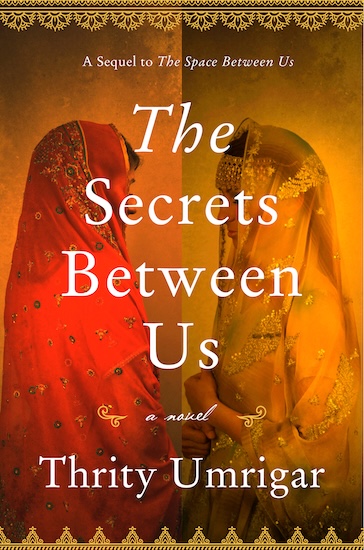
The Secrets Between Us (#2: Between Us)
In the bustling streets of Mumbai, Bhima must rebuild her life after losing the domestic job she held for more than twenty years. Poor and illiterate, she has endured tremendous hardship, and now her greatest concern is securing a better future for her granddaughter, Maya. With few options available, Bhima struggles to support them both while confronting the betrayal of the family she once served.
Her life takes an unexpected turn when she meets Parvati, an elderly homeless woman whose sharp tongue and guarded nature conceal years of suffering. Despite their initial mistrust, the two women form an unlikely partnership selling fruit and vegetables at a local market. As they gradually share their stories, they discover a friendship built on mutual understanding, resilience, and the determination to survive. Together, they begin to imagine a future beyond the limitations imposed by poverty, gender, and social status.
Set against the contrasts of modern Mumbai, The Secrets Between Us is a moving story about female solidarity, dignity, and second chances. Thrity Umrigar explores how friendship can emerge from hardship and how women who have been marginalized by society can find strength in one another.
India
2018
3
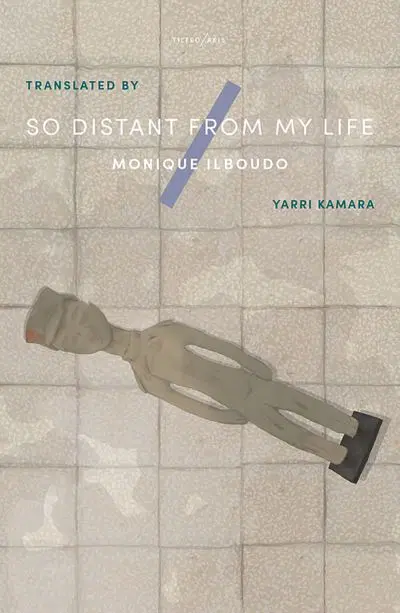
So Distant From My Life
Jeanphi is a young man from the fictional West African city of Ouabany who dreams of escaping poverty and building a new life in Europe. Determined to shape his own destiny, he abandons the path his family has chosen for him and embarks on a dangerous migration journey across the Sahara. After being exploited by smugglers and deported from Morocco, he returns home disillusioned but unwilling to surrender his ambitions. His life takes an unexpected turn when he meets Elgep, an affluent French widower hoping to establish a vocational training centre for disadvantaged young people. Their encounter offers Jeanphi a possible route toward a different future, but it also forces him to confront questions about sexuality, identity, dependency, and the unequal relationships between Africa and Europe. In this thought-provoking novel, Monique Ilboudo examines the desperation that drives migration, the contradictions of humanitarian aid, and the social pressures that shape people’s decisions about where they belong.
Burkina Faso
2018
4
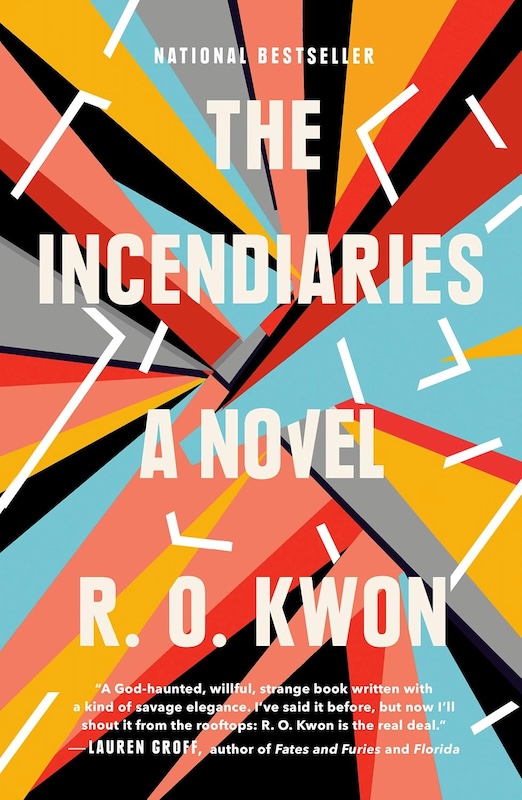
The Incendiaries
The Incendiaries follows three young people whose lives become entangled through grief, faith, love, and radical belief at an elite American university. Phoebe Lin, a Korean American student struggling with guilt over her mother’s death, meets Will Kendall, a former evangelical who has lost his religious faith but falls deeply in love with her. Their fragile relationship is disrupted when Phoebe becomes involved with John Leal, a charismatic former student who leads a secretive religious group with increasingly extreme convictions.
As the group’s ideology turns toward violence, Will struggles to understand Phoebe’s choices and uncover the truth behind Leal’s mysterious past. Told through shifting perspectives and an unconventional narrative, the novel explores how grief and the desire for purpose can make people vulnerable to manipulation and extremism.
Blending psychological suspense with literary fiction, R. O. Kwon examines the boundaries between faith and fanaticism, love and obsession, and personal conviction and destructive devotion. Set against the atmosphere of an American university campus, the novel asks what happens when the need to believe becomes all-consuming.
United States
2018
5
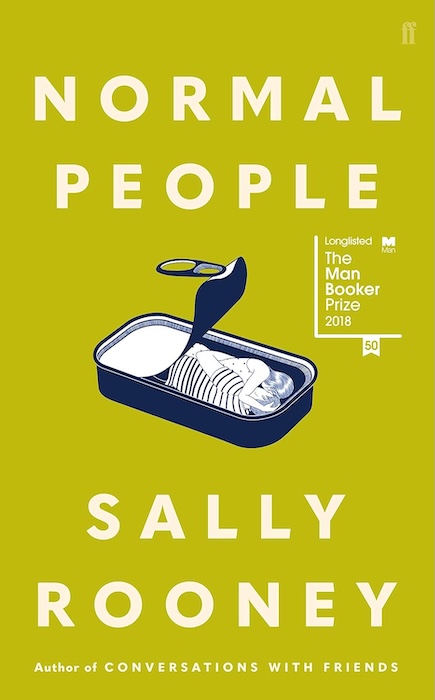
Normal People
Normal People follows Connell Waldron and Marianne Sheridan, two teenagers from the same small town in County Sligo, Ireland, whose lives become intertwined during their final years of secondary school and their time at Trinity College Dublin. Connell is popular and well-liked, while Marianne is intelligent, outspoken, and socially isolated. Despite their differences, they develop a deep connection, beginning a complicated relationship that neither fully understands.
As they move from adolescence into adulthood, their positions gradually reverse. Marianne finds a sense of belonging at university, while Connell struggles to navigate his place in a more privileged social environment. Their relationship is repeatedly shaped by misunderstandings, insecurity, social class, and their difficulty expressing what they truly need from each other.
Through intimate, understated prose, Rooney explores the ways people influence one another’s development and the lasting effects of love, vulnerability, and emotional miscommunication. The novel captures the uncertainty of growing up and the struggle to understand oneself through relationships with others. Shortlisted for the 2018 Booker Prize, Normal People became one of the defining novels of contemporary Irish fiction.
Ireland
2018
6
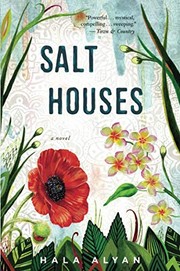
Salt Houses
Salt Houses follows several generations of the Palestinian Yacoub family as political upheaval repeatedly forces them to leave their homes and rebuild their lives elsewhere. Beginning in Nablus in the 1960s, the story traces the family’s experiences through the Six-Day War, the displacement caused by regional conflicts, and the subsequent lives of their descendants across the Middle East, Europe, and the United States. Each generation inherits a complicated relationship with Palestine, balancing memories of a lost homeland with the practical demands of creating a future in unfamiliar places. As family members develop different ideas about belonging, identity, and home, their relationships are shaped by both shared history and personal choices. Alyan explores the intergenerational effects of displacement, revealing how exile can become part of family identity even for those who have never experienced their ancestral homeland themselves.
Palestine
2018
7
Scenes from a Childhood
Scenes from a Childhood brings together a series of short prose pieces by Norwegian writer Jon Fosse, offering glimpses into the memories, experiences, and inner life of a boy growing up in rural Norway. Through seemingly ordinary moments—family encounters, childhood fears, religious experiences, and observations of the surrounding landscape—Fosse reveals how early experiences shape a person’s understanding of the world.
Written in his characteristic minimalist style, the collection relies on repetition, silence, and subtle shifts in perspective rather than conventional storytelling. Memories appear fragmented and sometimes dreamlike, reflecting the uncertain nature of recollection and the persistence of childhood emotions into adulthood. Beneath the quiet surface, the stories explore family relationships, loneliness, spirituality, and the tension between belonging and isolation. Fosse transforms small, everyday events into moments of profound significance, suggesting that the foundations of identity are often formed through experiences that seem insignificant at the time but remain with us long after childhood has passed.
Norway
2018
8
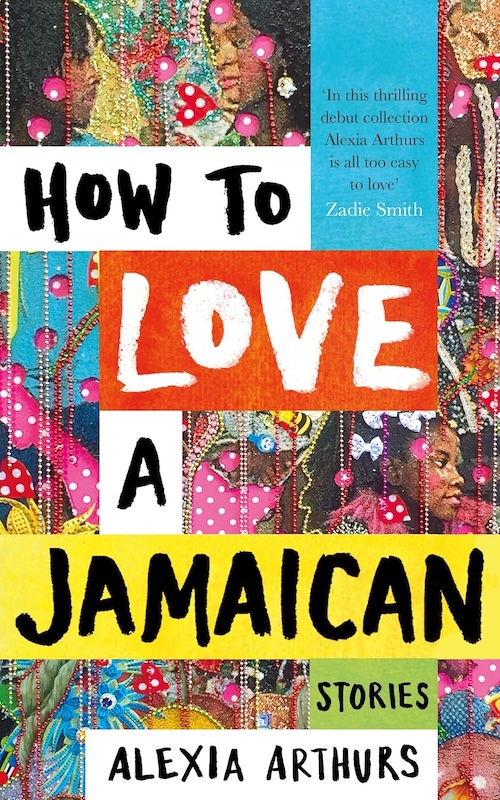
How to Love a Jamaican
How to Love a Jamaican is a collection of short stories exploring love, family, migration, and the complexities of Jamaican identity. Moving between Jamaica and the Jamaican diaspora in the United States, Alexia Arthurs portrays characters navigating the tensions between cultural heritage and the desire for a different life. Her stories follow young people confronting sexuality and social expectations, immigrants struggling to belong in unfamiliar places, and families negotiating the emotional distance created by migration. Through intimate relationships and everyday encounters, Arthurs examines how race, class, religion, and national identity shape the ways people understand themselves and one another. Blending humor, tenderness, and emotional honesty, the collection offers a nuanced portrait of Jamaican life across borders, revealing the complicated meanings of home, belonging, and love.
Jamaica
2018
9
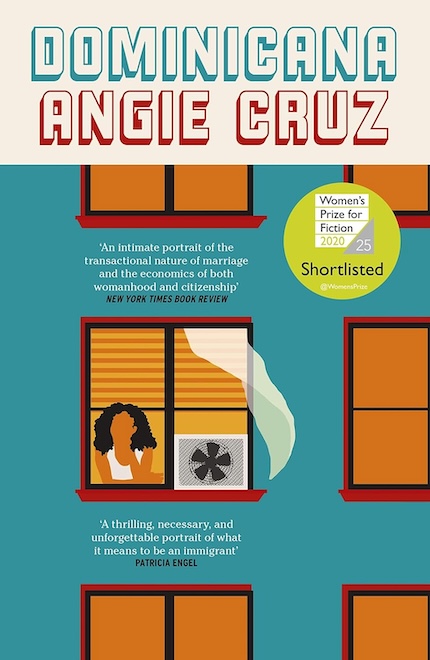
Dominicana
Fifteen-year-old Ana Canción has never dreamed of leaving the Dominican countryside, but when Juan Ruiz, a man twice her age, offers to marry her and take her to New York City, her family sees an opportunity for a better future. On New Year’s Day in 1965, Ana leaves behind everything she knows and arrives in Washington Heights, where she finds herself trapped in an unhappy marriage with a controlling and unfaithful husband. Lonely and struggling to adapt to life in a new country, she begins to imagine a future beyond the narrow role expected of her.
When Juan returns to the Dominican Republic amid growing political turmoil, Ana discovers new freedoms through English lessons, friendships, and an unexpected romantic connection with his younger brother, César. But her growing independence clashes with her family’s hopes and the sacrifices expected of her. Set against the backdrop of the Dominican Civil War and the Dominican immigrant community in New York, Dominicana is a moving coming-of-age story about migration, womanhood, and the courage to claim a life of one’s own.
Dominican Republic
United States
2019
10
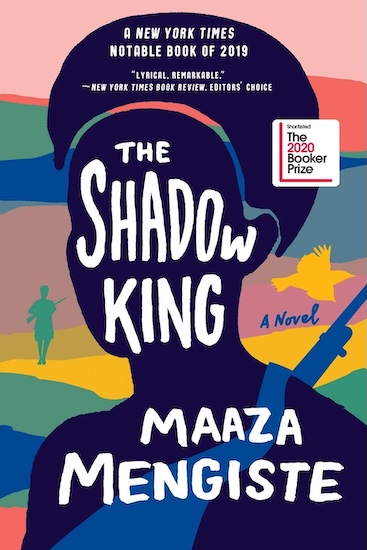
The Shadow King
Ethiopia, 1935. As Mussolini’s Italian army prepares to invade, Hirut, a recently orphaned young woman, struggles to survive in the household of Kidane, an officer in Emperor Haile Selassie’s army. When war erupts, Hirut and other Ethiopian women refuse to remain on the sidelines, limited to nursing the wounded and burying the dead. They want to fight for their country, but their courage must overcome not only the invading army but also the expectations of a society that rarely recognises women’s strength.
When the emperor is forced into exile, Hirut devises an extraordinary plan to restore hope: she helps disguise a humble peasant as the emperor and becomes his personal guard. Meanwhile, Ettore, a Jewish Italian photographer serving with the invading forces, struggles with his own conscience as he witnesses the brutality of the occupation. Moving between the perspectives of soldiers, civilians, and women on the battlefield, The Shadow King reclaims a neglected chapter of Ethiopian history. It is a powerful exploration of resistance, sacrifice, and the women whose contributions to war have too often been erased.
Ethiopia
2019
11
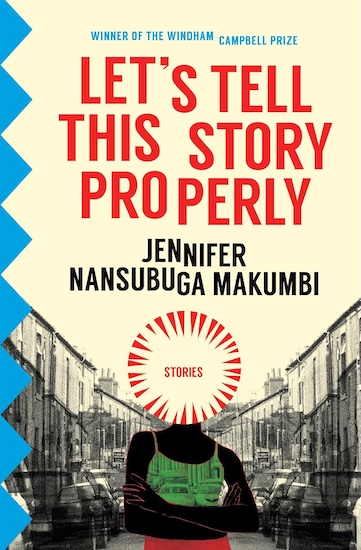
Let's Tell This Story Properly
In Let’s Tell This Story Properly, Jennifer Nansubuga Makumbi explores the experiences of Ugandans living in Britain, examining how migration reshapes identity, family relationships, and the meaning of home. Across a collection of interconnected stories, her characters navigate the challenges of building lives in a country where they may be highly visible as workers and neighbours yet remain socially marginalised. From airport security staff to healthcare workers and families divided between continents, the stories reveal the everyday realities of belonging to more than one place.
The title story follows Nnam, a Ugandan woman living in Manchester, who returns to Uganda with her husband’s body for his funeral rites. There, she discovers that the life she thought she understood concealed painful secrets. Other stories explore the difficult adjustment of immigrants, generational tensions within diaspora families, and the ways cultural expectations persist across distance. Characters often find themselves caught between the home they left and the new home they are trying to make, never feeling entirely at ease in either.
With emotional depth, sharp observation, and occasional dark humour, Makumbi portrays migration as more than a geographical journey. It is also a process of renegotiating family loyalties, cultural identity, and personal history. The collection asks how far people must travel to find belonging—and what happens when the meaning of home changes while they are away.
Uganda
United Kingdom
2019
12
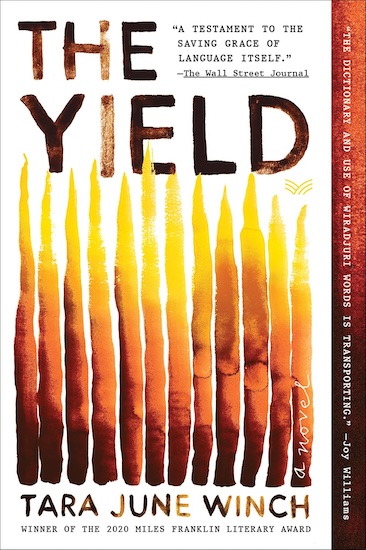
The Yield
In The Yield, Tara June Winch tells the story of Albert Gondiwindi, an elderly Wiradjuri man determined to preserve his people’s language and cultural knowledge before he dies. When Albert passes away, his granddaughter August returns to her family’s home in rural New South Wales after spending ten years in England. Her homecoming brings her face-to-face with painful memories, including the disappearance of her older sister, Jedda, and the colonial history that has shaped her family’s life.
August soon discovers that their ancestral home, Prosperous House, is threatened by a mining company seeking to take over the surrounding land. Determined to protect her family’s heritage, she searches for the dictionary Albert was compiling, a collection of Wiradjuri words and stories that preserves generations of knowledge. His work becomes a vital link to the past, helping August reconnect with her identity and understand the experiences of her ancestors.
The novel unfolds through three interwoven narratives: August’s return, Albert’s dictionary, and the historical account of a missionary whose actions reveal the destructive effects of colonial intervention. Through these different perspectives, Winch explores the connections between language, land, memory, and belonging. The Yield is both a powerful examination of Indigenous dispossession and a celebration of cultural survival, showing how reclaiming language and storytelling can help restore what history has attempted to erase.
Australia
2019