Literary Fiction
All countries
Afghanistan
Algeria
Antigua and Barbuda
Argentina
Australia
Austria
Azerbaijan
Bangladesh
Barbados
Belgium
Benin
Bosnia and Herzegovina
Brazil
Bulgaria
Burkina Faso
Burundi
Cabo Verde
Canada
Central African Republic
Chile
China
Colombia
Congo, Democratic Republic
Costa Rica
Côte d’Ivoire (Ivory Coast)
Croatia
Cyprus
Czech Republic
Denmark
Dominica
Dominican Republic
Egypt
El Salvador
Estonia
Ethiopia
France
Germany
Ghana
Greece
Hungary
Iceland
India
Iran
Iraq
Ireland
Italy
Jamaica
Japan
Jordan
Kazakhstan
Kenya
Kuwait
Latvia
Lebanon
Libya
Lithuania
Madagascar
Mexico
Moldova
Morocco
Myanmar
Netherlands
New Zealand
Nigeria
North Korea
North Macedonia
Norway
Oman
Pakistan
Palestine
Philippines
Poland
Portugal
Puerto Rico
Russia
Rwanda
Saint Kitts and Nevis
Saudi Arabia
Senegal
Singapore
South Korea
Spain
Sri Lanka
Sudan
Sweden
Switzerland
Syria
Taiwan
Tanzania
Thailand
Türkiye
Uganda
United Arab Emirates
United Kingdom
United States
Uzbekistan
Vietnam
Zambia
1
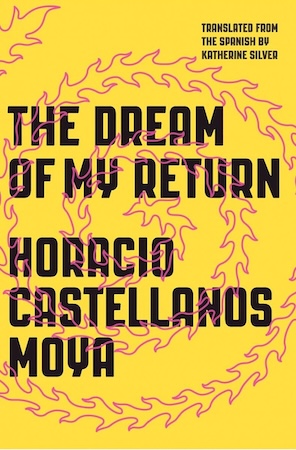
The Dream of My Return
El Salvador’s civil war is nearing its end, and exiled journalist Erasmo Aragón is preparing to return home after years in Mexico. Hoping to start a new life, he also wants to escape his troubled marriage and the anxieties that have consumed him. But when a doctor prescribes hypnosis to treat his persistent liver pain, Erasmo becomes obsessed with the memories and secrets buried in his subconscious. Haunted by political violence, uncertain recollections, and increasingly paranoid suspicions, he begins to lose his grip on reality. Darkly comic and psychologically unsettling, this novel explores exile, memory, and the complicated longing to return to a homeland transformed by violence.
El Salvador
2015
2
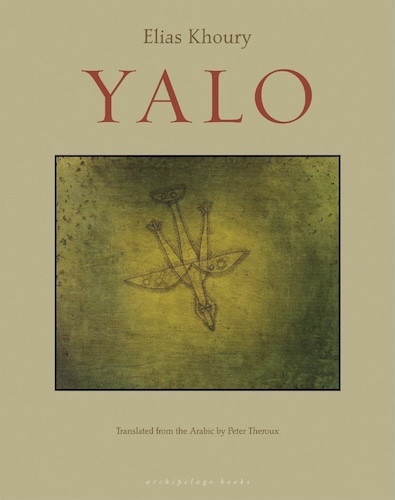
Yalo
Set in Beirut in the aftermath of Lebanon’s long civil war, Yalo follows Daniel Habil Abyad, a young Lebanese man of Assyrian Christian background whose life has been shaped by violence, displacement, and fractured family relationships. Known as Yalo, he is arrested and accused of rape and armed robbery, then subjected to brutal interrogation and torture. His interrogators demand a confession, forcing him to write and rewrite the story of his life until his memories become entangled with their expectations. As he revisits his childhood, his troubled relationship with his mother, and his obsessive pursuit of a woman named Shireen, the boundaries between truth, guilt, and imposed identity begin to dissolve. Through this disturbing psychological journey, Elias Khoury examines how violence distorts memory and how authoritarian power can manufacture a person’s identity. Both unsettling and deeply humane, Yalo asks whether we can ever truly understand ourselves when our stories are shaped by fear, desire, and the need to survive.
Lebanon
2015
3
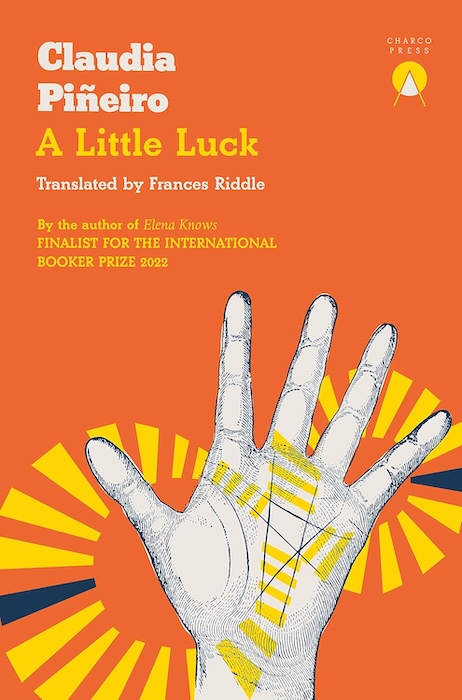
A Little Luck
A Little Luck follows Mary Lohan, a woman who returns to the Buenos Aires suburb she left twenty years earlier after a traumatic accident transformed her life. She has built a new identity far from the place where the tragedy occurred, changing not only her name but also her appearance and the way she relates to the world. Returning home forces her to confront memories she has tried to suppress and people whose lives remain connected to her past. As old secrets begin to surface, Mary must reconsider the choices that shaped her life and the guilt she has carried for decades. Piñeiro explores the fragile boundary between reinvention and denial, asking whether it is possible to escape the past or whether genuine freedom requires facing the truth about oneself.
Argentina
2015
4
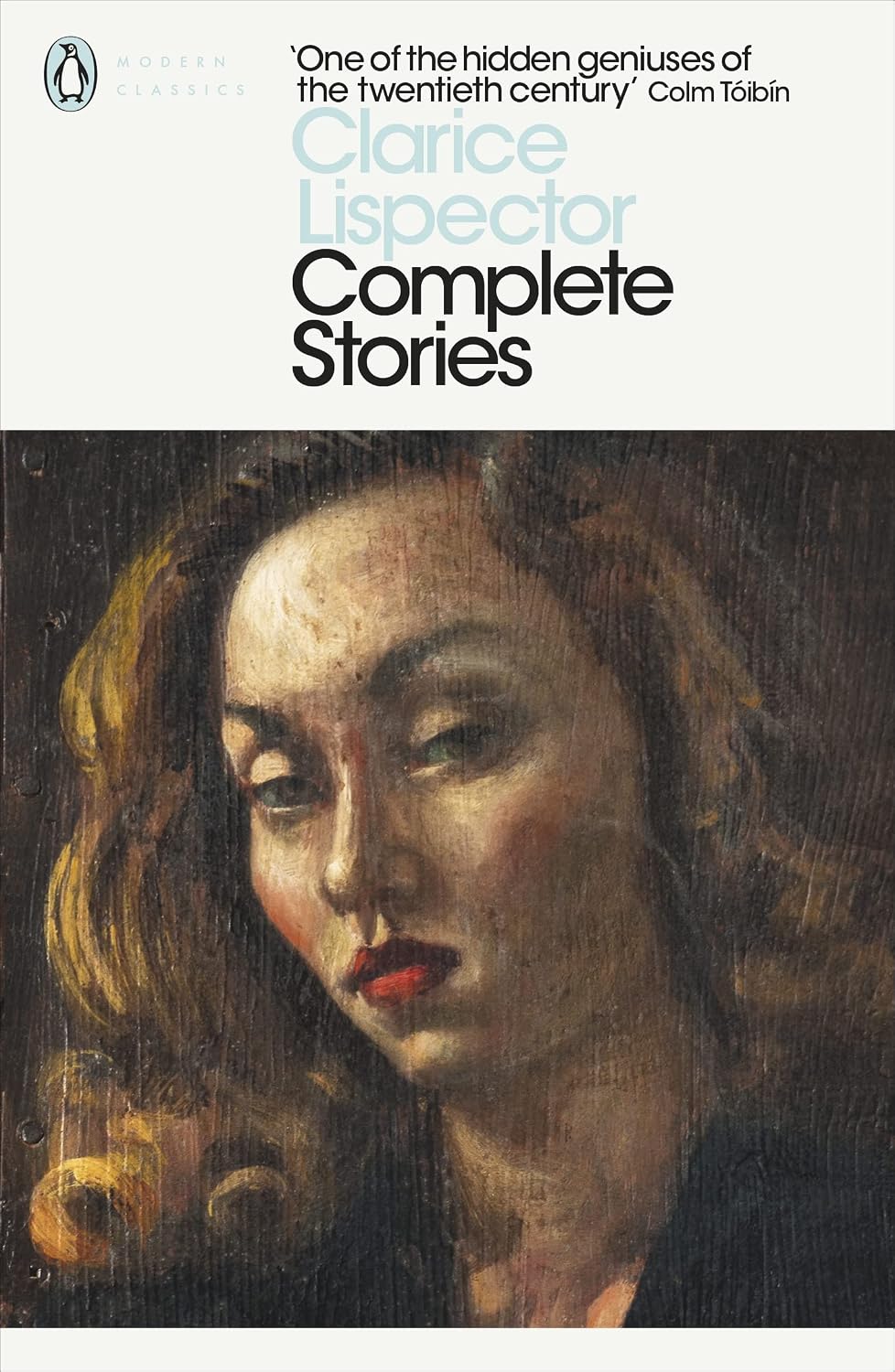
Complete Stories
Complete Stories brings together the short fiction of Clarice Lispector, spanning her entire career and revealing the extraordinary range of one of Brazil’s most influential literary voices. Across stories set in ordinary homes, crowded cities, and unfamiliar landscapes, Lispector explores the hidden emotional lives of women, children, domestic workers, and other characters whose everyday experiences conceal profound inner conflicts.
Often beginning with seemingly insignificant moments—a conversation, a household routine, an encounter with an animal—her stories gradually uncover unsettling questions about identity, desire, freedom, and the nature of existence. Characters experience sudden revelations that disrupt their familiar understanding of themselves and the world, exposing the tension between social expectations and private impulses. Lispector’s distinctive prose combines psychological intensity, philosophical reflection, and unexpected humour, frequently blurring the boundaries between the ordinary and the surreal. Rather than offering clear resolutions, these stories invite readers into the uncertainties of consciousness and the complexity of being human.
Brazil
2015
5
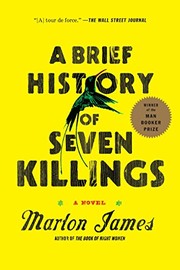
A Brief History of Seven Killings
Set primarily in Jamaica during the 1970s and extending into the 1990s, A Brief History of Seven Killings explores the political violence, gang warfare, and social upheaval surrounding the attempted assassination of reggae legend Bob Marley in 1976. Told through the perspectives of an expansive cast of characters, including gang members, journalists, politicians, and CIA operatives, the novel examines the complex relationships between crime, political power, and international interference. As the narrative moves from Kingston to the United States, it traces the long-term consequences of violence on individuals and communities. Through shifting voices, Jamaican patois, and an unflinching portrayal of historical events, Marlon James explores inequality, corruption, identity, and the lasting scars of political conflict. The novel offers a multifaceted portrait of Jamaica’s turbulent history and the human cost of violence.
Jamaica
2015
6
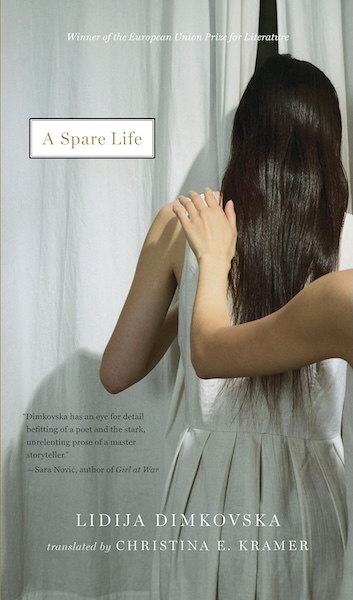
A Spare Life
In 1984, twin sisters Zlata and Srebra are born in Skopje, Macedonia, joined at the head. Growing up physically connected in a society undergoing profound political and social change, they share a body but struggle to establish separate identities, desires, and futures. Their lives are shaped by the devotion and exhaustion of their family, the curiosity and prejudice of strangers, and the everyday difficulties of navigating a world designed for people who can move independently.
Narrated by Zlata, A Spare Life follows the sisters from childhood into adulthood against the backdrop of Yugoslavia’s dissolution and the emergence of an independent Macedonia. As their circumstances change, their longing for privacy and personal freedom becomes increasingly urgent. Combining an intimate family story with a broader portrait of a society in transition, Lidija Dimkovska explores individuality, bodily autonomy, belonging, and the boundaries between dependence and independence. The novel asks what it means to live an authentic life when even the most fundamental choices must be shared.
North Macedonia
2016
7
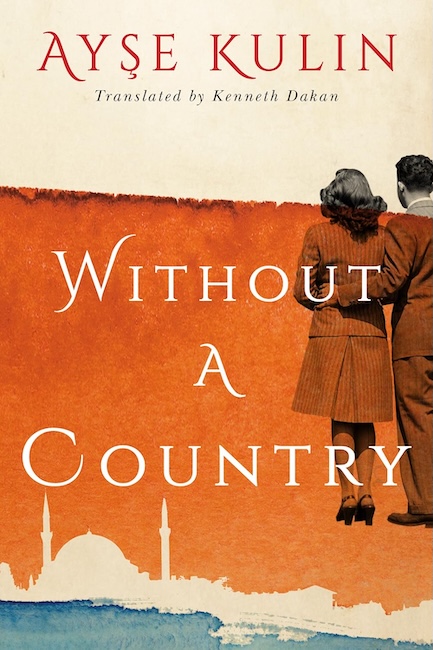
Without a Country
As Hitler’s persecution of Jews intensifies in 1930s Germany, medical professor Gerhard Schliemann and his wife, Elsa, face an impossible choice: remain in the country they call home or flee to protect their family. Their escape leads them to Turkey, where German Jewish academics are offered positions at universities and hospitals as the young republic works to modernise its institutions.
Although the Schliemanns find refuge and the opportunity to rebuild their lives, safety does not guarantee belonging. Across four generations, their descendants navigate political upheaval, military coups, interfaith relationships, and renewed antisemitism. As Turkey itself changes, the family must confront difficult questions about identity, loyalty, and what it means to belong to a country that may never fully accept them.
Spanning nearly a century, Without a Country is a multigenerational saga inspired by the real history of German-speaking Jewish academics who found refuge in Turkey during the Nazi era. Ayşe Kulin explores the complicated relationship between displacement and belonging, showing how the search for a safe home can shape a family’s destiny long after the original refugees are gone.
Türkiye
Germany
2016
8
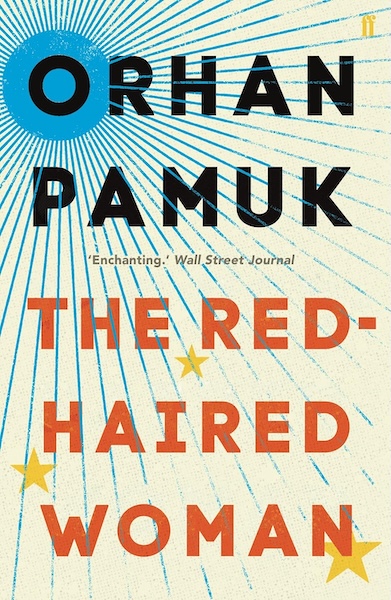
The Red-Haired Woman
In the mid-1980s, teenage Cem leaves Istanbul to work as an apprentice to Mahmut, an experienced well-digger. Together, they travel to a small town outside the city, where they labour to find water in the dry earth. As they work, Mahmut becomes a father figure to Cem, teaching him practical skills and sharing stories that shape the young man’s understanding of the world.
One summer, Cem encounters a mysterious red-haired woman performing with a travelling theatre troupe. Fascinated by her, he becomes entangled in an experience that will haunt him for decades. A terrible incident at the well changes the course of his life, and years later, when Cem has become a successful businessman, the past returns with consequences he could never have anticipated.
Drawing on the ancient myths of Oedipus and Rostam and Sohrab, The Red-Haired Woman explores fathers and sons, guilt, authority, and the forces that shape our destinies. It is a compact, unsettling novel about the stories we inherit and whether we can ever escape them.
Türkiye
2016
9
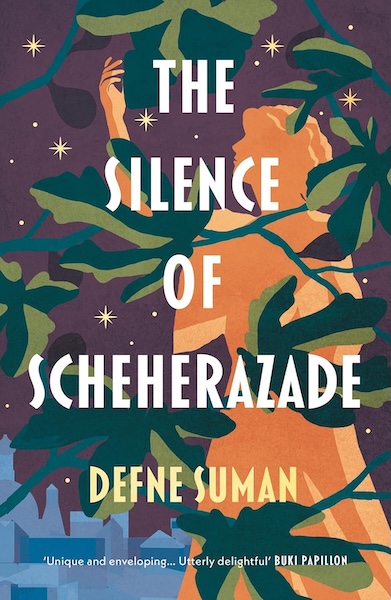
The Silence of Scheherazade
In September 1905, in the cosmopolitan Ottoman port city of Smyrna, a girl named Scheherazade is born as an Indian spy arrives with a secret mission for the British Empire. Their stories unfold alongside those of four families—a Levantine, a Greek, a Turkish, and an Armenian—whose lives are bound together by love, ambition, and the city’s extraordinary cultural diversity.
Over the following seventeen years, the families navigate political upheaval, shifting loyalties, forbidden relationships, and the growing tensions surrounding the decline of the Ottoman Empire. As war transforms the region, the world they know begins to crumble, culminating in the devastating fire that engulfs Smyrna in 1922.
Rich in historical detail and intimate human drama, The Silence of Scheherazade resurrects a lost multicultural world and gives voice to the people caught between competing nationalisms. It is a story of love, displacement, and the silences that history leaves behind.
Türkiye
2016
10
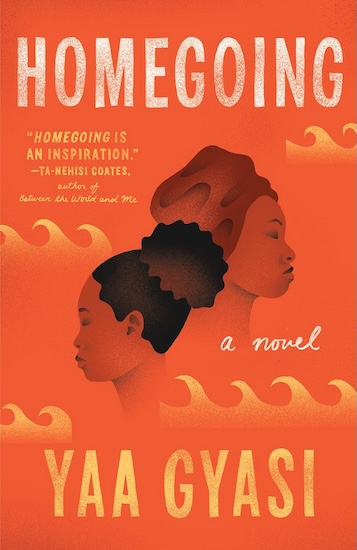
Homegoing
Two half-sisters, Effia and Esi, are born in eighteenth-century Ghana, their lives divided by the forces of slavery and colonialism. Effia marries a British slave trader and lives in comfort above the dungeons of Cape Coast Castle, unaware that her sister Esi is imprisoned below before being sold into slavery in America. From the villages of Ghana to the plantations of the American South and the streets of modern Harlem, their descendants inherit the consequences of choices, violence, and histories they never experienced themselves. Spanning eight generations and three centuries, Homegoing is a powerful exploration of how slavery reshapes families, how trauma travels across generations, and how the past continues to influence the present.
Ghana
2016
11
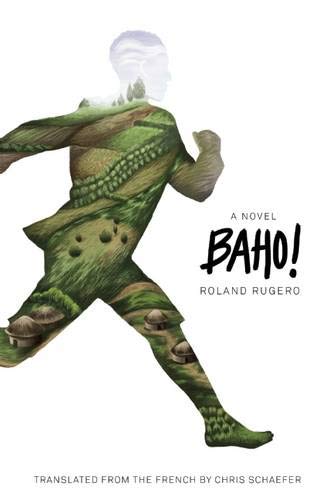
Baho!
Set in a fictional village in Burundi, Baho! follows Nyamuragi, a young boy who cannot speak. When he attempts to ask a young woman for directions to a suitable place to relieve himself, his gestures are misunderstood, and he is accused of intending to sexually assault her. Frightened, he runs away, but his flight is interpreted as proof of guilt. Soon, villagers join the pursuit, and a simple misunderstanding escalates into collective outrage and the threat of mob justice.
Through this tense and darkly satirical story, Roland Rugero examines the dangers of prejudice, social conformity, and the rush to judgment. The novel also explores the consequences of Burundi’s violent past and the challenges of rebuilding trust within a divided society. Incorporating Kirundi proverbs and elements of oral storytelling, Rugero creates a distinctive portrait of Burundian culture while questioning how fear and rumour can distort people’s understanding of truth and justice.
Burundi
2016
12
Stork Mountain
Stork Mountain follows a young Bulgarian-American man who returns to his ancestral village in Bulgaria after the disappearance of his grandfather, a former communist official. Hoping to uncover the truth about his family’s past, he becomes immersed in the history and traditions of a rural community near the Turkish border, where generations have lived through political upheaval, shifting national identities, and religious tensions.
As he investigates his grandfather’s life, the narrator encounters stories of forbidden love, ancient rituals, and the complicated legacy of Bulgaria’s communist era. The village’s inhabitants preserve memories and customs that seem increasingly distant from the modern world, while the narrator struggles to reconcile his American upbringing with the homeland he has inherited through family history. Miroslav Penkov blends folklore, historical fiction, and contemporary storytelling to explore belonging, migration, and the ways personal identity is shaped by collective memory. The novel reveals how the past continues to influence the present, even when its stories have been forgotten, distorted, or deliberately concealed.
Bulgaria
2016