Literary Fiction
All countries
Afghanistan
Algeria
Antigua and Barbuda
Argentina
Australia
Austria
Azerbaijan
Bangladesh
Barbados
Belgium
Benin
Bosnia and Herzegovina
Brazil
Bulgaria
Burkina Faso
Burundi
Cabo Verde
Canada
Central African Republic
Chile
China
Colombia
Congo, Democratic Republic
Costa Rica
Côte d’Ivoire (Ivory Coast)
Croatia
Cyprus
Czech Republic
Denmark
Dominica
Dominican Republic
Egypt
El Salvador
Estonia
Ethiopia
France
Germany
Ghana
Greece
Hungary
Iceland
India
Iran
Iraq
Ireland
Italy
Jamaica
Japan
Jordan
Kazakhstan
Kenya
Kuwait
Latvia
Lebanon
Libya
Lithuania
Madagascar
Mexico
Moldova
Morocco
Myanmar
Netherlands
New Zealand
Nigeria
North Korea
North Macedonia
Norway
Oman
Pakistan
Palestine
Philippines
Poland
Portugal
Puerto Rico
Russia
Rwanda
Saint Kitts and Nevis
Saudi Arabia
Senegal
Singapore
South Korea
Spain
Sri Lanka
Sudan
Sweden
Switzerland
Syria
Taiwan
Tanzania
Thailand
Türkiye
Uganda
United Arab Emirates
United Kingdom
United States
Uzbekistan
Vietnam
Zambia
1
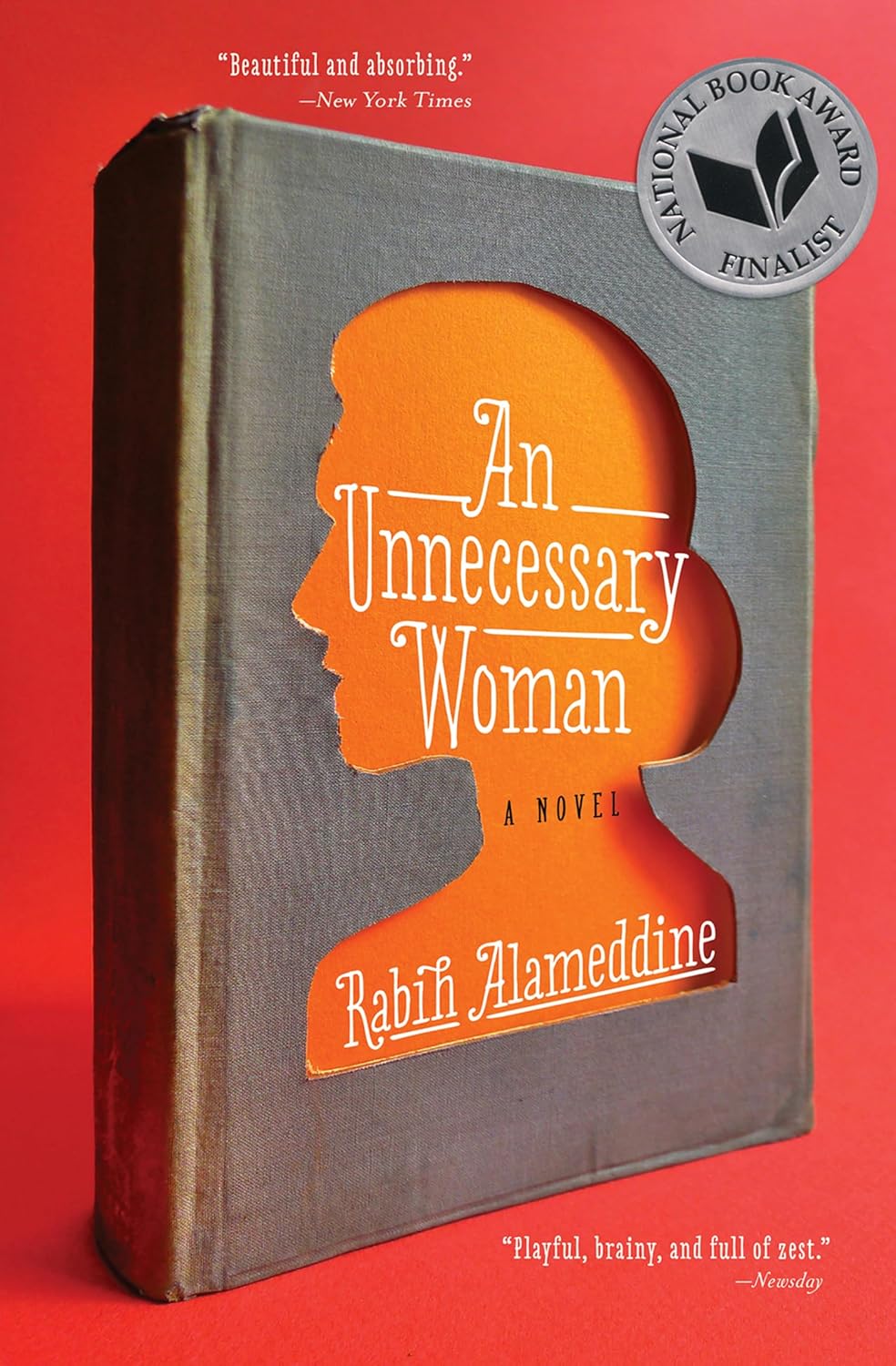
Unnecessary Woman
An Unnecessary Woman centres on Aaliya Saleh, a seventy-two-year-old woman living alone in Beirut. Divorced and estranged from much of her family, Aaliya has spent decades translating literary works into Arabic for her own satisfaction, often without publishing or sharing them. Books provide her with companionship, intellectual freedom, and a refuge from the expectations of a society that frequently overlooks older women. As political tensions and personal memories intrude on her carefully ordered life, Aaliya reflects on her relationships, the civil war, and the choices that have shaped her existence. Her solitary routine is disrupted when an unexpected event threatens to expose the private world she has built around literature. Alameddine explores ageing, independence, cultural identity, and the importance of art, portraying a woman who finds meaning not through conventional success but through the life of the mind.
Lebanon
2014
2
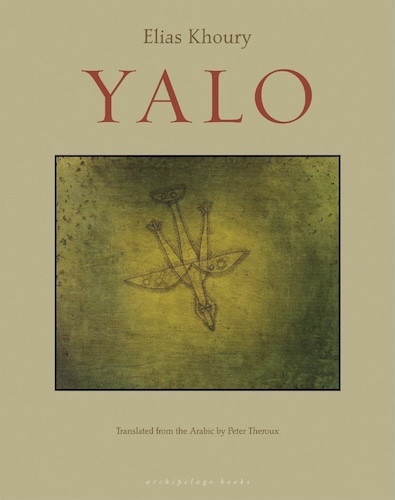
Yalo
Set in Beirut in the aftermath of Lebanon’s long civil war, Yalo follows Daniel Habil Abyad, a young Lebanese man of Assyrian Christian background whose life has been shaped by violence, displacement, and fractured family relationships. Known as Yalo, he is arrested and accused of rape and armed robbery, then subjected to brutal interrogation and torture. His interrogators demand a confession, forcing him to write and rewrite the story of his life until his memories become entangled with their expectations. As he revisits his childhood, his troubled relationship with his mother, and his obsessive pursuit of a woman named Shireen, the boundaries between truth, guilt, and imposed identity begin to dissolve. Through this disturbing psychological journey, Elias Khoury examines how violence distorts memory and how authoritarian power can manufacture a person’s identity. Both unsettling and deeply humane, Yalo asks whether we can ever truly understand ourselves when our stories are shaped by fear, desire, and the need to survive.
Lebanon
2015
3
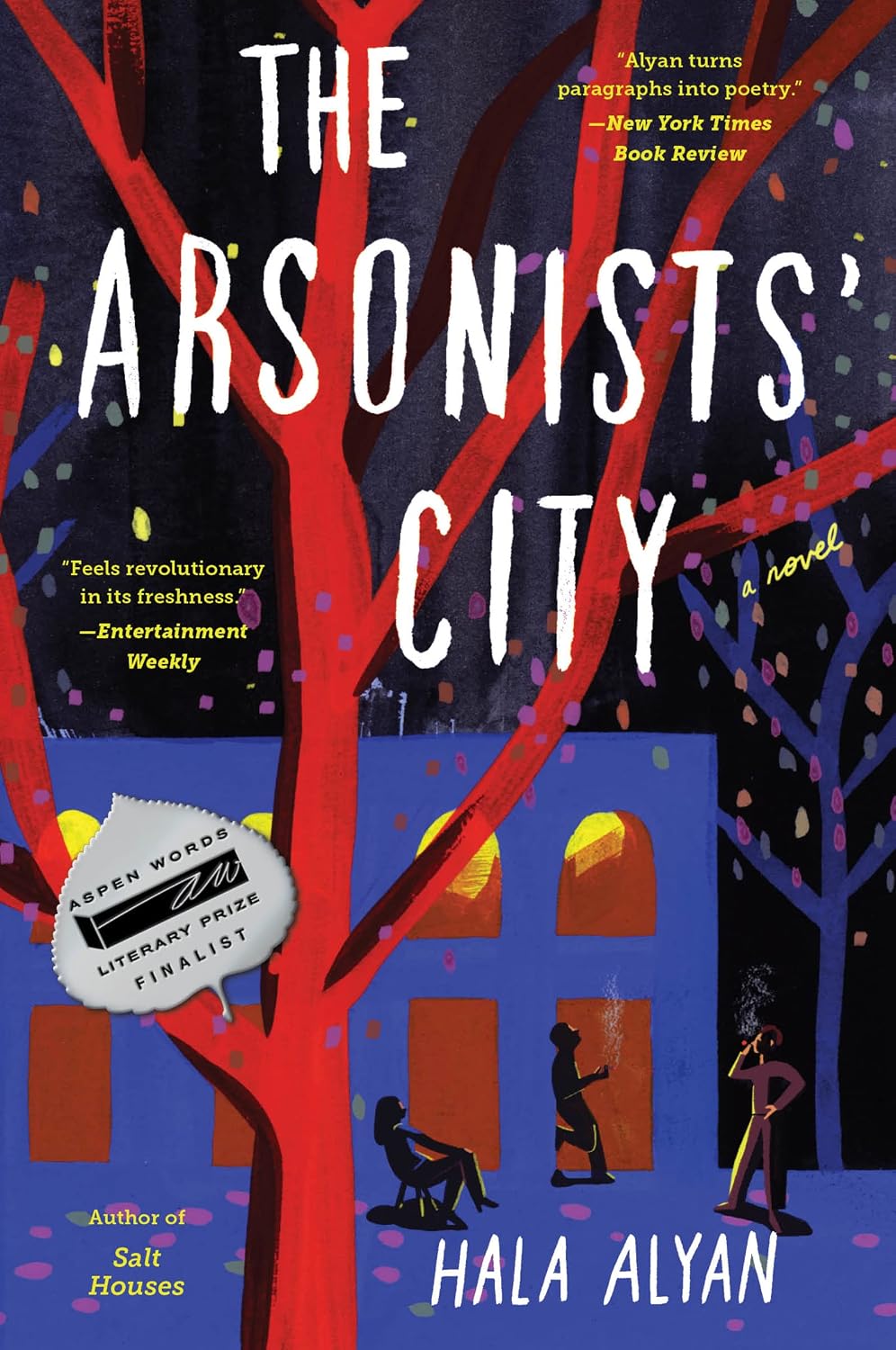
The Arsonists' City
The Arsonists’ City follows the Nasr family, whose members are scattered across Beirut and the United States but remain connected by their shared history and their ancestral home in Lebanon. When Idris decides to sell the Beirut house following his father’s death, his wife, Mazna, and their three adult children return to prevent the sale. Their reunion brings buried secrets, old romantic entanglements, and unresolved resentments to the surface. Through shifting timelines, Alyan reveals how the family came together and how migration, political conflict, and personal choices gradually shaped their relationships. Each family member has developed a different understanding of home, belonging, and responsibility, creating tensions that threaten to pull them apart. Against the backdrop of Lebanon’s turbulent history, the novel explores intergenerational trauma, cultural identity, and the complicated bonds that connect people to their families and places of origin.
Lebanon
2021
4
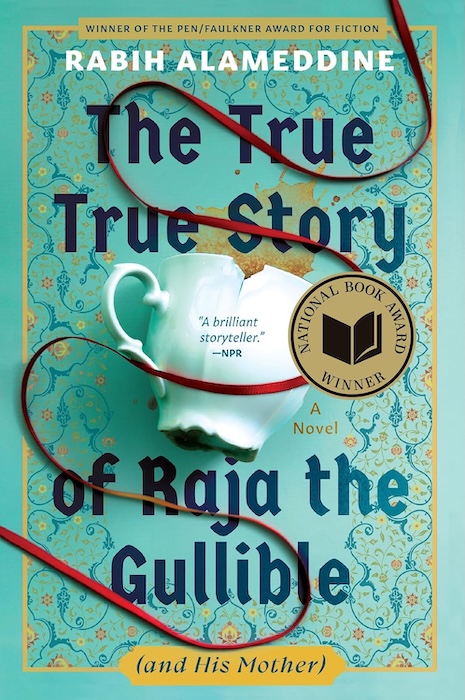
True True Story of Raja the Gullible (and His Mother)
True True Story of Raja the Gullible (and His Mother) follows Raja, a gay Lebanese man in his late sixties who lives in Beirut and spends his days writing letters to a mysterious correspondent he calls the “Dear Comrade.” Through these letters, Raja recounts his unconventional life, his complicated relationship with his formidable mother, and the experiences that have shaped his identity. His story moves between personal memories and Lebanon’s turbulent political and cultural history, touching on sexuality, religion, war, and the challenges of growing older in a society marked by contradiction. With characteristic wit, irreverence, and tenderness, Rabih Alameddine explores the boundaries between truth and storytelling, revealing how people reinvent their pasts to make sense of their lives. Beneath its humour lies a moving portrait of family bonds, loneliness, and the search for acceptance. The novel celebrates the freedom to live outside conventional expectations while acknowledging the enduring power of love, memory, and belonging.
Lebanon
2024
5
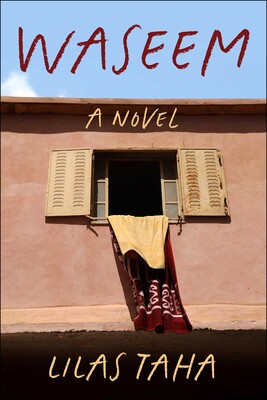
Waseem
What does it mean to call a place home when the land you long for has always been out of reach?
In a crowded Palestinian refugee camp in Lebanon, Waseem lives with a disability that leaves him largely unable to speak or walk. Much of his world unfolds through a small window, until Ameena, his spirited childhood friend, brings books into his life. Their friendship grows into a deep bond shaped by shared dreams, unspoken affection, and a longing to visit their ancestral homeland, Palestine.
As the years pass, Waseem must confront the limits imposed on him by his body, his circumstances, and a world that often underestimates him. Yet his story is not defined by hardship alone. Humour, tenderness, and an enduring hunger for knowledge illuminate the everyday lives of people whose hopes extend far beyond the confines of the camp.
With warmth and emotional depth, Lilas Taha explores love, disability, exile, and the search for belonging. Waseem is a moving portrait of a young man determined to claim his own future while holding on to the homeland he has never known.
Lebanon
Palestine
2025
6
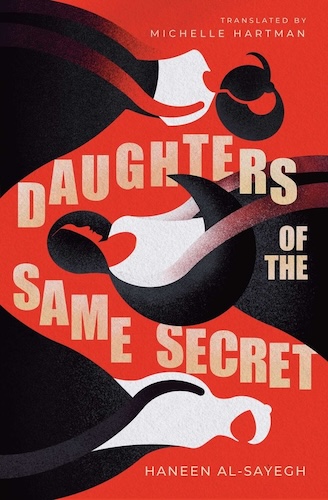
Daughters of the Same Secret
In a secluded Druze village in Lebanon’s Mount Lebanon mountains, Amal dreams of a life beyond the boundaries her family and community have drawn for her. Her father, a religious shaykh and blacksmith, believes he has the right to shape the futures of his four daughters. But Amal longs to pursue higher education and study English literature at the American University of Beirut. When a wealthy local businessman offers her a possible way out, she makes a bargain that promises freedom but brings new complications. As marriage, motherhood, and social expectations threaten to consume her ambitions, Amal must find the courage to claim ownership of her life. Poetic and deeply moving, this novel explores the hidden struggles of women caught between tradition and independence, revealing the quiet acts of resistance that can transform generations.
Lebanon
2026
7
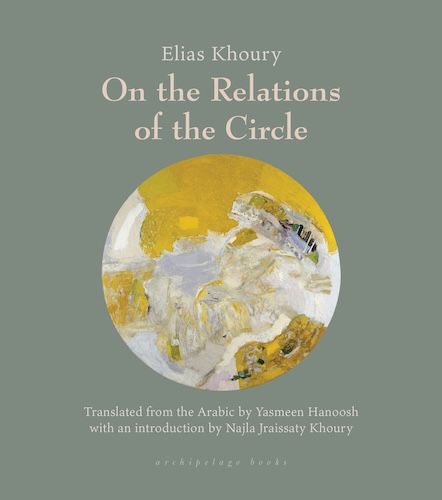
On the Relations of the Circle
In Beirut on the eve of the Lebanese Civil War, a young orphan named Mansour searches for the fragments of his identity: his origins, his family name, and the father he has never known. Yet his journey unfolds in a world where reality and imagination constantly overlap. Birds speak, trees become companions, and ordinary objects seem to possess lives of their own. Through dreamlike episodes, shifting perspectives, and stories that circle back upon themselves, Elias Khoury creates a portrait of a city poised on the edge of catastrophe. Published in 1975, the same year the Lebanese Civil War began, the novel explores how individuals construct their identities amid uncertainty and how storytelling can preserve a sense of belonging when history threatens to destroy it. Both playful and haunting, this experimental work introduces themes that would become central to Khoury’s writing: memory, displacement, fractured identity, and the enduring power of imagination.
Lebanon
2026