Literary Fiction
All countries
Afghanistan
Algeria
Antigua and Barbuda
Argentina
Australia
Austria
Azerbaijan
Bangladesh
Barbados
Belgium
Benin
Bosnia and Herzegovina
Brazil
Bulgaria
Burkina Faso
Burundi
Cabo Verde
Canada
Central African Republic
Chile
China
Colombia
Congo, Democratic Republic
Costa Rica
Côte d’Ivoire (Ivory Coast)
Croatia
Cyprus
Czech Republic
Denmark
Dominica
Dominican Republic
Egypt
El Salvador
Estonia
Ethiopia
France
Germany
Ghana
Greece
Hungary
Iceland
India
Iran
Iraq
Ireland
Italy
Jamaica
Japan
Jordan
Kazakhstan
Kenya
Kuwait
Latvia
Lebanon
Liberia
Libya
Lithuania
Madagascar
Mali
Mauritania
Mauritius
Mexico
Moldova
Morocco
Mozambique
Myanmar
Namibia
Netherlands
New Zealand
Nigeria
North Korea
North Macedonia
Norway
Oman
Pakistan
Palestine
Philippines
Poland
Portugal
Puerto Rico
Russia
Rwanda
Saint Kitts and Nevis
Saudi Arabia
Senegal
Sierra Leone
Singapore
South Korea
Spain
Sri Lanka
Sudan
Sweden
Switzerland
Syria
Taiwan
Tanzania
Thailand
Tunisia
Türkiye
Uganda
United Arab Emirates
United Kingdom
United States
Uzbekistan
Vietnam
Zambia
1
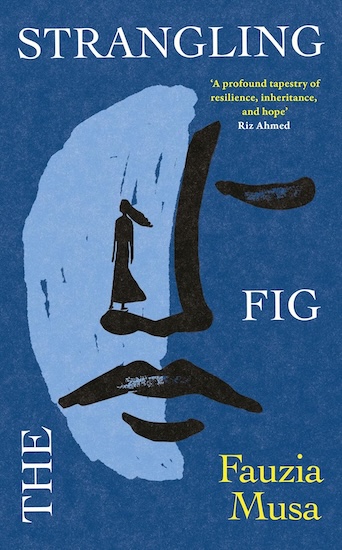
The Strangling Fig
Spanning generations and continents, The Strangling Fig explores the lasting impact of grief, family secrets, and inherited trauma on the lives of women in one Muslim family.
Hyderabad, 1946: Ashraf is a young girl when her father is murdered on the eve of the Partition of British India. His death transforms her relationship with her mother, leaving Ashraf emotionally isolated and searching for the affection she can no longer find at home. As she grows older, the wounds of her childhood shape her choices in love, marriage, and motherhood, influencing her relationship with her own daughter.
California, 2002: Sixteen-year-old Seher feels abandoned by her mother and struggles to find a place for herself. When she begins seeing the ghost of her grandmother, Ashraf, she finds the guidance and emotional connection she has been missing. But as Seher becomes increasingly dependent on this supernatural presence, she discovers that the bond offers comfort at a troubling cost.
Moving between India and the United States, Musa weaves together the experiences of women separated by generations but connected by family history and unresolved pain. Blending family drama with elements of magical realism, the novel examines how loss and emotional wounds can be passed from mother to daughter—and whether understanding the past can help break the cycle.
India
United States
2026
2
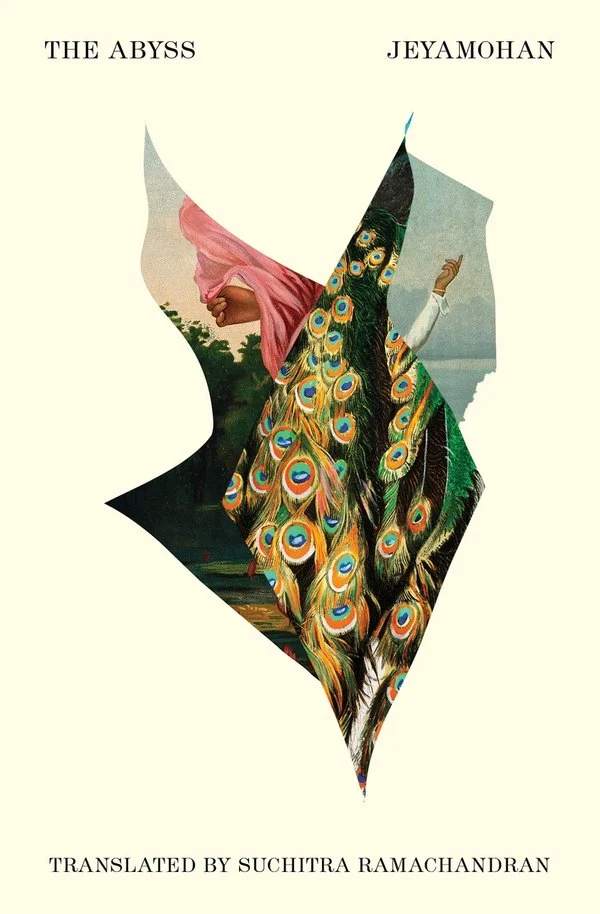
The Abyss
In the hidden world of India’s professional begging networks, human suffering has become a business. Pothivelu Pandaram is a respected, religious man who has built his prosperity on an appalling trade: he buys and breeds people with physical disabilities, then places them outside temples to beg for money. Among those he exploits are Mangandi Samy, a profoundly disabled man whose haunting songs express a longing for divine love, and others whose lives have been reduced to commodities. Pandaram treats them as possessions rather than human beings, convinced that his success and social standing justify his actions. But when an unexpected transaction disrupts his carefully controlled world, the moral foundations of his existence begin to crumble. Combining dark humour, grotesque realism, and spiritual inquiry, Jeyamohan confronts readers with uncomfortable questions about compassion, exploitation, and human dignity. Rather than offering easy answers, The Abyss challenges us to examine the cruelty people can inflict on one another—and the possibility of liberation even in the most degrading circumstances.
India
2026
3
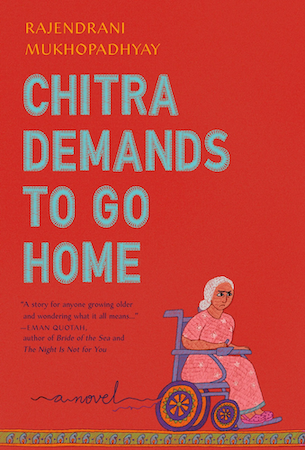
Chitra Demands to Go Home
Seventy-five-year-old Chitra is a Bengali widow who has spent much of her life caring for her family and maintaining a beloved home in Kolkata. Now, with her children grown and living their own lives, she looks forward to enjoying her independence and travelling the world. But her plans collapse when she suffers a stroke while visiting her younger son in the United States. After her son also experiences a medical emergency, Chitra finds herself in Tranquil Town, an assisted-living facility in Columbus, Ohio, surrounded by strangers and unfamiliar customs. Determined to return to India, she refuses to accept her new circumstances and relentlessly pressures her sons to take her home. Yet beneath her stubbornness lies a deeper struggle with displacement, ageing, and the loss of control over her own life. With warmth, humour, and emotional insight, Rajendrani Mukhopadhyay explores the complexities of intergenerational relationships, cultural differences, and the meaning of home. Chitra’s story challenges familiar expectations about ageing and family duty, offering a compassionate portrait of a woman determined to live on her own terms.
India
2026
4
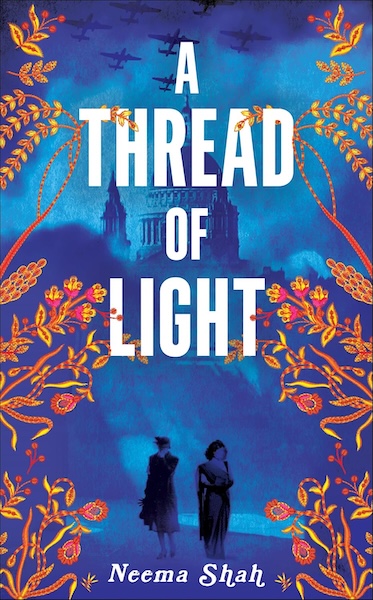
A Thread of Light
London, 1941. As German bombers descend on the city, two women find themselves caught in a different struggle: the fight for Indian independence from British rule.
Ruby, a lonely air raid warden, becomes involved with the India Forum, a group campaigning for India’s freedom. She has her own reasons for joining the movement, but her growing attraction to Satyajit, a charismatic and potentially dangerous freedom fighter, forces her to question her loyalties. Meanwhile, Kitty, an Indian lawyer who has left her family in Bombay to build a life in Britain with the man she loves, risks everything to help Indian men challenge wartime conscription.
As their lives intersect, political tensions, personal betrayals, and the threat of violence push both women towards decisions that could change their futures forever.
Set against the Blitz and India’s independence movement, A Thread of Light uncovers a lesser-known chapter of British wartime history. Through its intertwined stories of love, sacrifice, and resistance, the novel explores the complicated relationship between colonial power and freedom, asking what people are willing to risk for their beliefs and the people they love.
India
United Kingdom
2025
5
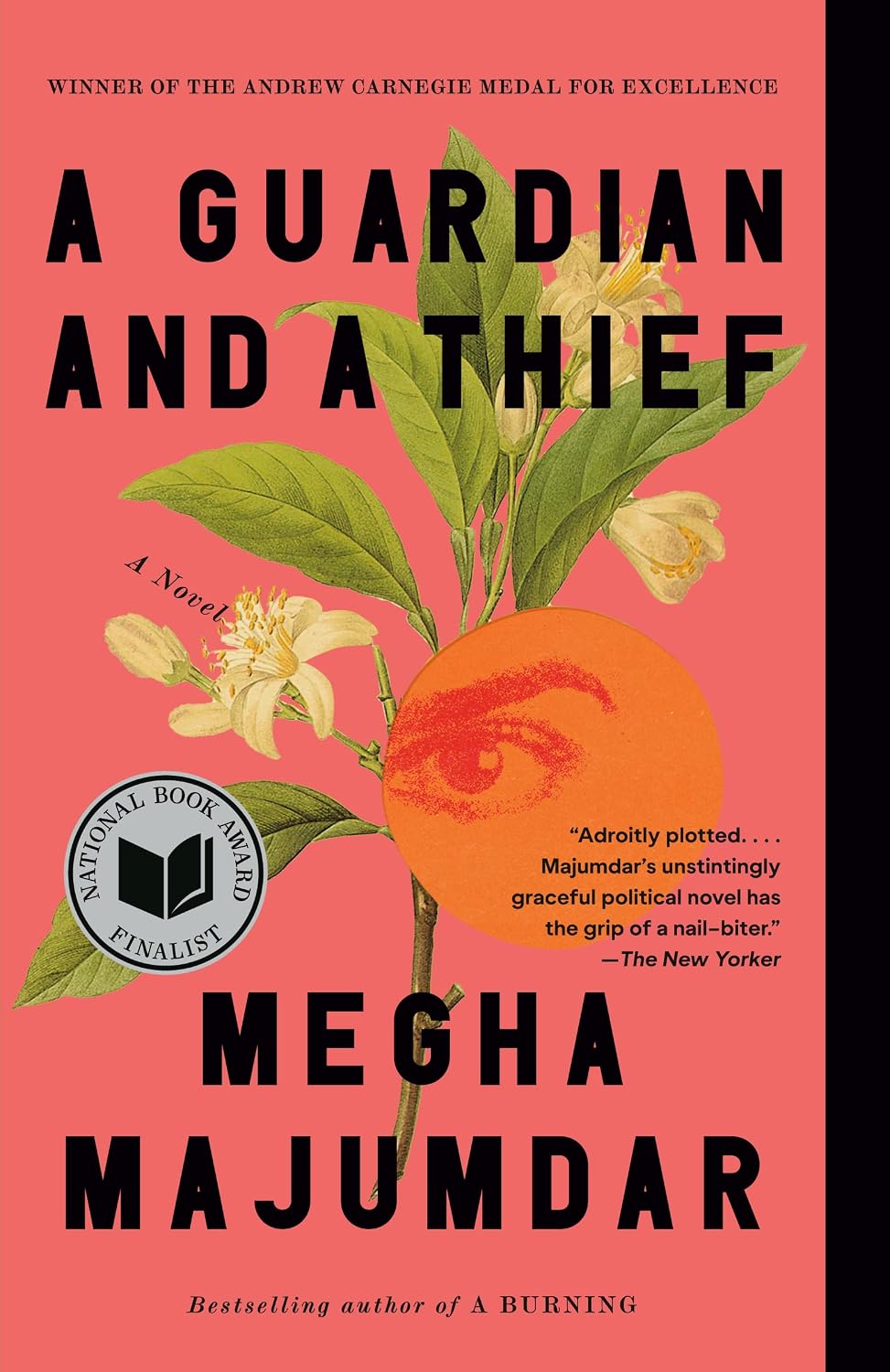
Guardian and a Thief
Set in a near-future Kolkata devastated by extreme heat and environmental crisis, A Guardian and a Thief follows two families whose lives become entangled through desperation and difficult moral choices. Ma, a mother determined to secure a future for her young daughter and elderly father, is preparing to leave India for the United States. Her plans are threatened when a young thief steals the documents her family needs to emigrate. The thief, meanwhile, is struggling to feed his own child in a city where poverty and climate catastrophe have made survival increasingly difficult. As their stories unfold over a single week, Majumdar explores the boundaries between right and wrong when people are pushed to desperate extremes. The novel examines inequality, parenthood, migration, and the moral compromises people make when protecting their families becomes a matter of survival.
India
2025
6
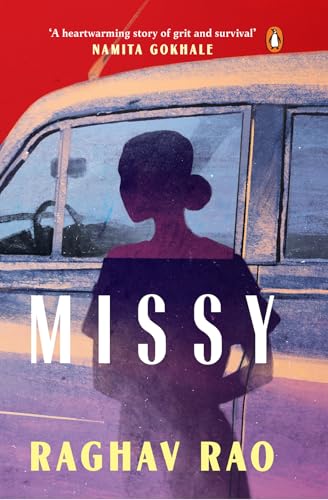
Missy
Madras, India, 1974. Seventeen-year-old Savi has grown up in St Ursula’s convent, where orphaned girls are expected to become nuns or domestic servants. Intelligent and gifted with languages, she dreams of a different future. When she becomes a governess for the wealthy Nandiyar family, she encounters a world of privilege and possibility—and falls in love with Ananda, a young apprentice sculptor. But a night of horrific violence forces them to flee India and begin new lives under different identities.
Four decades later, Savi has reinvented herself as Missy, a successful driving school owner in Chicago and a respected member of the South Asian community. A devoted mother to her two daughters, Mansi and Shilpa, she appears to have achieved the American dream. However, when a charming young doctor named Varun enters their lives, secrets from her past threaten to unravel everything she has built. Spanning continents and generations, Missy explores migration, reinvention, family loyalty, and the lasting consequences of the choices people make to survive.
India
2024
7
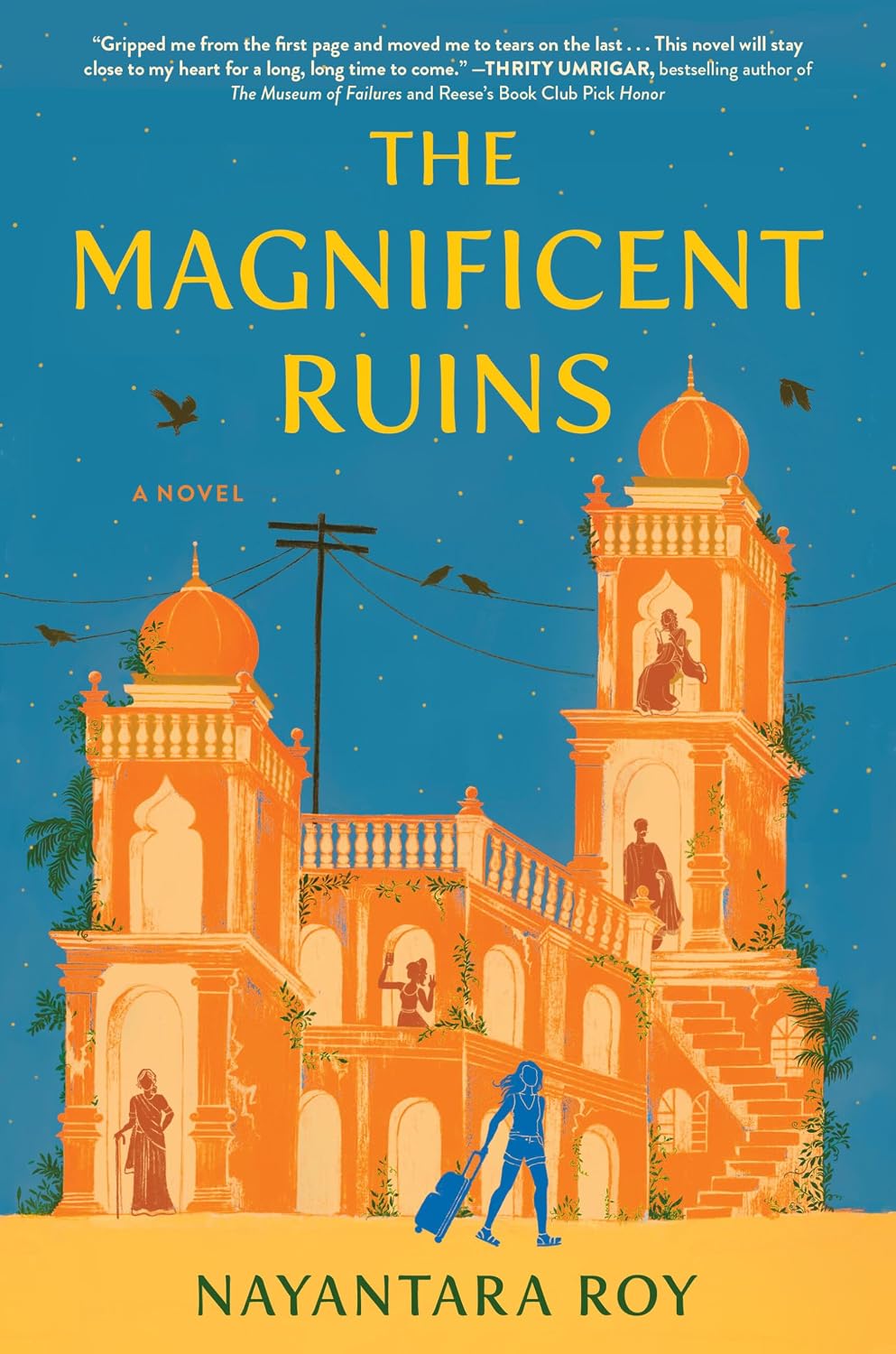
Magnificent Ruins
The Magnificent Ruins follows Lila De, an Indian American book editor whose career is gaining momentum when she learns that she has inherited her family’s sprawling ancestral home in Kolkata. Having been estranged from her relatives for sixteen years, Lila returns to India to confront a past she deliberately left behind. Her arrival unsettles the extended family members who still occupy the house, many of whom resent her unexpected inheritance. As old relationships resurface and family secrets begin to emerge, Lila finds herself caught between the life she has built in the United States and the complicated history connecting her to Kolkata. Roy explores inheritance in both its material and emotional forms, examining how family loyalties, unresolved grievances, and cultural expectations influence the search for belonging. The novel considers whether confronting the past can help individuals understand the people they have become.
India
2024
8
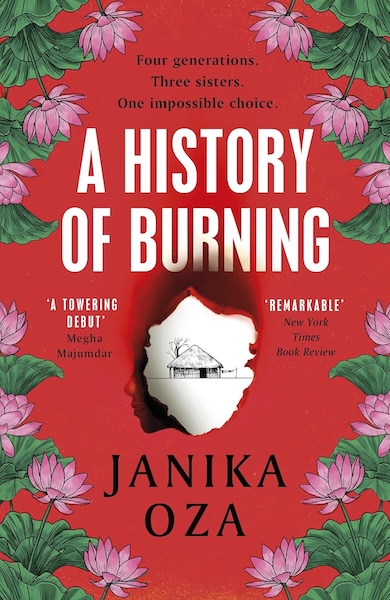
A History of Burning
In 1898, thirteen-year-old Pirbhai leaves his village in India, lured by the promise of work in East Africa. Instead, he is forced into labour on the British railway, where a desperate act committed in the name of survival becomes a secret that will haunt his descendants for generations.
Years later, Pirbhai builds a family with Sonal in Uganda. Their children and grandchildren grow up amid the final years of British colonial rule, the country’s struggle for independence, and the political turmoil that follows. Among the next generation are three sisters, each with her own ambitions and understanding of what it means to belong. When Idi Amin orders Uganda’s Asian population to leave in 1972, the family is scattered across continents, carrying with them the memories, silences, and secrets of their past.
Spanning more than a century and moving between India, East Africa, and Canada, A History of Burning traces how one act of survival reverberates through generations. Janika Oza weaves together colonial exploitation, political upheaval, family loyalty, and the search for home in an intimate multigenerational saga about the stories families preserve—and those they struggle to forget.
Uganda
India
Canada
2023
9
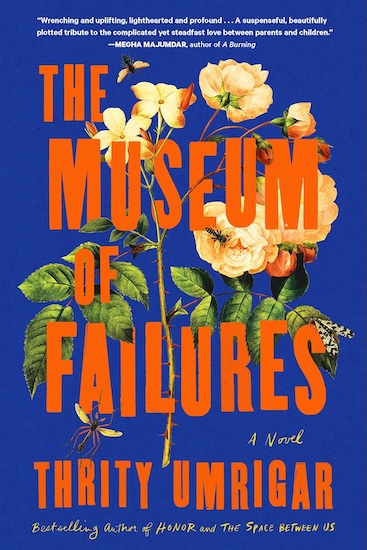
The Museum of Failures
Remy Wadia returns to Bombay from his home in America after learning that his elderly mother has fallen seriously ill. Estranged from his parents for years, he arrives with complicated feelings about his childhood, his family’s secrets, and the emotional distance that has defined their relationship. His mother survives, but the visit forces Remy to confront painful memories and reconsider the stories he has told himself about his past. As he reconnects with his family and the city he once called home, he begins uncovering truths that challenge his understanding of his parents and himself. Set against the vibrant, contradictory landscape of contemporary Mumbai, The Museum of Failures explores immigration, cultural identity, parental love, and the possibility of forgiveness. Through Remy’s journey, Umrigar asks whether understanding the people who have hurt us can help us make peace with the past and find a way forward.
India
2023
10
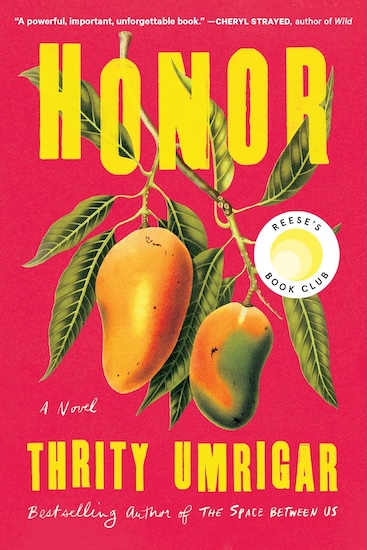
Honor
Indian American journalist Smita returns to India to report on a disturbing case involving Meena, a Hindu woman who has been brutally attacked by her own family for marrying Abdul, a Muslim man. As Smita investigates the violence committed in the name of family honour, she encounters a society where religious divisions, patriarchal traditions, and social expectations can override individual freedom. While trying to help Meena, Smita also confronts painful memories of her own past and develops an unexpected connection with Mohan, an Indian man whose presence challenges her carefully constructed emotional distance. Through the intersecting lives of these women, Thrity Umrigar explores the cost of defying tradition, the meaning of belonging, and the courage required to live according to one’s convictions. Honor is a moving novel about love, religious intolerance, and the struggle for women’s autonomy in a deeply divided society.
India
2022
11
A Burning
In A Burning, Megha Majumdar tells the story of three people whose lives become entangled after a terrorist attack on a train in India. Jivan, a young Muslim woman from a poor neighborhood, is arrested after posting a critical comment about the government’s response to the tragedy. As she awaits trial, two people who could help her pursue their own ambitions: Lovely, a hijra and aspiring actress who once received kindness from Jivan, and PT Sir, her former physical education teacher, who becomes involved in politics. As the legal system fails Jivan, the others face choices that reveal the costs of ambition, social conformity, and self-preservation. Through these intersecting lives, Majumdar examines religious discrimination, corruption, class inequality, and the fragility of justice in contemporary India. The novel offers a tense and compelling portrait of how political power and public opinion can determine the fate of vulnerable individuals.
India
2020
12
The Namesake
The Namesake follows the Ganguli family as they move from Calcutta to the United States in search of a new life. Their son, Gogol, grows up caught between his Bengali heritage and the American culture in which he was raised. Named after the Russian writer Nikolai Gogol for personal reasons connected to his father’s past, he comes to resent the unusual name that distinguishes him from his peers. As he grows older, Gogol struggles with romantic relationships, family expectations, and the challenge of defining himself independently of his parents’ experiences. Following the family’s journey across several decades, Lahiri explores migration, cultural adaptation, and the complicated relationship between parents and children. The novel examines how names, memories, and inherited traditions shape identity, revealing that belonging is rarely a simple choice between two cultures.
India
2019