Literary Fiction
All countries
Afghanistan
Algeria
Antigua and Barbuda
Argentina
Australia
Austria
Azerbaijan
Bangladesh
Barbados
Belgium
Benin
Bosnia and Herzegovina
Brazil
Bulgaria
Burkina Faso
Burundi
Cabo Verde
Canada
Central African Republic
Chile
China
Colombia
Congo, Democratic Republic
Costa Rica
Côte d’Ivoire (Ivory Coast)
Croatia
Cyprus
Czech Republic
Denmark
Dominica
Dominican Republic
Egypt
El Salvador
Estonia
Ethiopia
France
Germany
Ghana
Greece
Hungary
Iceland
India
Iran
Iraq
Ireland
Italy
Jamaica
Japan
Jordan
Kazakhstan
Kenya
Kuwait
Latvia
Lebanon
Libya
Lithuania
Madagascar
Mexico
Moldova
Morocco
Myanmar
Netherlands
New Zealand
Nigeria
North Korea
North Macedonia
Norway
Oman
Pakistan
Palestine
Philippines
Poland
Portugal
Puerto Rico
Russia
Rwanda
Saint Kitts and Nevis
Saudi Arabia
Senegal
Singapore
South Korea
Spain
Sri Lanka
Sudan
Sweden
Switzerland
Syria
Taiwan
Tanzania
Thailand
Türkiye
Uganda
United Arab Emirates
United Kingdom
United States
Uzbekistan
Vietnam
Zambia
1
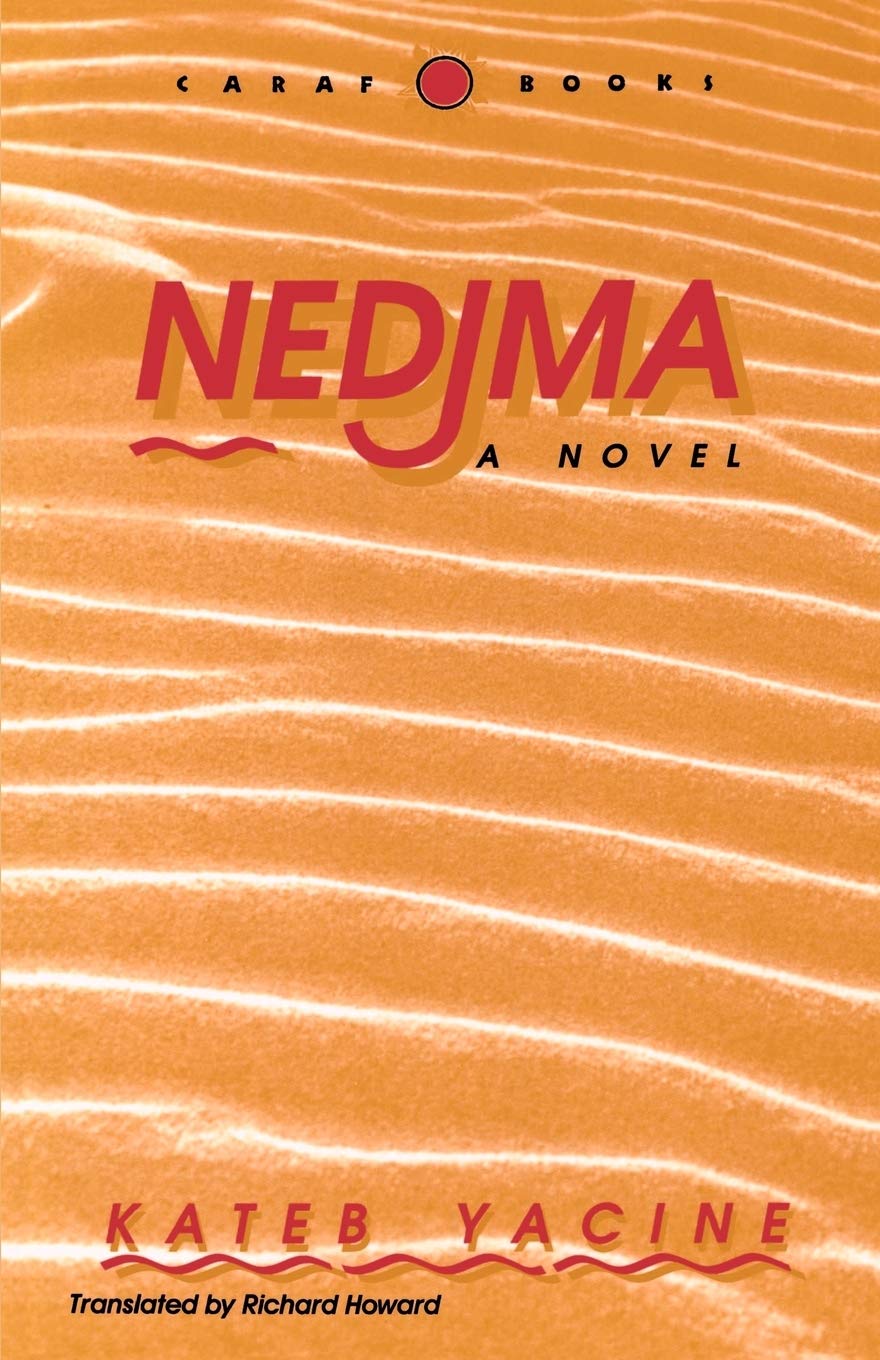
Nedjma
Nedjma follows four young Algerian men—Lakhdar, Mustapha, Mourad, and Rachid—whose lives become intertwined through friendship, desire, and their shared experience of growing up under French colonial rule. At the centre of their stories is Nedjma, a mysterious and captivating woman whose identity and origins reflect the complex history of Algeria itself. Each man is drawn to her, but she remains elusive, embodying both personal longing and a deeper attachment to a homeland whose past has been shaped by conquest and cultural displacement.
Rather than following a linear narrative, Kateb Yacine moves between memories, shifting perspectives, and fragmented episodes, mirroring the instability of a society struggling to define itself. Family histories, colonial violence, and personal relationships intertwine as the characters search for meaning and belonging. Through this experimental structure, the novel explores national identity, memory, resistance, and the psychological consequences of colonialism. Widely regarded as a landmark of modern Algerian literature, Nedjma captures the uncertainty and urgency of a generation searching for its place in a changing world.
Algeria
1956
2
Tongue's Blood Does Not Run Dry
Tongue’s Blood Does Not Run Dry is a novel by Algerian writer Assia Djebar that explores women’s lives, resistance, and the struggle for freedom in a society shaped by colonial history and patriarchal traditions. Through interwoven voices and personal testimonies, Djebar portrays women confronting restrictions on their independence, struggling to express their experiences, and seeking to reclaim control over their own stories. The novel reflects the lasting consequences of Algeria’s colonial past and the ways political oppression intersects with the silencing of women. Language becomes a central concern: speaking, remembering, and bearing witness are acts of defiance against forces that seek to erase individual experiences. Combining lyrical writing with a collective perspective, Djebar challenges conventional historical narratives that marginalise women’s contributions and suffering. The work highlights the connection between personal freedom and collective liberation, showing how women’s voices preserve memories that might otherwise disappear from history.
Algeria
1984
3
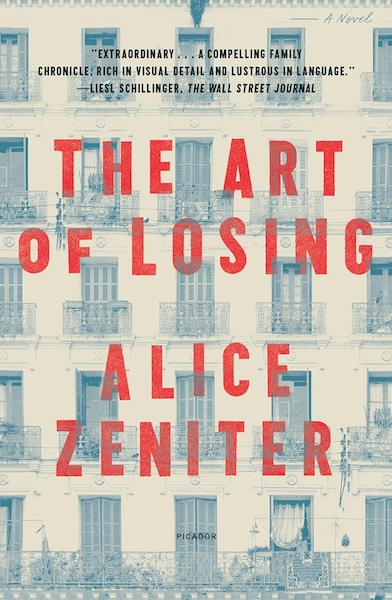
Art of Losing
Some families inherit houses, photographs, and heirlooms. Others inherit silences.
When Naïma, a young French woman of Algerian descent, begins exploring her family history, she discovers how little she knows about the country her grandparents left behind. Her grandfather, Ali, once owned land in Algeria but fled to France after the Algerian War of Independence. Her father, Hamid, grew up determined to become French, leaving painful memories and unanswered questions buried in the past.
Spanning three generations and seven decades, The Art of Losing follows a family shaped by colonialism, displacement, and the struggle to belong. As Naïma begins uncovering the truth about her ancestors, she must confront a history that is both deeply personal and politically complicated. What does it mean to inherit a past you never experienced? And can you claim an identity when the stories that might explain it have been lost?
Moving between Algeria and France, Alice Zeniter explores the invisible burdens passed from parents to children: the languages forgotten, the memories suppressed, and the connections that survive despite distance. Winner of the 2022 International Dublin Literary Award, this sweeping family saga is a powerful meditation on exile, belonging, and the stories we need to understand ourselves.
Algeria
France
2017
4
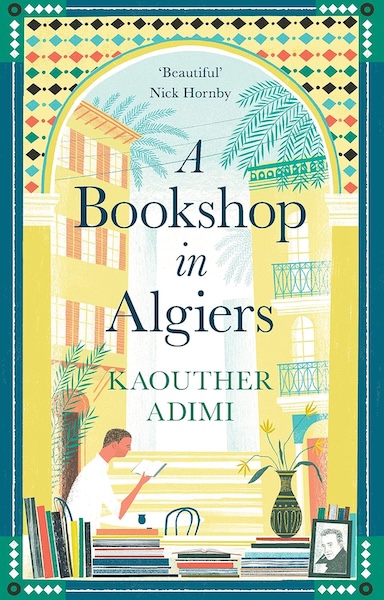
A Bookshop in Algiers
Can a small bookshop preserve the soul of a city through war, revolution, and the passing of generations?
In 1936, twenty-year-old Edmond Charlot opens a bookshop in Algiers with an ambitious dream: to create a home for writers and readers from across the Mediterranean. His little shop, Les Vraies Richesses (“Our True Riches”), becomes a cultural refuge, publishing emerging writers—including a young Albert Camus—while Algeria undergoes profound political and social change.
Decades later, the shop faces a very different future. Ryad, a young man with little interest in literature, arrives to empty its shelves before the premises are transformed into something else. But through the memories of its elderly guardian and the traces left by generations of readers, he begins to discover the extraordinary history contained within its walls.
Moving between past and present, Kaouther Adimi weaves together the story of a real literary landmark and the turbulent history of modern Algeria. A tender tribute to books, cultural memory, and the people who protect both, A Bookshop in Algiers asks what a community loses when it allows its literary heritage to disappear.
Algeria
2022