Literary Fiction
All countries
Afghanistan
Algeria
Antigua and Barbuda
Argentina
Australia
Austria
Azerbaijan
Bangladesh
Barbados
Belgium
Benin
Bosnia and Herzegovina
Brazil
Bulgaria
Burkina Faso
Burundi
Cabo Verde
Canada
Central African Republic
Chile
China
Colombia
Congo, Democratic Republic
Costa Rica
Côte d’Ivoire (Ivory Coast)
Croatia
Cyprus
Czech Republic
Denmark
Dominica
Dominican Republic
Egypt
El Salvador
Estonia
Ethiopia
France
Germany
Ghana
Greece
Hungary
Iceland
India
Iran
Iraq
Ireland
Italy
Jamaica
Japan
Jordan
Kazakhstan
Kenya
Kuwait
Latvia
Lebanon
Libya
Lithuania
Madagascar
Mexico
Moldova
Morocco
Myanmar
Netherlands
New Zealand
Nigeria
North Korea
North Macedonia
Norway
Oman
Pakistan
Palestine
Philippines
Poland
Portugal
Puerto Rico
Russia
Rwanda
Saint Kitts and Nevis
Saudi Arabia
Senegal
Singapore
South Korea
Spain
Sri Lanka
Sudan
Sweden
Switzerland
Syria
Taiwan
Tanzania
Thailand
Türkiye
Uganda
United Arab Emirates
United Kingdom
United States
Uzbekistan
Vietnam
Zambia
1
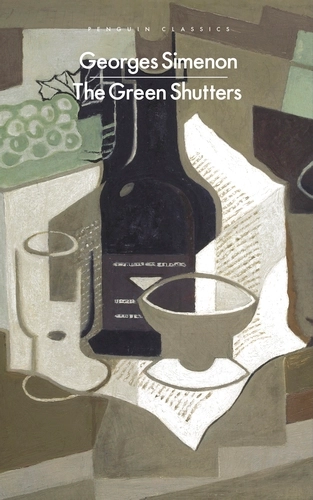
The Green Shutters
What remains of a man when fame, success, and the fearsome reputation he has built can no longer protect him from himself? Émile Maugin is a celebrated French actor who has spent his life commanding attention, intimidating those around him, and escaping his troubles through alcohol. But shortly before his sixtieth birthday, a devastating medical diagnosis forces him to confront his mortality. As memories of his impoverished childhood, failed relationships, and estranged son resurface, Maugin begins to question the life he has constructed. Beneath his arrogance lies a man haunted by a longing for something he has never truly possessed: the security and warmth of an ordinary family home. With Simenon’s characteristic psychological insight, this haunting novel explores the loneliness behind celebrity, the wounds inherited from childhood, and the painful distance between the person we present to the world and the person we really are.
Belgium
1950
2
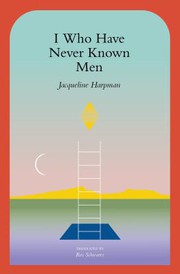
I Who Have Never Known Men
I Who Have Never Known Men follows an unnamed young woman imprisoned underground with thirty-nine other women. Guarded by silent male soldiers, the women live in a confined space, deprived of privacy, freedom, and meaningful knowledge of the outside world. Unlike her fellow prisoners, who remember their lives before captivity, the narrator has no memories of the world beyond the prison and has never experienced ordinary human relationships.
When an unexpected event allows the women to escape, they emerge into an unfamiliar landscape that appears almost entirely devoid of human life. Forced to survive together, they search for answers about their captivity and the fate of humanity, but the world offers few explanations. As time passes, the narrator struggles to understand concepts such as love, sexuality, memory, and death without having experienced them in the ways others have.
Blending dystopian fiction with philosophical reflection, Harpman’s novel explores freedom, loneliness, human nature, and what it means to be human when society and its inherited knowledge have disappeared.
Belgium
2022
3
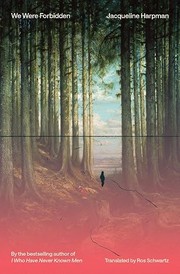
We Were Forbidden
We Were Forbidden is a collection of three previously untranslated stories exploring defiance, oppression, and the struggle for personal freedom. In The Ardennes Forest, a woman and her fellow survivors wander through a mysterious woodland after an unexplained war, forbidden from leaving its boundaries or stopping their endless march. In The Outcast, a teenage girl attending a French school in 1940s Casablanca is punished for questioning the beliefs and political ideas she is expected to accept. In The Broom Cupboard, a young woman trapped in a loveless marriage begins to question the expectations governing her intimate life and imagine alternatives to her circumstances.
Although the stories unfold in very different settings, each portrays a woman confronting rules imposed by external authorities or social conventions. Through unsettling scenarios, psychological insight, and understated prose, Harpman examines how obedience becomes ingrained and how individuals begin to resist it. The collection explores the tension between conformity and independence, revealing the quiet but powerful ways people challenge the boundaries placed around their lives.
Belgium
2026