Historical Fiction
All countries
Afghanistan
Albania
Algeria
Angola
Antigua and Barbuda
Argentina
Armenia
Australia
Austria
Azerbaijan
Bangladesh
Barbados
Belize
Benin
Bosnia and Herzegovina
Brazil
Bulgaria
Burundi
Canada
Chile
China
Congo, Democratic Republic
Côte d’Ivoire (Ivory Coast)
Croatia
Cuba
Cyprus
Denmark
Djibouti
Dominica
Dominican Republic
Egypt
El Salvador
Ethiopia
Fiji
France
Georgia
Germany
Ghana
Greece
Guatemala
Hungary
Iceland
India
Indonesia
Iran
Iraq
Ireland
Italy
Jamaica
Japan
Kazakhstan
Kenya
Kuwait
Latvia
Lebanon
Libya
Madagascar
Malaysia
Mexico
Moldova
Morocco
Myanmar
Netherlands
Nigeria
North Korea
Oman
Pakistan
Palestine
Philippines
Poland
Portugal
Puerto Rico
Romania
Rwanda
Saudi Arabia
Senegal
Singapore
Slovenia
South Africa
South Korea
Spain
Sri Lanka
Sudan
Sweden
Switzerland
Syria
Taiwan
Tanzania
Thailand
Türkiye
Turkmenistan
Uganda
Ukraine
United Arab Emirates
United Kingdom
United States
Uruguay
Uzbekistan
Vietnam
Yemen
Zambia
Zimbabwe
1
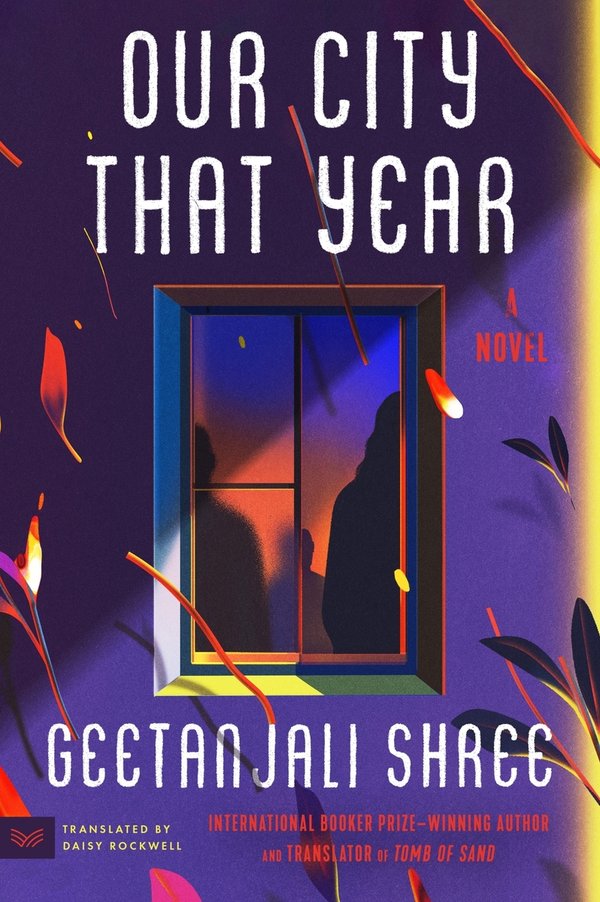
Our City That Year
An Indian city descends into communal violence, and the boundaries between neighbours, friends, and enemies begin to collapse. As religious extremism spreads and fear silences public life, three intellectuals struggle to make sense of the unfolding catastrophe. Shruti, a writer, finds herself unable to put the horrors into words; Hanif, an academic whose secular beliefs isolate him, watches his world shrink; and Sharad confronts the growing distance between himself and his childhood friend. Meanwhile, an unnamed narrator attempts to record what others might prefer to forget. Inspired by the political and social tensions surrounding the destruction of the Babri Mosque in 1992, Our City That Year is a haunting exploration of religious nationalism, fractured communities, and the responsibility of bearing witness when silence becomes complicity.
India
1998
2
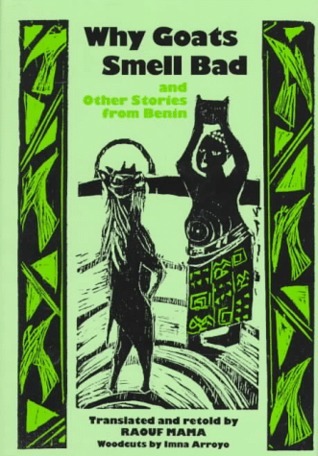
Why Goats Smell Bad and Other Stories
Why Goats Smell Bad and Other Stories from Benin is a collection of traditional folktales from the Fon people of Benin, adapted and translated by storyteller and scholar Raouf Mama. Drawing on West Africa’s rich oral storytelling traditions, the collection features tales of orphans, magical twins, kings and queens, spirits, talking animals, farmers, and clever tricksters.
Through imaginative adventures, unexpected transformations, and humorous encounters, the stories explore human behaviour and the consequences of greed, jealousy, pride, and dishonesty. Some resemble familiar folktales from other parts of the world, while others offer distinctive insights into Fon cultural beliefs, customs, and values. Mama also provides notes explaining cultural details and the adaptations made to the original oral narratives.
By preserving stories passed down through generations, the collection celebrates Benin’s cultural heritage and demonstrates how traditional tales can communicate moral lessons, explain the natural world, and illuminate the complexities of human relationships.
Benin
1998
3
Like a Sword Wound
Like a Sword Wound opens Ahmet Altan’s Ottoman Quartet, a historical series exploring the final decades of the Ottoman Empire and the emergence of modern Turkey. Set against political upheaval and the decline of imperial authority, the novel follows a cast of characters whose personal desires conflict with the traditions and expectations of their society. Among them are an Ottoman army officer, members of the royal household, and a Turkish aristocrat whose attraction to a conservative religious leader challenges her independent life in Paris. Their relationships unfold amid betrayal, shifting loyalties, and the growing influence of Western ideas. Altan combines historical drama with intimate explorations of love, sexuality, and power, revealing how political transformation changes both public institutions and private relationships. The novel examines the tension between modernity and tradition in a society struggling to determine its future.
Türkiye
1998
4
Gate of the Sun
Gate of the Sun is an epic novel that explores the Palestinian experience of displacement through the intertwined stories of refugees who fled their villages during the creation of Israel in 1948. Set primarily in a makeshift hospital in a Palestinian refugee camp near Beirut, the novel follows Khalil, a young man who cares for his mentor, Yunes, an ageing resistance fighter lying in a coma. As Khalil speaks to Yunes, he recounts stories of love, loss, resistance, and survival, attempting to keep his mentor alive through memory and storytelling.
At the heart of the narrative is Yunes’s relationship with Nahila, his wife, whom he secretly visits across the border in a cave known as the Gate of the Sun. Their story becomes a symbol of the enduring connection between Palestinians and their lost homeland. Through fragmented memories and multiple voices, Elias Khoury examines exile, identity, political struggle, and the power of storytelling to preserve a history threatened with erasure. Both intimate and sweeping, the novel portrays the human cost of dispossession while exploring how personal memories become part of a people’s collective history.
Lebanon
1998
5
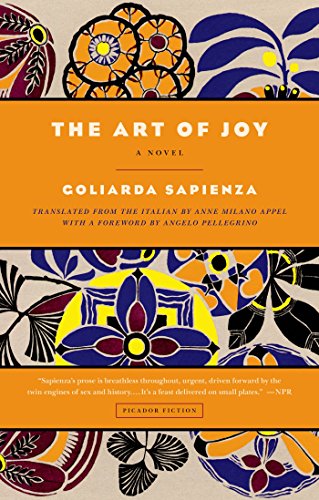
Art of Joy
The Art of Joy follows Modesta, a fiercely independent woman born into poverty in Sicily on New Year’s Day 1900. After a difficult childhood marked by family tragedy, she finds refuge in a convent, but her intelligence, ambition, and refusal to accept the limits imposed on women lead her toward a very different life. Through determination and cunning, Modesta rises into aristocratic society, building relationships and pursuing intellectual, emotional, and sexual freedom on her own terms.
Spanning much of the twentieth century, the novel follows Modesta through personal transformations and the political upheavals of modern Italian history. Goliarda Sapienza challenges conventional ideas about morality, religion, marriage, and femininity, presenting a protagonist who refuses to be defined by society’s expectations. Bold, sensual, and politically provocative, the novel celebrates the pursuit of pleasure and self-determination while examining the contradictions involved in living freely in an unequal world.
Italy
1998
6
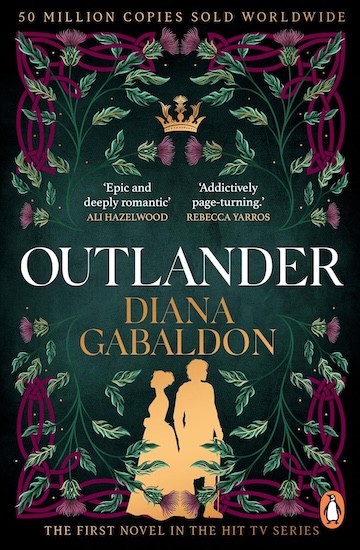
Outlander
Outlander follows Claire Randall, a former Second World War nurse who, while visiting the Scottish Highlands in 1945, mysteriously travels back in time to 1743. Stranded in a world of political unrest and clan rivalries, Claire must navigate unfamiliar customs and dangerous circumstances while searching for a way to return to her own time. She becomes entangled with Jamie Fraser, a young Scottish warrior whose courage and compassion challenge her loyalties and transform her life. As their relationship deepens, Claire faces an impossible choice between the husband she left behind in the twentieth century and the love she discovers in the past. Blending historical fiction, romance, adventure, and time travel, Gabaldon explores love, loyalty, survival, and the ways personal choices become intertwined with the course of history.
United States
1998
7
The Map of Love
The Map of Love weaves together two love stories separated by a century, exploring the connections between personal relationships and political history in Egypt. In 1997, American journalist Isabel Parkman travels to Egypt with a mysterious collection of letters, diaries, and photographs belonging to her great-grandmother, Anna Winterbourne. The documents reveal Anna’s journey to Egypt in 1900, where she falls in love with Sharif al-Baroudi, an Egyptian nationalist and aristocrat. As Isabel and her Egyptian-American lover, Omar, investigate their ancestors’ story, they uncover a history shaped by British colonial rule, cultural misunderstandings, and the struggle for Egyptian independence. Moving between past and present, Ahdaf Soueif explores love across cultural boundaries, the legacy of colonialism, and the complexities of identity and belonging. The novel reveals how intimate relationships can illuminate the broader forces that shape nations and generations.
Egypt
1999
8
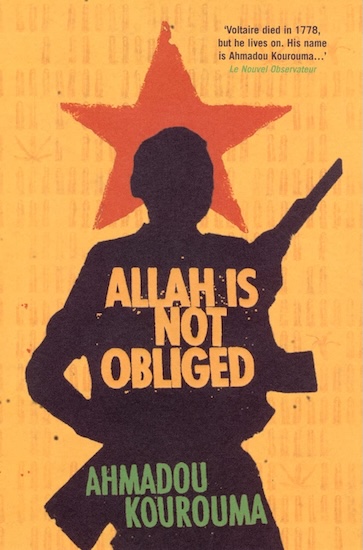
Allah Is Not Obliged
In Allah Is Not Obliged, Ahmadou Kourouma tells the harrowing story of Birahima, an orphaned boy from Côte d’Ivoire who becomes a child soldier during the civil wars that devastated Liberia and Sierra Leone. After his mother dies, Birahima sets out with Yacouba, a cunning sorcerer and confidence trickster, to find his aunt. Their journey takes a terrifying turn when they encounter armed rebel groups, and Birahima is forced into a world of violence, exploitation, and survival.
Narrated in the boy’s blunt, irreverent voice, the novel combines brutal scenes of war with dark humour and sharp satire. Birahima tries to make sense of the chaos around him using street slang, African expressions, and definitions borrowed from dictionaries, exposing the absurdity of the adult world that has stolen his childhood. Through his experiences, Kourouma examines the devastating consequences of civil war, the recruitment of children into armed groups, and the corruption and political struggles that allow such violence to continue. Despite its grim subject, the novel’s dark comedy makes its critique of war and human cruelty especially powerful.
Côte d’Ivoire (Ivory Coast)
2000
9
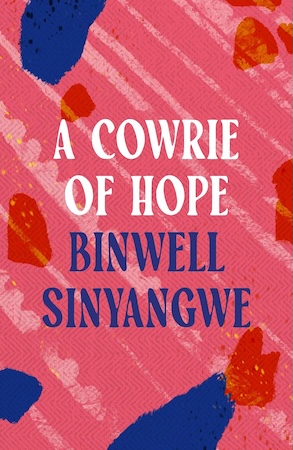
A Cowrie of Hope
Set in Zambia during the economic hardships of the 1990s, A Cowrie of Hope follows Nasula, a young widow determined to secure a better future for her daughter, Sula. After her husband’s death, Nasula refuses to accept the traditional expectation that she should marry her brother-in-law. Her independence comes at a terrible cost: her in-laws strip her of her possessions, leaving her struggling to survive in an impoverished rural community. Yet Nasula has a clear purpose. She believes that education will give Sula the opportunity to escape poverty and build a life free from the restrictions that have shaped her own. When she discovers that she cannot afford her daughter’s school fees, she travels to Lusaka to sell her last sack of valuable beans. In the city, however, she encounters exploitation and dangers that threaten everything she has worked for. Through Nasula’s determination, Sinyangwe portrays a woman’s struggle against poverty, patriarchy, and social injustice. Tender yet unflinching, the novel celebrates maternal love, female solidarity, and the courage required to imagine a different future.
Zambia
2000
10
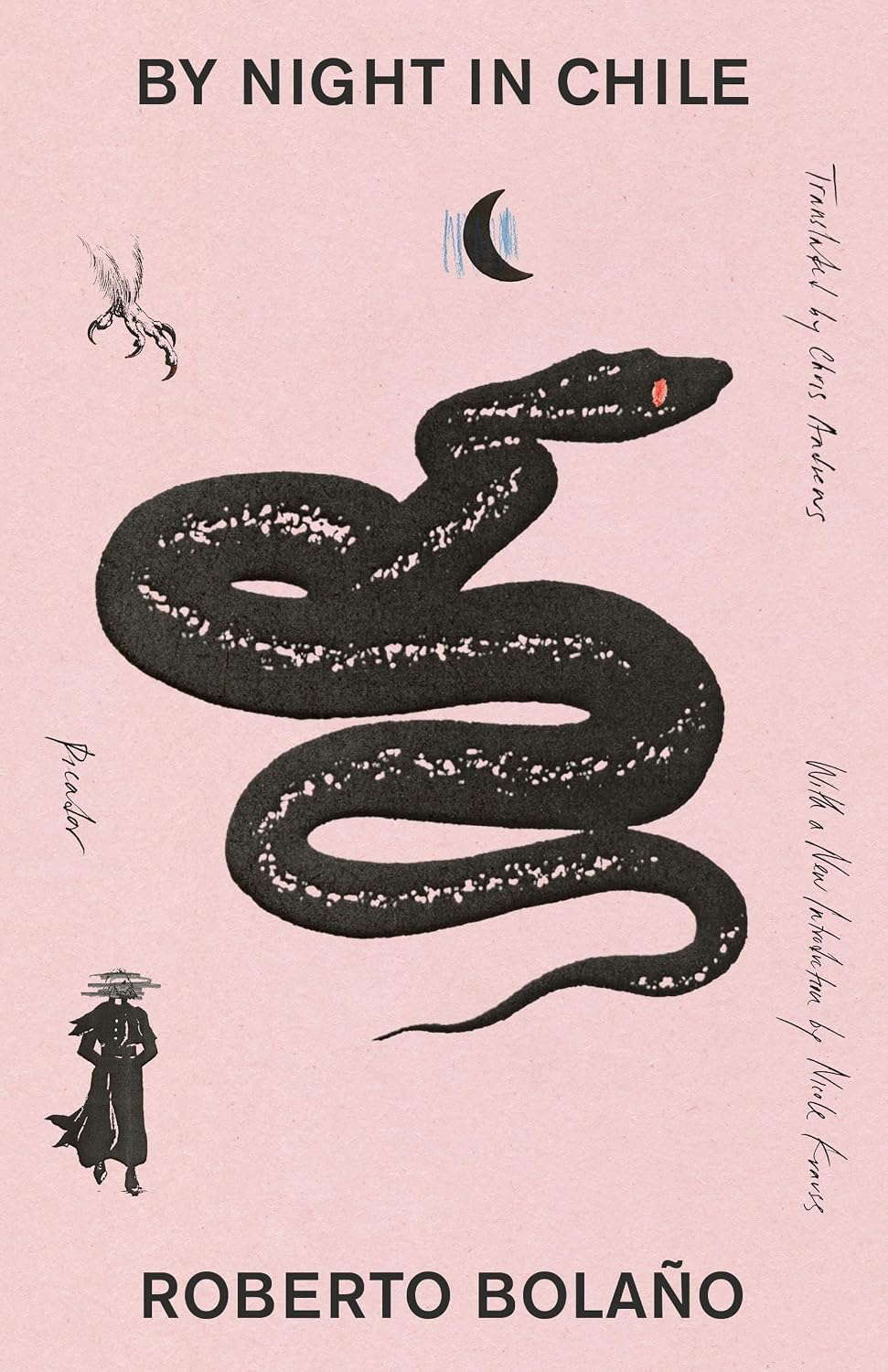
By Night in Chile
By Night in Chile is narrated by Father Sebastián Urrutia Lacroix, a Chilean priest, literary critic, and member of the country’s intellectual establishment. As he lies dying, he reflects on his life, defending his decisions and attempting to reconcile his cultural ambitions with the political realities of Chile under Augusto Pinochet’s dictatorship. His memories reveal disturbing connections between literary circles, religious institutions, and the machinery of political repression. Bolaño uses a single, breathless monologue to expose the compromises and silences of people who preserve their social standing while injustice unfolds around them. Blurring the boundaries between confession, satire, and historical testimony, the novella examines complicity, moral cowardice, and the responsibility of intellectuals when faced with authoritarian power.
Chile
2000
11
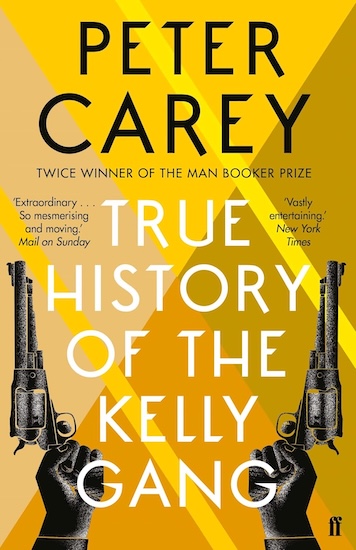
True History of the Kelly Gang
In True History of the Kelly Gang, Australian novelist Peter Carey reimagines the life of Ned Kelly, one of Australia’s most notorious historical outlaws, through a fictional autobiography written in Kelly’s own voice. Growing up in colonial Victoria during the nineteenth century, Ned experiences poverty, discrimination, and repeated confrontations with the authorities. His Irish family is treated with suspicion by the British colonial establishment, and his early encounters with the police help shape his growing resentment of a system he sees as unjust.
As Ned becomes a bushranger, he transforms from a struggling young man into a legendary outlaw whose exploits divide public opinion. To the authorities, he is a dangerous criminal; to some members of the impoverished colonial population, he represents resistance to oppression. Writing his account for the daughter he hopes will one day understand him, Ned attempts to reclaim his story from those who would define him as a villain.
Blending historical events with imaginative storytelling, Carey explores the relationship between truth and myth, the legacy of colonialism, and the ways poverty and injustice can shape a person’s destiny. Written in a distinctive vernacular style, the novel challenges readers to question who has the power to tell history and whose voices are remembered.
Australia
2000
12
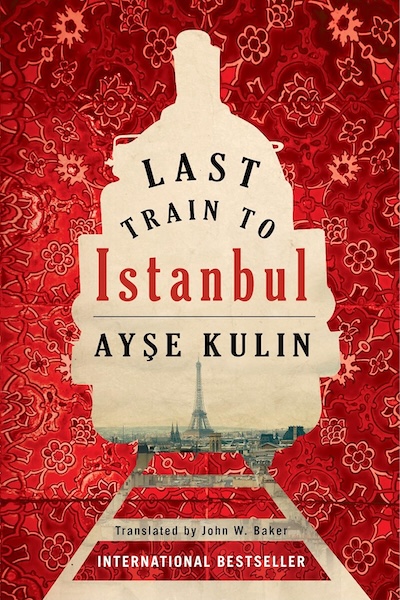
Last Train to Istanbul
As the Second World War threatens to engulf Europe, Selva, the daughter of a prominent Ottoman family, falls in love with Rafael Alfandari, a young Jewish man. Their relationship defies the expectations of both families, forcing them to leave Turkey and begin a new life together in France. But when the Nazis occupy the country, their happiness is overshadowed by the growing danger facing Jewish communities across Europe.
As persecution intensifies, Selva and Rafael find themselves trapped in a hostile world where their love and their young family may not be enough to keep them safe. Meanwhile, Turkish diplomats work behind the scenes to rescue Jewish people stranded in occupied Europe, arranging a perilous journey towards freedom. With time running out, the fate of Selva and Rafael becomes intertwined with the courage of those willing to risk their lives to save strangers.
Moving between Ankara, Istanbul, Paris, and other wartime cities, Last Train to Istanbul combines an intimate family story with a little-known chapter of Holocaust history. Inspired by accounts of Turkish diplomats who helped rescue Jews during the war, the novel explores love across cultural boundaries, moral courage, and the extraordinary acts of humanity that can emerge in the darkest times.
Türkiye
France
2002