Historical Fiction
All countries
Afghanistan
Albania
Algeria
Angola
Antigua and Barbuda
Argentina
Armenia
Australia
Austria
Azerbaijan
Bangladesh
Barbados
Belize
Benin
Bosnia and Herzegovina
Brazil
Bulgaria
Burundi
Canada
Chile
China
Congo, Democratic Republic
Côte d’Ivoire (Ivory Coast)
Croatia
Cuba
Cyprus
Denmark
Djibouti
Dominica
Dominican Republic
Egypt
El Salvador
Ethiopia
Fiji
France
Georgia
Germany
Ghana
Greece
Guatemala
Hungary
Iceland
India
Indonesia
Iran
Iraq
Ireland
Italy
Jamaica
Japan
Kazakhstan
Kenya
Kuwait
Latvia
Lebanon
Libya
Madagascar
Malaysia
Mexico
Moldova
Morocco
Myanmar
Netherlands
Nigeria
North Korea
Oman
Pakistan
Palestine
Philippines
Poland
Portugal
Puerto Rico
Romania
Rwanda
Saudi Arabia
Senegal
Singapore
Slovenia
South Africa
South Korea
Spain
Sri Lanka
Sudan
Sweden
Switzerland
Syria
Taiwan
Tanzania
Thailand
Türkiye
Turkmenistan
Uganda
Ukraine
United Arab Emirates
United Kingdom
United States
Uruguay
Uzbekistan
Vietnam
Yemen
Zambia
Zimbabwe
1
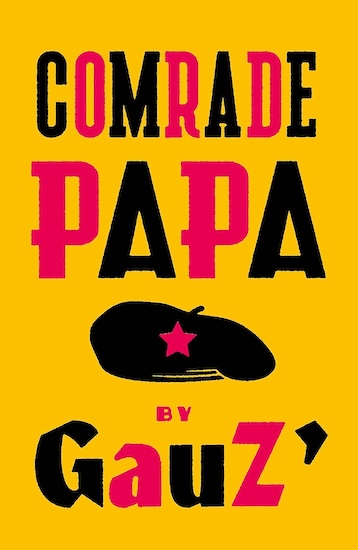
Comrade Papa
In Comrade Papa, Ivorian writer Gauz’ weaves together two stories separated by a century to examine colonialism, political ideology, and the complicated connections between Africa and Europe.
In 1880, Maxime Dabilly, a young Frenchman grieving the deaths of his parents, leaves France in search of adventure and joins a colonial expedition into Côte d’Ivoire. As he travels deeper into African territory, he becomes involved in the establishment of French trading routes and encounters the people whose lives and lands are about to be transformed by European expansion.
Nearly a century later, Anouman, a Black boy growing up in Amsterdam in a family of committed communists, is raised by a father who teaches him to oppose capitalism and imperialism. When family circumstances bring him to Côte d’Ivoire to live with his grandmother, he begins discovering his African heritage and unexpected connections to the past.
Through these parallel coming-of-age stories, Gauz’ uses irony, humour, and contrasting perspectives to challenge conventional narratives of colonial history. The novel explores how ideology shapes identity, how colonial power affects generations, and how personal histories can reveal the enduring consequences of imperialism.
Côte d’Ivoire (Ivory Coast)
2024
2
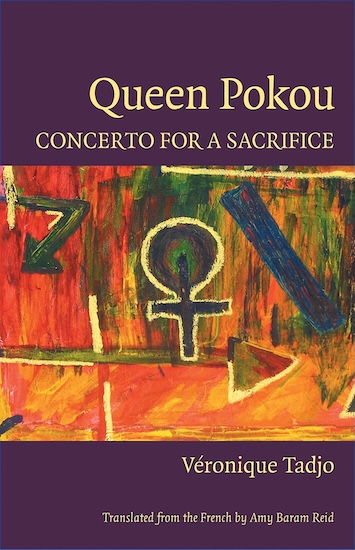
Queen Pokou
In Queen Pokou, Véronique Tadjo reimagines the legend of Queen Abraha Pokou, the eighteenth-century Akan leader traditionally credited with founding the Baoulé people of Côte d’Ivoire. According to the legend, as Pokou leads her people away from danger and across the Comoé River, she faces an impossible choice: sacrifice her only son to secure their passage and save her community. Her decision becomes a defining story of collective survival, maternal grief, and the origins of a people.
Rather than presenting the legend as one fixed historical truth, Tadjo retells it through multiple imagined possibilities. What if Pokou refused to sacrifice her child? What if grief destroyed her, or her journey led her towards a different fate? These alternative narratives challenge the authority of traditional stories and explore how myths are reshaped by the people who inherit them.
Moving between eighteenth-century West Africa and more recent conflicts across the continent, Tadjo connects the queen’s legendary sacrifice to the enduring consequences of war, displacement, and political violence. At its heart, the book asks what communities demand of their leaders—and what individuals must surrender for collective survival. It is both a reimagining of an important African legend and a reflection on motherhood, historical memory, and the human cost of founding a nation.
Côte d’Ivoire (Ivory Coast)
2009
3
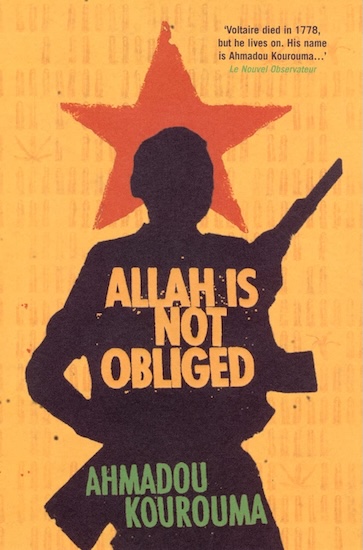
Allah Is Not Obliged
In Allah Is Not Obliged, Ahmadou Kourouma tells the harrowing story of Birahima, an orphaned boy from Côte d’Ivoire who becomes a child soldier during the civil wars that devastated Liberia and Sierra Leone. After his mother dies, Birahima sets out with Yacouba, a cunning sorcerer and confidence trickster, to find his aunt. Their journey takes a terrifying turn when they encounter armed rebel groups, and Birahima is forced into a world of violence, exploitation, and survival.
Narrated in the boy’s blunt, irreverent voice, the novel combines brutal scenes of war with dark humour and sharp satire. Birahima tries to make sense of the chaos around him using street slang, African expressions, and definitions borrowed from dictionaries, exposing the absurdity of the adult world that has stolen his childhood. Through his experiences, Kourouma examines the devastating consequences of civil war, the recruitment of children into armed groups, and the corruption and political struggles that allow such violence to continue. Despite its grim subject, the novel’s dark comedy makes its critique of war and human cruelty especially powerful.
Côte d’Ivoire (Ivory Coast)
2000