Historical Fiction
All countries
Afghanistan
Albania
Algeria
Angola
Antigua and Barbuda
Argentina
Armenia
Australia
Austria
Azerbaijan
Bangladesh
Barbados
Belize
Benin
Bosnia and Herzegovina
Brazil
Bulgaria
Burundi
Canada
Chile
China
Congo, Democratic Republic
Côte d’Ivoire (Ivory Coast)
Croatia
Cuba
Cyprus
Denmark
Djibouti
Dominica
Dominican Republic
Egypt
El Salvador
Ethiopia
Fiji
France
Georgia
Germany
Ghana
Greece
Guatemala
Hungary
Iceland
India
Indonesia
Iran
Iraq
Ireland
Italy
Jamaica
Japan
Kazakhstan
Kenya
Kuwait
Latvia
Lebanon
Libya
Madagascar
Malaysia
Mexico
Moldova
Morocco
Myanmar
Netherlands
Nigeria
North Korea
Oman
Pakistan
Palestine
Philippines
Poland
Portugal
Puerto Rico
Romania
Rwanda
Saudi Arabia
Senegal
Singapore
Slovenia
South Africa
South Korea
Spain
Sri Lanka
Sudan
Sweden
Switzerland
Syria
Taiwan
Tanzania
Thailand
Türkiye
Turkmenistan
Uganda
Ukraine
United Arab Emirates
United Kingdom
United States
Uruguay
Uzbekistan
Vietnam
Yemen
Zambia
Zimbabwe
1
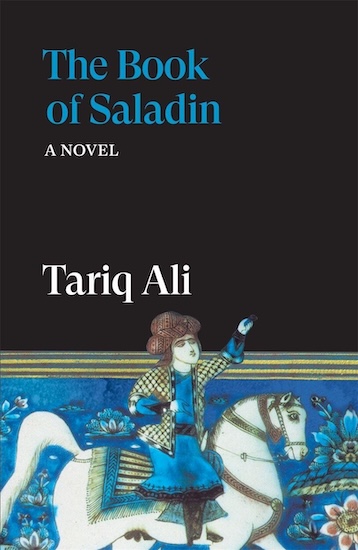
The Book of Saladin (The Islam Quintet)
Set in the twelfth century, The Book of Saladin reimagines the life of Salah al-Din, better known as Saladin, the Kurdish Muslim ruler who united Egypt and Syria and recaptured Jerusalem from the Crusaders in 1187.
The novel takes the form of Saladin’s fictional memoir, dictated to Ibn Yakub, a Jewish scribe tasked with recording the Sultan’s life and achievements. To create a fuller portrait of his subject, Ibn Yakub interviews Saladin’s wives, servants, and companions, revealing the private relationships and personal ambitions behind the public image of a celebrated military leader.
As Saladin rises to power and prepares to reclaim Jerusalem, the narrative explores the political rivalries, religious tensions, and fragile alliances that shape his world. Alongside military campaigns and diplomatic intrigue, the novel delves into the intimate lives of the royal household, including a passionate relationship between Saladin’s favoured wife, Jamila, and another woman in the harem, Halima.
Ali presents a complex portrait of medieval Muslim society, challenging simplified accounts of the Crusades and exploring the contradictions between political ideals and personal desires. Questions of faith, power, loyalty, sexuality, and cultural coexistence run throughout the story, connecting the struggles of the medieval world with conflicts that continue to resonate today.
Egypt
Palestine
Syria
2026
2
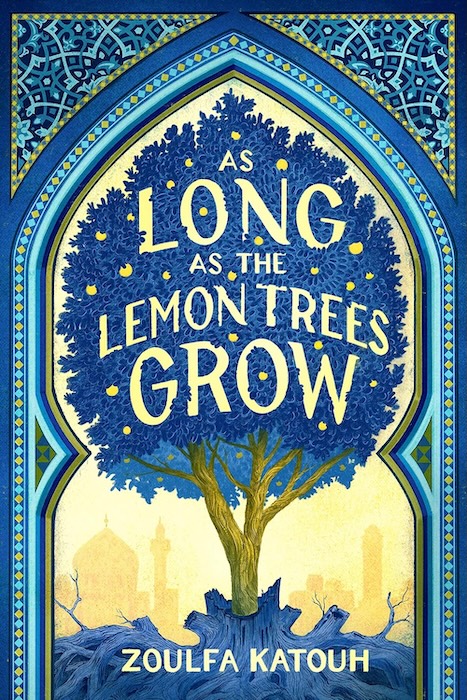
As Long As the Lemon Trees Grow
Set during the Syrian revolution and the ensuing civil war, As Long as the Lemon Trees Grow follows Salama, a young pharmacy student who becomes a medical volunteer in a hospital in Homs. Once hopeful about her future, she now witnesses the devastating effects of violence while struggling with the trauma of losing loved ones and the responsibility of protecting those who remain. Haunted by an imagined companion named Khawf, whose presence reflects her fear and inner conflict, Salama faces an agonising choice: stay in Syria to help her community or flee the country in search of safety. Her growing relationship with Kenan, a young man who dreams of a future beyond the war, offers a fragile source of hope. Katouh explores courage, grief, love, and the moral dilemmas faced by ordinary people caught in extraordinary circumstances.
Syria
2022
3
The Beekeeper of Aleppo
The Beekeeper of Aleppo follows Nuri, a beekeeper, and his wife, Afra, an artist, as their peaceful life in Syria is destroyed by war. After suffering devastating personal losses, the couple are forced to leave their home and embark on a dangerous journey towards Britain in search of safety. Afra has lost her sight following a traumatic experience, while Nuri struggles with his own grief and the responsibility of protecting them both. As they travel through unfamiliar countries and refugee camps, their physical journey becomes intertwined with the emotional struggle to recover from trauma. Through their experiences, Lefteri explores displacement, loss, resilience, and the psychological consequences of conflict. The novel offers an intimate portrait of refugees whose lives have been transformed by circumstances beyond their control.
Syria
2019