Historical Fiction
All countries
Afghanistan
Albania
Algeria
Angola
Antigua and Barbuda
Argentina
Armenia
Australia
Austria
Azerbaijan
Bangladesh
Barbados
Belize
Benin
Bosnia and Herzegovina
Brazil
Bulgaria
Burundi
Canada
Chile
China
Congo, Democratic Republic
Côte d’Ivoire (Ivory Coast)
Croatia
Cuba
Cyprus
Denmark
Djibouti
Dominica
Dominican Republic
Egypt
El Salvador
Ethiopia
Fiji
France
Georgia
Germany
Ghana
Greece
Guatemala
Hungary
Iceland
India
Indonesia
Iran
Iraq
Ireland
Italy
Jamaica
Japan
Kazakhstan
Kenya
Kuwait
Latvia
Lebanon
Libya
Madagascar
Malaysia
Mexico
Moldova
Morocco
Myanmar
Netherlands
Nigeria
North Korea
Oman
Pakistan
Palestine
Philippines
Poland
Portugal
Puerto Rico
Romania
Rwanda
Saudi Arabia
Senegal
Singapore
Slovenia
South Africa
South Korea
Spain
Sri Lanka
Sudan
Sweden
Switzerland
Syria
Taiwan
Tanzania
Thailand
Türkiye
Turkmenistan
Uganda
Ukraine
United Arab Emirates
United Kingdom
United States
Uruguay
Uzbekistan
Vietnam
Yemen
Zambia
Zimbabwe
1
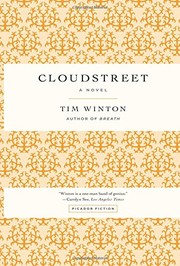
Cloudstreet
Cloudstreet tells the story of two working-class Australian families, the Pickles and the Lambs, who come to share a large, weathered house in Perth after separate family tragedies. Over two decades, their lives become intertwined through births, deaths, arguments, reconciliations, and everyday routines. The Pickles are impulsive and frequently unlucky, while the Lambs are guided by faith, discipline, and a strong sense of responsibility. Despite their differences, both families struggle with grief, poverty, and the desire to create a better future for their children. Winton combines realism, humour, folklore, and supernatural elements to portray the complexity of ordinary lives. The house itself becomes a powerful symbol of shared history, suggesting that healing and belonging can emerge from the unexpected connections between people.
Australia
1991
2
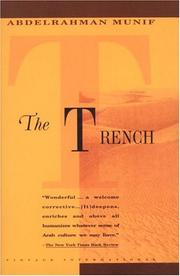
The Trench
The Trench is the second novel in Abdul Rahman Munif’s Cities of Salt quintet, which explores the transformation of the Arabian Peninsula following the discovery of oil. Set in the fictional emirate of Harran, the novel follows the growing power of the ruling elite as oil wealth reshapes society, politics, and everyday life. Foreign interests, local rulers, and emerging institutions compete for influence, while ordinary people struggle to understand and adapt to a rapidly changing world.
Through vivid characters and a broad social panorama, Munif examines how economic modernization can deepen inequality, weaken traditional communities, and concentrate power in the hands of a privileged few. The novel offers a critical portrait of a society caught between inherited customs and the disruptive forces of global capitalism, exposing the human costs behind promises of progress.
Saudi Arabia
1991
3
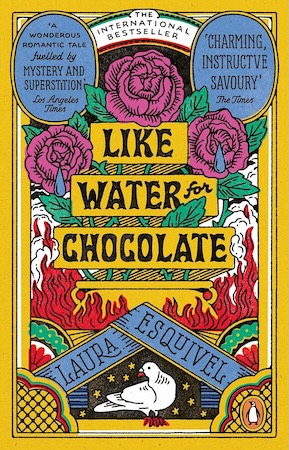
Like Water for Chocolate
Set in Mexico during the Mexican Revolution, Like Water for Chocolate tells the story of Tita de la Garza, a young woman whose passion for cooking is inseparable from her emotions. Bound by a family tradition that forbids her from marrying because she must care for her mother until her death, Tita is prevented from marrying Pedro, the man she loves. When Pedro marries her sister to remain close to Tita, their lives become entangled in longing, jealousy, and forbidden desire. Through magical realism, Esquivel transforms Tita’s cooking into a powerful expression of her feelings, with her dishes mysteriously affecting everyone who eats them. Blending romance, family conflict, and Mexican culinary traditions, the novel explores the struggle between individual desire and social expectations, celebrating the transformative power of love, food, and female independence.
Mexico
1989
4

Eva Luna
Eva Luna follows the life of Eva, an imaginative young woman who discovers early on that storytelling can become both a refuge and a means of survival. Orphaned as a child, she grows up among people from different social backgrounds in an unnamed Latin American country marked by political unrest and inequality. Through her relationships, adventures, and encounters with revolutionaries, artists, and ordinary people, Eva gradually shapes her own destiny. Her ability to invent stories becomes a source of power, allowing her to reinterpret painful experiences and challenge the limitations imposed on her. Blending magical realism, romance, and political history, Allende explores the relationship between imagination and freedom. Eva’s journey celebrates resilience, female independence, and the transformative power of storytelling.
Chile
1987
5
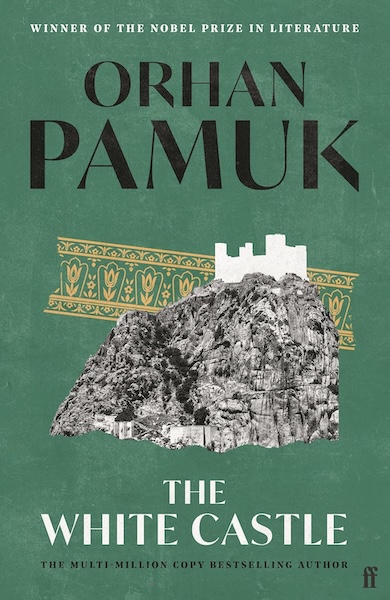
The White Castle
In the seventeenth century, a young Italian scholar travelling from Venice is captured by pirates and taken to Constantinople, where he becomes a slave. His new master, Hoja, is an Ottoman scholar fascinated by Western science and technology. But their relationship becomes increasingly strange when they discover that they look almost exactly alike.
As the Italian teaches Hoja everything he knows about astronomy, medicine, and engineering, their intellectual partnership develops into a psychological struggle. Each man becomes obsessed with understanding the other, probing his memories, fears, and deepest secrets. Gradually, the boundaries between master and slave begin to blur, raising an unsettling question: if two people know everything about each other, can they exchange identities?
Set against the grandeur and brutality of the Ottoman Empire, The White Castle is a philosophical tale about selfhood, cultural differences, and the fragile boundaries separating East from West.
Türkiye
1985
6
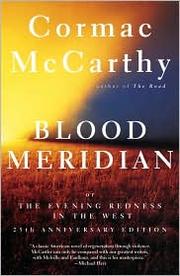
Blood Meridian
Set in the American Southwest and northern Mexico during the 1840s, Blood Meridian follows a nameless teenager known as the Kid as he joins a violent band of scalp hunters operating along the frontier. The group, led by the ruthless Captain Glanton and accompanied by the enigmatic Judge Holden, travels through landscapes marked by poverty, conflict, and brutality. Their journey exposes the violence underpinning territorial expansion and the mythology of the American West. McCarthy’s stark, biblical prose transforms the frontier into a world where cruelty seems almost elemental and human life is treated as expendable. The novel challenges romantic ideas of conquest and civilisation, exploring violence as both a historical force and a disturbing aspect of human existence.
United States
1985
7
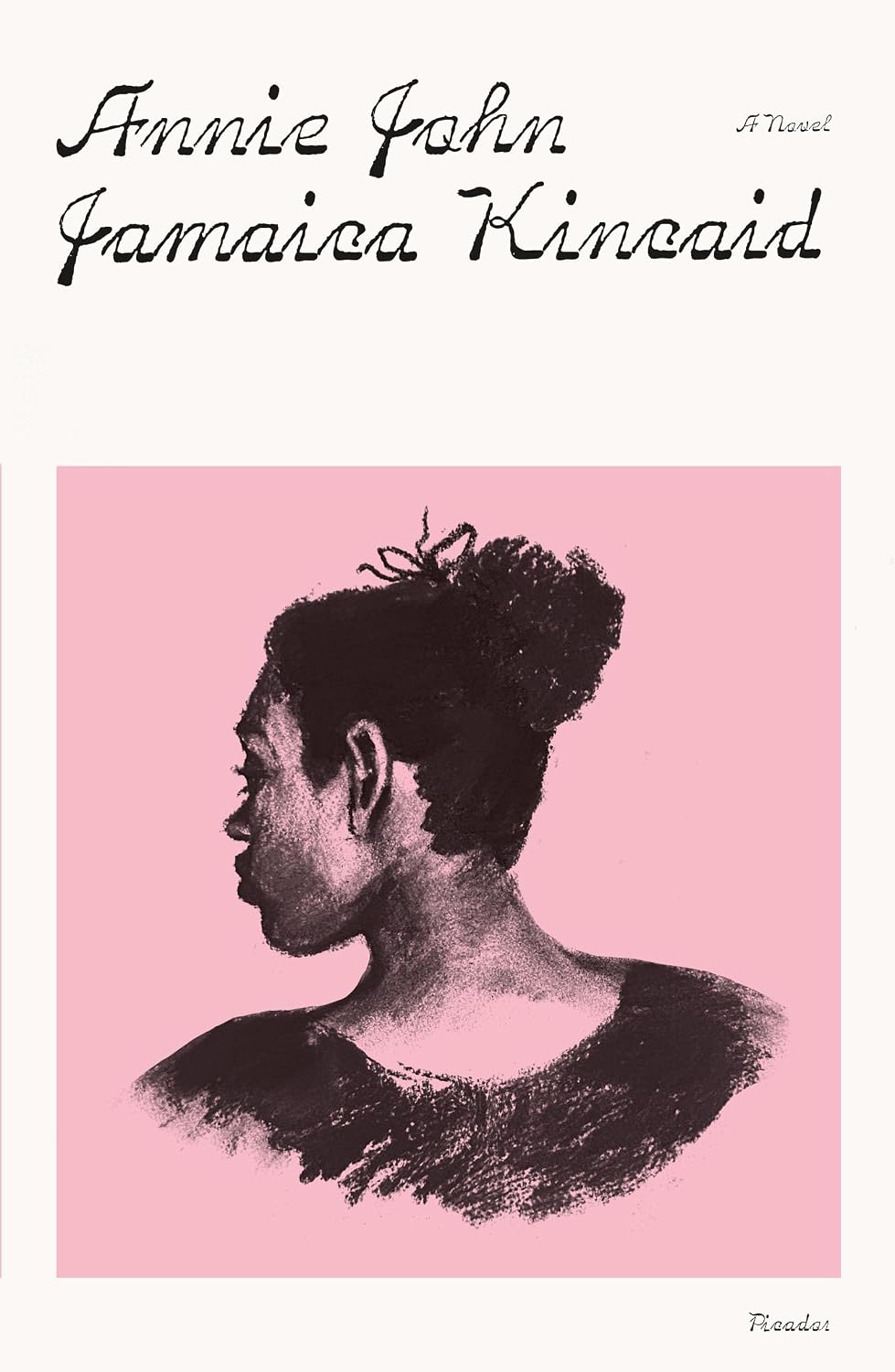
Annie John
Set on the Caribbean island of Antigua, Annie John follows a young girl as she grows from childhood into adolescence. Annie is deeply attached to her mother, whom she initially regards as her closest companion and model for adulthood. As she matures, however, their relationship becomes increasingly strained, and Annie begins to struggle with questions of independence, identity, and belonging. Her experiences at school, friendships, and growing awareness of death and sexuality complicate her understanding of the world. Jamaica Kincaid explores the painful transition from childhood intimacy to adult separation, while also drawing parallels between Annie’s personal rebellion and Antigua’s colonial history. The novel is an intimate portrait of a young woman learning to define herself beyond the expectations of family and society.
Antigua and Barbuda
1985
8
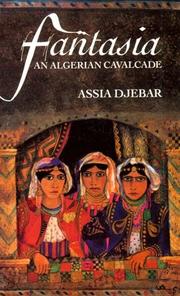
Fantasia, an Algerian cavalcade
Fantasia: An Algerian Cavalcade blends autobiography, historical research, and fiction to explore Algeria’s colonial past and the experiences of women caught between cultural traditions and political upheaval. Assia Djebar begins with memories of her childhood, growing up in a French-language school system while living within the traditions of an Algerian Muslim family. Her education gives her access to opportunities unavailable to many women of her generation, yet it also creates a distance between her and the language and experiences of her ancestors.
Interwoven with her personal story are accounts of the French invasion of Algeria in 1830, drawn from historical documents, military reports, and testimonies that reveal the violence of colonial conquest. Djebar also reconstructs the lives and voices of Algerian women whose experiences were often excluded from official histories. Moving between past and present, French and Arabic, personal memory and collective trauma, the novel examines language, gender, colonialism, and cultural identity. It becomes an attempt to recover silenced histories and understand what it means to write from within the complicated legacy of colonisation.
Algeria
1985
9
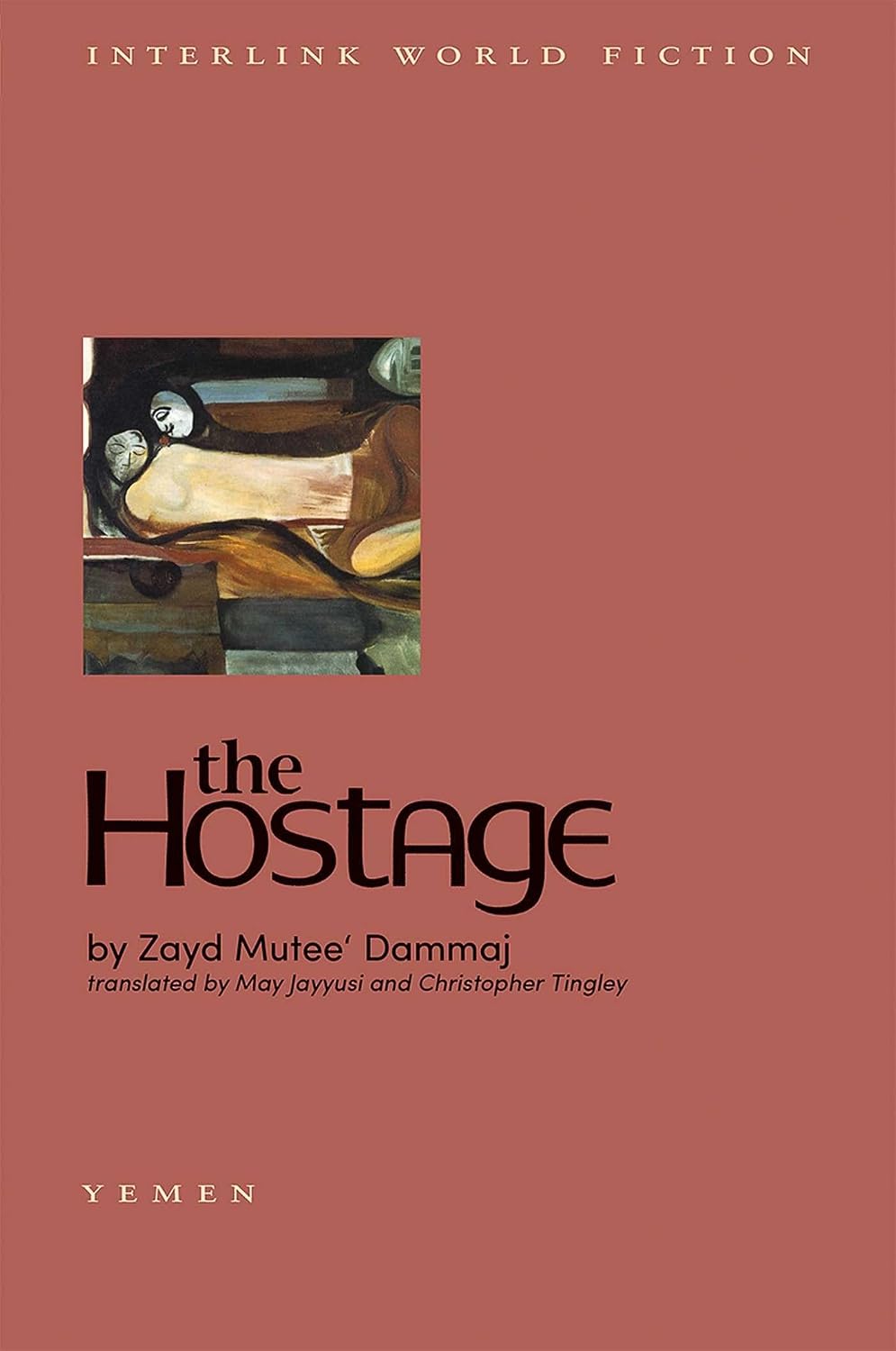
The hostage
Set in Yemen in the 1940s, before the revolution that ended the country’s imamate system, The Hostage follows an unnamed adolescent boy who is taken from his family and held as a hostage to guarantee his father’s political loyalty to the ruling Imam. Transferred to the governor’s palace in Taiz, he becomes a young attendant serving the palace’s inhabitants, gradually discovering the complex relationships, privileges, and abuses that shape their world.
Through the boy’s experiences, Dammaj exposes the cruelty of an authoritarian political system in which ordinary people are denied autonomy and treated as instruments of power. As the protagonist develops emotionally and becomes increasingly aware of his circumstances, his desire for independence grows. Blending personal coming-of-age with political satire, the novel offers a powerful portrait of oppression, social hierarchy, and the human longing for freedom. First published in Arabic as Al-Rahina, it is considered a landmark of modern Yemeni literature.
Yemen
1984
10
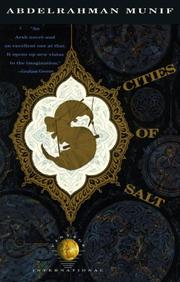
Cities of Salt
Cities of Salt is the first novel in Abdul Rahman Munif’s celebrated quintet exploring the transformation of the Arabian Peninsula following the discovery of oil. Set in a fictional oasis community in the Arabian Gulf, the story begins when foreign oil companies arrive and begin exploiting the region’s natural resources. Their presence disrupts the traditional way of life, forcing local inhabitants to confront unfamiliar technologies, new economic structures, and the growing influence of foreign powers.
Through the experiences of villagers, merchants, tribal leaders, and migrant workers, Munif portrays the profound social and cultural upheaval caused by rapid modernisation. As oil wealth transforms the landscape, longstanding relationships and communal traditions begin to fracture, while new hierarchies of power emerge. The novel examines the consequences of economic exploitation, environmental destruction, and political domination, revealing how entire communities can be reshaped by forces beyond their control. With its expansive narrative and collective cast of characters, Cities of Salt offers a powerful reflection on the human costs of oil-driven development and the disappearance of traditional ways of life.
Saudi Arabia
1984
11

The Lover
The Lover is an autobiographical novel set in French colonial Indochina in the late 1920s. It follows a fifteen-year-old French girl from a financially struggling family who begins a relationship with a wealthy Chinese man several years older than her. Their encounter takes place against a backdrop of racial divisions, colonial hierarchies, and social conventions that shape their lives and determine how their relationship is perceived.
Through fragmented memories and lyrical, introspective prose, Marguerite Duras explores desire, shame, power, and the complicated dynamics of intimacy. The narrator’s relationship with her lover becomes entangled with her difficult family life, particularly her strained relationship with her mother and brothers. As she reflects on the experience from adulthood, memory transforms the story into an examination of how love and sexuality shape identity. Both intimate and unsentimental, the novel reveals the inequalities embedded in colonial society while questioning the boundaries between personal history, desire, and the stories people tell about their past.
France
1984
12
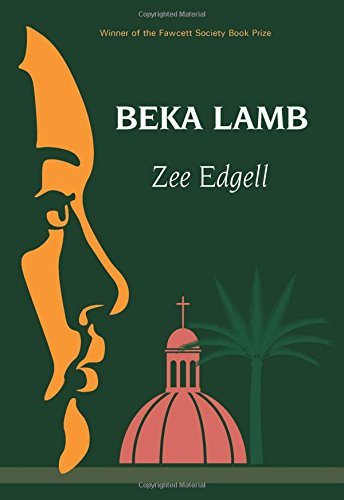
Beka Lamb
Set in Belize during the late 1950s, Beka Lamb follows a young girl growing up in a society approaching political independence from Britain. Beka struggles at school and initially disappoints her family, but a friendship with Toycie, an older girl whose life takes a tragic turn, forces her to confront the consequences of social expectations and limited opportunities for women. As Beka matures, she begins to understand the inequalities and cultural tensions shaping her community. Her personal development unfolds alongside Belize’s growing national consciousness, linking the challenges of adolescence with the struggle for self-determination. Edgell presents a vivid portrait of everyday life in Belize, exploring education, family, friendship, and the importance of preserving cultural identity while imagining a different future.
Belize
1982