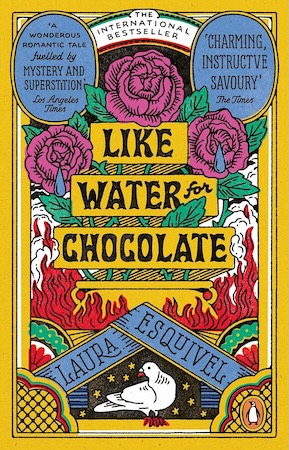
Like Water for Chocolate
Mexico

Like Water for Chocolate

by Laura Esquivel

Summary

Set in Mexico during the Mexican Revolution, Like Water for Chocolate tells the story of Tita de la Garza, a young woman whose passion for cooking is inseparable from her emotions. Bound by a family tradition that forbids her from marrying because she must care for her mother until her death, Tita is prevented from marrying Pedro, the man she loves. When Pedro marries her sister to remain close to Tita, their lives become entangled in longing, jealousy, and forbidden desire. Through magical realism, Esquivel transforms Tita’s cooking into a powerful expression of her feelings, with her dishes mysteriously affecting everyone who eats them. Blending romance, family conflict, and Mexican culinary traditions, the novel explores the struggle between individual desire and social expectations, celebrating the transformative power of love, food, and female independence.

Reviews

Login to leave a review.

No reviews yet. Be the first!

You might also like
Laura Esquivel
Laura Esquivel

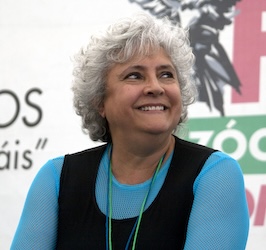
Laura Esquivel is a Mexican novelist, screenwriter, and politician born in Mexico City in 1950. Before becoming an internationally acclaimed author, she worked as a teacher and wrote scripts for children’s television and films. Her fiction is known for blending magical realism, Mexican cultural traditions, family history, and the emotional power of food. Her debut novel, Like Water for Chocolate (Como agua para chocolate, 1989), became an international bestseller and tells the story of Tita, a young woman whose emotions become infused into the dishes she prepares, affecting everyone who eats them. Set during the Mexican Revolution, the novel explores love, desire, family obligations, and women’s struggle for independence within restrictive traditions. It was adapted into a successful film in 1992. Esquivel continued exploring family secrets and Mexican history in novels such as The Law of Love (1995) and Malinche (2006). Through vivid storytelling and magical elements, her work celebrates Mexican culinary heritage while challenging patriarchal expectations and examining the relationship between personal freedom and cultural inheritance.

View author page
Published
1989
Author
Laura Esquivel